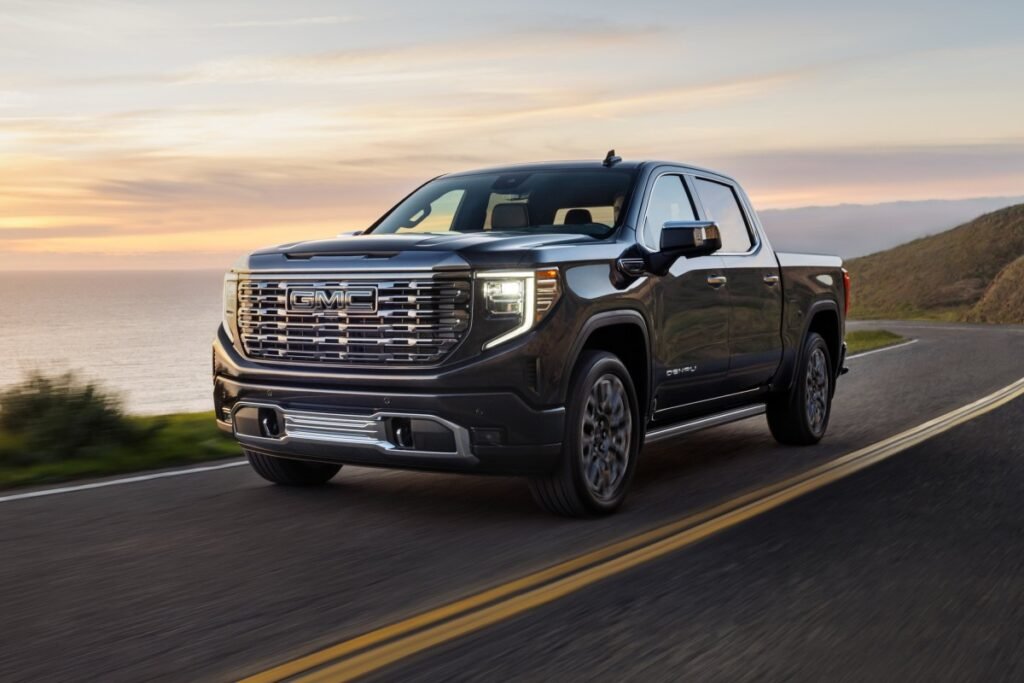
General Motors has long leaned into the classic American idea of “bigger is better.” The company, which includes brands like Chevrolet, Cadillac, and GMC, is once again at the top when it comes to sheer truck size. According to the latest data from the United States Environmental Protection Agency (EPA)’s Automotive Trends Report, GM still builds the biggest trucks on sale in the US, marking the second year in a row it has led the category.
GM’s Trucks Are Officially The Biggest In America
The EPA measures vehicle size by footprint, calculated by multiplying wheelbase by average track width. It may sound like an insignificant number, but it matters because US fuel economy rules scale with footprint, i.e. large trucks have different regulations than tiny hatchbacks. For the 2024 model year, GM’s average truck footprint came in at 60.2 square feet, with preliminary 2025 data increasing that up to 60.4 square feet. That keeps GM ahead of rivals like Ford (58.3 square feet) and Stellantis (58.0 square feet), while manufacturers such as Toyota and Nissan remain closer to the industry average of 54.2 square feet.
America’s Truck and SUV Obsession Keeps Growing
GMC Newsroom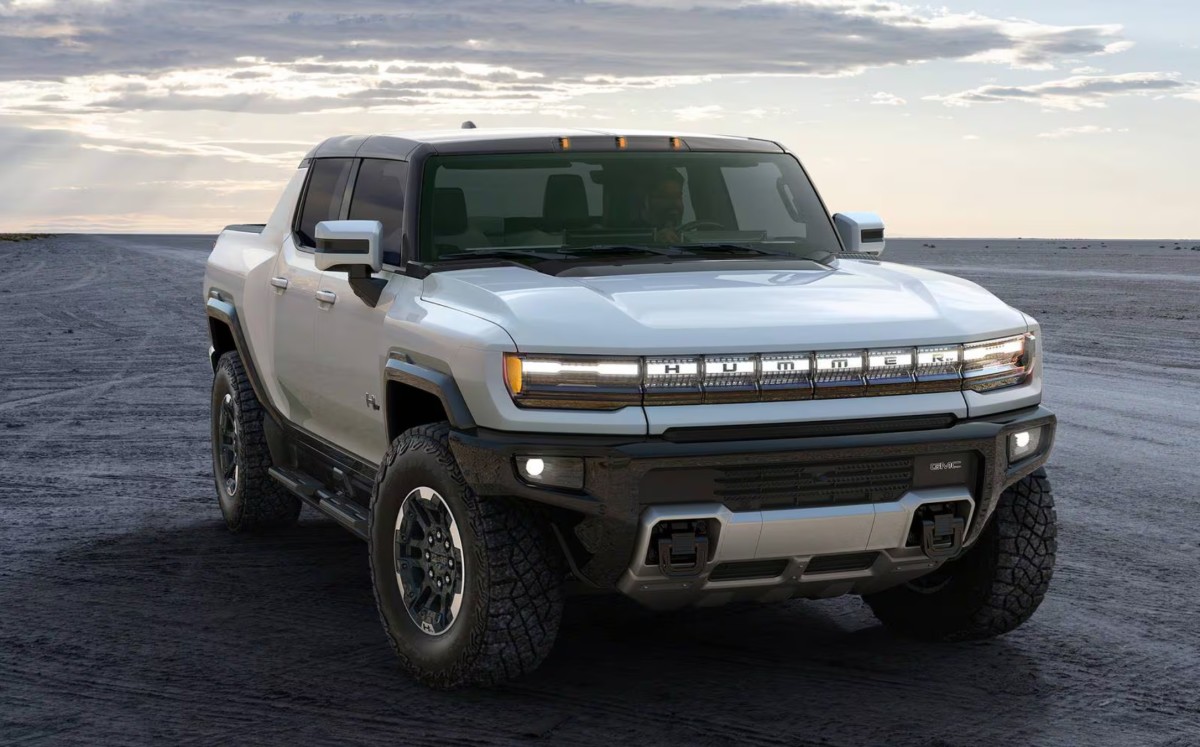
The same EPA report shows just how dominant trucks have become. Pickups, vans, and truck-based SUVs now account for roughly 66% of new vehicle production in the U.S. In fact, people’s love for luxury pickup trucks is one of the main drivers behind why the average new car price sits at $50,326. That demand has helped GM become the best-selling automaker in the US for 2025 with around 2.85 million vehicles sold, up 6% year over year. That said, the best-selling pickup title still belongs to the Ford F-150, with the Chevrolet Silverado finishing in second place.
A Large, Gas-Powered Future For GM
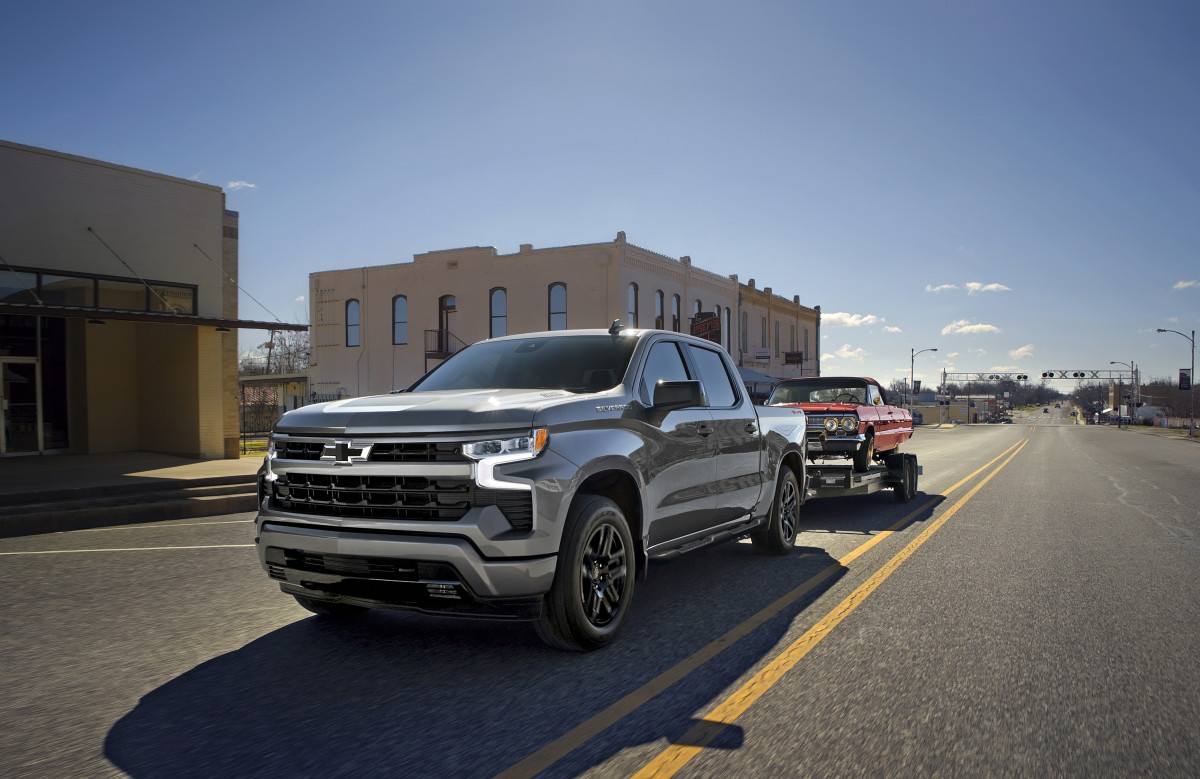
EV interest is dimming across the industry, and brands have admitted an all-electric future might have been unrealistic. In fact, GM incurred an $8.5 billion expense last year, due to all the EV-related programs it cancelled. Therefore, while GM will continue to produce EVs, it won’t be as intense as before. Judging by the sales numbers and the EPA’s findings, GM’s formula is still working, and we wouldn’t be surprised if they continue to build massive, gas-powered trucks and SUVs for many years to come.