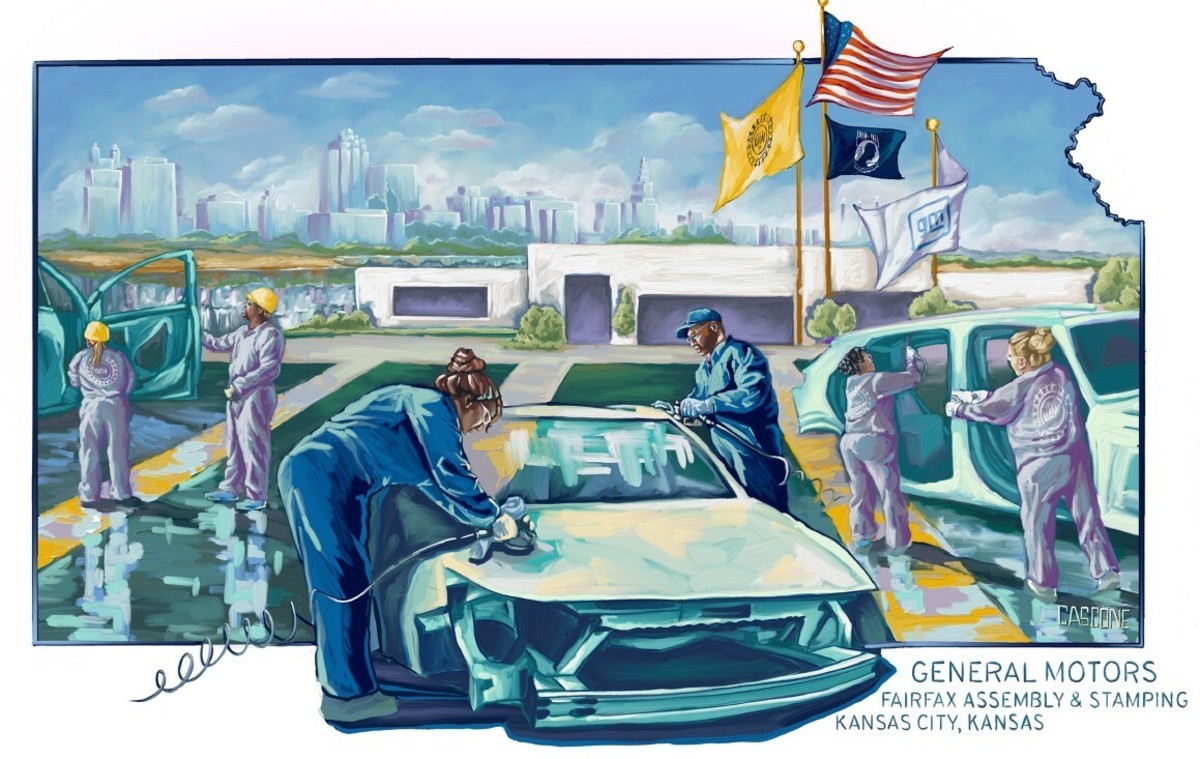
General Motors is putting $30 million into workforce training at its Fairfax Assembly plant in Kansas City as it prepares for three major vehicle launches that will span both electric and gas powertrains.
GM says the goal is to keep the plant competitive through a fast transition period, with training aimed at protecting quality and flexibility as the lineup changes.
Workforce Training Tied Directly To Three Models
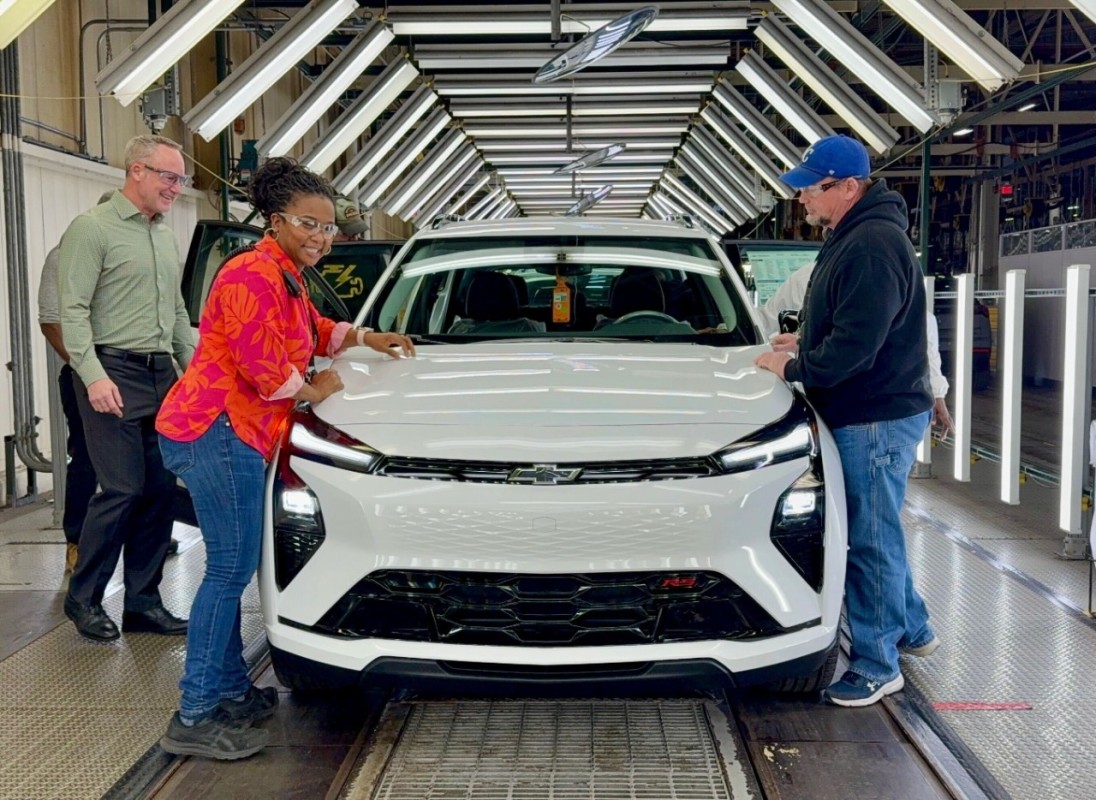
GM says Fairfax is currently producing the Chevrolet Bolt, and that the plant will soon add the gas powered Chevrolet Equinox, followed by a next generation Buick compact SUV. The company is positioning the launch cadence as a stress test for modern manufacturing, because switching between EV and internal combustion production requires new processes, new safety routines, and tighter cross training to avoid slowdowns during changeovers.
GM is also framing this investment as additive to a broader manufacturing push, noting it comes on top of nearly $5.5 billion in recent manufacturing investments.
General Motors
What The $30 Million Is Meant To Do
GM says the Fairfax funding targets three categories, upskilling employees for more advanced roles as technology changes, cross training that supports flexibility between EV and ICE production, and expanded safety, quality, and launch readiness training. The emphasis is less about buying new machines and more about ensuring teams can run new processes from day one, since early production is where delays and quality issues can become expensive and hard to reverse.
GM also highlighted the plant’s generational workforce, noting that many employees and families have built long careers there, with plant director Michael Youngs described as a third generation GM employee who began at Fairfax and now leads the upcoming launches.
Why GM Is Leaning Into The Ownership Experience Narrative
Although the announcement is about training, it also sits inside a broader GM strategy where software features and customer experience increasingly shape how new models are marketed and supported after launch.
At the same time, GM continues to face the reality that launch execution still matters most when problems appear in the field, which is why quality control remains central to plant investments.