You can ignore Chinese automakers at your own peril, and European carmakers are learning that the hard way as their once-exclusive home markets are flooded by brands from the Middle Kingdom.
While the US market is currently safe from a Chinese auto invasion thanks to prohibitive tariffs, Chinese EVs are already at America’s borders with Mexico and Canada, and the situation doesn’t look sustainable for the US market in the long run.
When it comes to US automakers, they have been working closely with their Chinese counterparts for many years in China, where foreign investors had to form 50:50 joint ventures with local companies. But it looks like a shift is about to take place, as some Western automakers are considering working together with Chinese carmakers on other markets as well.
Ford
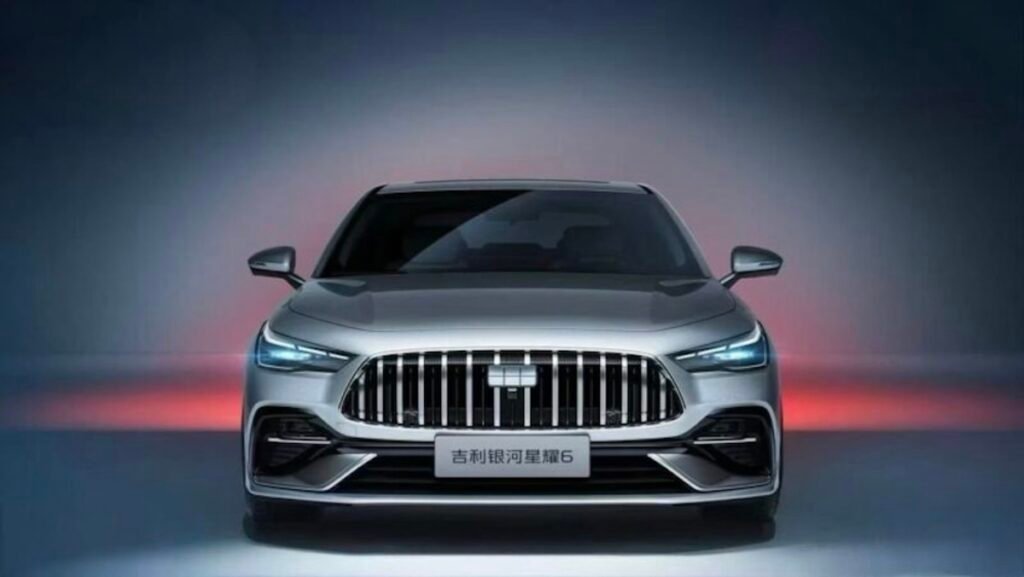
Ford and Geely, for example, are apparently in discussions about a potential partnership covering the European market, Reuters reports. According to eight people with knowledge of the ongoing talks, the two carmakers are looking to share technology and manufacturing costs.
More specifically, Geely is said to be interested in using Ford’s factory space in Europe, most likely the plant in Valencia, Spain, to build vehicles tailored for the region, three sources said. That would allow Geely to sidestep the European Union’s minimum price agreements, which recently replaced the previous tariffs of up to 37.5% introduced in 2024 on China-made EVs.
Ford And Geely Also Exploring Shared Vehicle Tech, Including Autonomy
Geely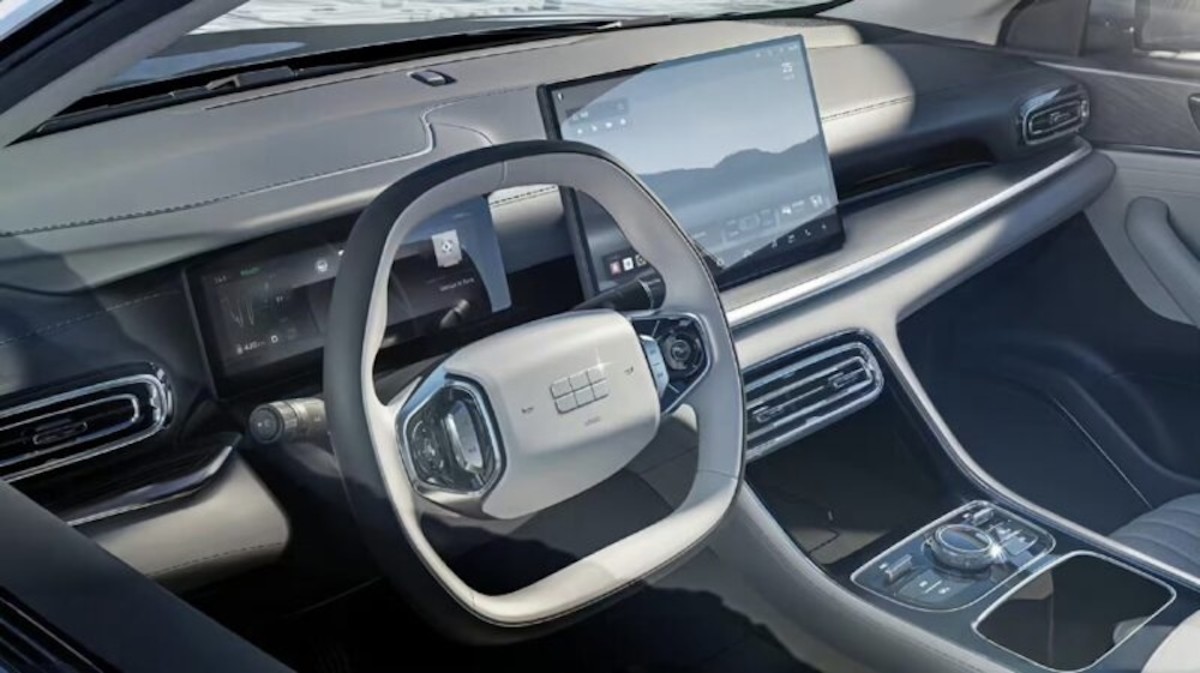
While the talks centered on European collaboration are more advanced, with Ford reportedly sending a delegation to China this week to step up discussions, the two companies are also said to be exploring pooling vehicle technologies, including for automated driving.
Five of the sources said talks between Geely and Ford have been ongoing for months. While the Chinese automaker declined to comment on the report, Ford issued a neutral statement. “We have discussions with lots of companies all the time on a variety of topics. Sometimes they materialize, sometimes they don’t.”
While it’s unclear if the talks regarding shared vehicle tech involve the US market in any way, any deal to bring advanced Chinese vehicle technology to the United States would likely receive close examination by the Trump administration and US lawmakers.
Shared Tech Deal’s US Implications A Key Issue
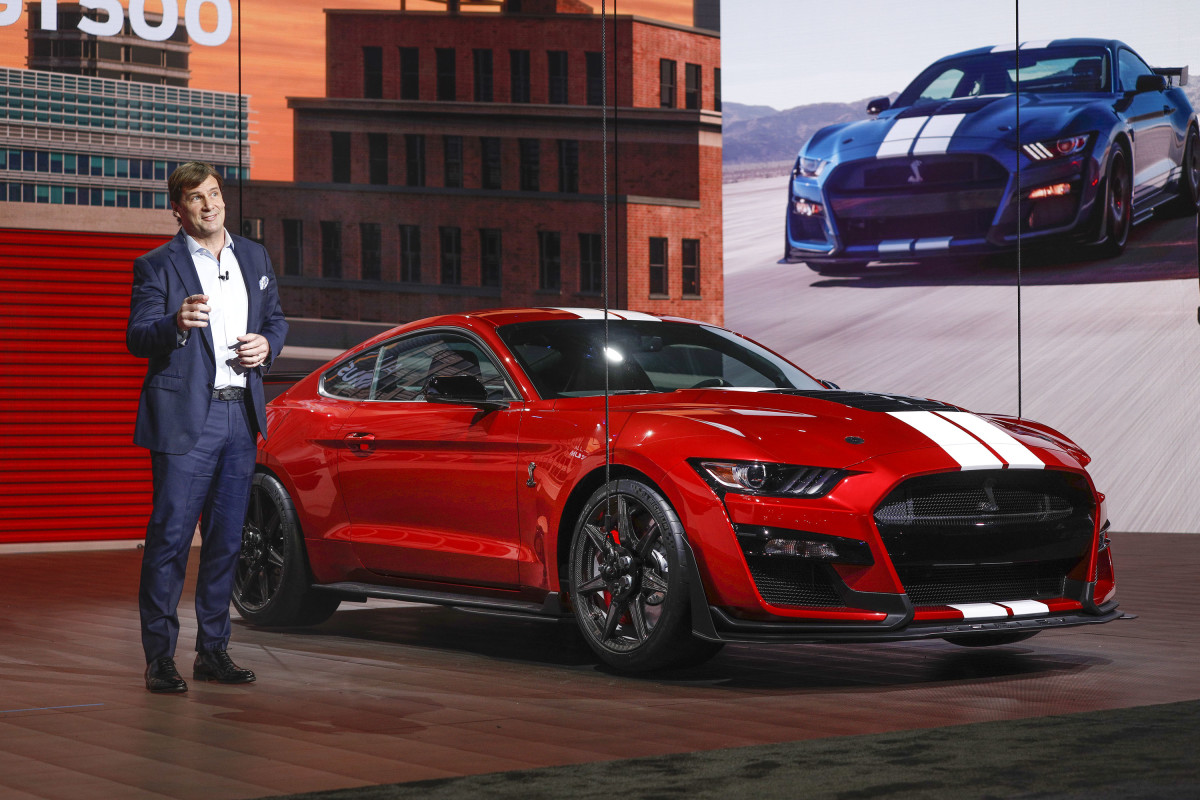
Not only have Chinese automakers been effectively shut out of the U.S. market by the Biden and Trump administrations on grounds of national security risks from data collection and vehicle software, but U.S. lawmakers have even criticized any plans for collaboration between American and Chinese carmakers, such as Ford’s deal to license EV battery tech from China’s CATL for at a Michigan plant.
Ford Motor Company CEO Jim Farley has been quite outspoken in his admiration for China’s global lead in EVs and connected vehicle technology, calling the progress in these fields “the most humbling thing I have ever seen” in an interview at the Aspen Ideals Festival last year.
He has also been adamant about the need for Ford to recover lost ground to Chinese automakers when it comes to vehicle tech. A deal with Geely would come in handy, as it would allow Ford to up its game in areas like connected-vehicle technology and autonomy. Interestingly, only a few days ago, the automaker denied holding talks with China’s Xiaomi on a possible joint venture to build EVs in the US.
Geely Auto, which includes the Zeekr and Lynk & Co brands and controls Volvo Cars, Lotus and Polestar, is China’s second-largest automaker after BYD.