Ford and General Motors (GM) have silently increased the cost of buying their full-size trucks and SUVs, not by inflating destination charges. The minimum fee now sits at $2,795 across multiple models and brands, adding a noticeable premium before you even consider options or dealer extras. With the average new carcosting $50,300 and full-size pickups reaching an average selling price of $66,386 as of December last year, a few hundred dollars might not matter to you. However, this increased destination charge, alongside Trump tariffs, pushes the price of a new car to an unnecessary level for many buyers.
What Destination Charges Really Cover
Chevrolet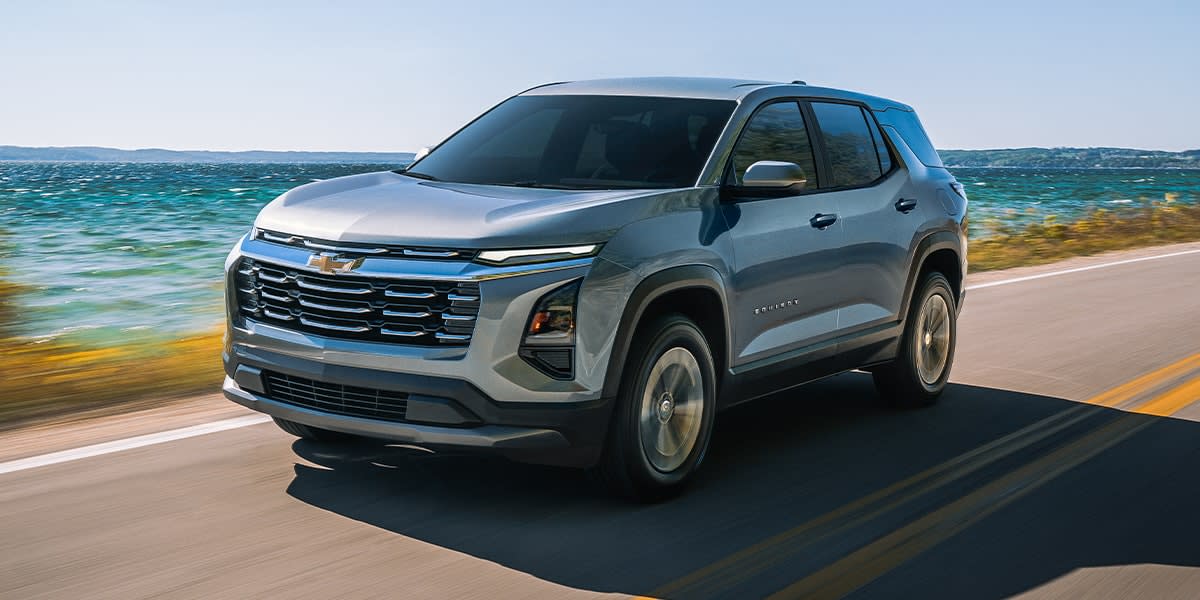
Destination charges, also called transport, shipping, or processing charges, are meant to cover the cost of moving a vehicle from the factory to the dealership. But in reality, they’ve become one of the easiest ways to pad the final price. Ford and GM’s latest increase applies broadly across the brands’ largest vehicles, including models from Lincoln, Chevrolet, and GMC.
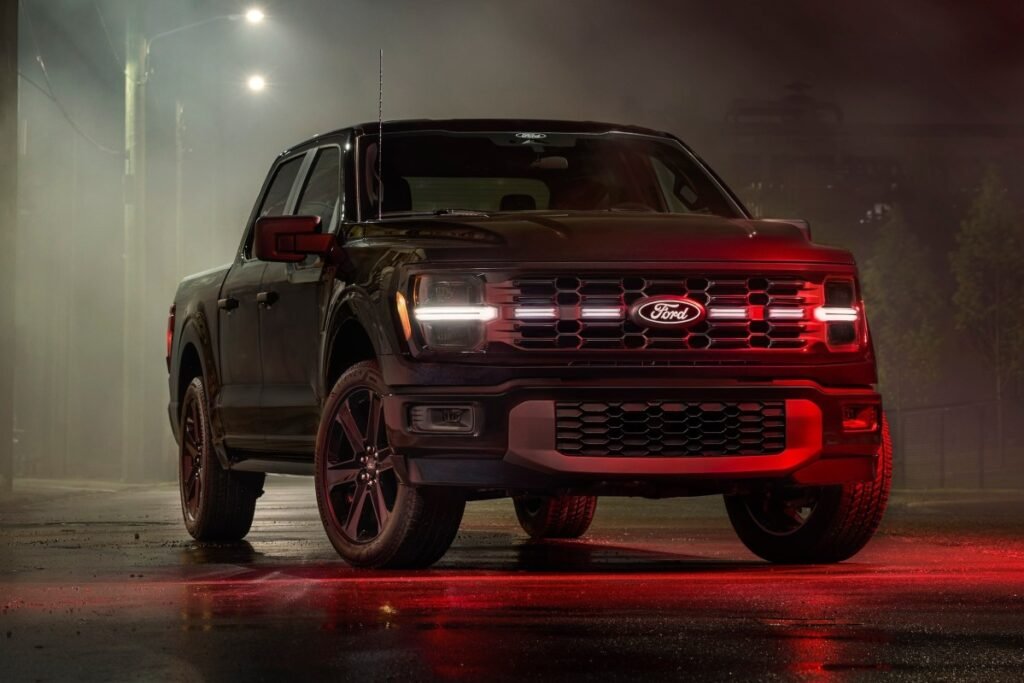
Looking at the Ford F-150, its destination fee has climbed from $1,795 in 2023 to $2,595 in 2025, before landing at today’s $2,795 figure – a 55.7% increase over 3 years – far above the expected inflation rise. By comparison, lower destination charges are typically applied to smaller vehicles like sedans and hatchbacks. That said, brands can charge whatever destination charge they feel appropriate, with a Cadillac Escalade running you $2,895, while other brands charge more than $3,000.
The Reason Behind The Increase
Frederic J. BROWN / AFP via Getty Images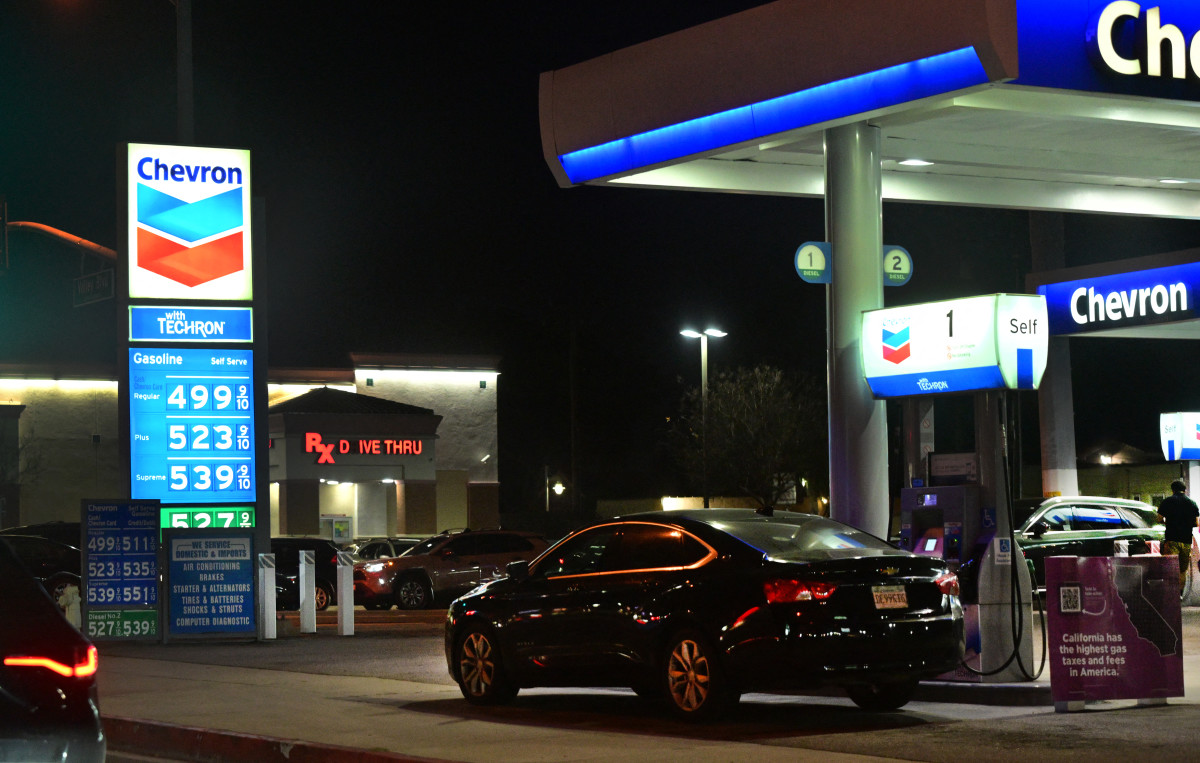
As of writing this article, neither Ford nor GM has made it clear why the destination charges have increased. However, there are some factors we assume play a role, with the rising cost of fuel being the most significant. The average gasoline price currently sits at $3.98 per gallon – a 33.4% increase over February’s cost. The fuel price surge doesn’t just impact your daily commute, but the transportation of goods across every industry, including the transportation of cars from factory plants to dealerships.
Then again, greed may play a role, too. Or in this case, financial survival. In 2025, Ford reported a staggering $8.2 billion loss, and GM an even worse $8.5 billion loss, giving both carmakers a motive to increase profits.
Why It Still Matters
GMC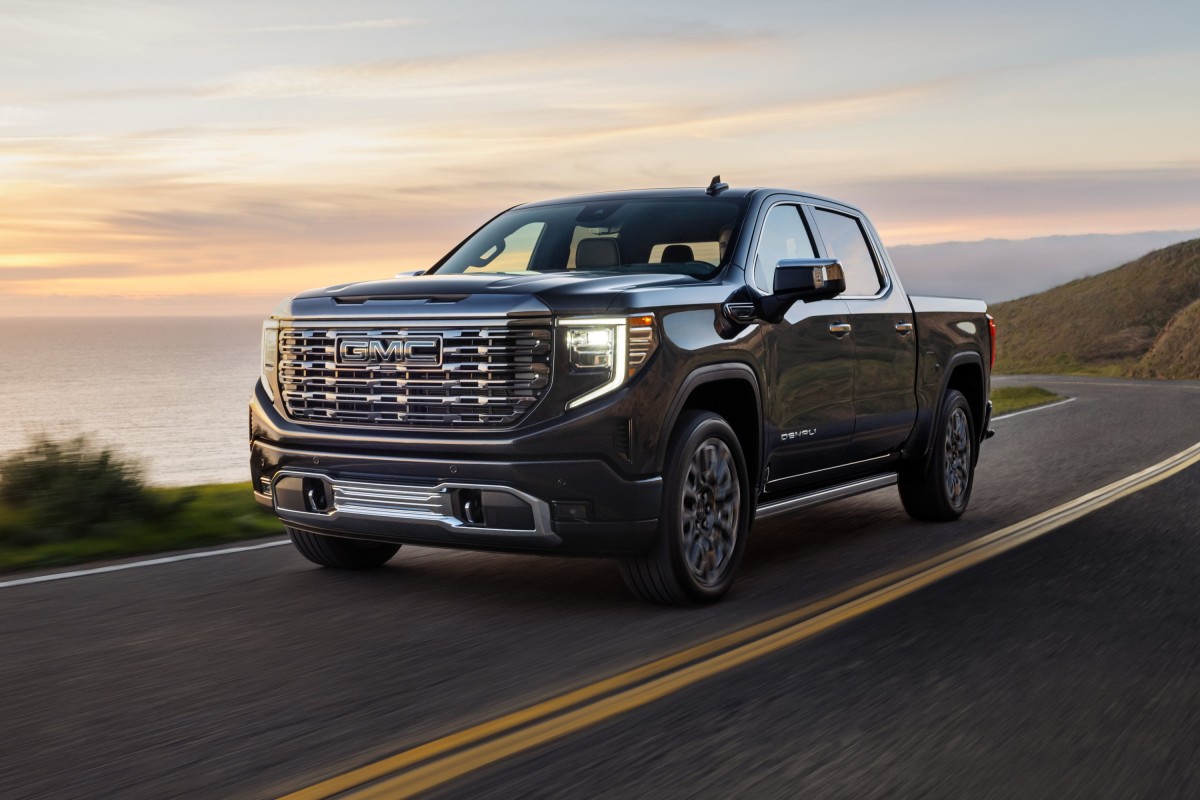
For most buyers, a few thousand dollars in fees might not seem like a deal breaker on a high-priced truck. Still, these extra charges, alongside dealer add-ons like all-weather mats, wheel locks, nitrogen for your tires, and so-called paint protection, are all unnecessary costs you shouldn’t have to pay for. While small increases are expected over time, Ford and GM’s destination charges exceed typical inflation-related growth rates, leading us to believe other forces are at play. And if tensions in the Middle East were to continue, we may see more price hikes in different ways coming, too.