Ferrari’s First EV Is Almost Here
Ferrari’s first electric model, the Luce (or whatever it will be called), is set to arrive this year, and it’s clear they’re taking a different approach. Instead of focusing on acceleration numbers, Ferrari is looking at how the car actually feels to drive.
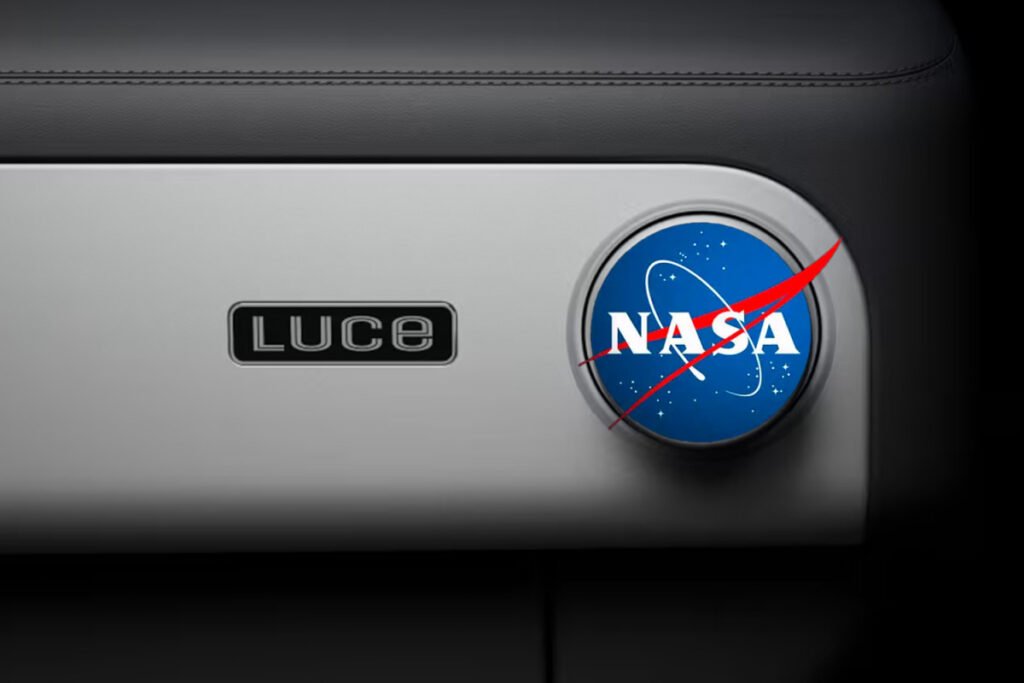
In a recent interview with Autocar India, Ferrari CEO Benedetto Vigna revealed that the company worked with NASA during the development of the Luce – not for outright speed, but to understand how acceleration affects the human body, specifically the brain.
Ferrari is essentially trying to answer a question many EV makers haven’t fully addressed yet: Just because a car can accelerate brutally fast, should it?
When Acceleration Becomes a Problem
Electric cars make it easy to achieve extreme acceleration. Even big, heavy vehicles can hit impressive 0–62 mph times thanks to instant torque. The catch is that the experience isn’t always enjoyable for the people inside.
Research shows that aggressive, linear acceleration can feel unnatural and even disorienting. Without the gradual buildup you get from a traditional engine, the brain and inner ear can struggle to keep up.
Ferrari recognized this issue early on. According to the interview, it studied how much acceleration actually feels good before it crosses the line into discomfort. Push it too far, and drivers stop enjoying the drive and just wait for it to be over.
That’s where the NASA collaboration comes in. Ferrari worked with medical research centers and the space agency to better understand the limits of human perception under acceleration.
Rather than chasing the highest numbers, Ferrari is tuning the Luce around five main areas: acceleration, cornering, braking, torque delivery, and sound. The goal is to make the car engaging to drive, not just fast on paper.
A Different Kind of Electric Ferrari
Ferrari is also rethinking what an electric car should be. The Luce isn’t meant to be a track car, at least for now. Battery limits still make it tough to drive hard for long periods, especially since range drops quickly when you push it. Ferrari claims it can go over 311 miles on a charge, but if you drive it hard, that number can drop to around 124 miles.
Ferrari is also adding some unique touches to the driving experience. The Luce will use paddle shifters to simulate gear changes – not for regenerative braking, but to control how torque is delivered. Sounds familiar?
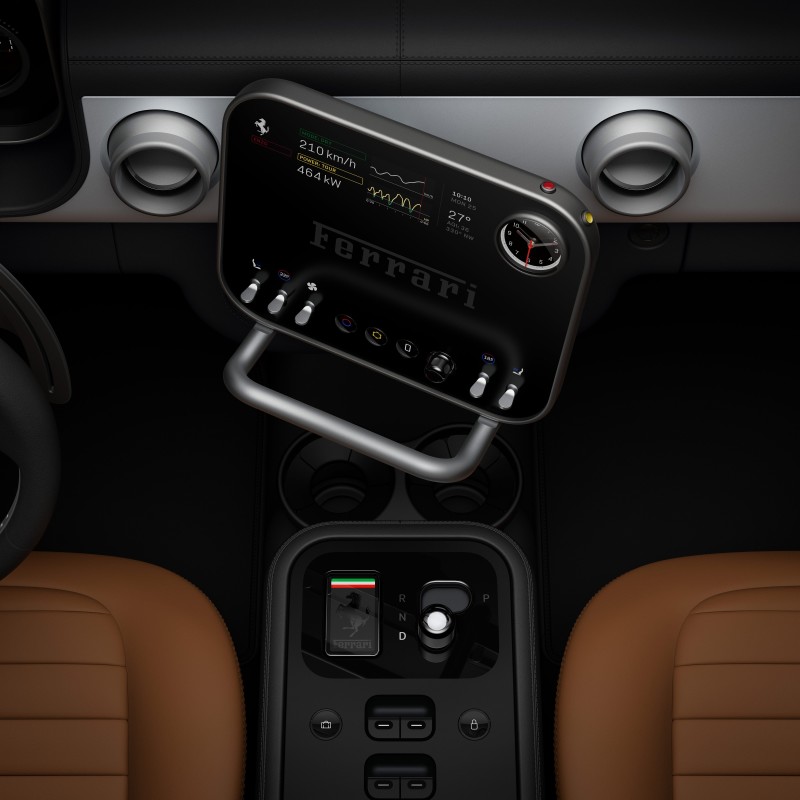
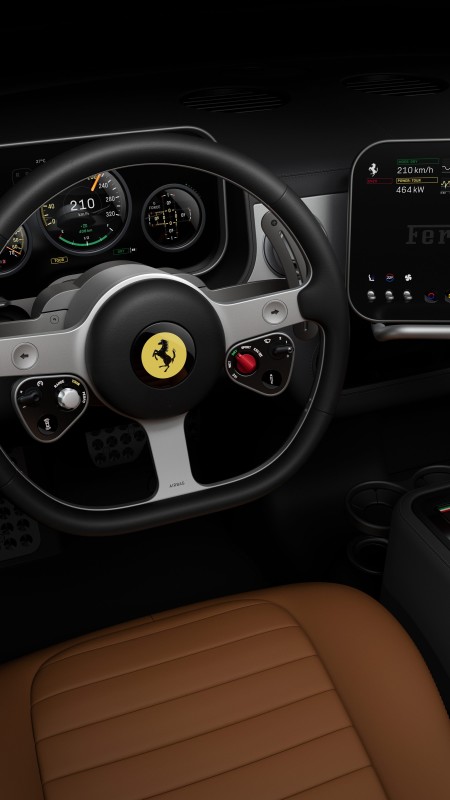
As we already know, Ferrari didn’t fill the cabin with screens; instead, it mixed analog controls with digital tech. The aim is to keep the car from feeling like every other high-tech interior and to preserve some real mechanical feel.
Taken together, the Luce isn’t trying to beat every EV in the stats. Instead, Ferrari wants it to feel like a real Ferrari in ways you can’t measure on a spec sheet.