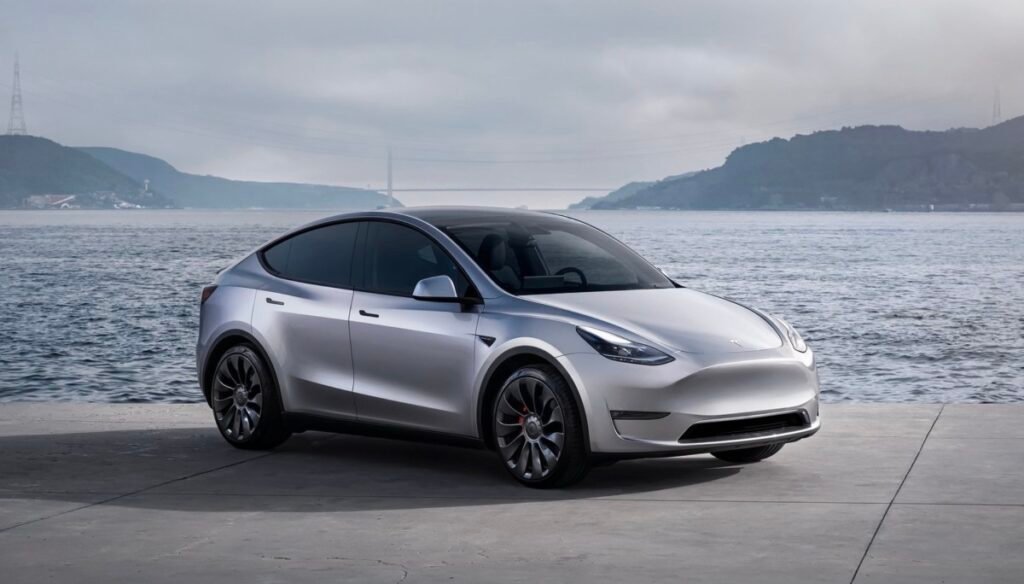
With federal tax credits no longer available, U.S. demand for battery-electric vehicles has tumbled for the first time in a decade.
Registrations slipped by 0.4% in 2025, according to a new report by S&P Global Mobility, in sharp contrast to the rapid growth during the earlier part of the decade. As recently as 2021, year-over-year demand grew by as much as 88%.

The market should begin to stabilize this year, “as more EVs come out and the infrastructure continues to grow,” said Stephanie Brinley, S&P’s principle automotive analyst. “There is an opportunity for growth,” she added, though it’s far from certain a rebound will begin this year.
Boom to Bust
U.S. consumer demand for EVs grew rapidly during the first part of the decade, rising nearly eightfold between 2019 and 2024. In 2021, the pace of year-over-year growth reached 88%, though that dropped to 11% in 2024, reported S&P.
Cadillac
Last year, however, registrations fell into the negative column for the first time since the consultancy began tracking the EV market in 2016. All told, 1.3 million battery-electric vehicles were registered in 2025, a 7.8% share of the market’s overall 16.25 million vehicles. (By contrast, total registrations were up 2.2%, reaching the highest total since COVID struck in 2020.)
Related: Trump EPA Eliminates Obama-Era Vehicle Emissions Standards
The downturn in the EV market coincides with the return of Donald Trump to the White House. In contrast to his predecessor, Joe Biden, Trump has taken an actively anti-EV position, among other things ordering chargers removed from federal property. Some are in legal limbo, the administration facing lawsuits meant to undo a block on funding for public chargers. The big hit, however, was the Congressionally approved phase-out of EV tax credits as of September 30, 2025.
The Big Disconnect
The year actually started out on a good note, with a 4.6% increase in EV registrations – S&P tracking registrations, rather than sales, because Tesla and some other companies don’t break out sales by individual markets.
If anything, the third quarter brought the sort of surge in demand seen earlier in the decade, though that was triggered by the decision by Congress to phase out EV tax credits on September 30. There was significant “pull-ahead,” noted Brinley, many buyers racing to take advantage of those federal incentives rather than waiting until later in the year or even 2026 to buy an EV. The crash came in October and there’s no sign, yet, that the EV market has hit bottom.
“We do expect that EVs will find a non-incentivized natural demand. But that will take until the middle of the year,” she said, stressing that this might translate into a “rebound,” but simply the point at which sales start to level out again.
Tumbling Tesla
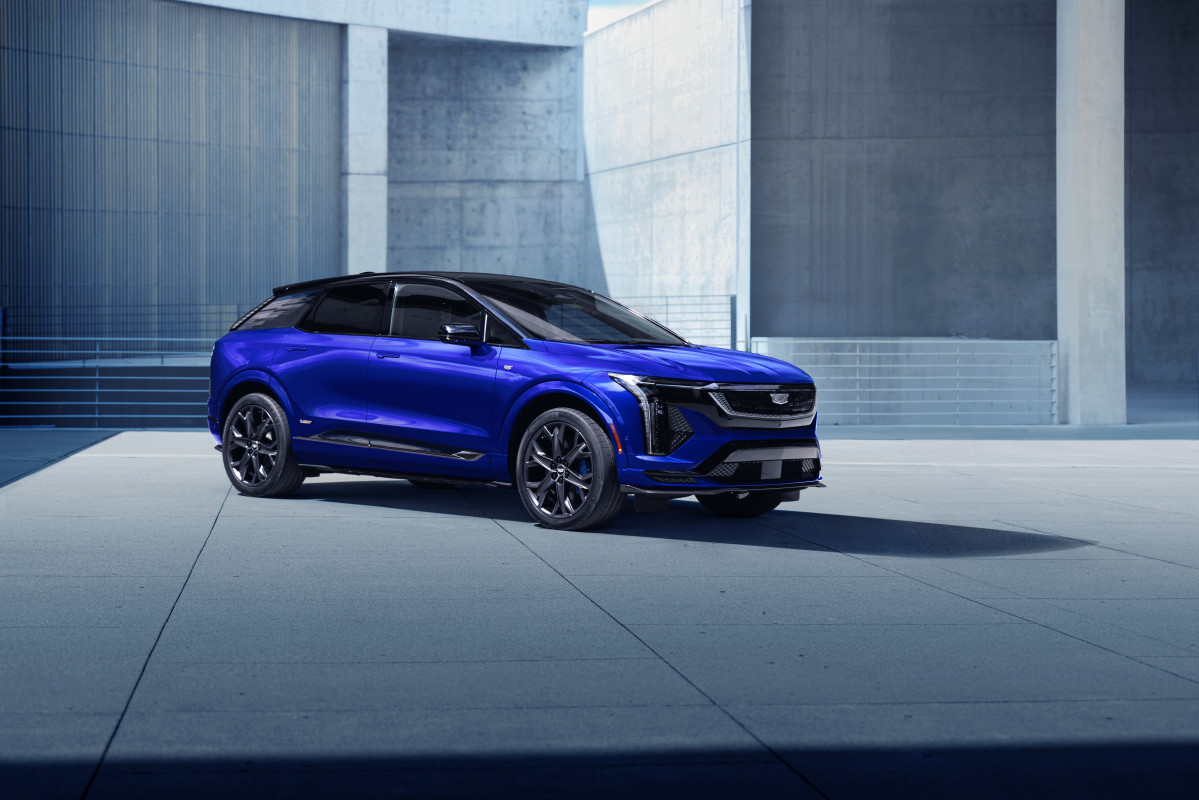
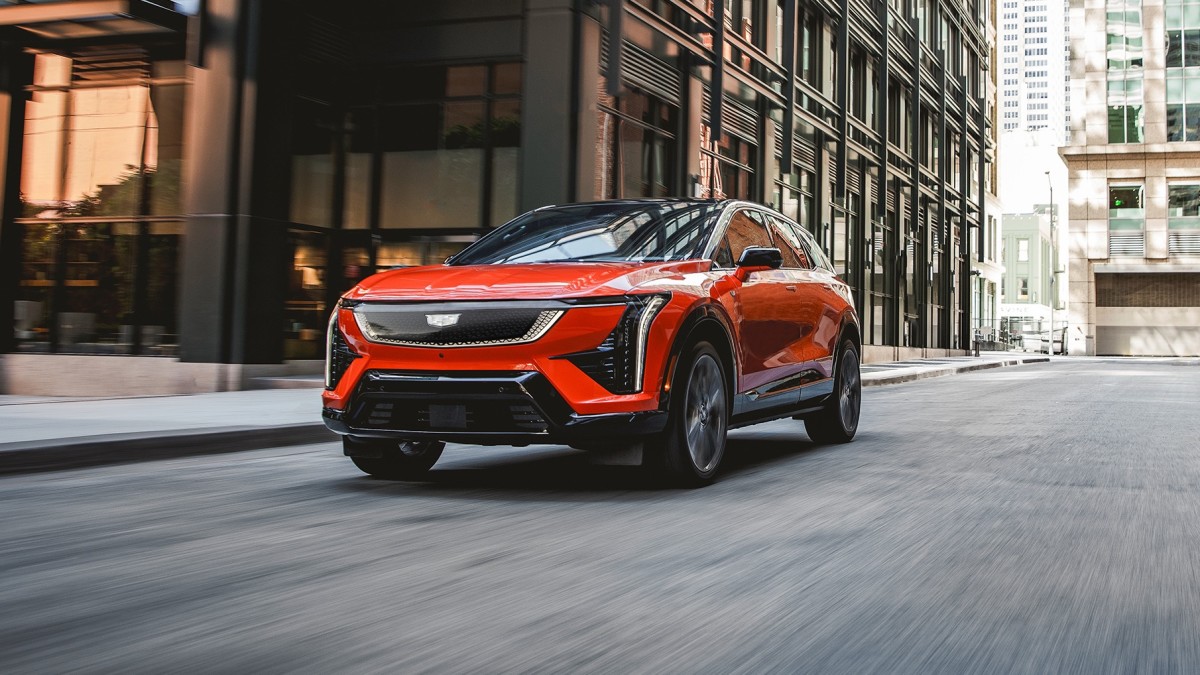
Surprisingly, a few automakers have bucked the downturn, including Lucid, Maserati and Cadillac. All three brands focus on high-line products, most of which didn’t qualify for tax credits, anyway. Caddy, in particular, benefited from the launch of two new models last year – the automaker now having five EVs in its portfolio, starting with the $54,000 Optiq and topping out with the $340,000, largely hand-built Celestiq. All told, 50,065 new Cadillacs were registered in the U.S. in 2025, a 73% year-over-year increase. More importantly, it maintained positive momentum after the tax credit phase-out, said S&P, the numbers rising 12% in December.
Related: 2026 Cadillac Celestiq Now Costs More Than Rolls-Royce Spectre
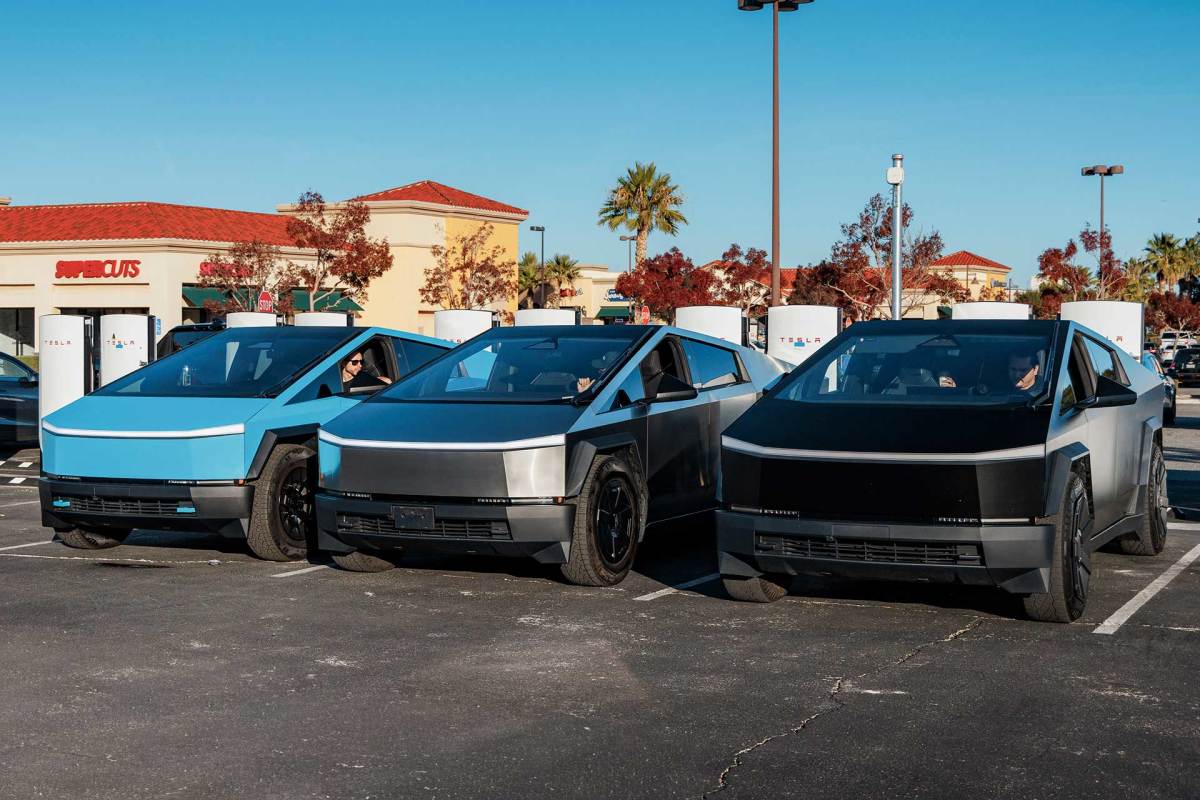
On the flip side, the big loser last year was Tesla, which saw U.S. registrations dip 6.8% for the year and 35% in December. Tesla faced challenges in virtually every market, from Beijing to Boston to Berlin, worldwide sales falling to 1.64 million in 2025. Its market share dropped 3.1 percentage points to 44.9%. Meanwhile, it lost its long-standing crown as global king-of-the-EV-hill to BYD, the Chinese maker selling 2.2 million EVs last year, even without a presence in the American market. “Tesla was the largest and had the most to fall,” said Brinley. It also had the oldest product line-up and suffered several big misses. Demand for the much-maligned Cybertruck fell by half, even as the long-awaited refresh of the Model Y, it’s top-selling product line – failed to generate the anticipated enthusiasm.
Unplugged Performance
Related: Tesla U.S. Sales Fall for Fourth Straight Month in January
What Now?
The big question is whether EV sales in the U.S. can recover. There’s still plenty of momentum abroad, especially in China, and that country’s low-cost EV exports are picking up traction in Europe, Latin America and plenty of other markets. Several factors will come into play. “As more EVs come out and the infrastructure continues to grow there is an opportunity for growth” to resume, said Brinley.
David Paul Morris/Bloomberg via Getty Images
There’ll actually be fewer new EVs in the near-term than once forecast. Mazda is delaying its home-grown EV by two years. Nissan is not only delaying planned models but has pulled the Ariya off the market for at least one year, allowing it to focus on the third-generation Leaf. Volkswagen has likewise halted sales of the Buzz microbus until 2027. And Ford not only canceled plans for a 3-row SUV but halted production of the F-150 Lightning in December. And the massive Blue Oval City project near Memphis now will produce gas models, rather all-electric trucks.
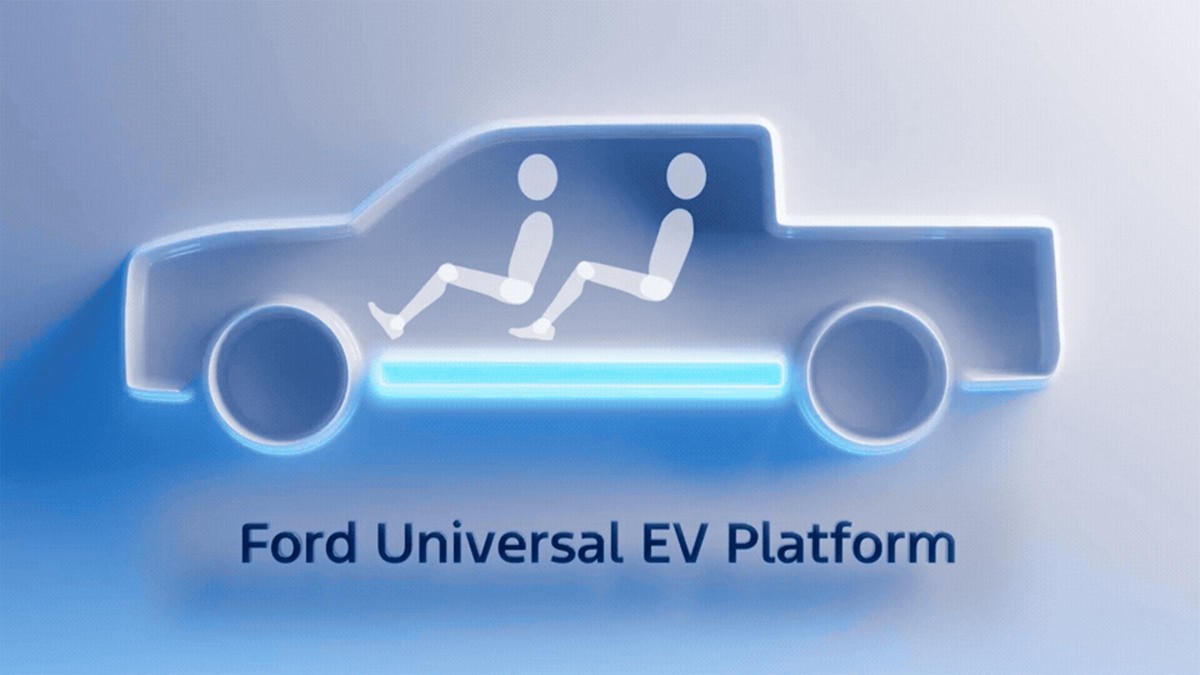
But Ford isn’t walking away from the EV segment, just changing strategy. It will bring out a new generation of compact models, the first “Universal EV,” a Maverick-sized pickup, due out in 2027. Significantly, Toyota, long an EV skeptic, has three new models coming to market over the coming year, starting with the bZ Woodland and C-HR, then following with the Highlander EV that debuted this past week. The Japanese giants EV partner, Subaru, will launch two more all-electric models of its own, this year.
Ford
There’s a general consensus that U.S. battery-electric sales will bottom out sometime this year and then start to regain momentum. Both S&P Mobility and AutoPacific, Inc. anticipate things will look brighter by decade’s end – agreeing on a 2030 target of 12% market share. That would be welcome news to manufacturers who have been investing tens of billions of dollars into the segment – Ford CEO Jim Farley last week anticipating his company will finally get its EV program into the black by 2029. But it’s anyone’s guess if or when battery cars will come close to the sort of market share, roughly half, targeted by the Biden administration.