EV Range and Charging Speed Have Always Been the Biggest Hurdles
For all the progress electric vehicles have made over the past decade, range anxiety and charging speed remain two of the biggest barriers to wider adoption. Automakers have repeatedly promised breakthroughs that would make charging an EV nearly as quick and convenient as filling up with gasoline. Some companies are even developing ultra-fast charging systems that could dramatically reduce waiting times, but these technologies are still slowly making their way into production vehicles.
Now, Chinese EV giant BYD claims it has taken a major step toward solving both issues with the introduction of its next-generation Blade Battery 2.0. Revealed during the company’s “Disruptive Technology” event, the new battery promises more than 1,000 km (621 miles) of pure electric range under CLTC testing, along with extremely rapid charging speeds.
According to the company, vehicles equipped with the new battery can charge from 10% to 70% in just five minutes and reach 97% in around nine minutes, potentially bringing EV charging times closer to traditional refueling than ever.
BYD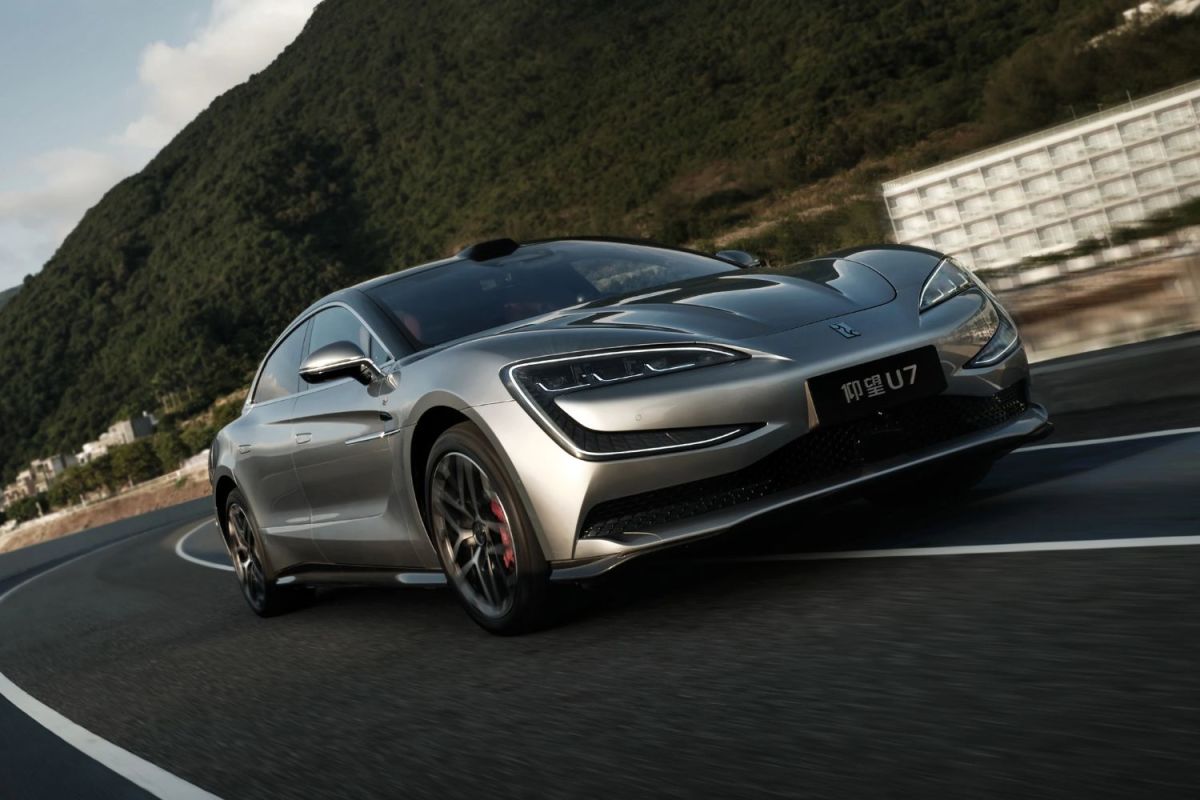
BYD Says Its New Battery Solves the Range-Charging Tradeoff
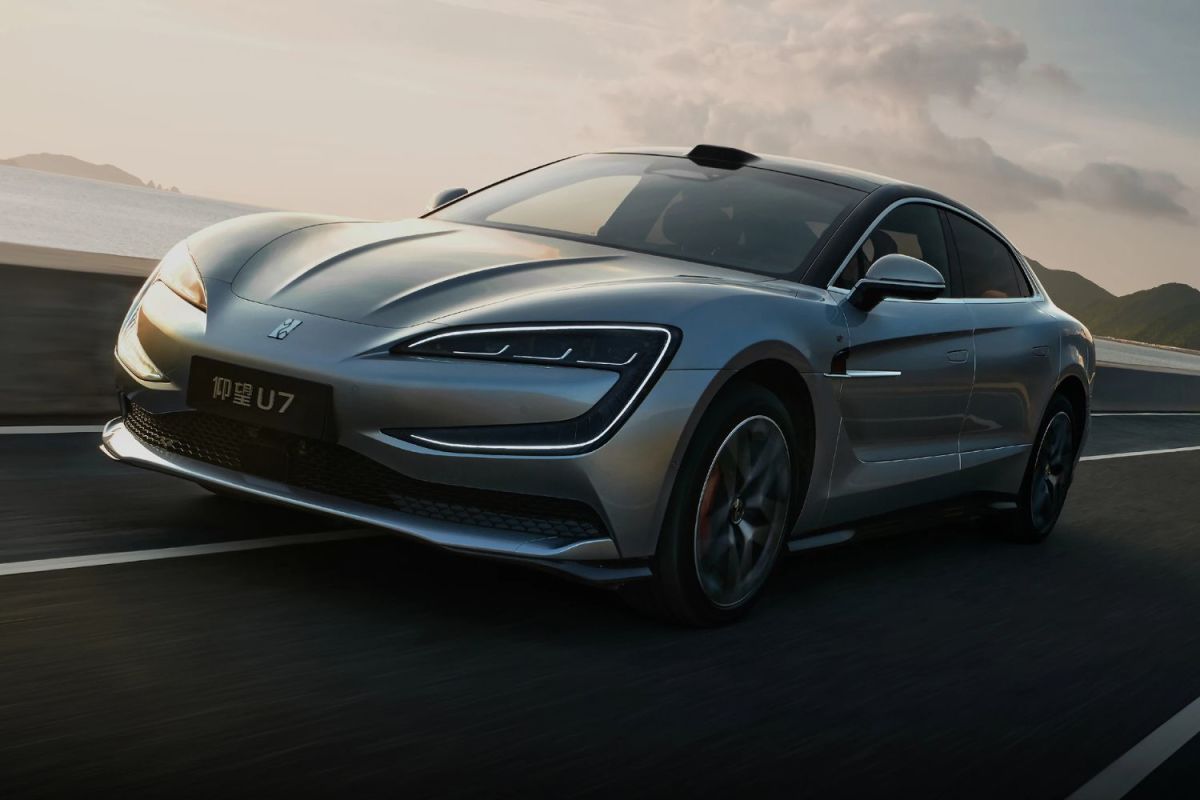
The new Blade Battery 2.0 represents a significant improvement over the original Blade Battery introduced in 2020. BYD says the updated system combines a 150 kWh battery pack, a high-voltage architecture, and upgraded thermal management to overcome the long-standing tradeoff between performance, range, and fast charging. The technology will debut in the Yangwang U7, BYD’s luxury flagship EV, which reportedly delivers 1,006 km (625 miles) of CLTC range on a single charge.
Fast charging has long raised concerns about battery longevity, as higher charging speeds can accelerate degradation over time. Battery manufacturers have been working to address this issue, with some claiming modern packs could handle extreme fast charging for over a million miles with minimal degradation.
Meanwhile, other EV owners have also experienced the opposite end of the spectrum, with some models criticized for extremely slow charging that can take up to 24 hours under certain conditions. BYD says the Blade Battery 2.0 has also passed strict safety tests, including nail penetration and bottom impact tests designed to demonstrate its durability.
BYD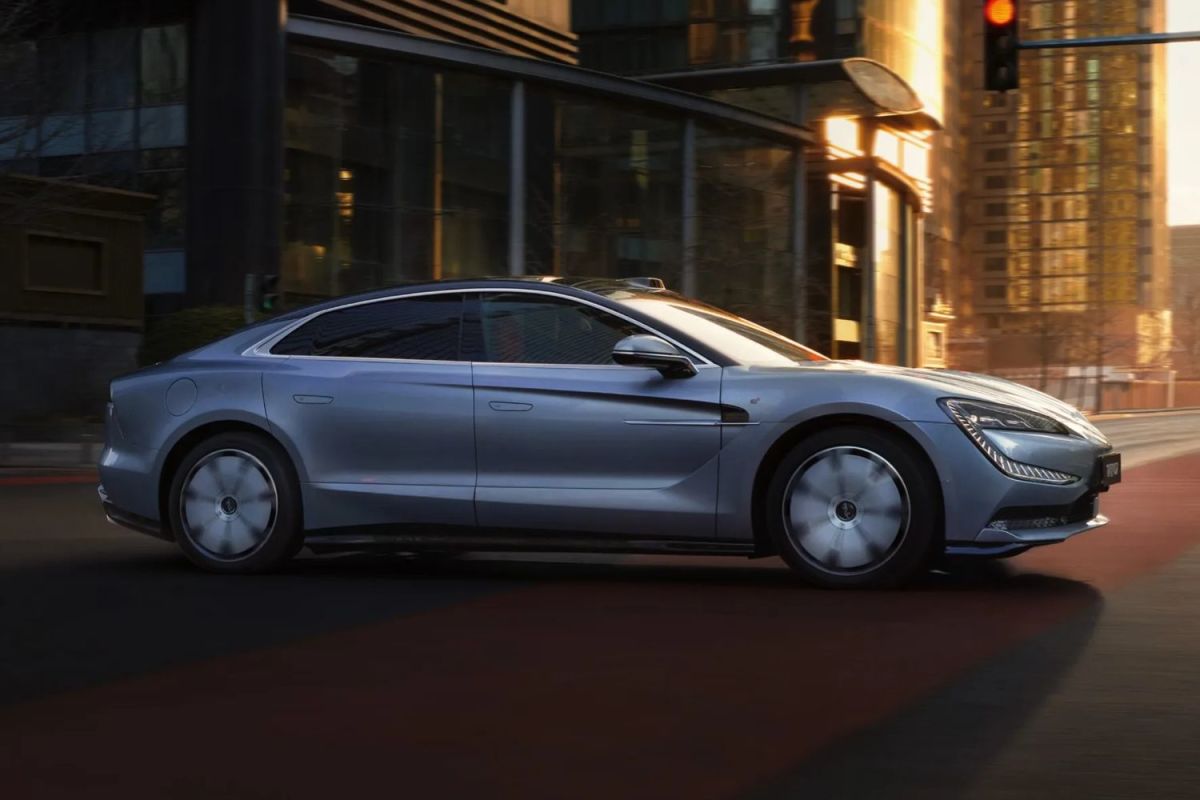
A Step Forward While Solid-State Batteries Remain Distant
Despite the impressive numbers, the Blade Battery 2.0 still operates within the limits of current lithium battery technology. For years, solid-state batteries have been considered the ultimate solution for EVs, promising dramatically longer range, faster charging, and improved safety. However, many automakers admit that widespread commercialization of solid-state technology may still be several years away due to manufacturing complexity and cost.
In that context, incremental improvements like BYD’s new battery could play a critical role in closing the gap. While a 1,000 km (621 miles) range and sub-10-minute charging may not yet match the theoretical capabilities of solid-state batteries, advances like these show how quickly lithium battery technology is evolving.
However, the hardware outside the car also matters. Even if vehicles can accept extremely high charging speeds, many charging stations, particularly in the United States, still lack the power delivery or infrastructure to support that level of electricity. Rather than a sudden technological leap, the future of EVs may arrive through steady improvements across both batteries and charging networks.
BYD