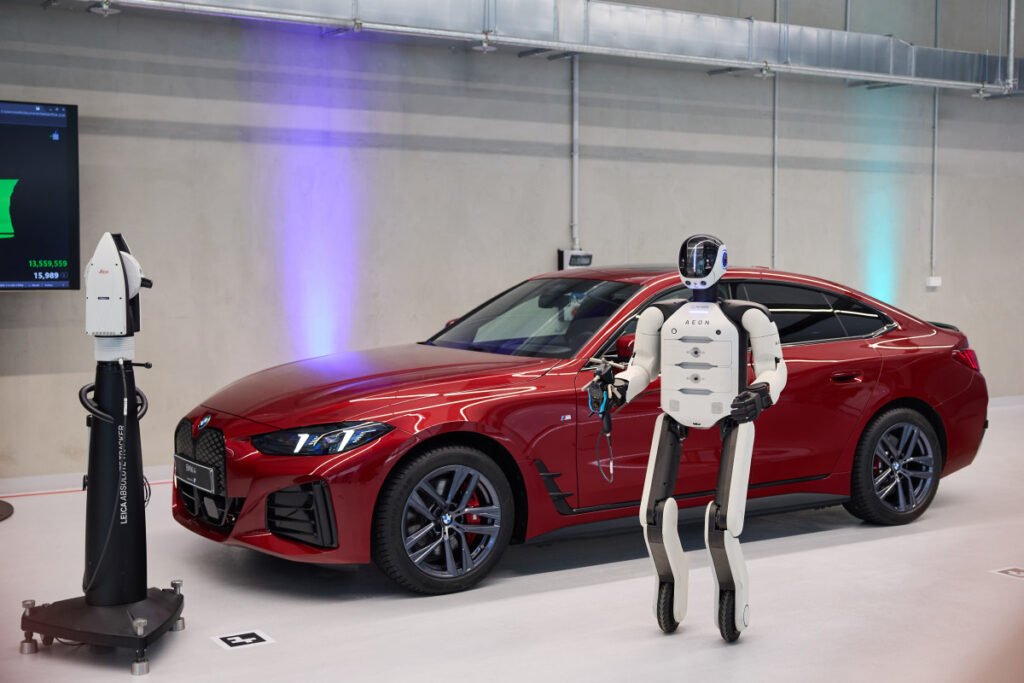
BMW is taking another step toward a more automated future by testing humanoid robots on a European production line for the very first time. The first batch of robots is being deployed in April at BMW Plant Leipzig, located in Germany, where a small group of machines is being integrated into real manufacturing work. In its official press release, BMW says the project is meant to bring what it calls “Physical AI” into everyday vehicle production while studying how the technology could scale across its global plants.
“Physical AI” Hits The Assembly Line
BMW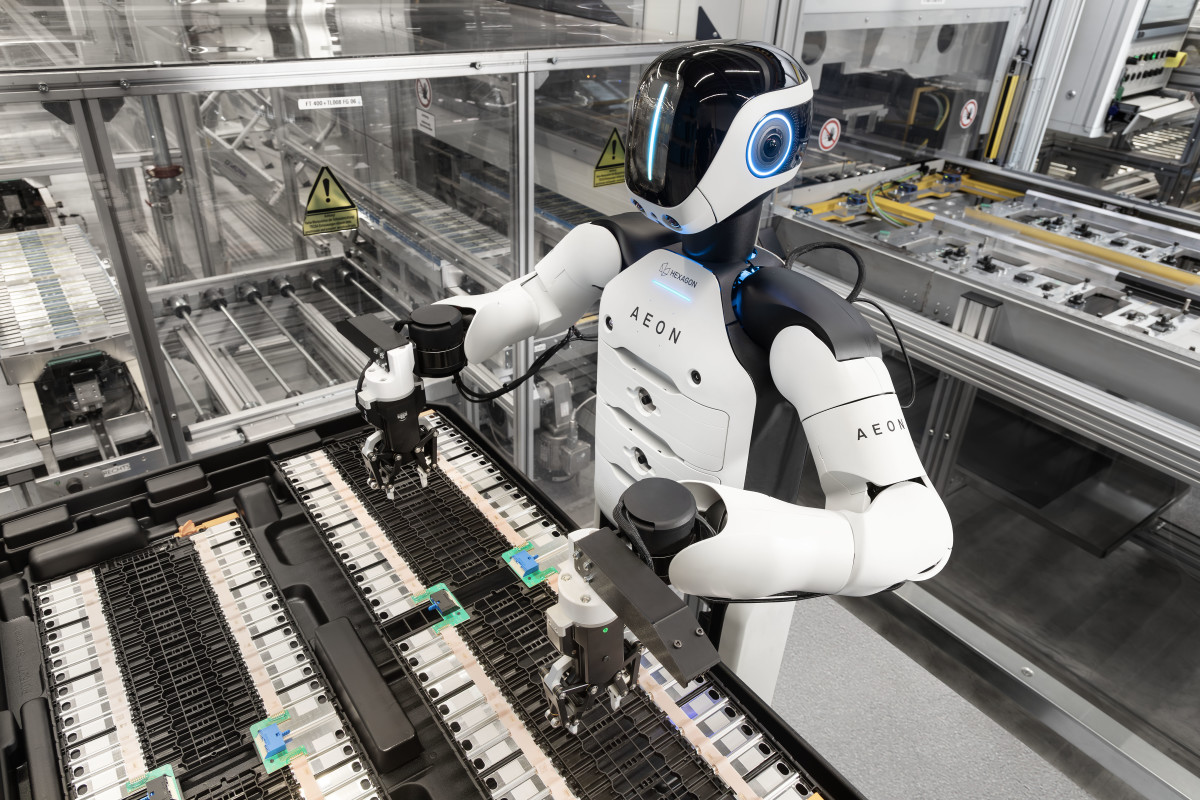
BMW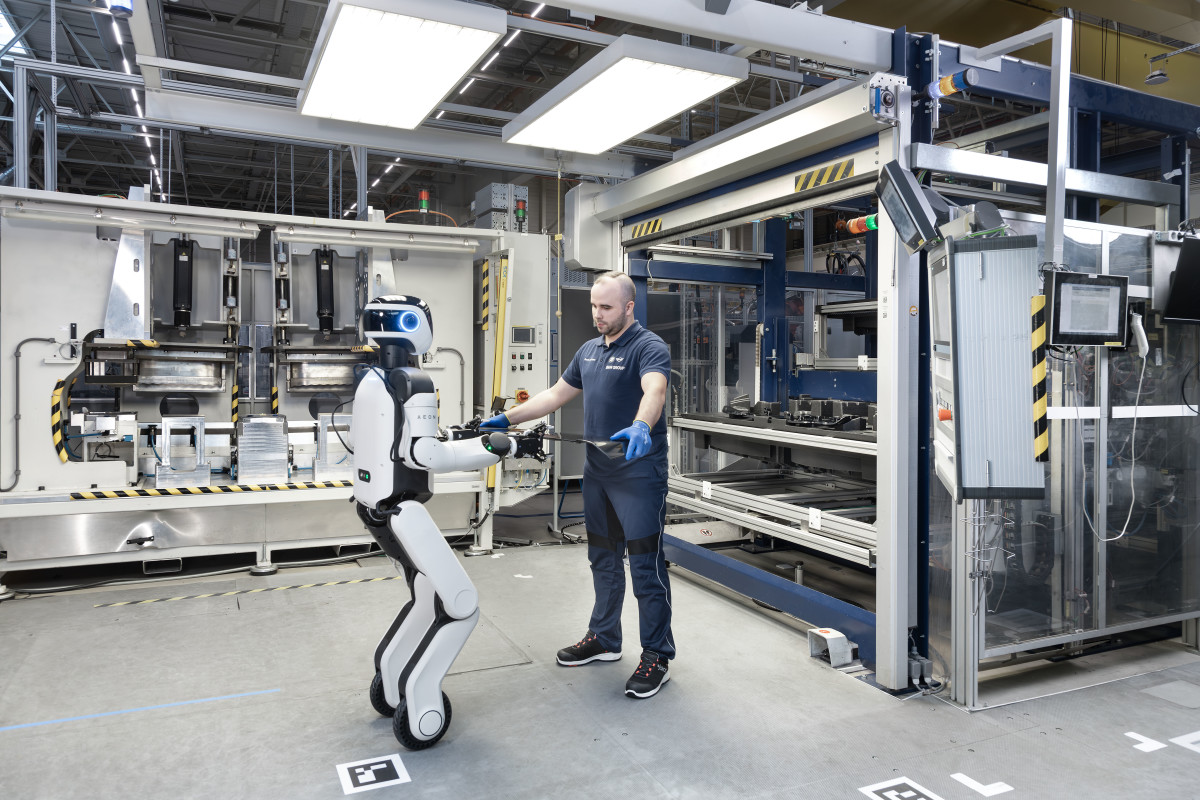
The robots come from Hexagon Robotics and are being evaluated in areas such as high-voltage battery assembly and component manufacturing. These tasks can involve repetitive movements, strict safety requirements, and heavy protective equipment for workers. BMW makes it clear that humanoid robotics is intended to support employees rather than replace them, particularly in jobs that are physically demanding. BMW says its robots will learn from real experience and gradually take on more complex tasks. Systems like this can also help manufacturers react faster to unexpected disruptions. For instance, BMW recently recalled nearly 59,000 cars over a potential fire risk, and more flexible AI-driven production could make responding to – or preventing – situations like that easier in the future.
BMW Already Tried This Once
BMW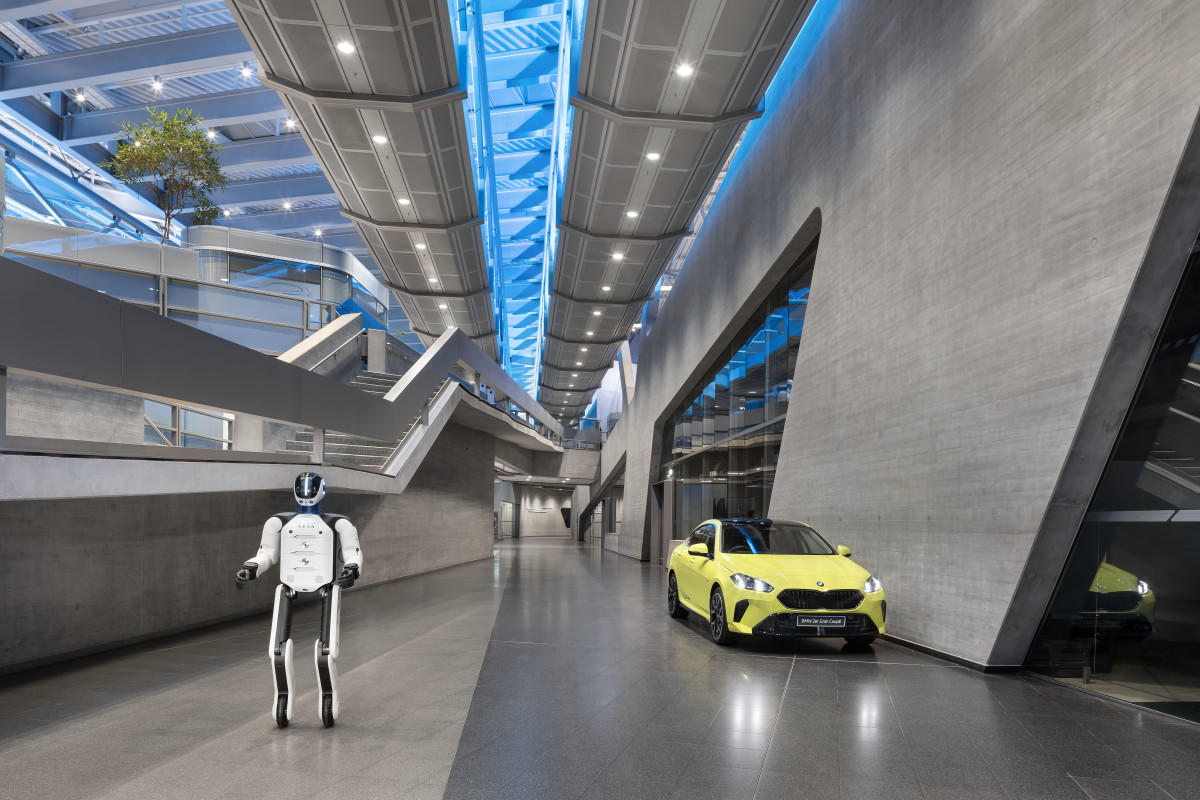
BMW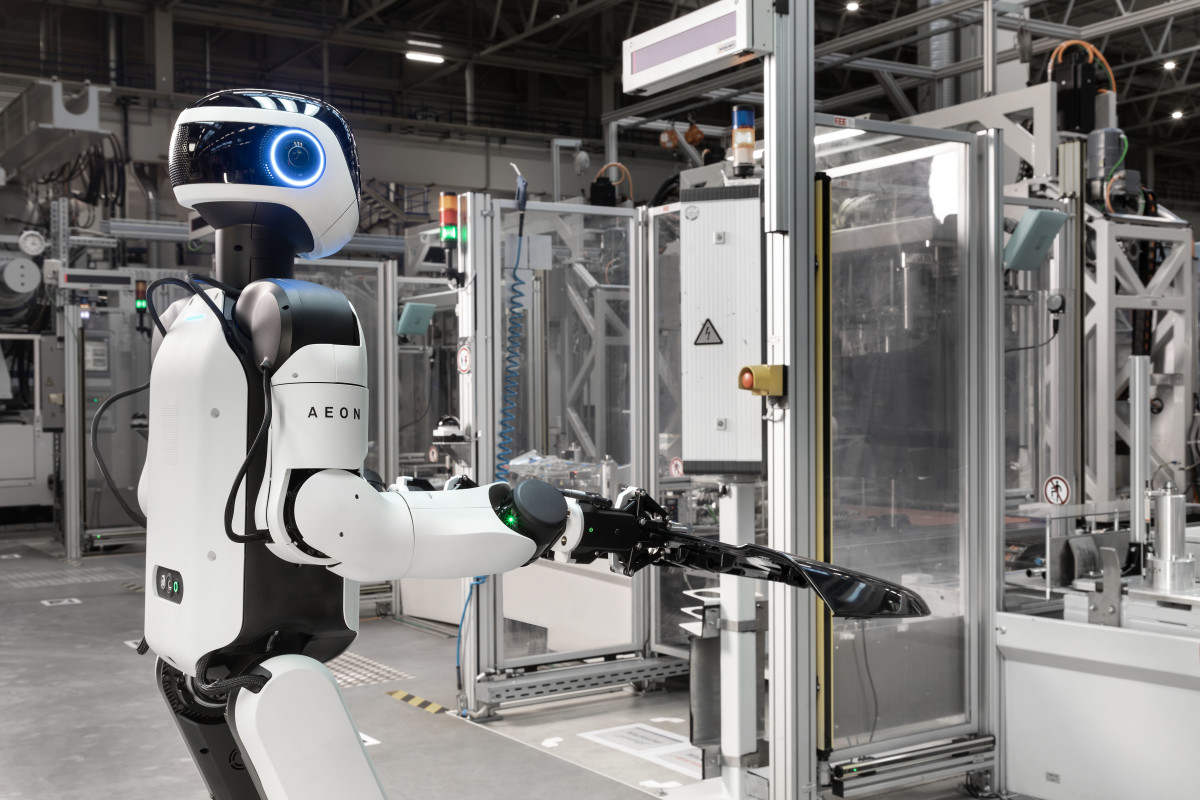
This European test isn’t the first time BMW has dabbled in the art of using humanoid robots, either. In 2025, at the BMW Spartanburg Plant in South Carolina, robots worked regular shifts on the production line, supporting the manufacture of more than 30,000 units of the BMW X3. It handled tasks related to positioning sheet metal components for welding, a process that requires both precision and endurance. BMW says the trial showed that robots trained in controlled environments could transition into real factory conditions faster than expected. That experience is now helping guide the rollout in Europe. Just imagine the possibilities if factories like BMW’s Regensburg Plant, which recorded a production high of 356,901 vehicles in 2025, had help from “Physical AI.”
BMW’s AI-Assisted Balancing Act
BMW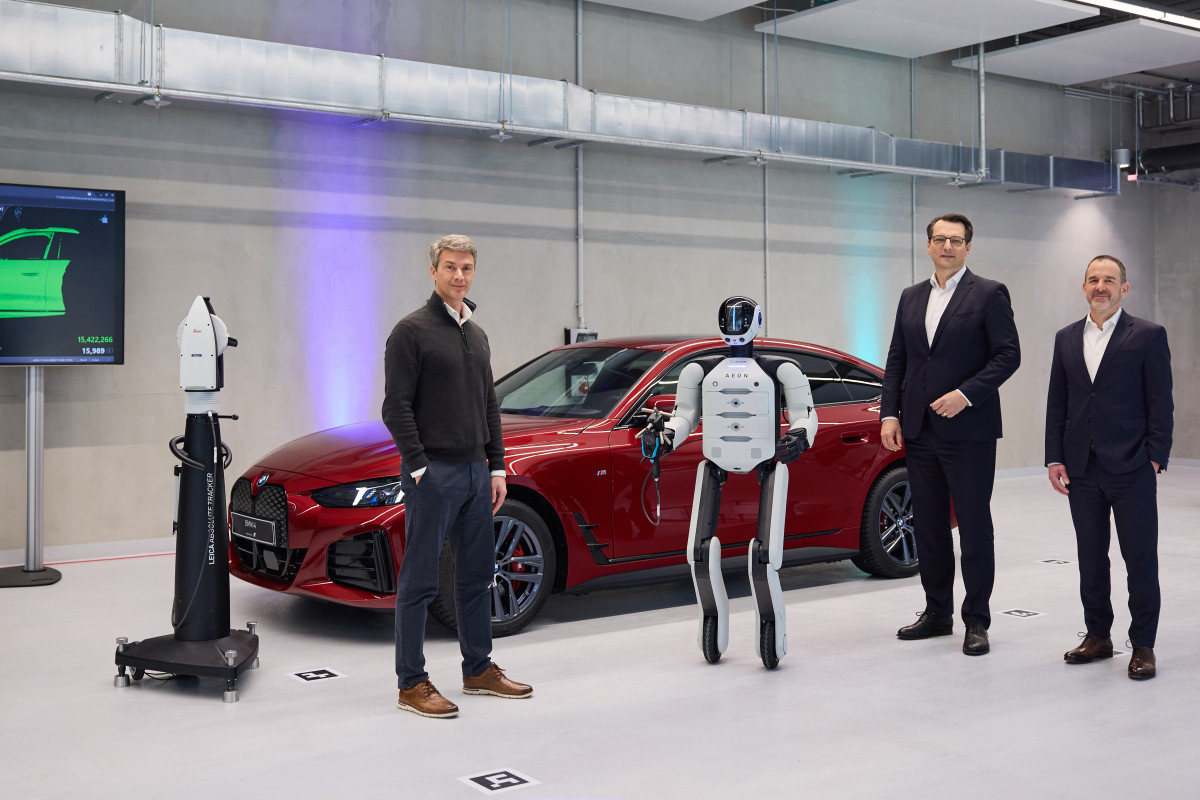
BMW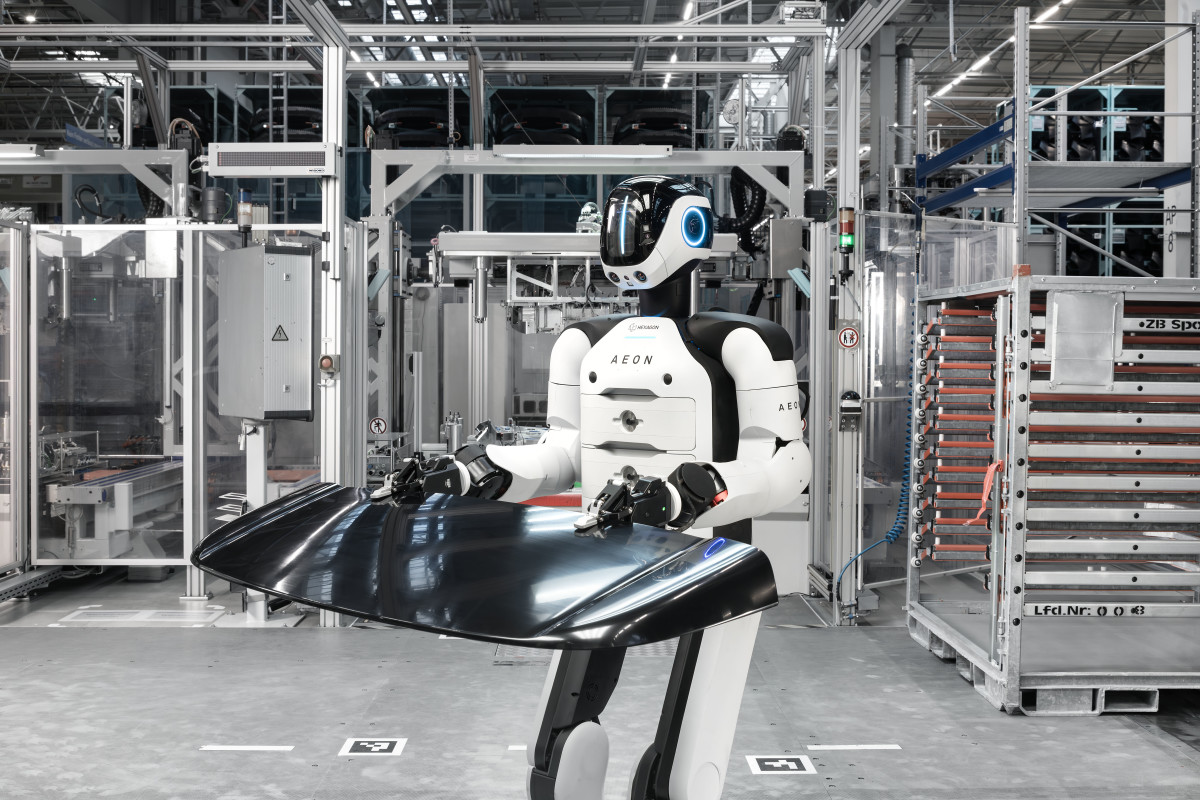
The Leipzig test is only one part of a much larger transformation happening across BMW’s manufacturing network. BMW definitely needs no help from humanoid robots to keep its head above water; locations like the Hams Hall Plant have survived for more than two decades and built over 7.6 million engines without the need for any AI-assistance. But with more EVs like the upcoming BMW i3 on the way, and more than 40 new models planned by 2028, having robots involved in the production process will give BMW an advantage among the German giants. That said, this strategy will only pay off if these robots serve to complete routine and dangerous tasks to increase efficiency, without making factory work redundant.