Canada Opens the Door, Buyers Walk Through
A new Bloomberg survey suggests Canadian car buyers are increasingly open to purchasing China-made vehicles, and the timing makes sense. Canada has begun allowing a limited number of Chinese car imports into the country under reduced tariffs, giving consumers a chance to actually consider these vehicles as a realistic option. BYD, the Chinese EV giant that has already made serious inroads in Europe and Australia, is among the brands generating growing interest north of the border.
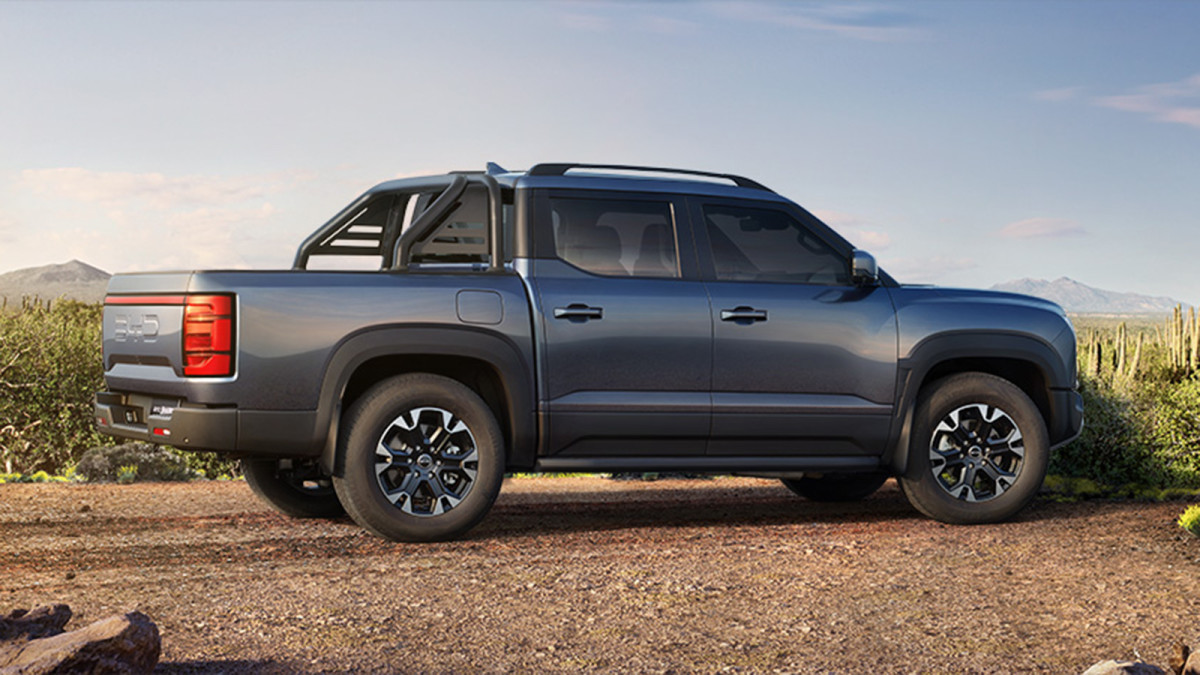
This shift didn’t happen overnight. Canadian buyers, like consumers everywhere, respond to availability and price. When affordable alternatives show up in the market, people pay attention, and right now, Chinese EVs are offering specs and price points that are difficult to ignore on paper. Among the few vehicles that BYD is likely readying for the Canadian market, the BYD Shark midsize truck, for example, could also prove to be popular with American buyers with its plug-in hybrid 430hp AWD drivetrain, 522-mile combined driving range, and roughly $50,000 price tag – a hard deal to pass up, by any standards.
What’s Keeping Chinese EVs Out of American Driveways
South of the border, the story is very different. The United States has maintained steep tariffs on Chinese electric cars, effectively keeping brands like BYD off American lots entirely. The argument from Washington is straightforward enough in principle, that protecting domestic manufacturing preserves jobs and shields the industry from unfair competition backed by state subsidies.
There is something to that argument. Chinese automakers have benefited from enormous government support, and competing against that on a level playing field is genuinely difficult for companies carrying the full cost burden of operating in a free market economy.
BYD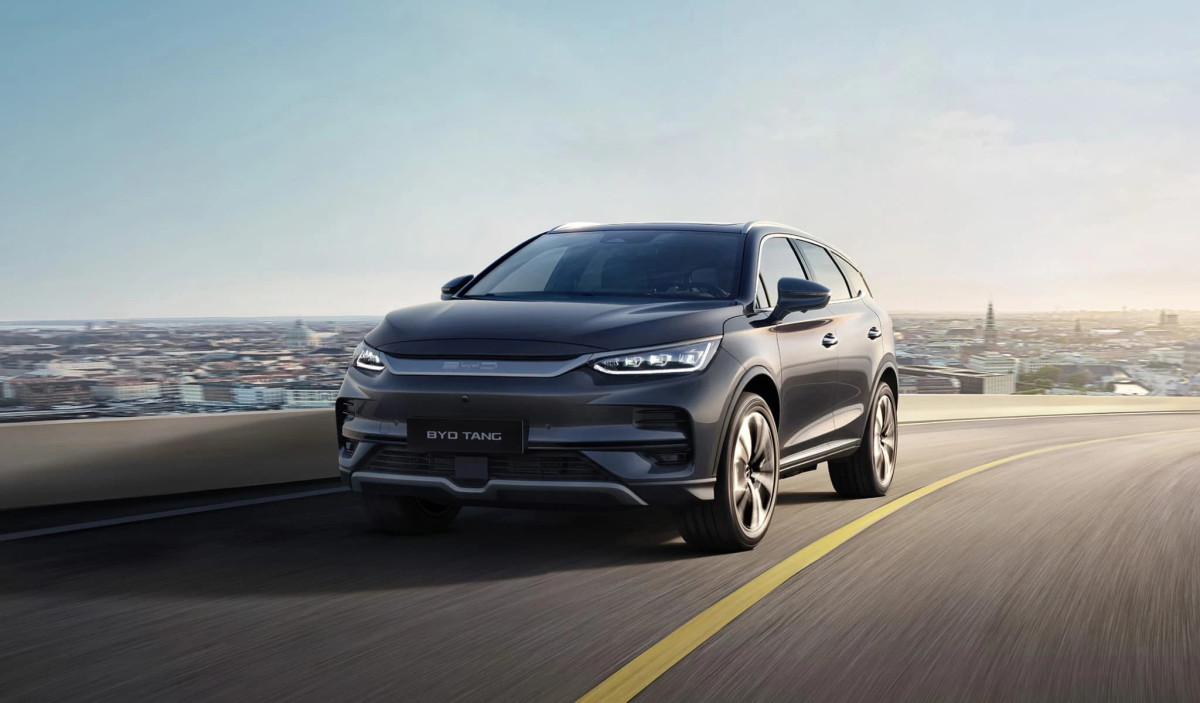
Protection or Price Gouging?
But the other side of that argument deserves equal scrutiny. American car buyers are currently paying some of the highest vehicle prices in recent memory, with the average new car transaction sitting well above $50,000. Tariffs that were designed to protect an industry may also be functioning as a shield that allows established automakers to keep prices elevated without facing meaningful competitive pressure.
The question worth sitting with is a simple one. Are these tariffs protecting American workers and innovation, or are they protecting profit margins at the expense of ordinary buyers who just need affordable, reliable transportation?