The Reality of Buying New
Let’s face it, new car prices are astronomical. With most models now affordable, car buyers are struggling to fathom the sticker prices displayed across American dealerships.
A lot of people are weighing in on the issue, especially in government. Some say it’s the fault of the environment and safety regulations, others say the tariffs are to blame. A study has gone deeper into understanding what’s causing the price increase.
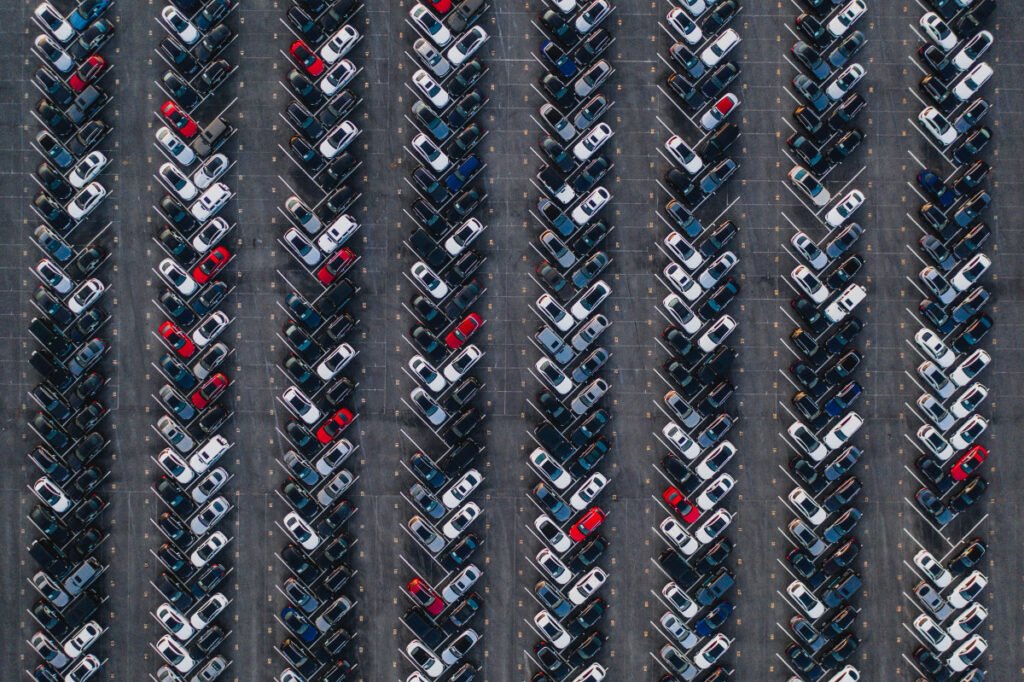
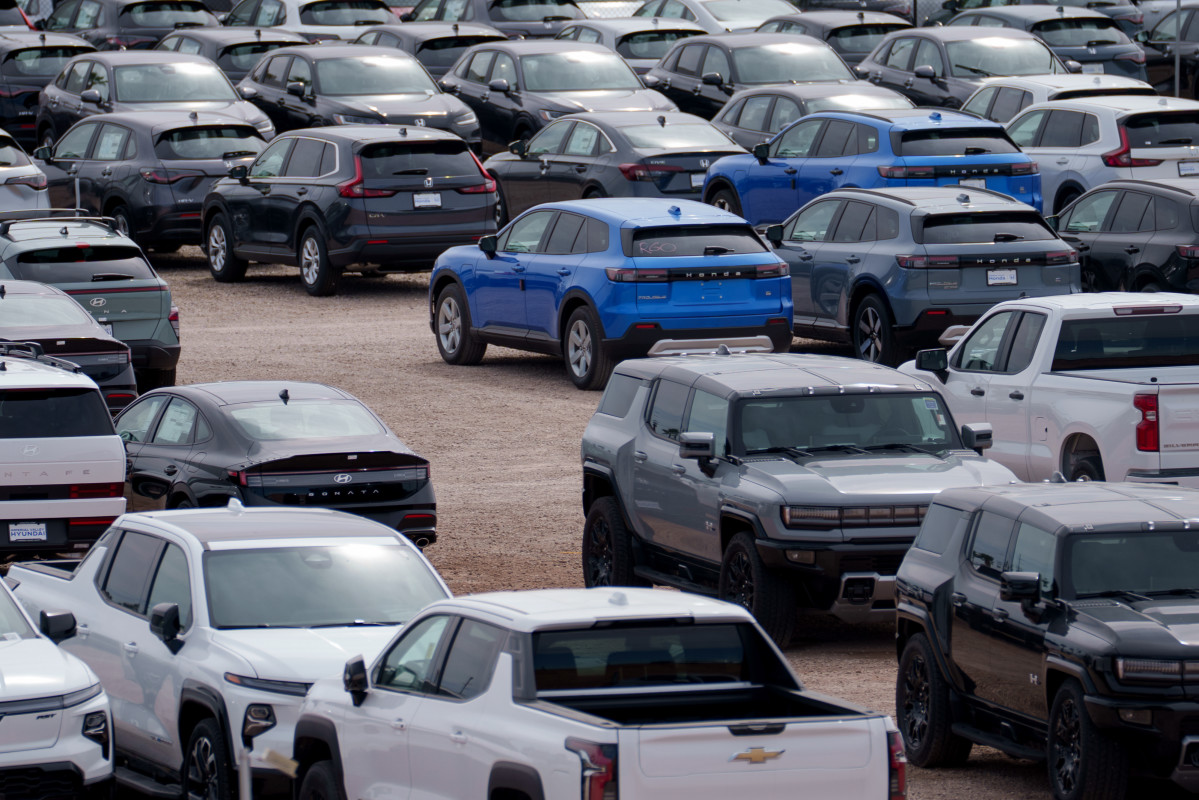
Reuterstook a more in-depth look at the sales figures and found a more market-driven answer. According to their findings, the main culprit behind the steady rise in car prices is that manufacturers are offering far fewer budget options than in previous years. Dealerships are being filled up with bigger, more feature-packed vehicles, raising the average price to around $47,000.
No More Budget Options
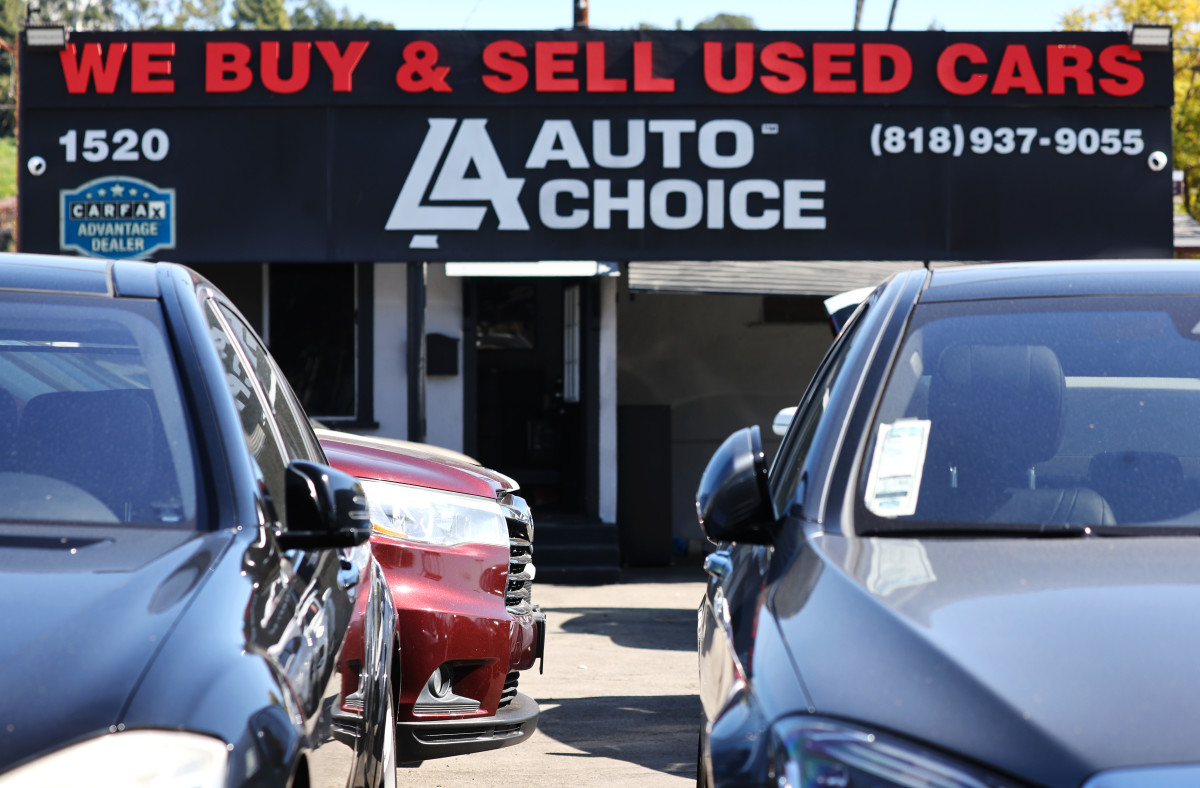
The report stated that this trend has pushed new car buying more towards the higher-income segment of the population, while the middle to lower classes are looking more towards used car lots.
Cited was an example: a woman from Delaware whose current lease on a Ford Mustang Mach-E is almost up. She claims she’s struggling to find affordable options to replace her current plan, even saying her current $700 payments are already high.
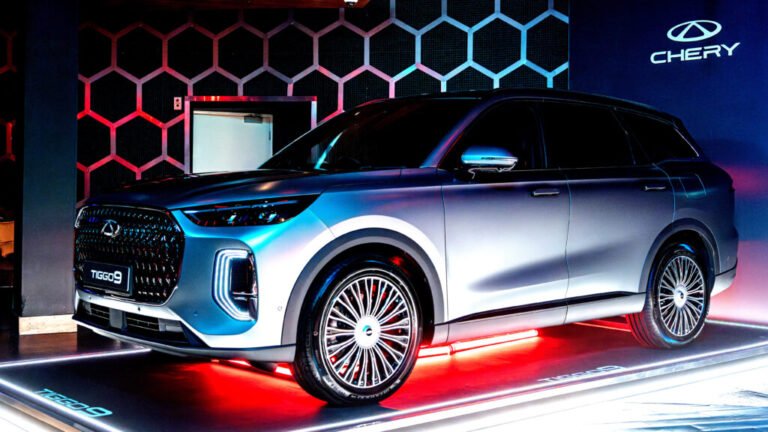
Another risk of this continued price increase is the threat of foreign carmakers possibly entering the U.S. market. Should Chinese carmakers enter, they would severely undercut the competition, as they do in all other global markets, leaving U.S. brands vulnerable. The government is trying to take the issue seriously, with the Trump administration citing prices as a rationale for weakening fuel-economy standards.
Adobe Stock Photo
The Bigger the Car, The Bigger the Profit
Further data analysis indicates that in 2010, there were 25 models priced at $20,000; last year, the equivalent $30,000 price point featured only 20 models. Over the past few years, households earning $100,000 or less accounted for 50% to 60% of new-car buyers. Last year, this bracket of the population accounted for only 36% of all new car sales.
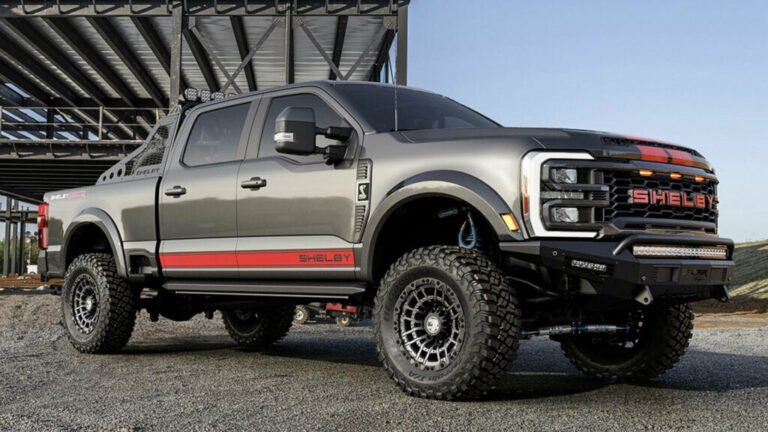
It’s simple, really. Detroit automakers make more money with bigger, more feature-packed cars. When it comes to profit margins, large SUVs and pickups can earn 20% per model sold, compared with smaller economy options. Some brands, though, have said they’re coming out with more affordable options in the coming years. We’ll just have to wait and see whether they keep their word.