Ford Australia has agreed to pay $390.5 million AUD (about $260 million USD) to settle a class action covering 73,451 Focus, Fiesta and EcoSport models sold there between 2010 and 2017, subject to Federal Court approval. American owners cannot claim from it, but anyone who drove a 2011 to 2016 Fiesta or 2012 to 2016 Focus in the US will recognize the PowerShift dual-clutch gearbox at its center, making this a second, far larger invoice for an old problem.
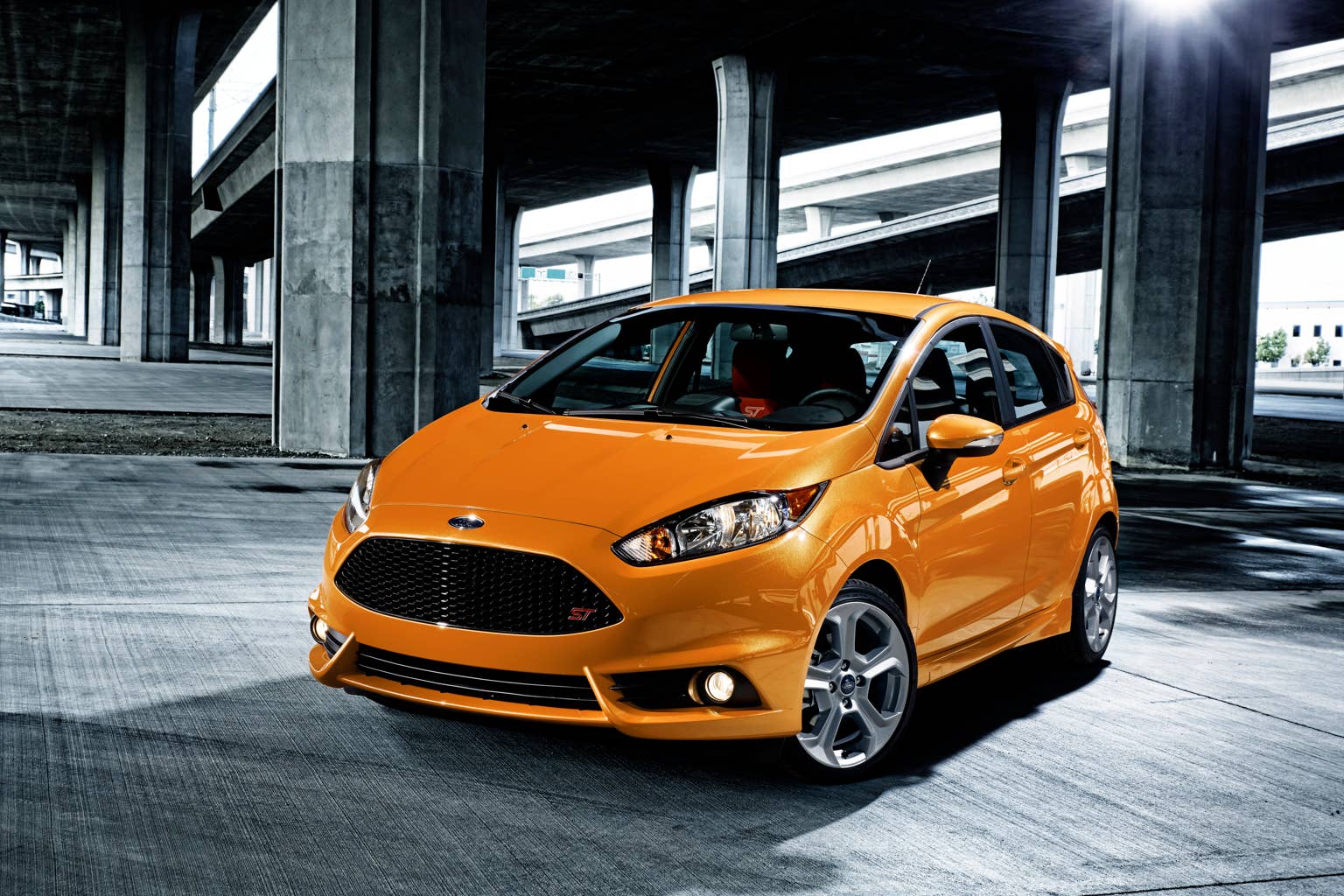
2017 Ford Fiesta ST
How the US Case Settled for Far Less
The American case, Vargas v. Ford Motor Company, ran through 2019 and 2020, when an initial $35 million deal was appealed and scrapped for favoring lawyers over drivers before a revised settlement won final approval in March 2020. It covered roughly 1.9 million vehicles with repair reimbursements, cash of up to $250 and buybacks of up to $22,000, and most claim deadlines expired by October 2020. Spread across that many cars, the original $35 million works out to about $18 a vehicle, which shows how thin that first offer really was.
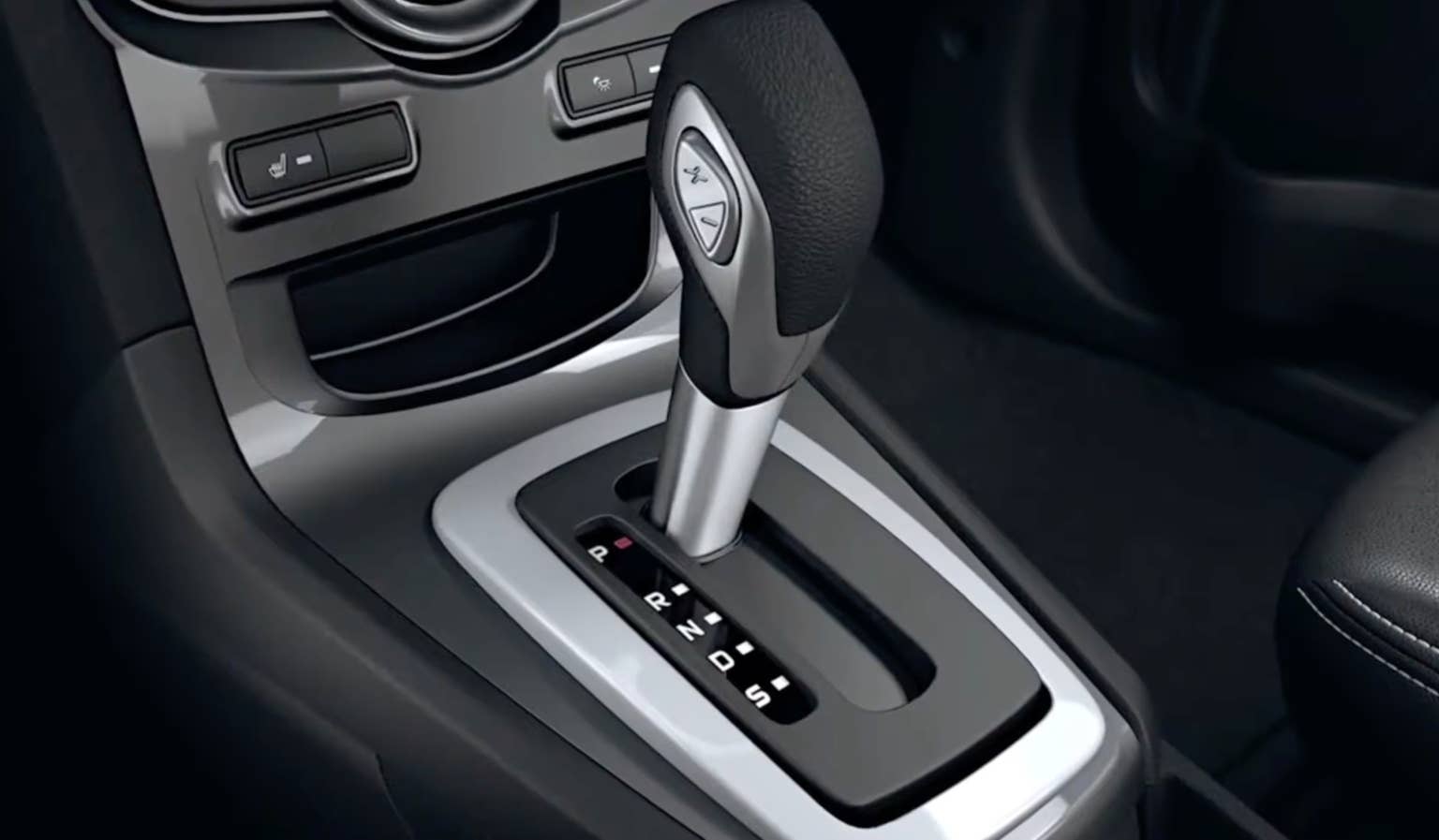
Ford
Ford acknowledged in court filings spending almost $48 million to buy back 2,666 cars, roughly $18,000 each, and with staff telling the Detroit Free Press the problems were known before launch, it is easy to see why most states demanded three or four failed repairs before a buyback.
Why Ford Owes $260 Million
Divide $260 million by 73,451 vehicles and each car carries roughly $3,550 on paper, though the law firm and litigation funder want $27 million plus a commission and the class now reaches owners who acquired cars as late as December 2024, so real payouts will land lower, yet still far above the $18 a vehicle implied by that first American offer.
The reason is Australian Consumer Law, under which the Full Court found in 2023 that the cars were not of acceptable quality, according to CarExpert, with about 64 percent suffering leaking input shaft seals, nearly 88 percent at risk of solder cracking in the transmission control module and nearly 94 percent fitted with inadequate clutch lining.
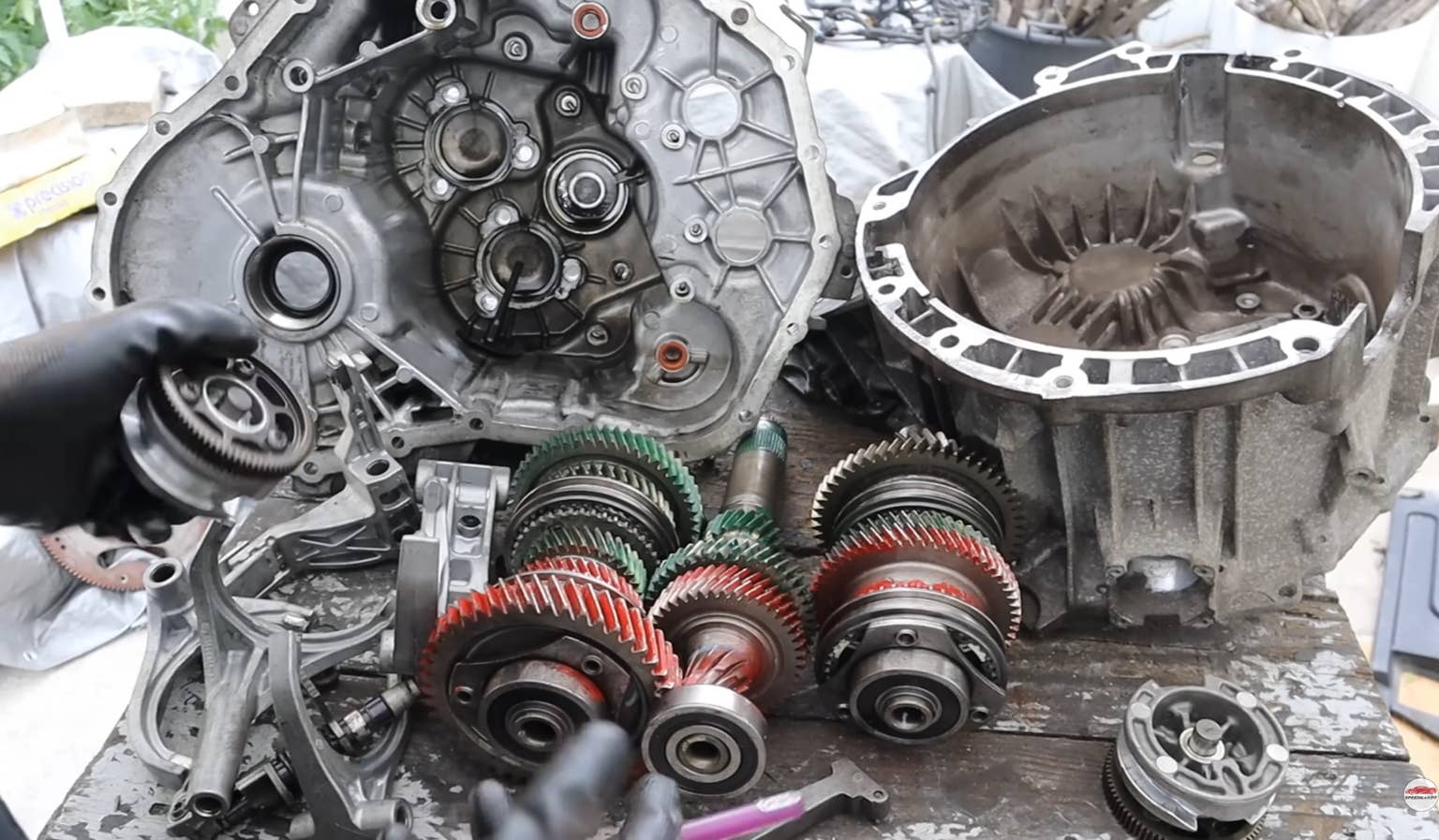
speedkar99/YouTube
Those findings match what one mechanic, speedkar99 on YouTube, saw after tearing down a unit, namely that the gears, forks and synchronizers are robust while the control module and clutch calibration are not, since software must imitate a driver’s feel for the pedal and, in the mechanic’s view, Ford never programmed it well enough, which explains cars that clunk, lose their gear or drop into neutral even after clutches, modules and whole transmissions are replaced. US owners past their claim window can still check their VIN for warranty extensions or service bulletins.