The Case for Forced Induction
While turbocharging sounds like equipment fitted mostly to racecars, many modern mass-market cars now come standard with it. Forced induction provides extra power that can come in handy when overtaking and climbing steep inclines, while allowing automakers to downsize engines for potentially better fuel efficiency and lower emissions.
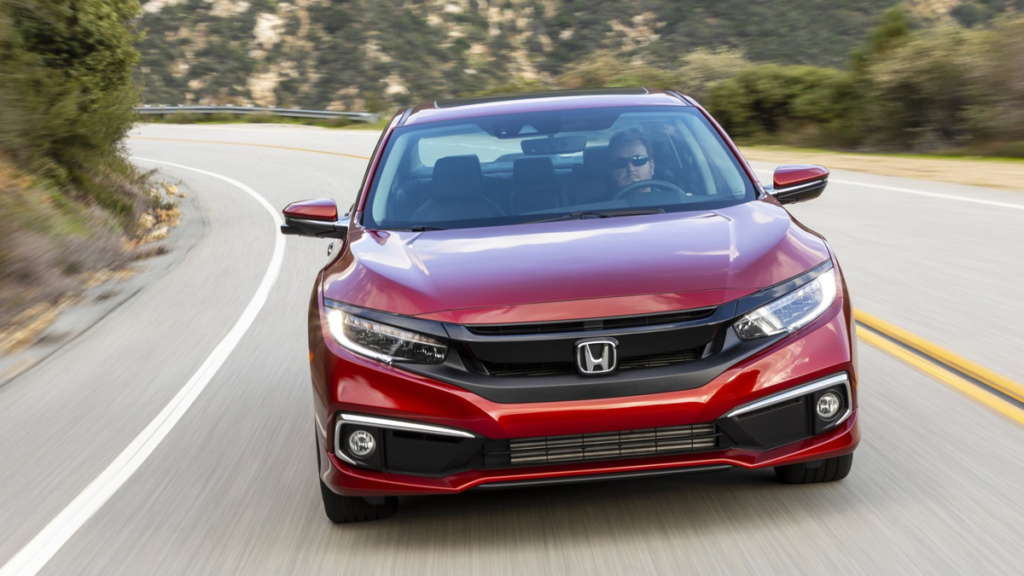
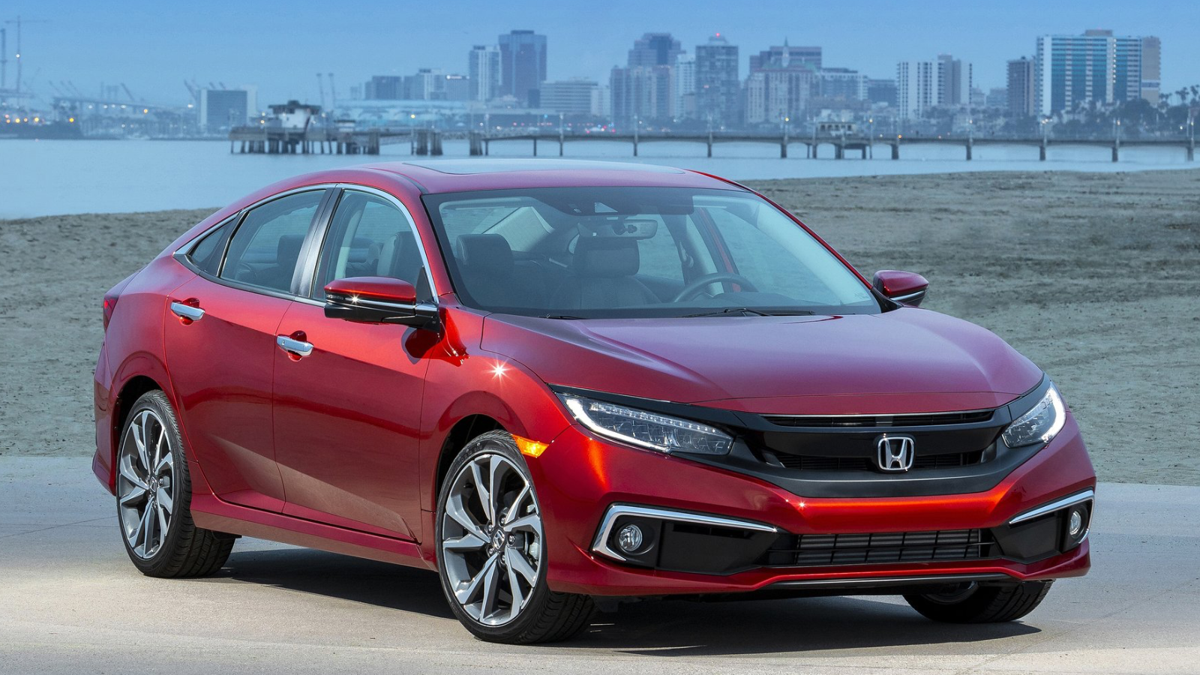
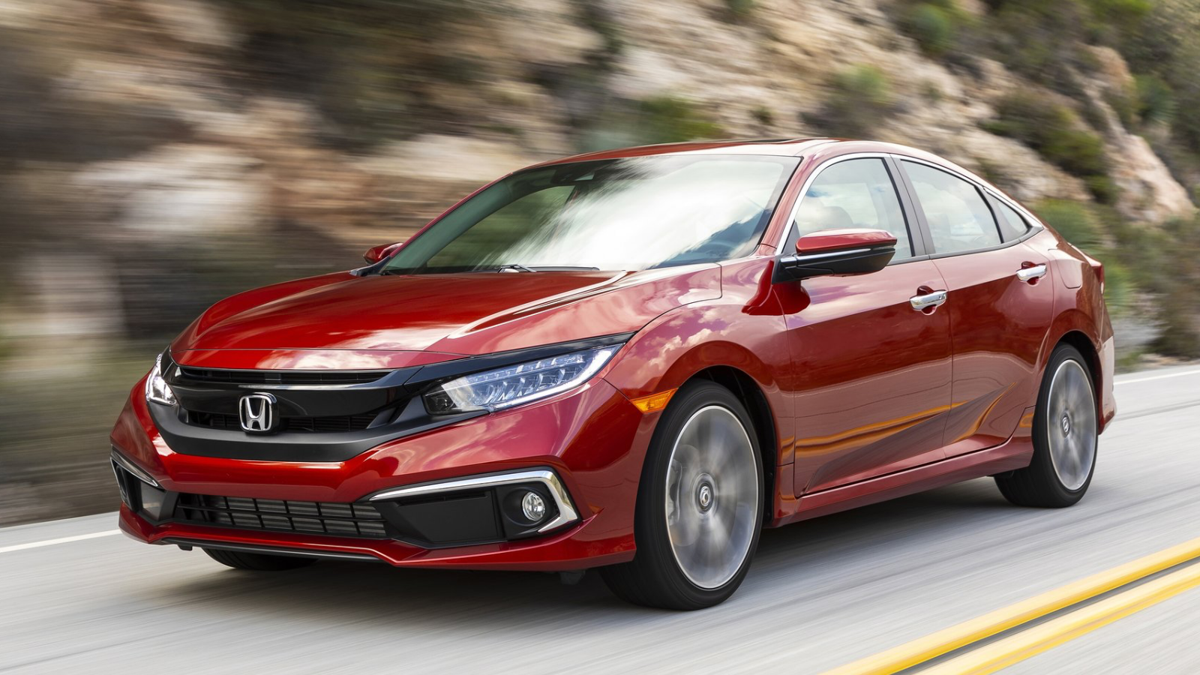
Opting for a turbocharged car may sound enticing, but it still has several drawbacks, as demonstrated in a 200,000-mile ownership comparison by TechDrive Daily. The comparison features two previous-generation 2019 Honda Civics, one with a 2.0-liter K20C2 naturally aspirated inline-four producing 158 horsepower and 138 lb-ft of torque, and the other with a 1.5-liter L15 turbocharged engine that produces 180 horsepower and 177 lb-ft of torque.
Honda
The Long Road to a Bigger Bill
Over 200,000 miles, the 1.5-liter turbo reportedly averaged 34.8 mpg, consuming 5,747 gallons of gasoline. At $3.50 per gallon, that amounted to $20,114 in fuel costs. The 2.0-liter naturally aspirated engine averaged 31.6 mpg, consuming 6,329 gallons and costing $22,151. That gave the turbocharged engine a $2,037 advantage.
However, maintenance costs ate into those savings. The K20C2 followed a 7,500-mile synthetic oil change schedule in the comparison, with routine maintenance totaling approximately $3,650. The L15 followed a 5,000-mile oil change schedule, partly due to concerns about oil dilution and turbocharger heat. Its maintenance bill reached $4,820.
The gap widened with unexpected repairs. The 2.0-liter mill needed just $710 for a replacement alternator, valve cover gasket, and belt tensioner. Meanwhile, the 1.5-liter turbo engine suffered cylinder misfires at 112,000 miles ($1,450), a blown head gasket ($3,800), and turbocharger failure ($1,650), totaling $6,900.
A teardown at 200,000 miles revealed further differences. The port-injected K20C2 had clean intake passages and healthy internals, potentially allowing another 200,000 miles with new rod bearings, a head gasket, and valve stem seals. The direct-injected L15, however, showed heavy carbon buildup, sticking compression rings, piston scuffing, and worn rod bearings. Repairs could require extensive engine work, including a cylinder head rebuild.
Ultimately, the 1.5-liter turbo cost $31,834 in fuel, maintenance, and repairs, compared with $26,511 for the NA counterpart. That’s $5,323 more over 200,000 miles.
Honda
The Turbo Tax
Given these results, the L15-powered Civic could be more appealing for short-term ownership. Once problems start cropping up, the fuel savings and extra power can be offset by higher upkeep costs. In contrast, the simpler NA engine could be the better choice for long-term ownership.
Today, however, hybrids are becoming increasingly common, especially in the U.S., so much so that Honda has dropped the 1.5-liter turbo from its U.S. Civic lineup in favor of an available hybrid powertrain. Like turbocharging, hybrid technology can introduce additional long-term expenses despite offering better fuel economy and performance, particularly when it comes to battery degradation and replacement.
On the bright side, Consumer Reports found that conventional hybrids averaged 15% fewer problems than gasoline-only cars. All this goes to show that when choosing a car, it’s important to look beyond the numbers on the spec sheet and consider long-term reliability and ownership costs.
Honda