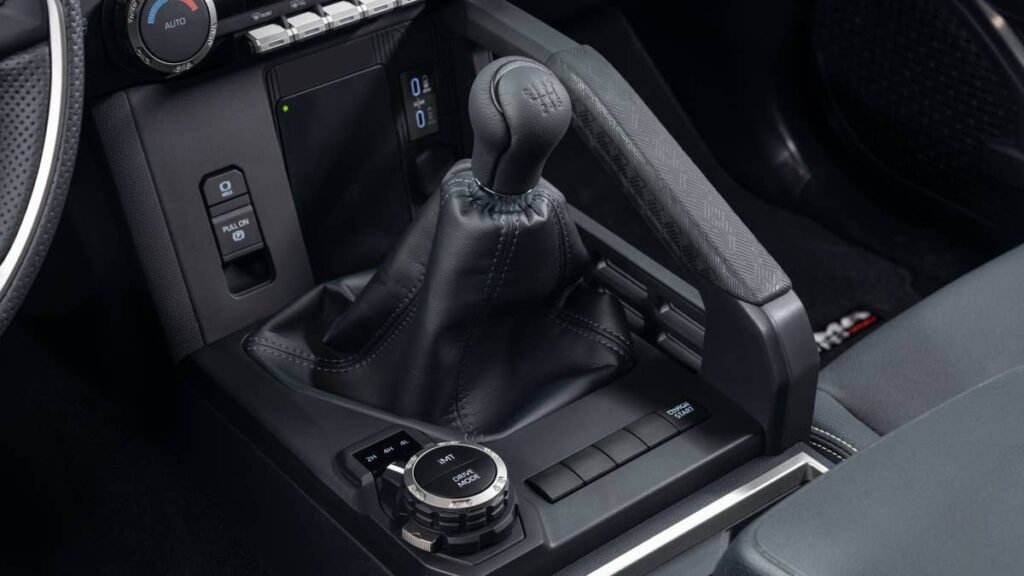
High-Tech Confusion Plagues Toyota Owners
Toyota’s legendary reputation for mechanical longevity is deeply ingrained in the automotive world, but recent technological shifts have left many dedicated owners scratching their heads. With the automaker facing recent transmission lawsuits over jerky shifting, it’s crucial to understand how these complex modern gearboxes actually work in the real world.
The Car Care Nut YouTube channel recently highlighted a costly design flaw and is now back to demystify two heavily misunderstood software features in modern Toyota automatics. This is not just about standard fluid changes; it is about the complicated algorithms silently dictating how your vehicle performs on the road.
Memory Resets And Imaginary Sensors
First, there is the adaptive memory. Your car learns your specific driving style and sets optimal clutch engagement pressures for every gear. Toyota engineers even design software to cache future shift logic to continuously optimize on-road performance. However, internet forums wrongly claim you should clear this learned memory with every routine fluid change. The truth is that a full memory reset is a repair function reserved for major internal rebuilds.
If you foolishly wipe the transmission memory without reason, you must immediately complete a highly specific twenty-minute test drive to recalibrate the baseline pressures. Skipping this strict procedural drive will cause erratic, harsh shifting that actively burns up the internal clutches. This warning applies only to traditional stepped automatics, as the brand’s alternative CVT reliability metrics and overall maintenance requirements operate under entirely different mechanical principles.
The second feature is the automatic transmission fluid thermal degradation meter. It sounds like a sophisticated quality sensor, but it is purely a mathematical algorithm generating a random number between zero and 65,000. It tries to guess your fluid’s breakdown based on idling hours and operating conditions, but it fails to provide a clear, actionable threshold for when the fluid actually needs professional replacement.
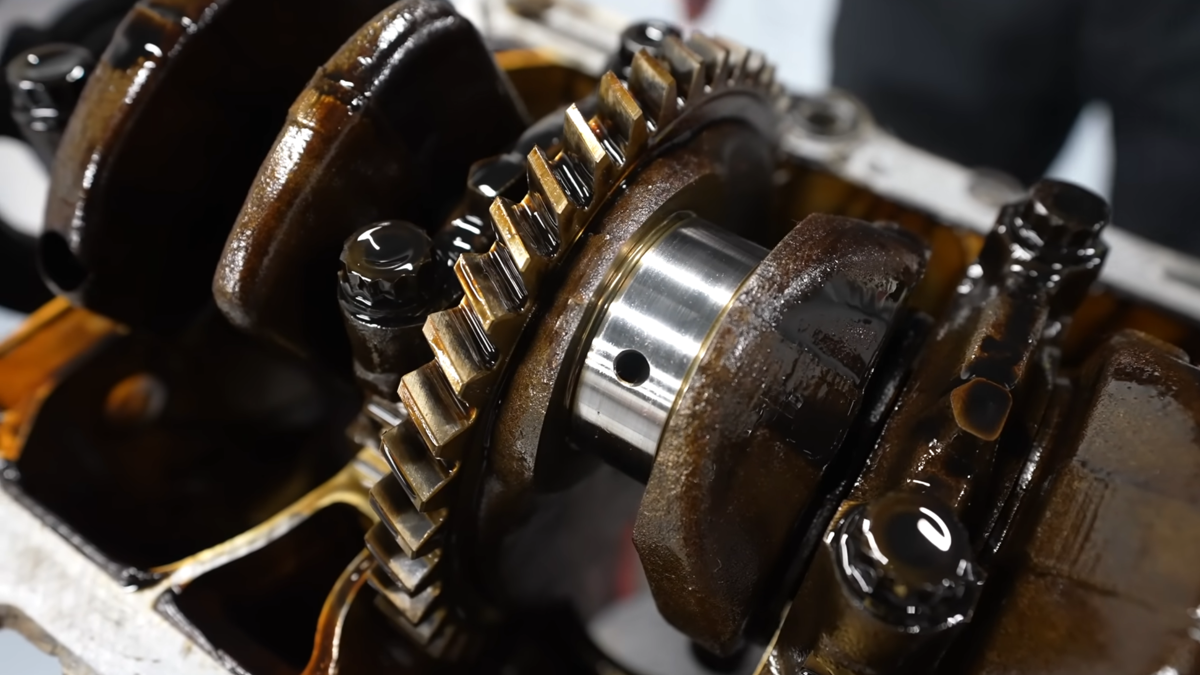
The Car Care Nut/YouTube
Stick To Old-School Maintenance
Relying on an invisible, vaguely calculated degradation number is an absolute fool’s errand for any car enthusiast. If the transmission software were truly intelligent, it would automatically reset itself the moment fresh fluid was introduced to the system. Instead, this hidden metric feels more like a convenient dealership loophole for denying warranty claims on lightly driven cars than a genuine maintenance tool for owners.
Skip the endless forum debates and ignore the ambiguous diagnostic metrics hidden inside your dashboard. The most effective way to protect your heavy automotive investment is remarkably old-school. Simply drain and fill your transmission fluid every 60,000 miles or six years, and skip the unnecessary computer memory resets entirely. In an era dominated by overcomplicated vehicle software, basic preventative maintenance remains your best defense against a staggering dealership repair bill.