A Legendary V8 in Pieces
General Motors’ LS1, part of its third-generation small-block V8 family, debuted in 1997 with changes that made it a more modern engine while retaining a relatively simple design. Succeeding the LT1, the LS1, which was used in the Chevrolet Corvette C5, kept a pushrod setup but featured redesigned internals and an aluminum block instead of the cast-iron construction of its predecessor.
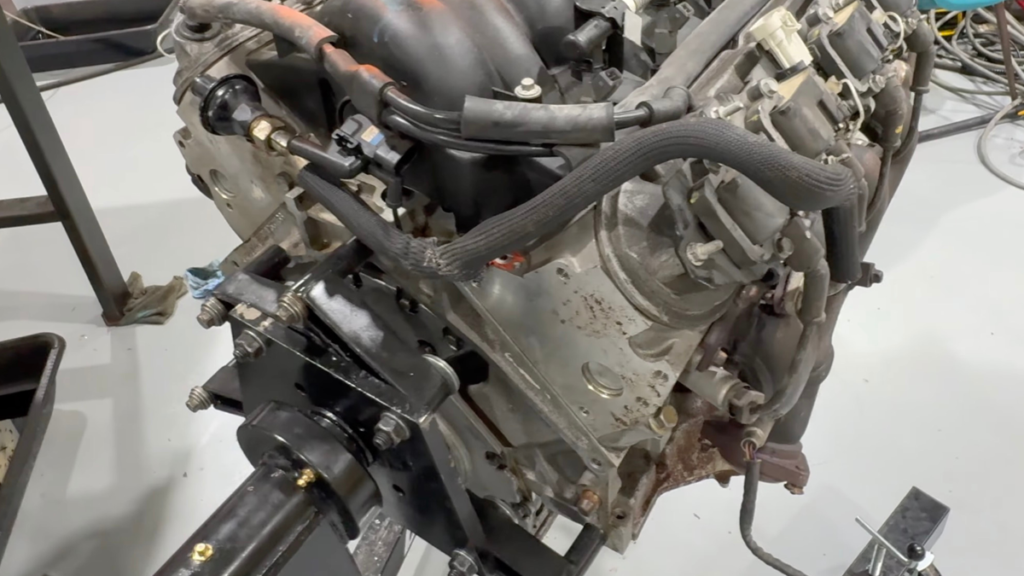
The changes allowed the Corvette C5 to produce 345 horsepower and rev higher than the LT1-powered C4. But while that power was considered serious for a relatively affordable American sports car, pushing an engine beyond its limits could also introduce problems, as suggested by this LS1 teardown courtesy of I Do Cars on YouTube. The engine was said to have come from a 2004 Corvette, which means it originally had the performance boost introduced in 2001, raising output to 350 hp. From what could be seen on the outside, the engine suffered a catastrophic failure, with the presenter, Eric, saying it likely blew during high-rpm operation.
Not Your Average Engine Wear
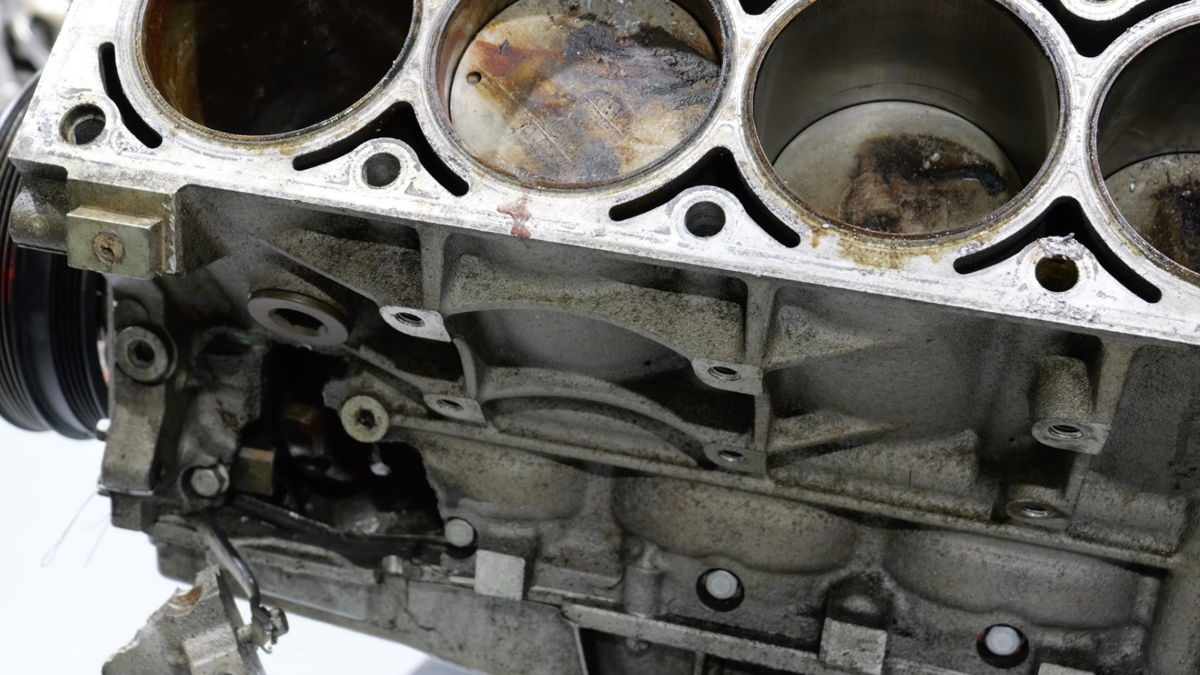
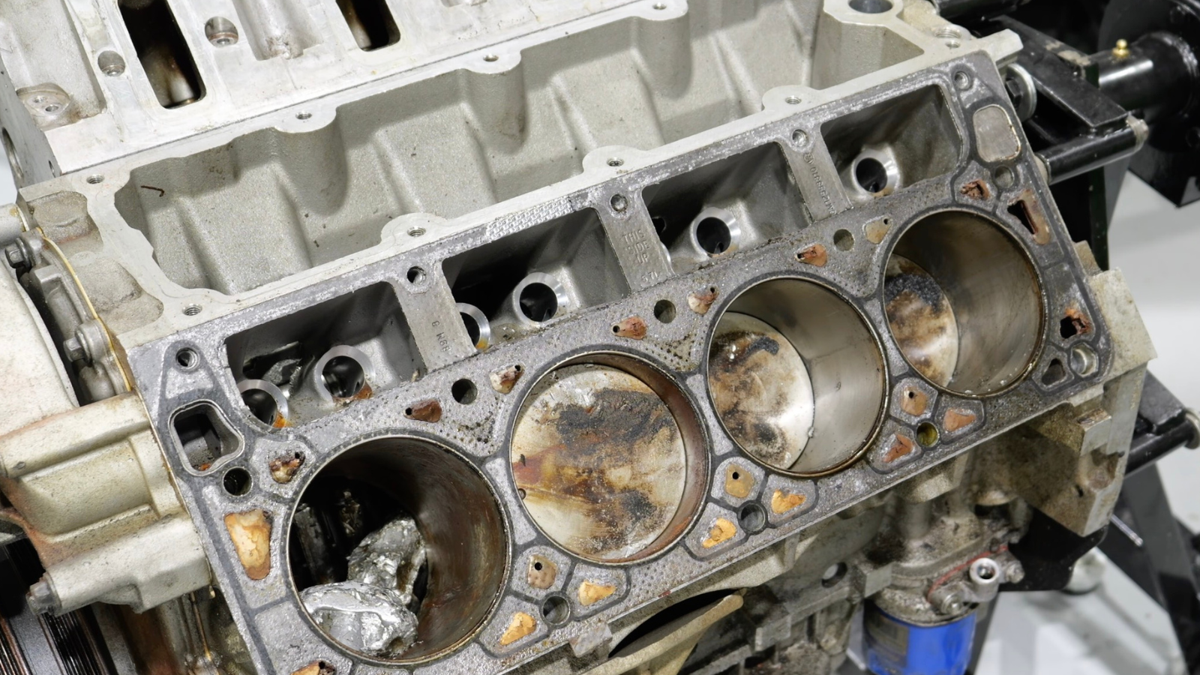
Two of the eight pistons were shattered, and a cylinder sleeve was destroyed, suggesting the engine failure was likely loud. The block had at least two holes punched through it, but interestingly, the oil pan didn’t contain as much large debris as expected. Other internals, including the rods and bearings, also suffered damage.
In the cylinder heads, however, the damage wasn’t as dramatic. Metal fragments were present here and there, but the more striking issue was the missing valvetrain parts, including the rocker arms and lifters. They had stripped them from the engine before returning it as a core. Eric also noticed someone had worked on the engine before, as shown by the use of non-original parts, including a Summit Racing camshaft and LS6 cylinder heads.
Too Fast for Its Own Good?
Given the extent of the damage, one possible reason for the failure was that the driver had been pushing the engine at a sustained RPM of around 7,000 RPM. Such operation can put significant demands on the lubrication system, potentially leading to oil starvation, especially if the engine doesn’t have enough oil. Oil starvation can cause bearings to fail, leading to excessive friction, overheating, and eventually catastrophic engine damage.
That said, this failure doesn’t necessarily point to an LS1 reliability issue, especially since GM developed a more performance-oriented version called the LS6, which was used in the Corvette C5 Z06 and eventually offered 405 horsepower. But as this channel has shown time and time again, checking oil levels and condition is crucial, as even reliable engines like the 2ZR-FE in the Toyota Corolla can fail without proper lubrication.