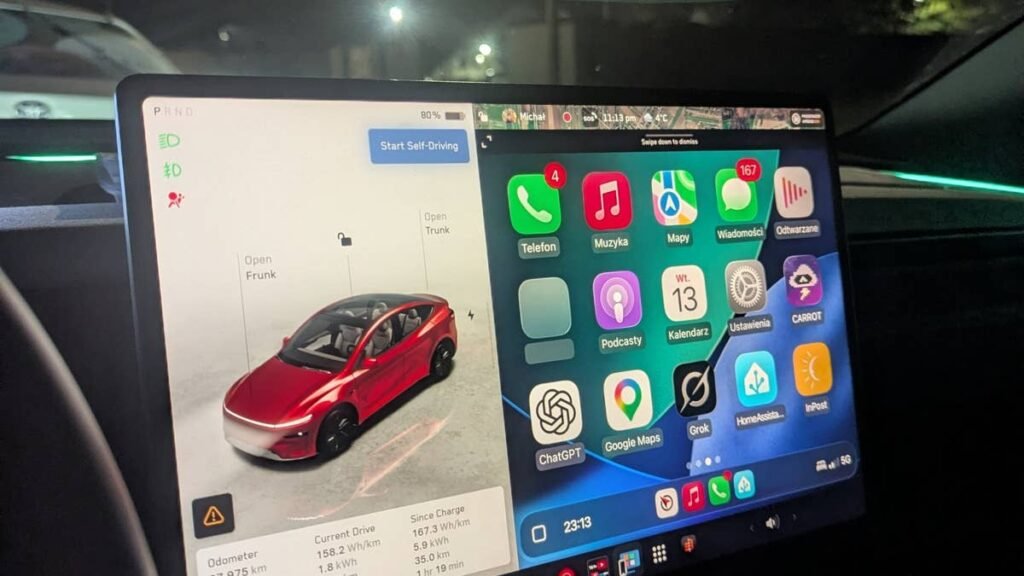
For years, the automotive industry has been playing a frustrating game of tug-of-war with our dashboards. While drivers overwhelmingly demand seamless smartphone integration, a handful of automakers have stubbornly forced proprietary software down our throats. The result is a bizarre landscape where buying an expensive electric vehicle often means giving up the basic phone mirroring capabilities found in cheap rental cars.
This refusal has created a massive technological vacuum. Car buyers aren’t just accepting clunky native navigation or fragmented media players. Instead, a growing underground ecosystem of software engineers is stepping up to deliver the features that multibillion-dollar manufacturers refuse to provide. When General Motors abandoned smartphone mirroring to boost subscription revenue, developers quickly stepped in, ensuring that frustrated GM owners bypass the software block with plug-and-play devices to get their preferred tech back.
World’s first native CarPlay implementation in a Tesla!
It’s a huge moment for me since it took over 5 years to make a native port, no dongles, no browser. Bare metal, butter smooth. Exciting times @maciej @CoilShift.@Tesla when? pic.twitter.com/nZ5JECHz2I
— Michał Gapiński (@mikegapinski) October 13, 2026
Third-Party Developers Hijack The Tesla Dashboard
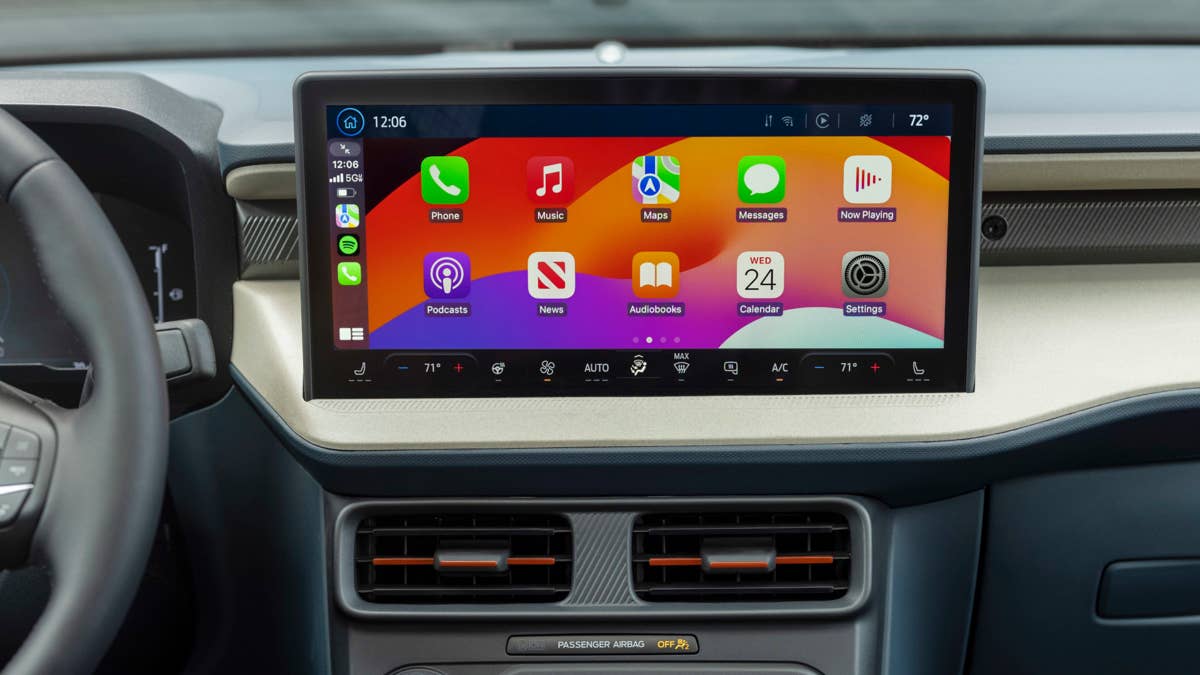
The most glaring example of this software rebellion is happening inside Tesla vehicles. The corporate reasons Tesla still refuses to officially offer these systems remain tied to tech alliances and mapping conflicts. However, developers Michal Gapinski and Maciej Wilczynski have bypassed the automaker completely. Their new project, CoilShift, brings native Apple CarPlay and AirPlay directly to Tesla screens without needing clunky browser workarounds.
CoilShift operates natively utilizing a known exploit in Tesla’s MCU3 hardware. It flawlessly integrates the Apple interface into a dedicated window, featuring lossless audio streaming and full Siri microphone support. The AirPlay feature is equally impressive, essentially turning the vehicle’s massive central display into a secondary monitor for laptops or phones with absolutely zero factory authorization.
Tesla has historically tried to plug the holes that make drivers crave smartphone integration by adding text features to its in-house voice assistant. Yet, it falls short in crucial areas like advanced route planning. CoilShift delivers exactly what a theoretical official partnership should have provided, keeping the CarPlay interface neatly in its own zone without interrupting the rest of the electric vehicle’s vital driving readouts.
Corporate Greed Loses To Open Code
There is profound arrogance in telling consumers they cannot use the mobile ecosystems they rely on daily. Automakers stripping away smartphone integration are giving the impression that they are doing it to monetize dashboard real estate and harvest user data. It is a calculated corporate move that completely ignores what modern car buyers prioritize on their daily commutes.
This anti-consumer mentality is already showing massive cracks across the industry. We are seeing real-time proof that GM’s risky gamble to block smartphone tech is failing spectacularly with buyers. The success of underground projects like CoilShift proves that automotive software walls are fragile. If manufacturers refuse to give drivers the basic technology they demand, ingenious hackers will simply break in and do the job for them.