If you assume automotive engineering advances inherently mean better fuel economy, new figures from General Motors paint a drastically different picture. Despite 17 years of technological evolution and increasingly tight emission laws, GM’s full-size, gasoline-powered SUVs achieve the same 17 mpg combined rating today as they did in 2010.
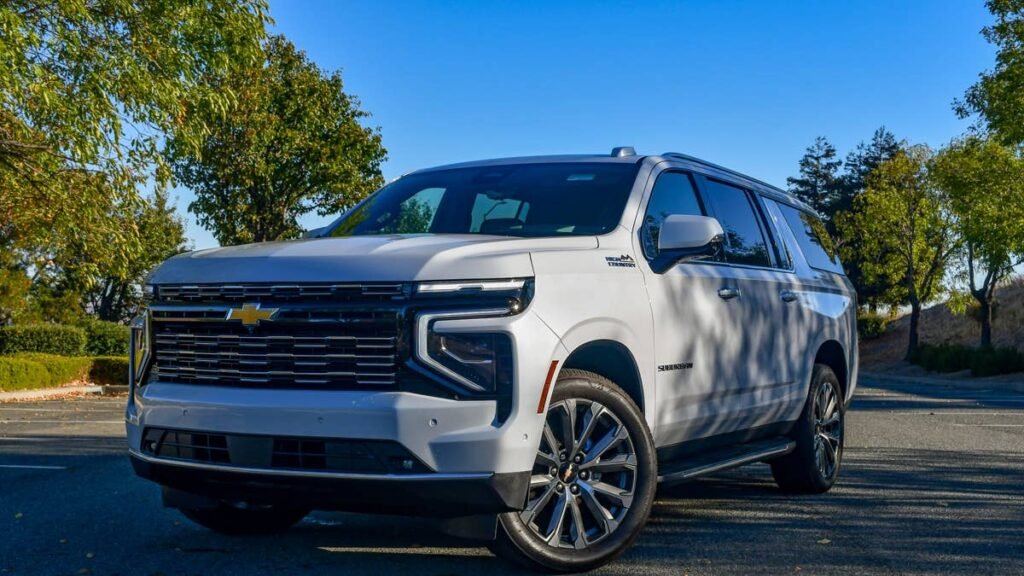
This metric applies directly to the Chevrolet Tahoe, Chevrolet Suburban, and GMC Yukon when equipped with the reliable 5.3-liter V8. While the broader industry boasts hybrid efficiency jumps, GM’s heavies remain frozen. Their pickups managed an 11% bump from 18 to 20 mpg, but the brand’s flagship SUVs have completely resisted this trend.
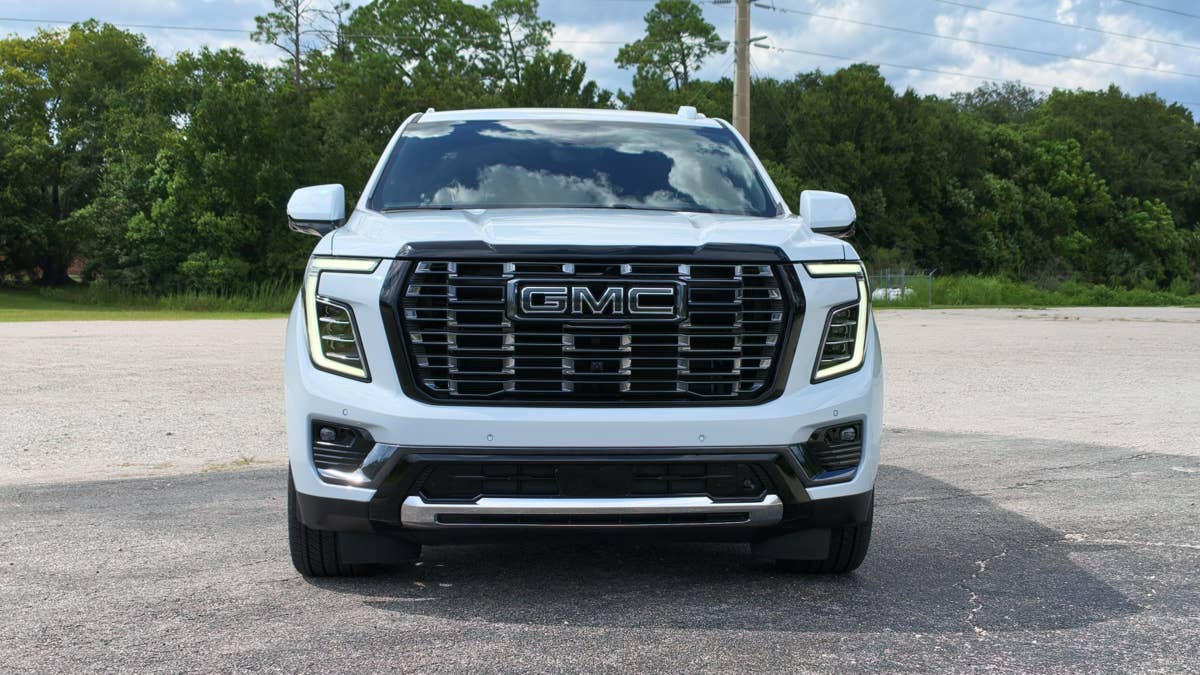
Jared Levenson/Autoblog
Demand vs Modern Emission Rules
Under strict CAFE regulations, automakers must hit aggressive fleet-wide fuel targets. However, these complex standards are footprint-based, meaning larger vehicles are permitted a noticeably lower threshold. GM smartly leveraged these formulas, keeping beloved large-displacement engines across its premium SUV lineup without facing catastrophic federal compliance penalties or redesigning its entire chassis strategy.
As first observed by The Drive, these huge SUVs regressed slightly recently. They hit 18 mpg combined in 2015 and peaked at 19 mpg between 2016 and 2018. After 2021, the rating dropped back down to 17 mpg. The introduction of the Duramax diesel in 2021 offered efficiency, but elevated diesel prices make the cost-per-mile calculation tough for consumers.
Meanwhile, engineering funds continue flowing toward internal combustion capability rather than fuel-sipping measures. Next year, an entirely revamped truck engine lineup introduces an 8.3-liter turbodiesel. Furthermore, impending applications feature new V8 options boasting aggressively improved outputs. In fact, the American automaker is currently engineering twin 6.6L V8s built exclusively for entirely different duty cycles.
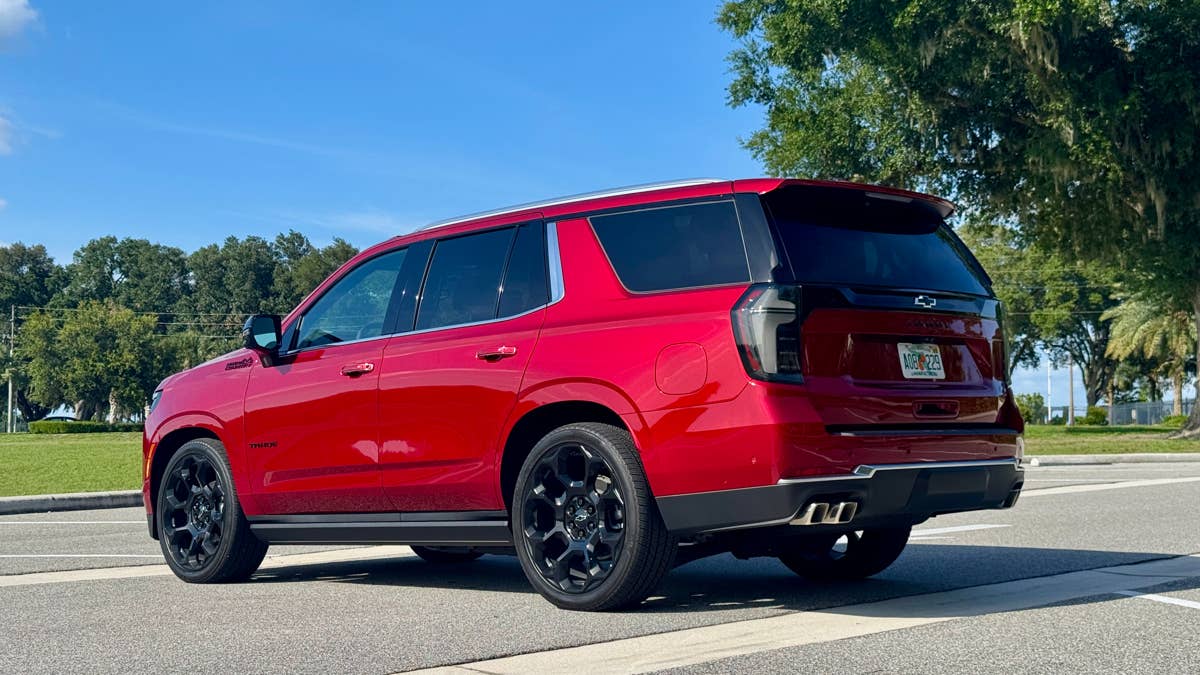
Jared Rosenholtz/Autoblog
Trucks are Not About Compromise
Analyzing this 17-year flatline, it becomes unmistakably clear GM made a highly calculated choice to prioritize brute capability over pump efficiency. Consumers purchasing a massive Chevrolet Suburban or Yukon are rarely seeking an economical commuter appliance. They want serious towing limits and the undeniable torque characteristics that only a traditional small-block V8 platform consistently delivers.
The complete lack of MPG growth might look terrible on a bureaucratic legislative spreadsheet, but it accurately reflects how the brand balanced federal footprint rules with robust consumer demand. Modern SUVs are vastly heavier and safer than their 2009 counterparts. Achieving perfectly identical fuel efficiency while pushing substantially more mass is an engineering victory disguised as a failure.

Chevrolet