Pay to Save
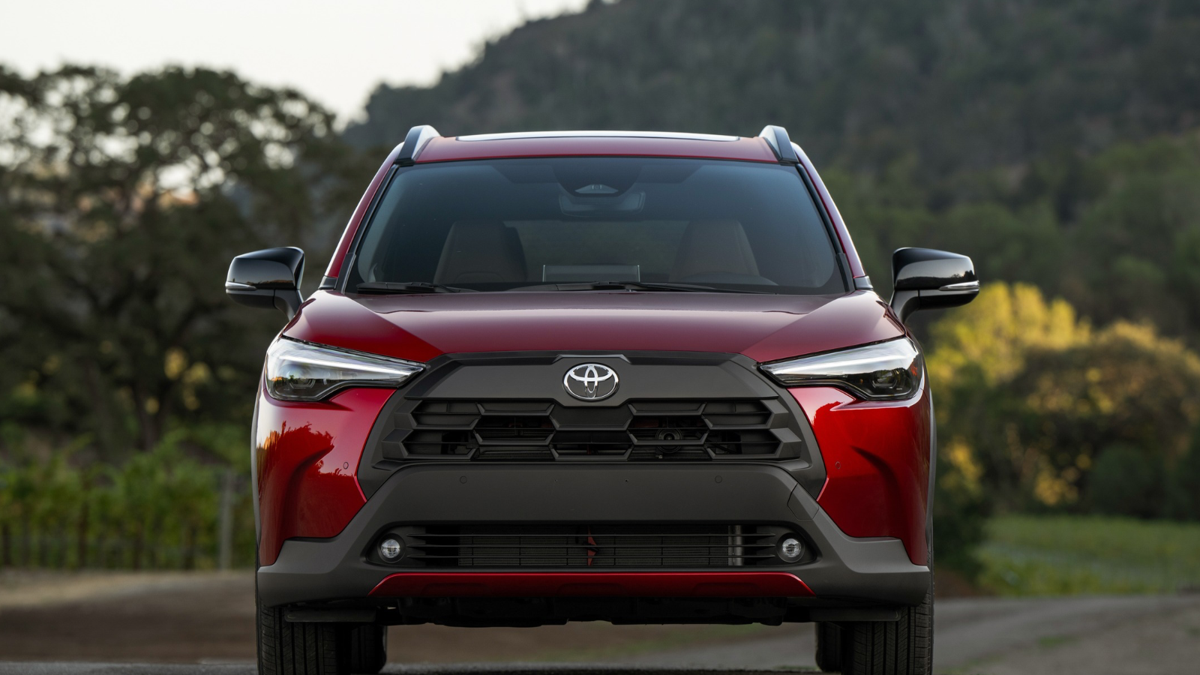
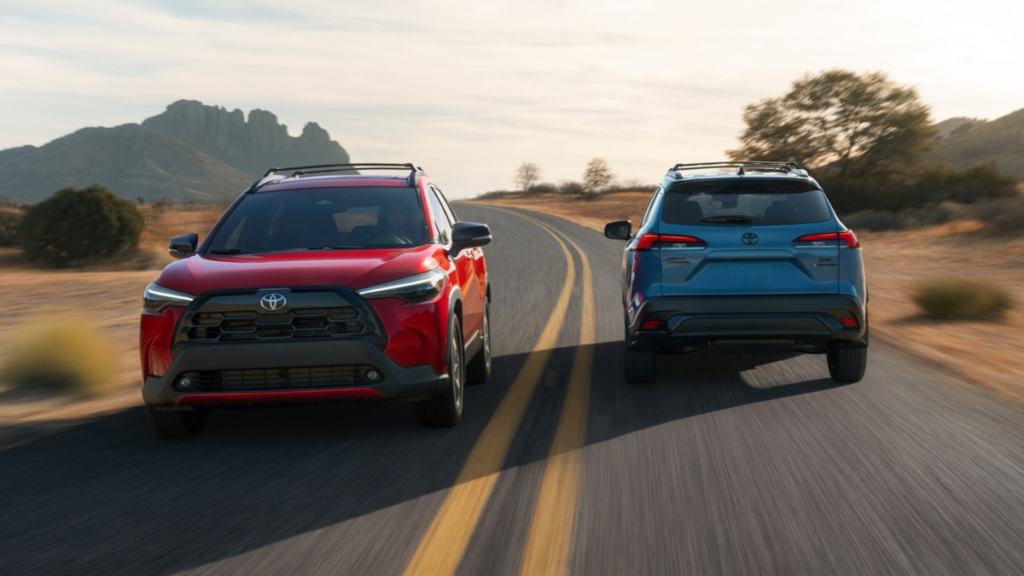
Normally, hybrid versions of gas-powered cars cost more because of added hardware, such as electric motors and a high-voltage battery pack. It is one of the most crucial factors when buying a hybrid, along with the potential savings on fuel in the long run, as hybrids tend to be more fuel-efficient. The same is true for the Toyota Corolla Cross, but for the 2027 model year, the cost of stepping up to the hybrid rises to $5,880 over the base trim of the gas model, which has outsold the hybrid variants by an even wider margin this year.
In comparison, the gap was $4,460 for MY2026. That can be explained by Toyota’s decision to drop the entry-level Hybrid S trim, which gave prospective buyers a hybrid compact crossover with a sub-$30,000 MSRP. Now, the hybrid range starts at $31,415, excluding dealer processing and handling fees, for the Hybrid SE and goes up to $34,130 for the Hybrid XSE.
A Little More Across the Board
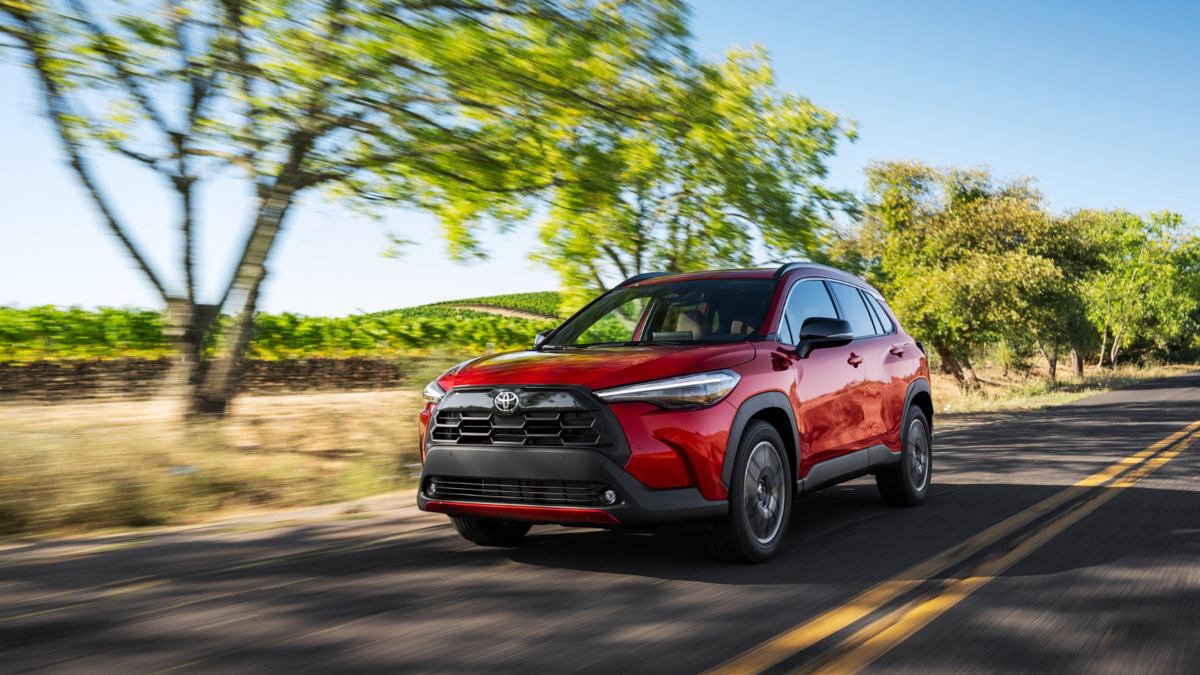
For the 2027 model year, the Corolla Cross is largely carried over, though each remaining trim carries a slight price increase. The pricing difference can be seen in the table below.
|
Trim |
2027 MSRP |
2026 MSRP |
|
Corolla Cross L FWD |
$25,535 |
$25,335 |
|
Corolla Cross LE FWD |
$27,865 |
$27,665 |
|
Corolla Cross XLE FWD |
$30,460 |
$30,260 |
|
Corolla Cross L AWD |
$26,835 |
$26,635 |
|
Corolla Cross LE AWD |
$29,165 |
$28,965 |
|
Corolla Cross XLE AWD |
$31,910 |
$31,560 |
|
Corolla Cross Hybrid S AWD |
Discontinued |
$29,795 |
|
Corolla Cross Hybrid SE AWD |
$31,415 |
$31,115 |
|
Corolla Cross Hybrid XSE AWD |
$34,130 |
$33,830 |
While these represent slight price increases, the 2026 Corolla Cross was cheaper when it originally launched. It started at $24,635 for the gas model and $28,995 for the hybrid, meaning Toyota increased pricing during MY2026’s life cycle.
But compared with the 2027 Honda HR-V, the latest Corolla Cross is still more affordable by about $1,000 in starting MSRP.
The Case for Hybrid
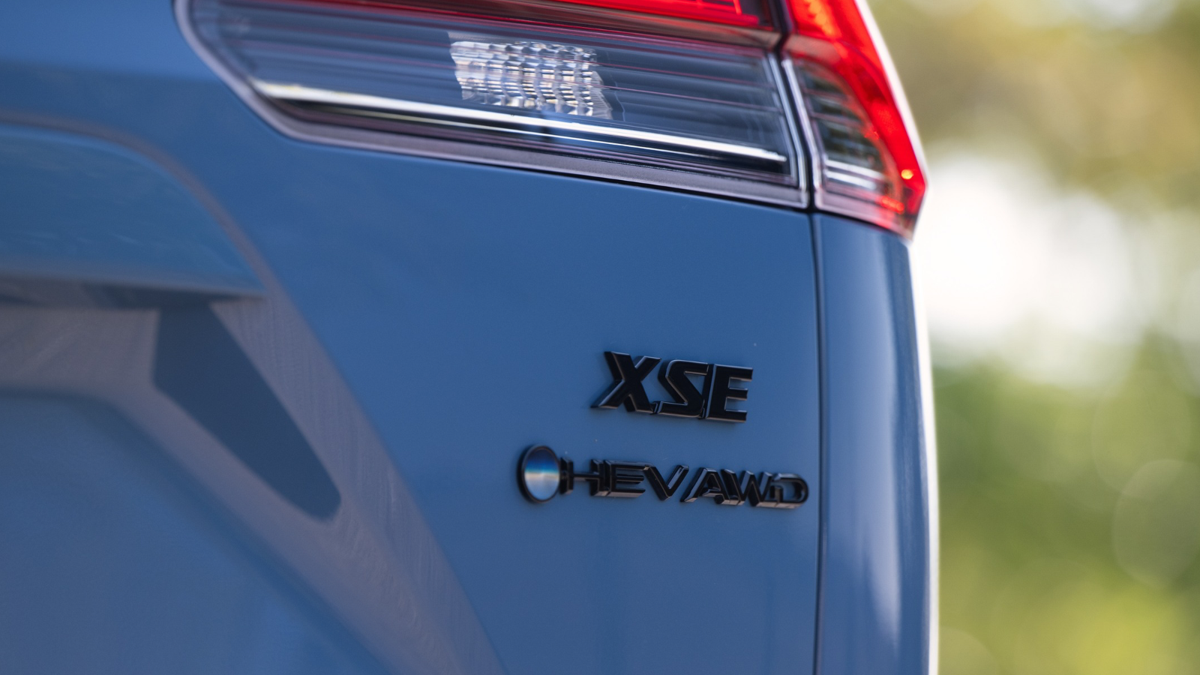
Given that the 2027 Corolla Cross is largely a carryover, the hybrid models still come with the same 2.0-liter inline-four engine paired with three electric motors to produce a combined 196 horsepower. It offers manufacturer-estimated fuel economy figures of 46 mpg city, 39 mpg highway, and 42 mpg combined, easily beating the FWD-equipped gas model’s 30/32/31 mpg figures. Prospective buyers, especially budget-conscious ones, should consider long-term ownership to maximize the fuel savings offered by the hybrid models.
The 2027 models are scheduled to reach U.S. dealerships in fall 2026, and production remains in Huntsville, Alabama.