The Alarm Bells Keep Ringing
Automakers continue to voice concerns about Chinese automakers expanding their presence globally. Ford has warned that Chinese automakers could enter the U.S. market within the next five to 10 years, which would likely disrupt competition, especially on the affordable side of the market. Hyundai pointed to the changes in Europe as Chinese brands rapidly expanded there and warned that the U.S. could face something similar without safeguards.
Now, Nissan is joining the fray, though it puts more emphasis on Mexico. Nissan Americas Chairman Christian Meunier told Automotive News that Chinese automakers could start building cars in Mexico “in the next two to three years,” and the company has already planned countermeasures, mostly cost-cutting, to stay competitive. That future could have more direct implications for the U.S. than Chinese automakers simply exporting cars to Mexico.
From Imports to Locals
While the U.S. imposes tariffs of around 100% on Chinese EVs, Mexico imposes a 50% tariff on Chinese auto imports. Localized production could largely remove that import-tariff disadvantage in Mexico, while low-cost development, supply chains, and pricing would become much harder for Nissan and other legacy automakers to match.
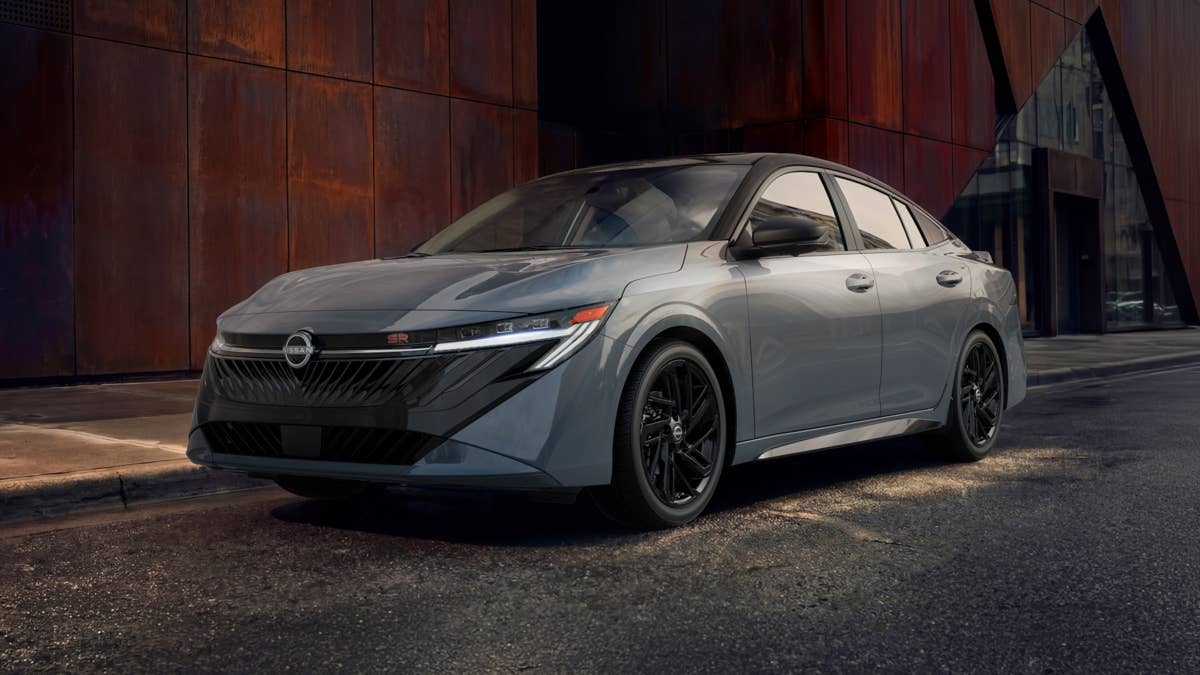
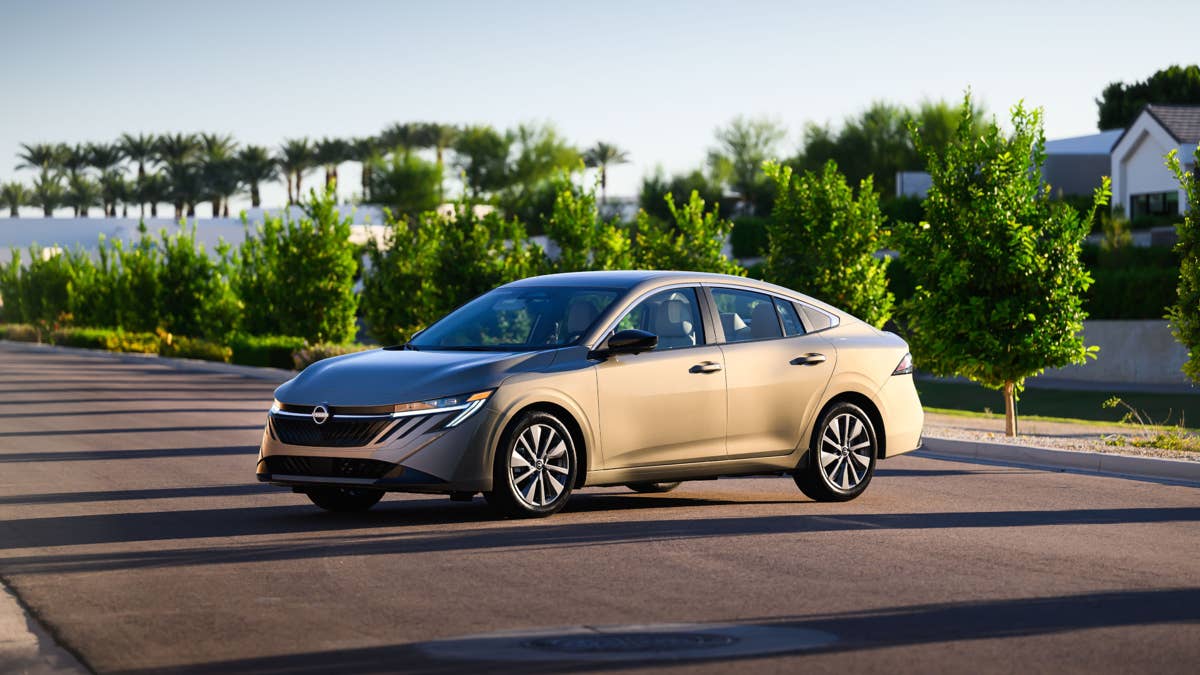
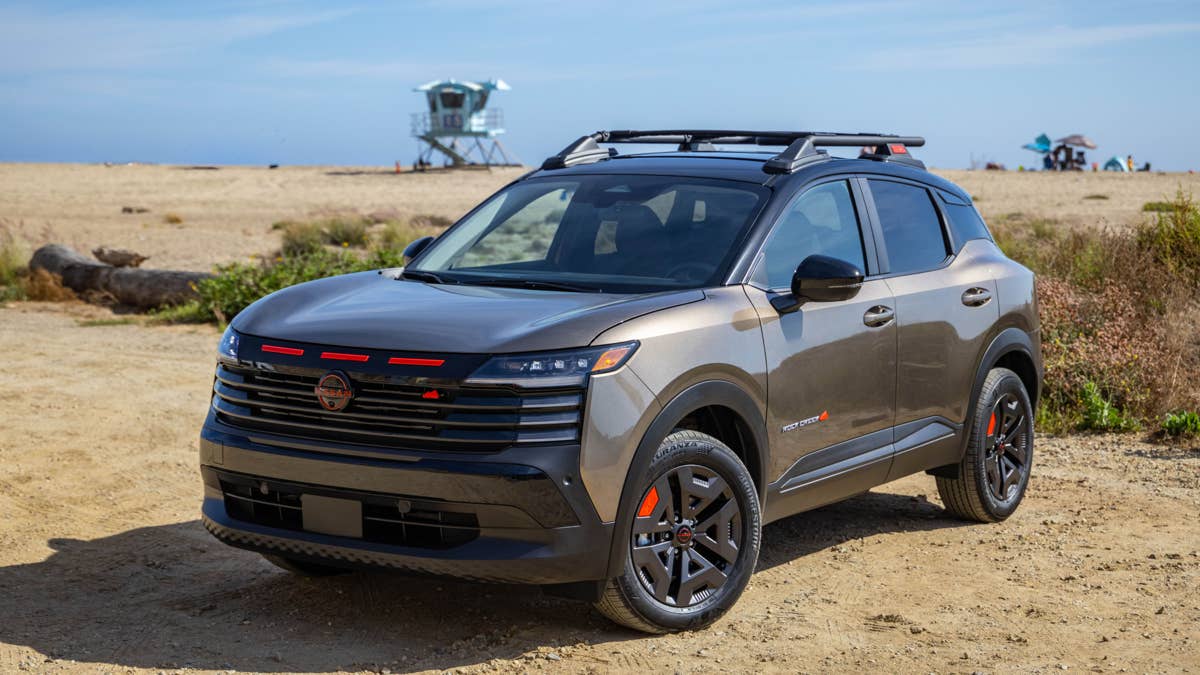
After all, Nissan builds U.S.-bound models in Mexico, including the Sentra and Kicks. The Japanese marque has said it still needs to build these entry-level models there because they can’t be produced in the U.S. at the same cost, even with the tariff exposure. Chinese automakers building cars in Mexico could therefore add pressure on Nissan’s prices and margins.
In response, Nissan is already overhauling costs and product development, which, in essence, is an extension of the brand’s Re:Nissan recovery plan. It targets ¥500 billion (roughly $3.1 billion) in savings, cutting about 20,000 jobs and reducing its global vehicle-production plants from 17 to 10 by fiscal 2027.
Nissan
The Battle for Mexico
Mexico is Nissan’s fourth-largest global operation, but at the same time, Chinese brands already accounted for 17% of the country’s new-vehicle sales in H1 2026, up from 14% a year earlier. As such, Nissan could be particularly exposed to Chinese automakers localizing production in Mexico. The report said brands including Chery, BYD, Leapmotor, and Geely are targeting significant sales growth there.
In the U.S., President Donald Trump has said he would be open to Chinese automakers building cars domestically, provided they employ American workers. One of the latest developments is a push by Sens. Bernie Moreno and Elissa Slotkin to fast-track legislation that would codify and expand restrictions on Chinese vehicles. The effort was delayed last week because the procedure requires unanimous consent, while Sen. Rand Paul was expected to object. The sponsors said they would try again this week.