Just Getting Started
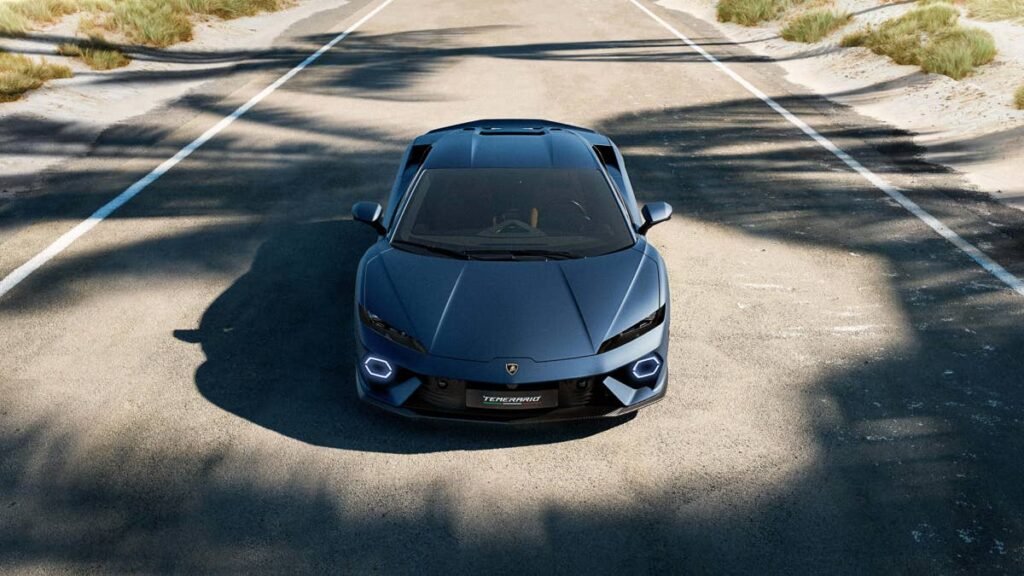
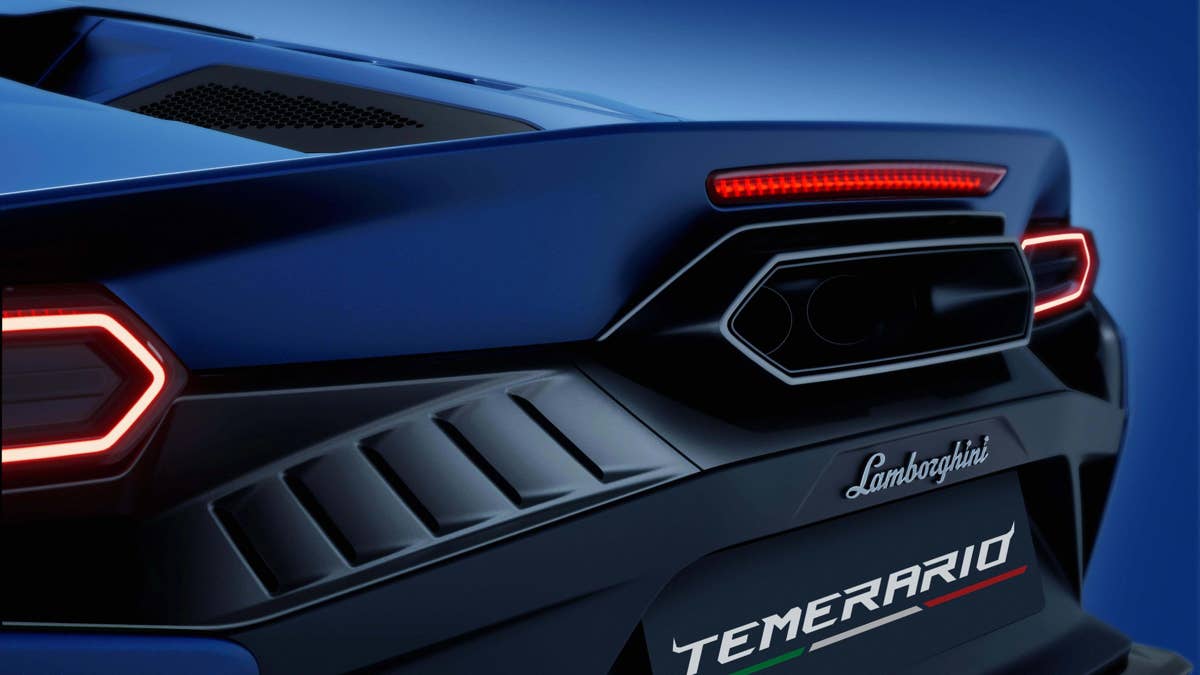
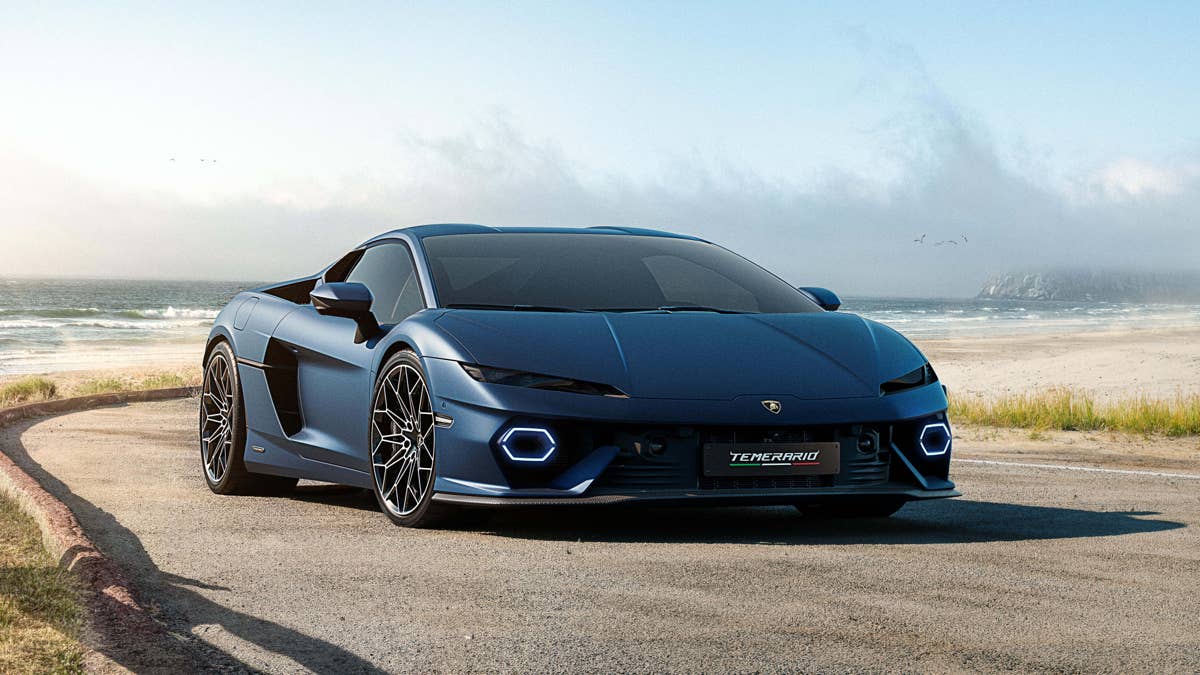
The Lamborghini Temerario was unveiled in mid-2024, but it still doesn’t have any road-going derivatives. Considering how the Italian marque paces its models, it is safe to assume it is only a matter of time before the Temerario evolves, especially with a Spyder variant spotted testing at the Nürburgring in Germany earlier this year.
However, what sets the Temerario apart from its predecessors, the Huracán and Gallardo, is its architecture, which, according to Lamborghini product line director Paolo Racchetti, was purposely designed to support more diverse interpretations. Racchetti didn’t go into full detail, but noted that the automaker is considering derivatives such as off-road, track-focused, puristic, and fun road-going models.
Letting the Bull Loose
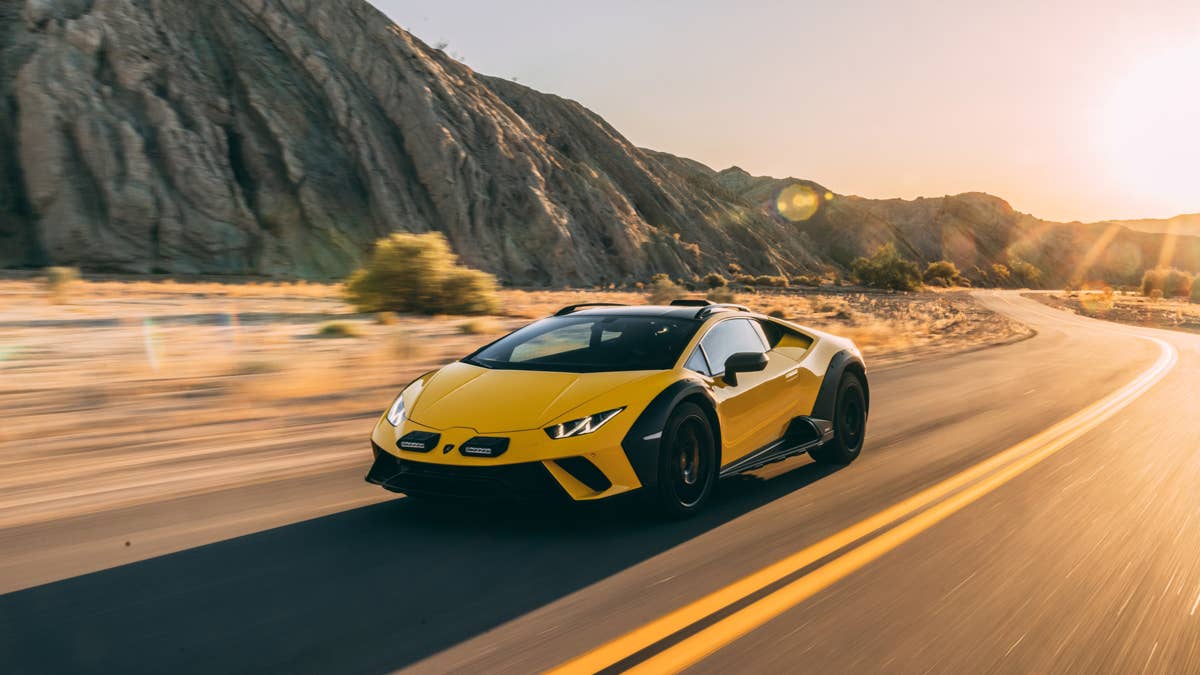
The off-road model is perhaps the most interesting one, given that the Temerario is an exotic supercar. Lamborghini already put out a trail-ready supercar with the Huracán Sterrato, which was seen as an alternative to the Porsche 911 Dakar. Despite the competition in this niche, Racchetti told CarExpert that such a vehicle is something “only Lamborghini can do.”
Racchetti also championed the flexibility of the PHEV powertrain but didn’t expound on it. This could mean Lamborghini may introduce modifications to the V8, the electric system, or both to deliver unique derivatives. In the Temerario GT3, the automaker even removed the hybrid system to comply with GT3 regulations.
For reference, the Temerario uses a 4.0-liter twin-turbo V8 with a tri-motor setup, delivering a combined output of 907 horsepower. It wouldn’t be a surprise to see the architecture exceed 1,000 horsepower, especially considering that the Audi Nuvolari, which shares the Temerario’s powertrain architecture, already makes 1,001 PS, or about 987 hp.
Racchetti may paint the future of Temerario derivatives as the sky’s the limit, but nothing beyond the Spyder is confirmed as of this writing. Speaking about a possible Sterrato model, he said, “I’m not saying we are planning to do that, but I’m not excluding that it could happen again.”
Expanding the Herd
Introducing new derivatives would not only show the architecture’s flexibility and capabilities, but would also help target different audiences in the entry-level supercar space, where models like the Ferrari 296 GTB compete. For instance, a Spyder version would appeal to those who may be willing to compromise a bit of performance for an open-air driving experience, while an STO-esque derivative would be ideal for those looking for a track-ready version that can still be driven on public roads.
Perhaps looking at the 14 derivatives of the Huracán can provide some clues as to what’s coming, except the range of possibilities could be even broader thanks to the hybrid system.
Lamborghini