Mitsubishi’s announcement, part of its broader “Momentum 2030” plan for North America, confirmed a pickup is coming without specifying exactly what underpins it. But the timing lines up too neatly to ignore: Nissan is developing its next-generation Frontier, and Mitsubishi has described the truck as a “collaboration project” with Nissan rather than an import of its own global lineup.
A Nissan Frontier Wearing A Mitsubishi Badge
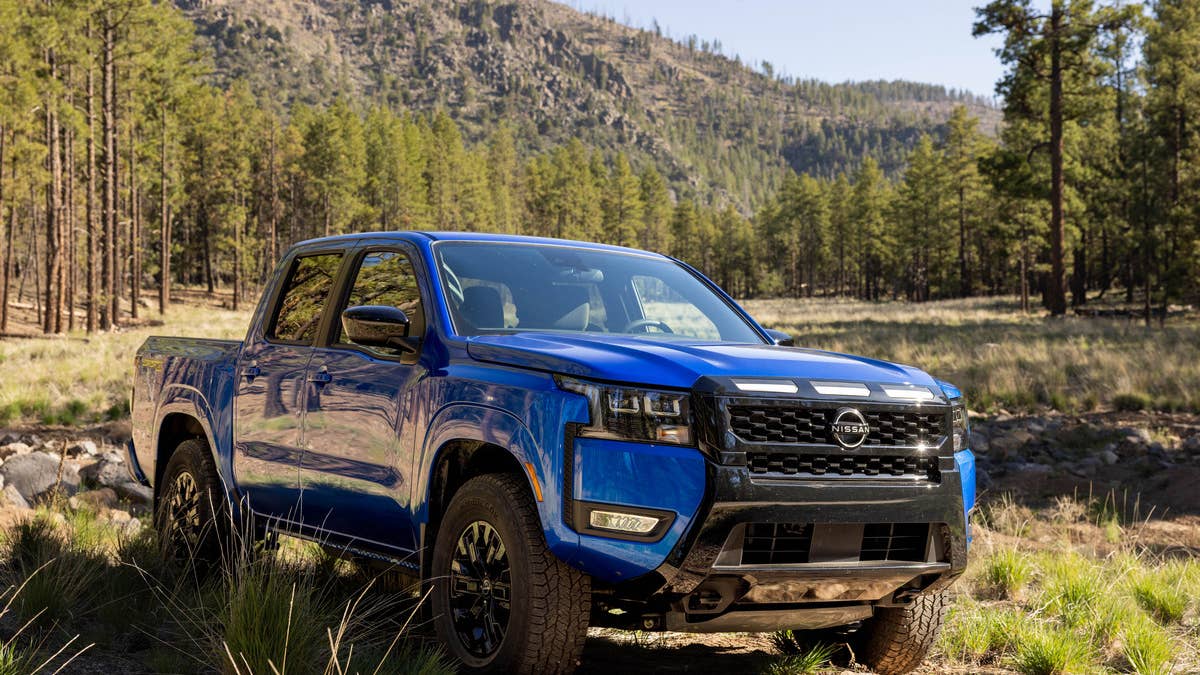
Mitsubishi’s own Triton, sold overseas as the Triton, L200, and Strada, remains one of the best-selling midsize trucks in markets across Asia, Australia, and Europe, but it was never engineered to meet US regulations, and Mitsubishi has shown no sign of importing it directly. Wards Auto reports the automaker has confirmed the new pickup as a joint project built around Nissan’s platform, likely sharing its frame with the next-generation Nissan Frontier while carrying Mitsubishi-specific styling and branding. A trademark filing for the name “Endeavour” has resurfaced alongside the announcement, suggesting Mitsubishi may be planning a distinct identity for the truck rather than a straight rebadge.
Nissan
Why Not The Triton Mitsubishi Already Sells Everywhere Else
The Nissan route isn’t a new idea — Mitsubishi and Nissan have been studying a jointly developed midsize truck that could mirror the Frontier for at least a year, with earlier reports suggesting the two could even go bigger than the half-ton Frontier if the project called for it. Leaning on an existing US-alliance platform sidesteps the cost and regulatory work of federalizing the Triton from scratch, and gives Mitsubishi a faster path back into a segment its own dealers have reportedly been begging to fill since the Raider, a rebadged Dodge Dakota, was discontinued in 2009 after four years of weak sales.
Where That Leaves It In The Market
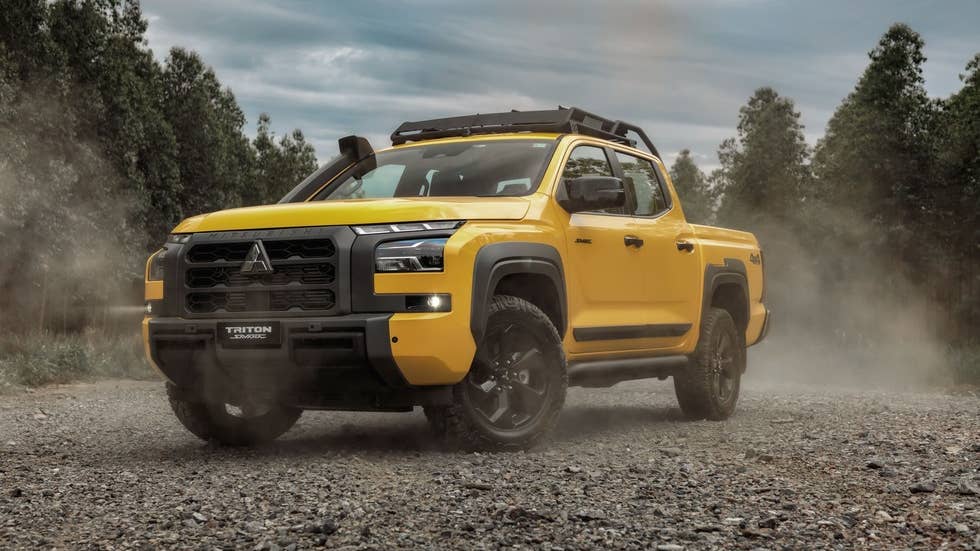
Mitsubishi
A Frontier-based Mitsubishi truck would land in the same midsize segment as the Toyota Tacoma, Ford Ranger, and Chevrolet Colorado, competing on the same body-on-frame fundamentals rather than carving out new territory. Given that Mitsubishi’s brand positioning tends to sit below Nissan on price, the more likely play is value rather than differentiation — an affordable, work-focused entry point into a segment increasingly crowded with tech-heavy trims. Mitsubishi’s broader 2030 plan also leaves the door open for a Montero revival built on that same global Triton platform, even if the pickup itself won’t be.