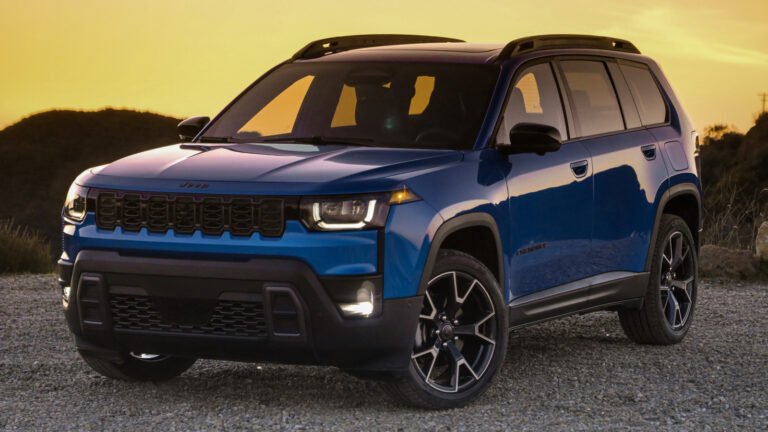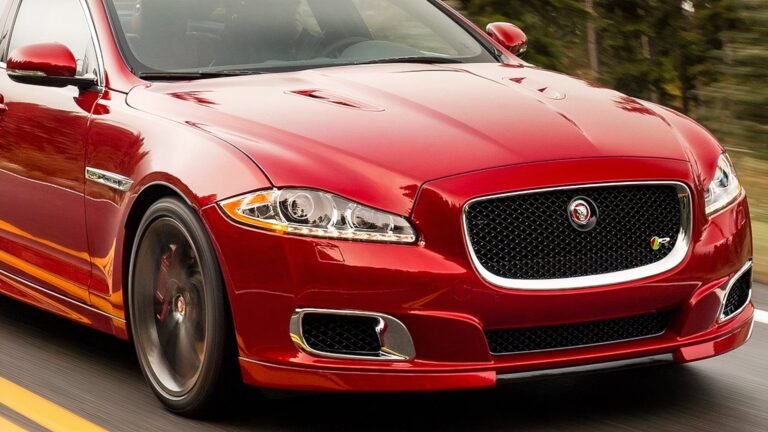
Washington is aggressively pushing for more American-made cars. While this sentiment resonates strongly with patriotic consumers, Detroit’s biggest automakers are issuing a stark financial warning. The automotive companies doing the heaviest lifting in domestic manufacturing argue that incoming trade agreements will severely impact their bottom lines and inevitably skyrocket new vehicle sticker prices.
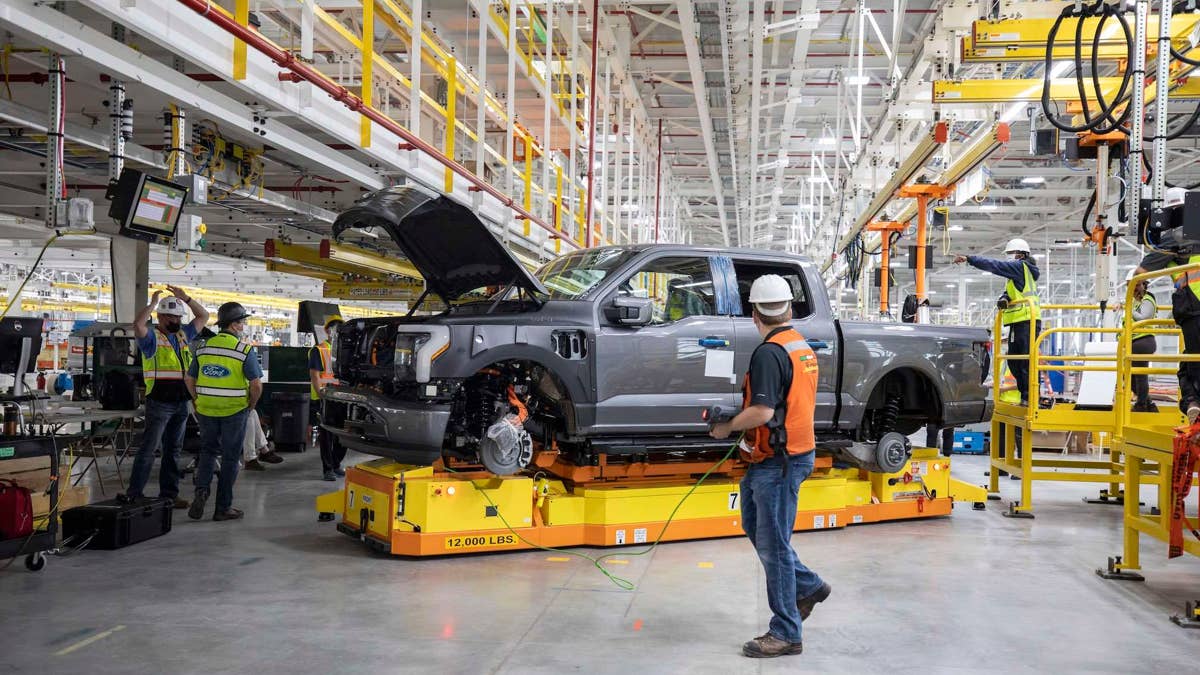
Detroit has spent the last year scrambling to cut costs and appease shifting political winds. Ford recently initiated a high-profile domestic production shift by relocating its best-selling luxury SUV manufacturing from China to the United States. However, these localized moves represent just a fraction of the broader industry disruption looming on the horizon.
Peeling Back the Financial Details
Ford, GM, and Stellantis are currently mounting a fierce lobbying campaign ahead of critical U.S.-Mexico trade negotiations. The core dispute involves a proposed mandate requiring vehicles to contain at least fifty percent U.S.-made content to qualify for lower tariffs. Internal estimates suggest these specific rule changes could slap at least two billion dollars in annual costs on each Detroit automaker.
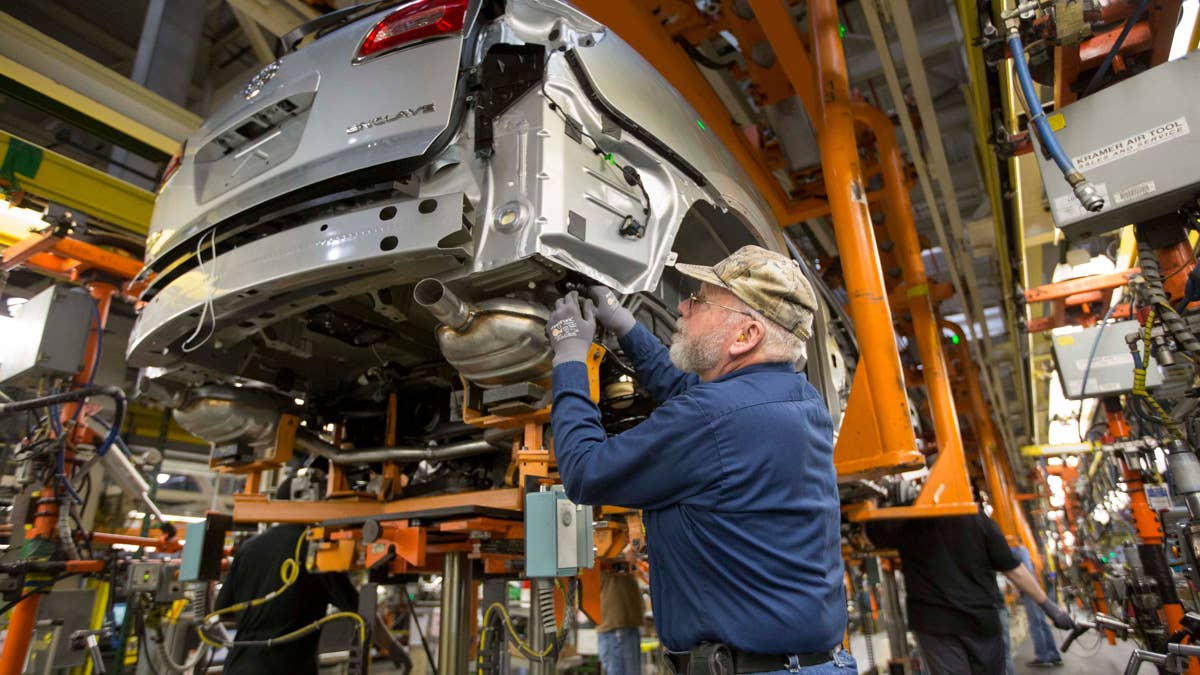
This monumental burden piles onto an already fragile financial foundation. GM expects up to three and a half billion dollars in tariff-related expenses this year, while Ford projects a one billion dollar net hit. Despite anticipating massive recent tariff rebates, automakers warn that modern vehicles rely on deeply entrenched global supply chains. You cannot instantly localize manufacturing when thousands of complex parts originate overseas.
The supply chain web is growing increasingly complicated by the day. Lawmakers are aggressively scrutinizing vehicle origins, floating the idea of entirely blocking Chinese components from the domestic market. Strangely, foreign rivals importing cars to the U.S. currently face a simple flat fifteen percent tariff, while domestic brands navigate an absurdly complex web of levies on imported steel and aluminum.
Jeffrey Sauger for General Motor
Local Manufacturing at All Costs
The ultimate irony of this aggressive onshoring strategy is that it inadvertently penalizes the very companies attempting to build cars in America. If upcoming trade policies aren’t carefully calibrated, they will render North American production fundamentally uncompetitive. Industry executives acknowledge the global reality, with Ford’s CEO recently admitting their best manufacturing plants are located overseas, highlighting the steep capital investment required to match international production efficiency.
Ultimately, the everyday American consumer will foot this massive bill. The political push for domestic purity directly conflicts with the modern buyer’s shrinking budget. As new vehicle prices inflate to cover these localized manufacturing costs, market analysts predict frustrated buyers will inevitably demand access to cheap Chinese EVs. Washington’s desire for domestic dominance sounds great, but it ensures you will pay a massive premium.
Ford