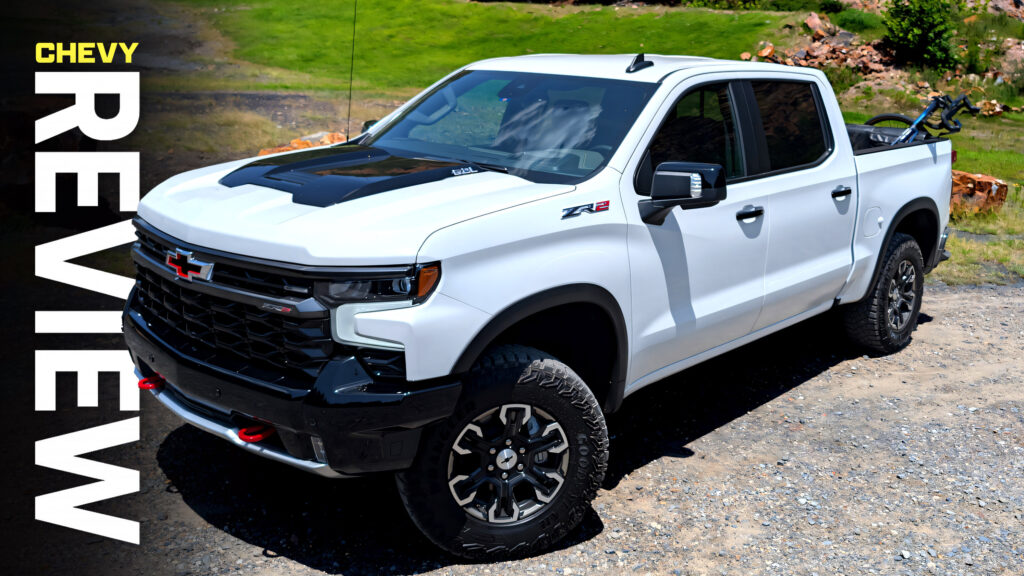
CONS ›› Poor fuel economy, huge footprint, Somewhat subtle
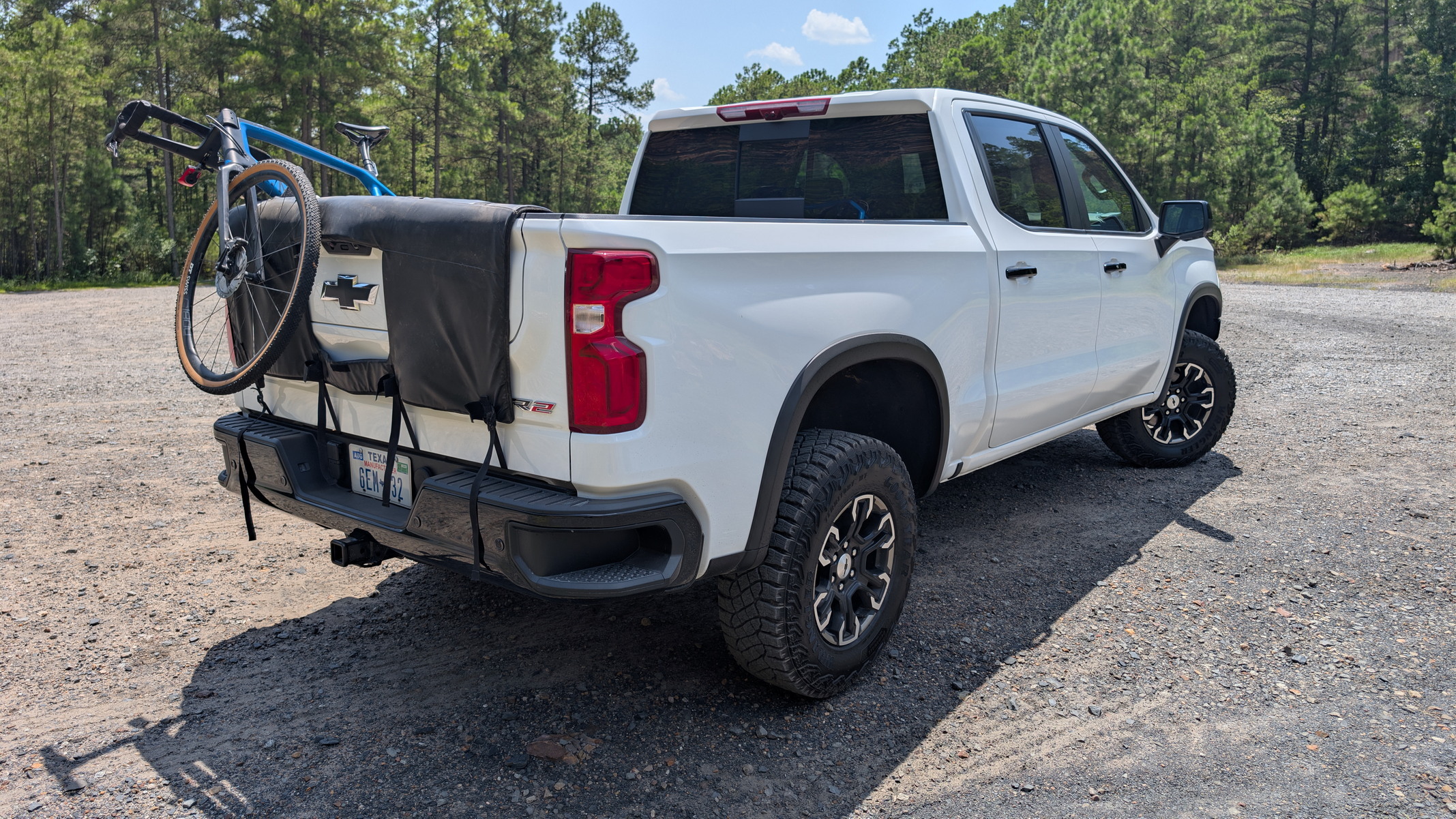
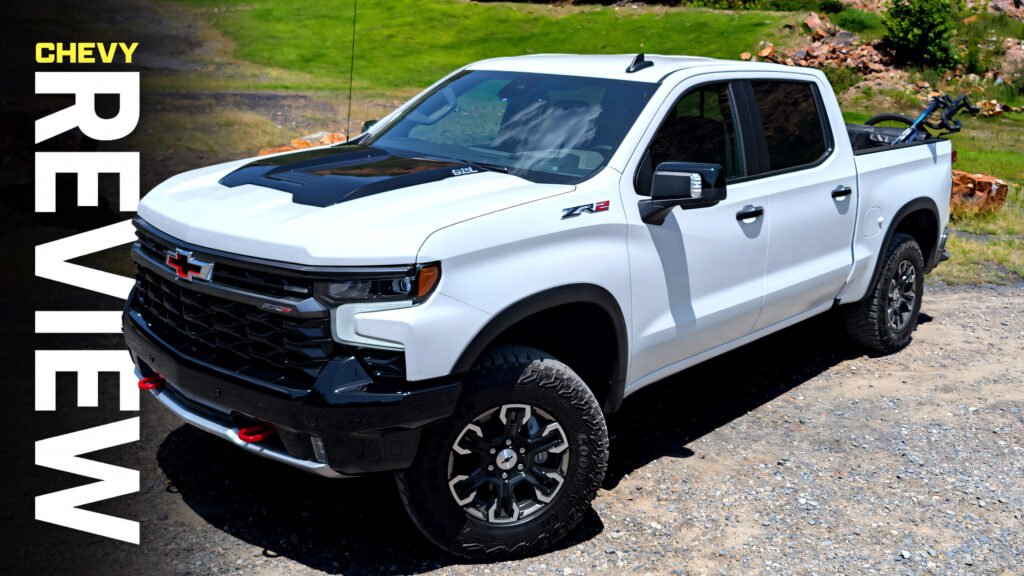
Some trucks make a statement, and then there are trucks that make it difficult for the car beside them to see the statement. The 2026 Chevrolet Silverado ZR2 is firmly in the latter camp. It is 232.8 inches (5,912 mm) long, more than 81 inches (2,063 mm) wide before you account for the mirrors, and it wears a giant grille, a tall hood, 33-inch (838-mm) mud-terrain tires, and two bright red recovery hooks right out in the open.
Review: Ram’s New $100K SRT TRX V8 Is Complete Nonsense, And Worth Every Penny
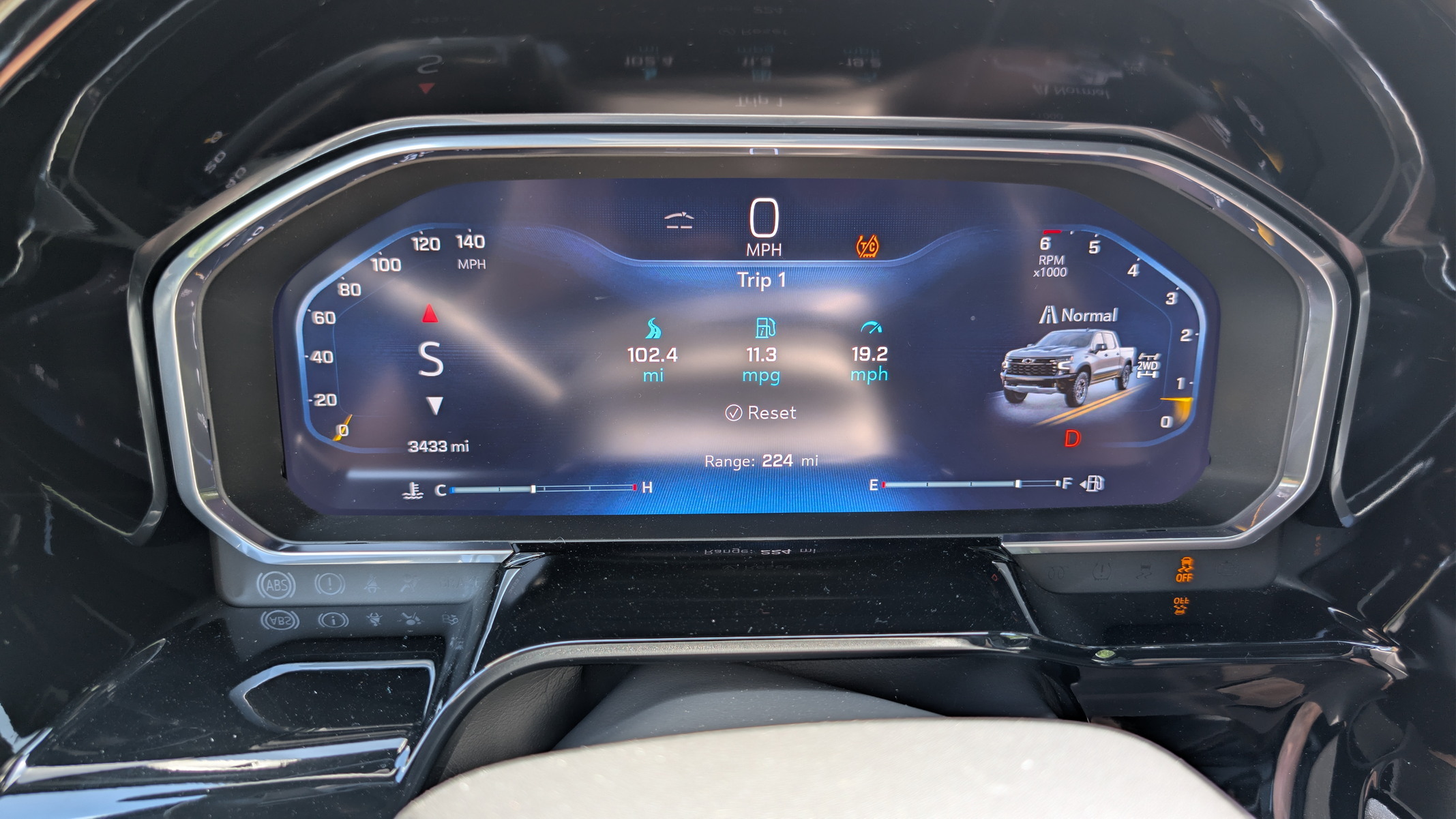
It is properly capable, too. Its 6.2-liter V8 makes 420 hp (313 kW) and 460 lb-ft (624 Nm), while front and rear lockers, a two-speed transfer case, skid plates, and Multimatic DSSV dampers turn nasty trails into a much smaller problem. But my $76,290 test truck averaged 11.9 mpg (19.8 L/100 km) over 210 miles (338 km), and simply driving it through town can feel like trying to park a moderately equipped fishing boat.
Quick Facts
SWIPE
So the question is not whether the Silverado ZR2 can do serious work. It plainly can. The question is whether the people who buy it will get enough opportunity to use that ability to justify the money, fuel, size, and compromises it asks for in return.
Styling: Butch And Anonymous
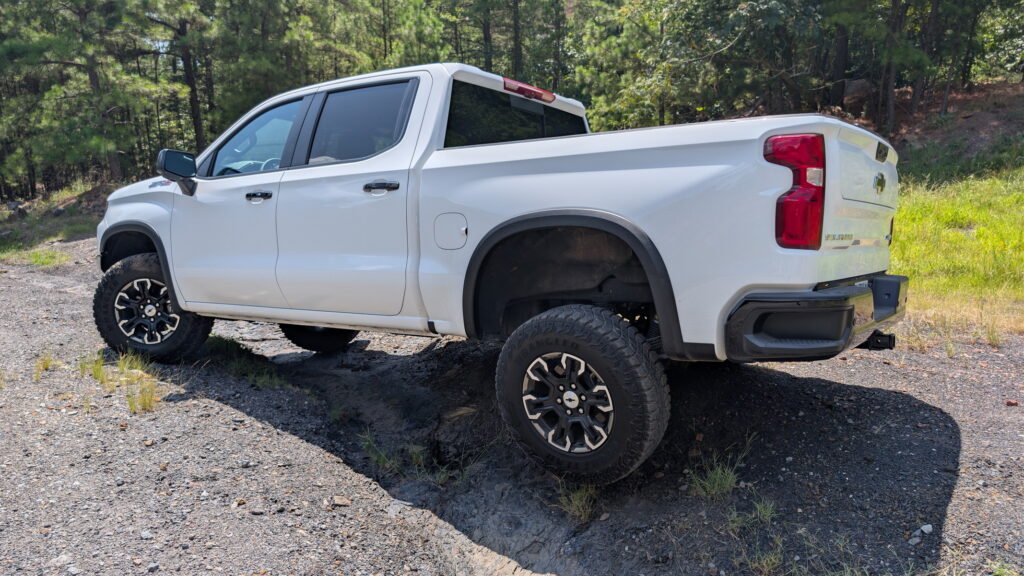
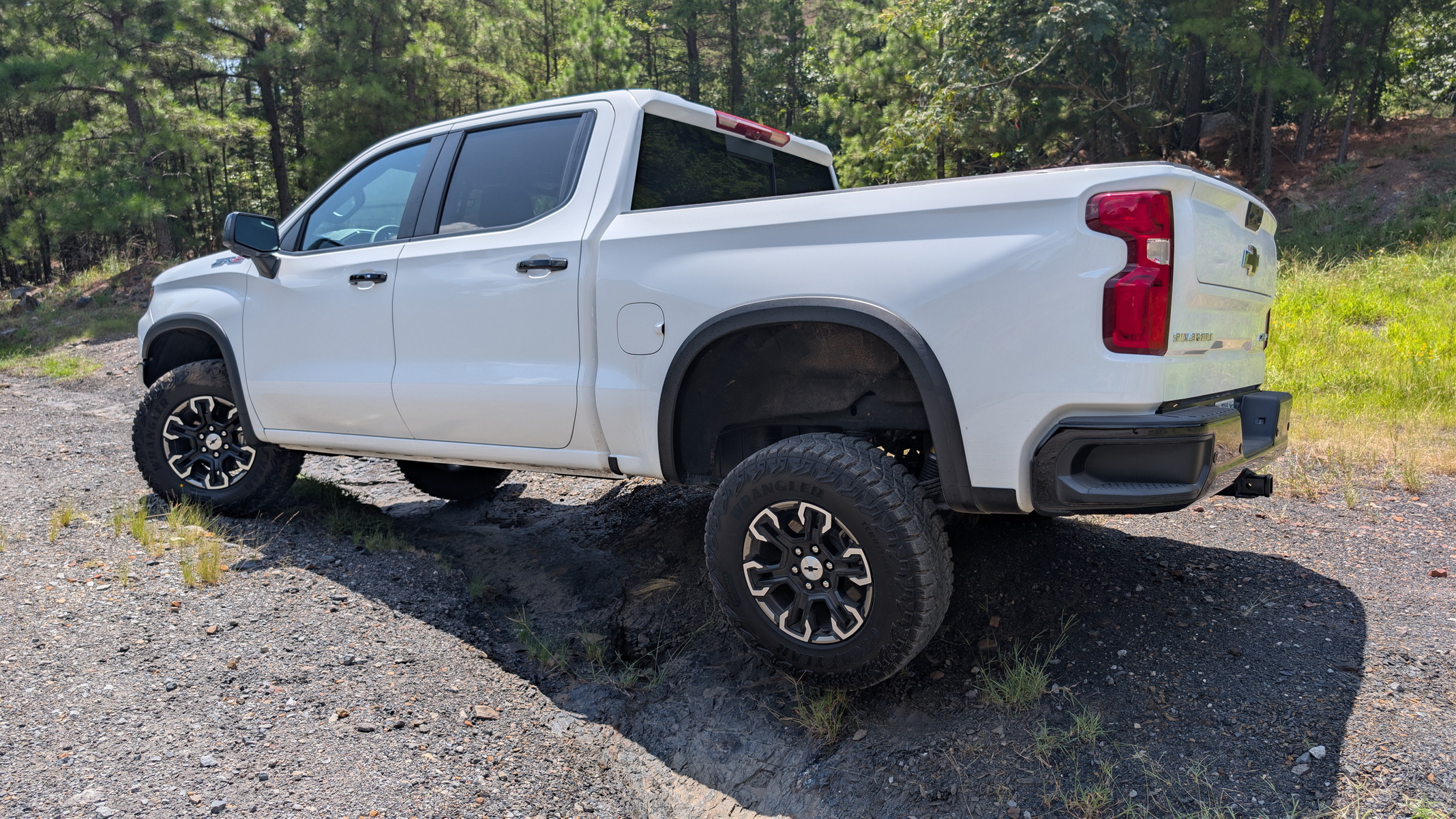
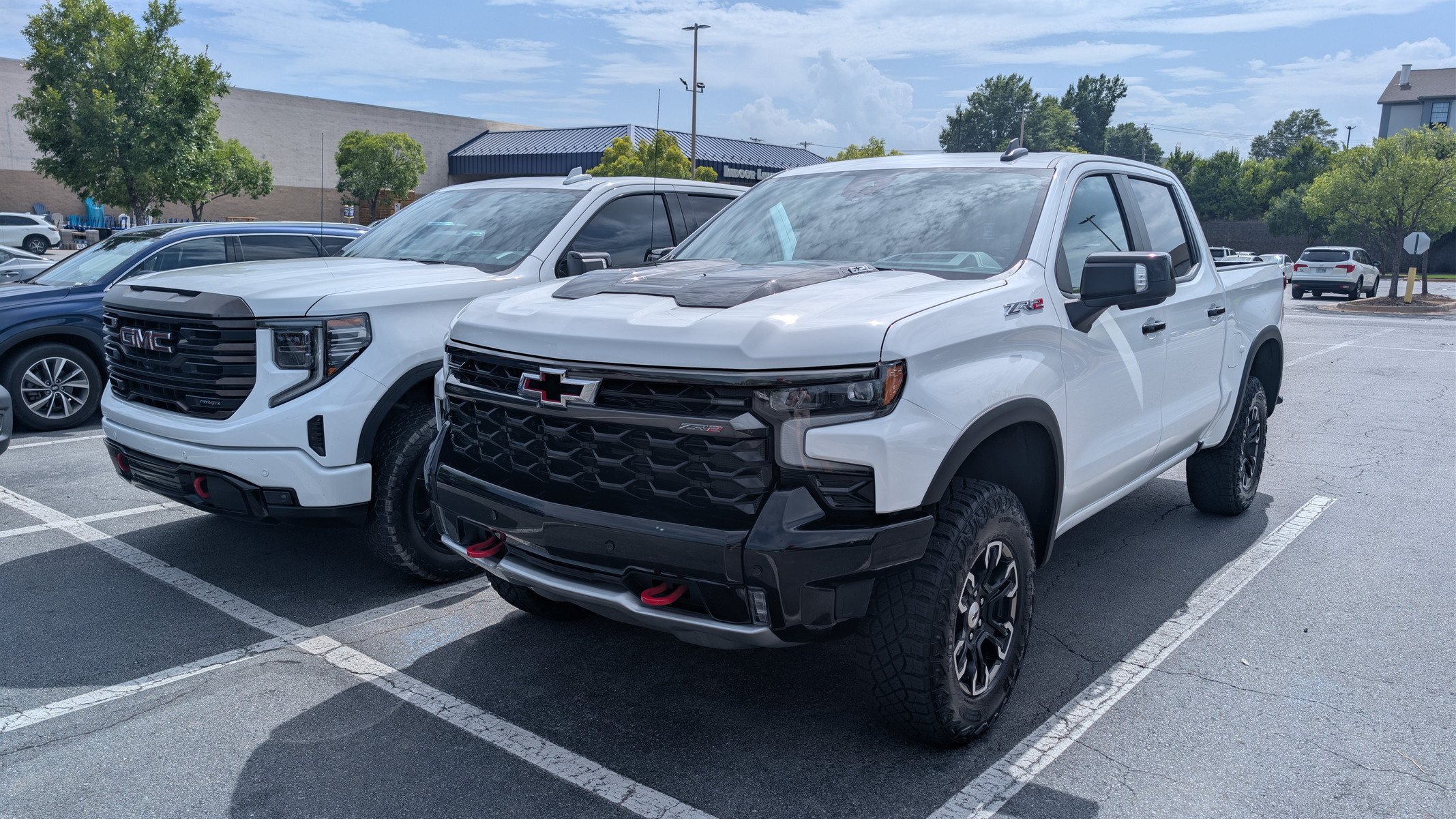
The Silverado ZR2 is big in the unapologetic, old-school sense. The hood is tall and broad. The grille is huge. The bumper looks like it could swallow a few compact cars. Chevrolet has fitted it with black fender trim, black wheels, a raised stance, and red tow hooks that make it clear this is not the version you buy to preserve fuel. From the front, it has presence. A lot of presence. Whether it has personality is another discussion.
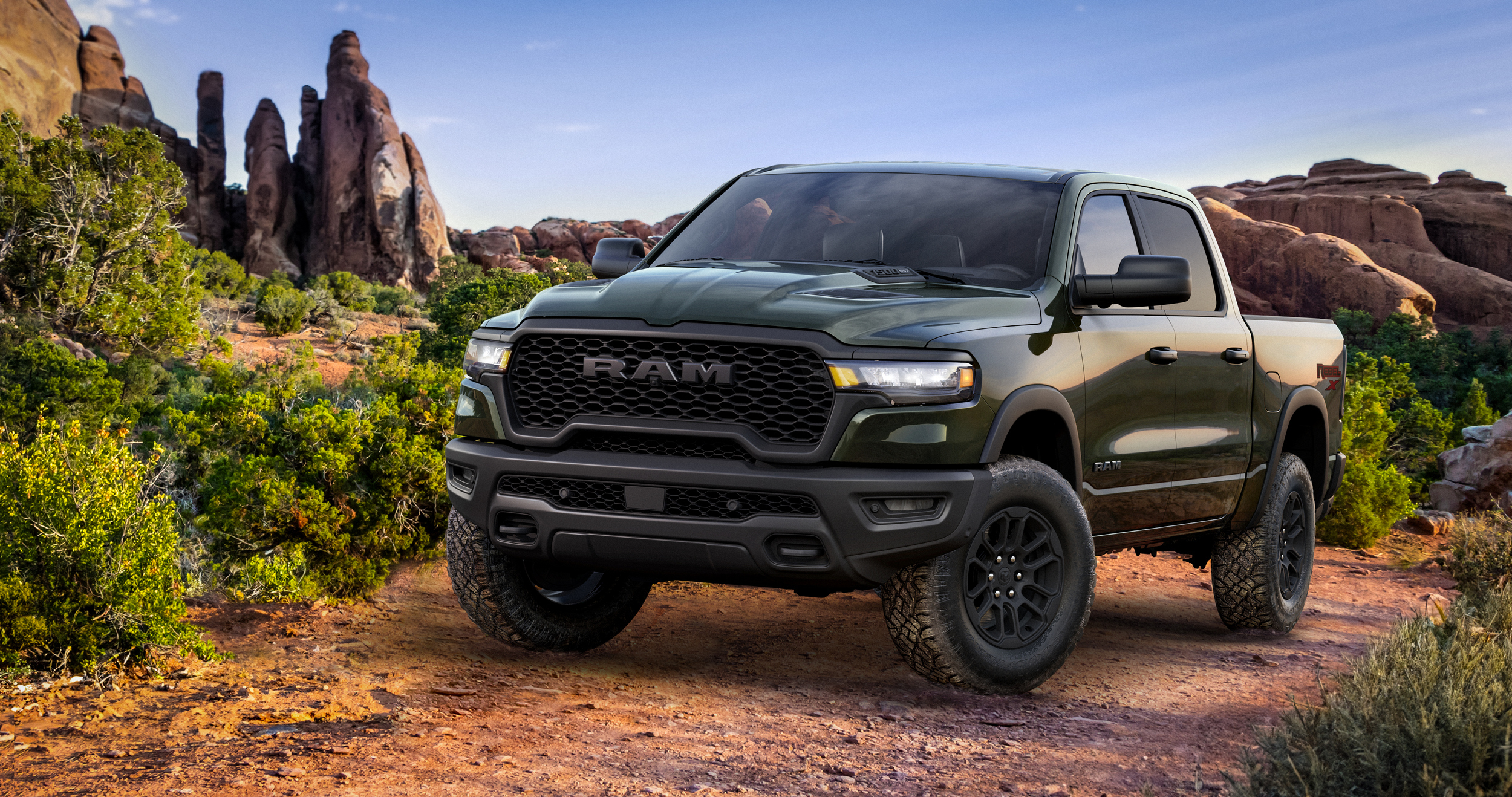
To my eye, the grille and hood look massive without having much charm. The F-150 Raptor has a cartoonishly wide face and seems proud of it. The Ram RHO has visual drama, while the TRX is basically an automotive energy drink with license plates. The Silverado takes a quieter approach.
Of course, that could be exactly the point. Take off the ZR2 badges, and this looks, from the side, like a lifted Silverado with meaty tires. Some buyers will appreciate that understatement. The red inside of the FlowTie is a great example of this. It looks capable without broadcasting that you would rather be in Baja. Still, at this price, it does not feel quite as special as an RHO, a Raptor, or even a Ram Rebel.
Chevrolet does not really offer a direct Raptor or RHO rival. The ZR2 is the company’s closest thing, but it feels more like a polished answer to the F-150 Tremor or Rebel than a truck designed around blasting across the desert at full tilt.
A Cabin Full Of Bright Spots
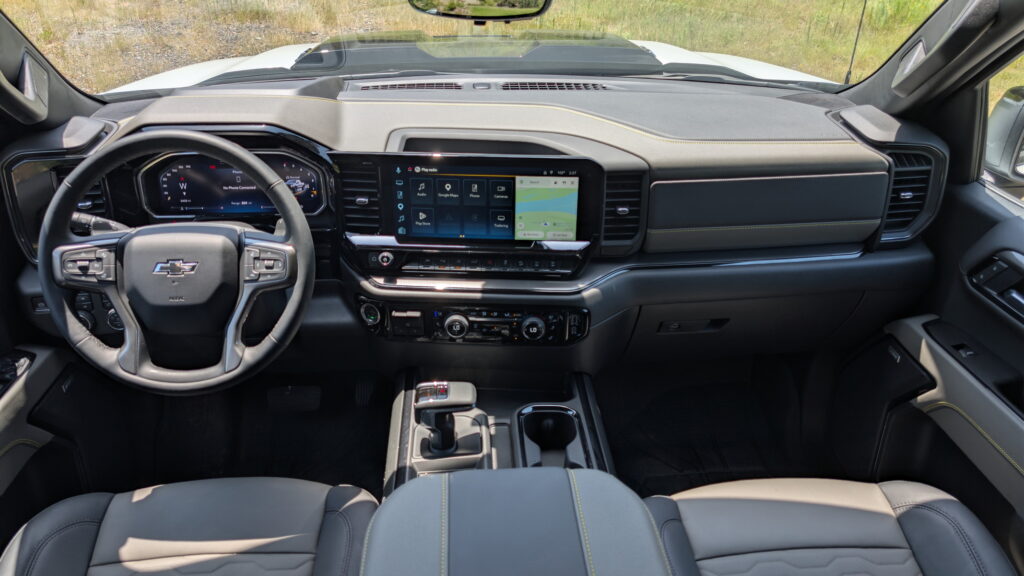
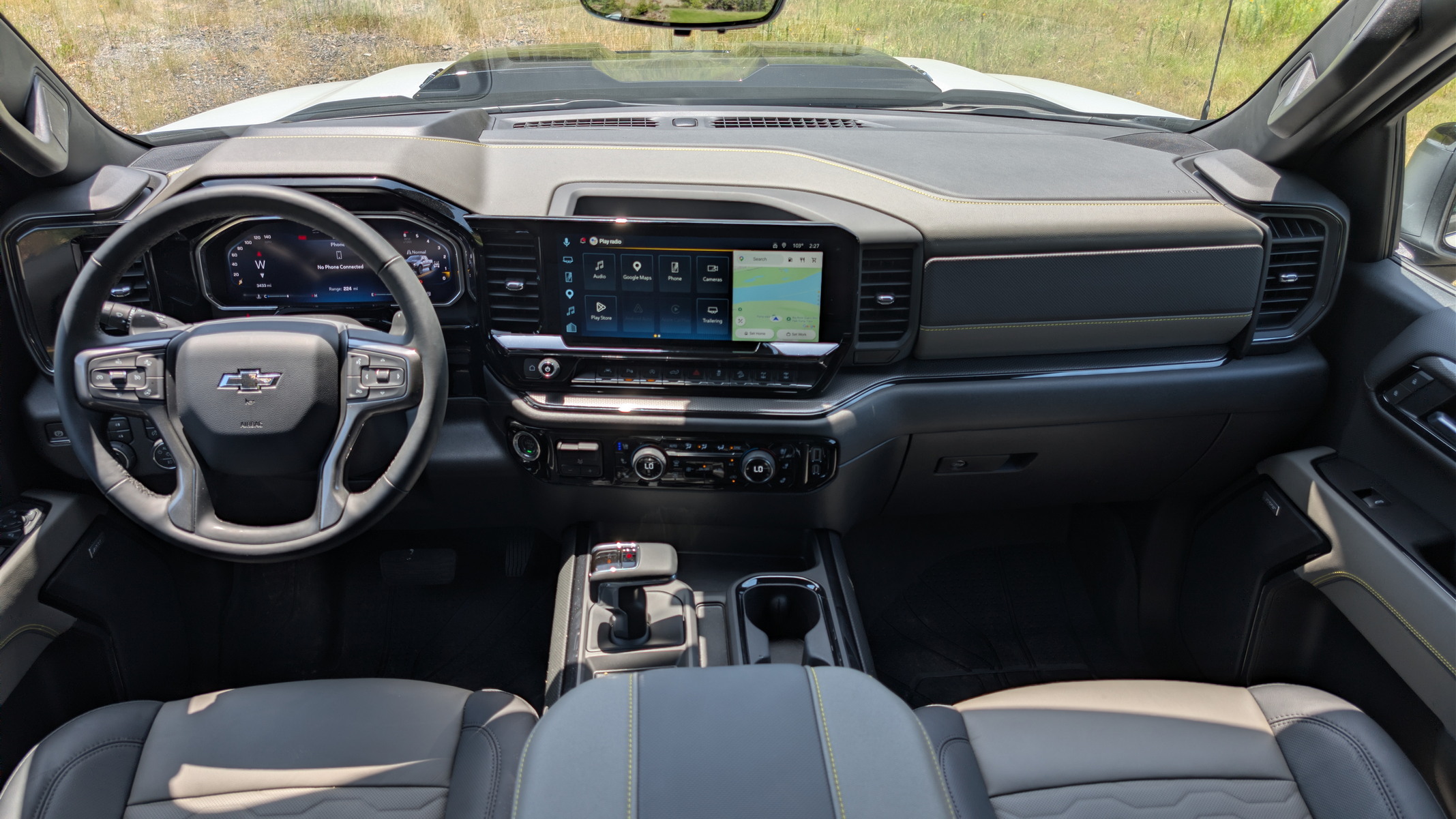
The cabin is the best part of the Silverado ZR2 experience. Chevrolet has built a proper command center here. The infotainment screen is large, sharp, quick to respond, and easy to understand. Its graphics are excellent, as are those in the digital driver display. Everything reacts promptly, which is more important than it sounds in a vehicle loaded with menus, cameras, and off-road settings.
What’s more, the ZR2 has physical controls where it matters. There are real climate knobs and buttons. There is a secondary control stack below the screen. There are toggles for truck functions. Chevrolet even includes a physical control for the head-up display. That’s refreshing. It means you don’t have to bury yourself in a screen menu while trying to guide a 232.8-inch (5,912-mm) truck down a narrow trail or into a tight parking space.
Read: Canada May Be Losing The Silverado 1500 For Good
Not every touchpoint feels worthy of a $76,290 sticker. Some plastics are cheap-feeling, and the steering-wheel buttons and switchgear do not feel especially expensive. The materials are premium enough, though. They should age well, clean up easily, and survive years of dirty boots, dogs, kids, and work gloves. This is premium in a durable-truck sense, not luxurious in a Cadillac way.
The column shifter is also strange. It looks like a piece pulled from a boat rather than a modern $76,000 pickup. It works fine, but it is awkwardly shaped and oddly disconnected from the rest of the cabin’s otherwise modern design.
Additionally, storage is excellent. Chevrolet’s hidden upper glove box is especially clever because you can miss it entirely until someone shows you where it is. There are generous door pockets, a substantial center console, and plenty of places for tools, cables, snacks, or all three.
Rear-seat passengers get heated outboard seats, climate vents, power ports, and an impressive amount of legroom. In fact, this Silverado 1500 feels like it has a touch more rear-seat space than a Silverado 2500, which may surprise people assuming the heavier-duty truck automatically means more room for passengers. Packaging matters, folks.
There’s more storage under the rear seat, and each outboard rear seatback has its own pull-open storage compartment. That’s a smart use of the cabin. Materials also carry over nicely from the front seat, although the rear bench has less lateral support. Get sufficiently rowdy off-road, and the passengers in back may find themselves working harder than those in front to stay planted.
Driving Impressions: BIG On Everything
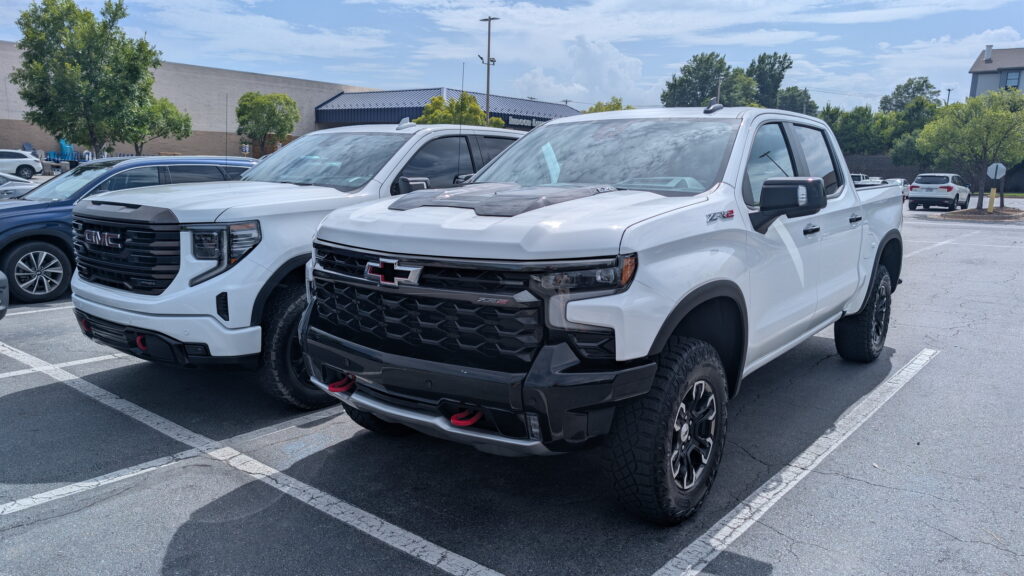
The overwhelming Silverado ZR2 impression is simple. This truck feels huge. It’s not a Silverado 2500 or a Ford F-250, but it doesn’t need to be. From behind the wheel, the massive hood seems to stretch toward another county. The truck takes up a lot of its lane. The mirrors are enormous. In tight parking lots, narrow urban roads, and parking garages, you need to be deliberate.
That size affects nearly everything. The V8 has enough power, and 420 hp (313 kW) with 460 lb-ft (624 Nm) is nothing to dismiss. Yet the ZR2 has a lot of mass and a lot of tire to move. It never feels slow, but it also never feels sprightly. The 10-speed automatic does its work unobtrusively, and the V8 has the kind of easygoing grunt buyers expect, but this is not a truck that encourages you to drive unless you really, really need people to see you in something this big.
The steering has more weight and heft than many modern trucks, and the brakes are similarly linear rather than sharp. Nothing feels vague or difficult to control. You simply have to make decisions early and execute them deliberately. Around town, that is occasionally annoying. The Silverado barely fits into some lanes, much less narrow drive-throughs, cramped lots, and urban parking garages. It is the sort of vehicle that makes a perfectly normal trip for coffee feel like a hassle rather than a quick jaunt.
Review: What It’s Like Living With A Chevy Silverado 2500 HD In The Land Of Hilux
On the highway, though, it is surprisingly comfortable. The Multimatic DSSV dampers deserve the credit. They deliver impressive body control without making the truck feel punishing, and they soften broken pavement better than a lifted truck on mud-terrain tires should be able to. The ZR2 is a genuinely pleasant long-distance cruiser. Just don’t throw it into a cloverleaf curve like you are in a Raptor. It is composed, but it is still a large pickup with a tall stance and 33-inch (838-mm) off-road tires. Physics makes itself known routinely in this truck.
Off-road is where the whole package makes sense. We didn’t take it to a hardcore off-road park or a high-speed Baja course, but we did put it through gravel, rocks, dirt, mud, and ruts that would stop almost any normal crossover or SUV. The ZR2 simply kept moving. The dampers make it easy to pilot through rough terrain without feeling like the truck is skipping around beneath you. The available traction, clearance, tires, and lockers give you the confidence to keep going. It is not playful in the way a Raptor can be, but it is very, very competent.
Fuel Economy: The Bill Comes Due
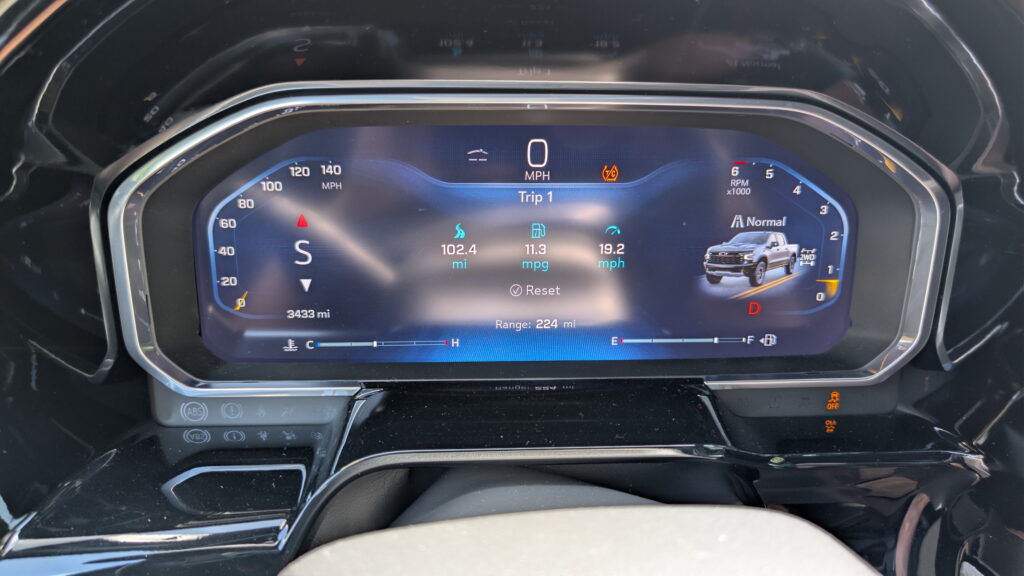
My 210+ mile (338-km) evaluation average of 11.9 mpg (19.8 L/100 km) deserves context. Almost all of those miles were in town, and some involved off-road driving. That is about as hostile an environment as possible for a large V8 truck wearing 33-inch (838-mm) mud terrains. Even so, it is hard to shrug off.
The EPA rates the ZR2 at 14 mpg city, 17 mpg highway, and 15 mpg combined, equivalent to 16.8, 13.8, and 15.7 L/100 km, respectively. That means Chevrolet expects owners to spend $12,250 more on fuel over five years than the average new vehicle, according to this truck’s window sticker.
This is where the math gets uncomfortable. The purchase price is high. Fuel is expensive. Tires will not be cheap. Maintenance will not be cheap. Insurance probably will not be cheap. None of that makes the ZR2 a bad truck, but it does mean this is a truck that should be bought because you need its capability, not because you like the idea of it.
Competition: More Rebel Than Raptor
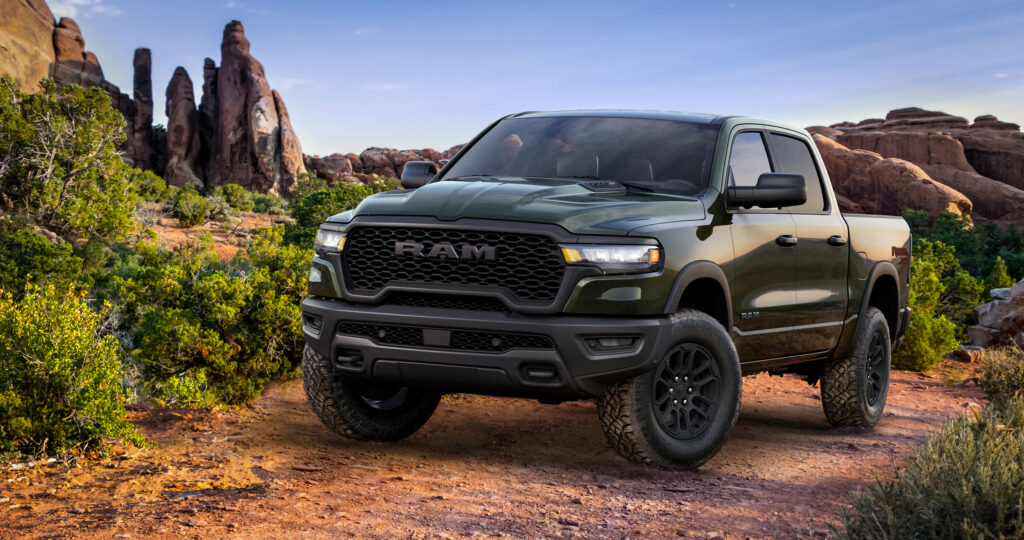
The Silverado ZR2 is not as fast, featureful, or visually exciting as the Ram RHO. It falls further behind when you compare it with the F-150 Raptor or the Ram TRX. But that does not necessarily mean Chevrolet missed the point.
The ZR2 is better understood as a Ram Rebel competitor. It is an off-road-focused full-size truck intended for people who want substantial hardware, a real V8, and credible trail ability without the wild graphics, huge fender flares, and desert-runner image of the Raptor, TRX, and RHO.
Review: Genesis’s New GV60 Magma Keeps The N Car Madness Without The Boy-Racer Baggage
The F-150 Tremor is probably the most natural Ford comparison. Both are trucks for buyers who actually need four-wheel drive, clearance, good tires, and confidence in rough terrain, but still have to spend the majority of their time on pavement.
The ZR2’s advantage is its ride. The DSSV dampers are not a gimmick. They make this a more composed truck than its appearance suggests, and they may be the best reason to choose it over a less expensive off-road package.
Verdict: A Very Good Truck For The Right Person
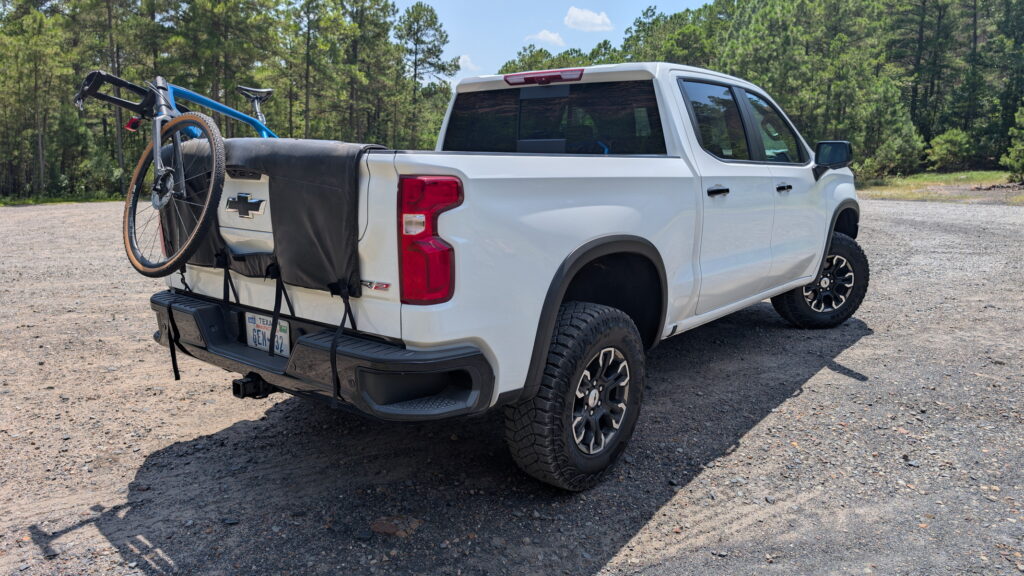
The Silverado ZR2 is expensive to buy, expensive to fuel, expensive to maintain, slow compared with the high-performance trucks around it, and not particularly pleasant in dense urban environments. It takes up too much space, consumes too much fuel, and presents more risk to the people around it simply because it is so large.
It also does not come with the goofy graphics, ridiculous bodywork, or big personality of its headline rivals. Yet none of that makes it a bad truck. It makes it a specialized one.
There are people who genuinely need something like this. Ranchers. Rural firefighters. Landowners. People living in mountain towns, deserts, or places where a rainstorm can turn a normal road into a problem. For them, the ability to drive through ruts, mud, rocks, and gravel while carrying people and gear matters far more than whether the truck feels quick or looks dramatic outside a restaurant.
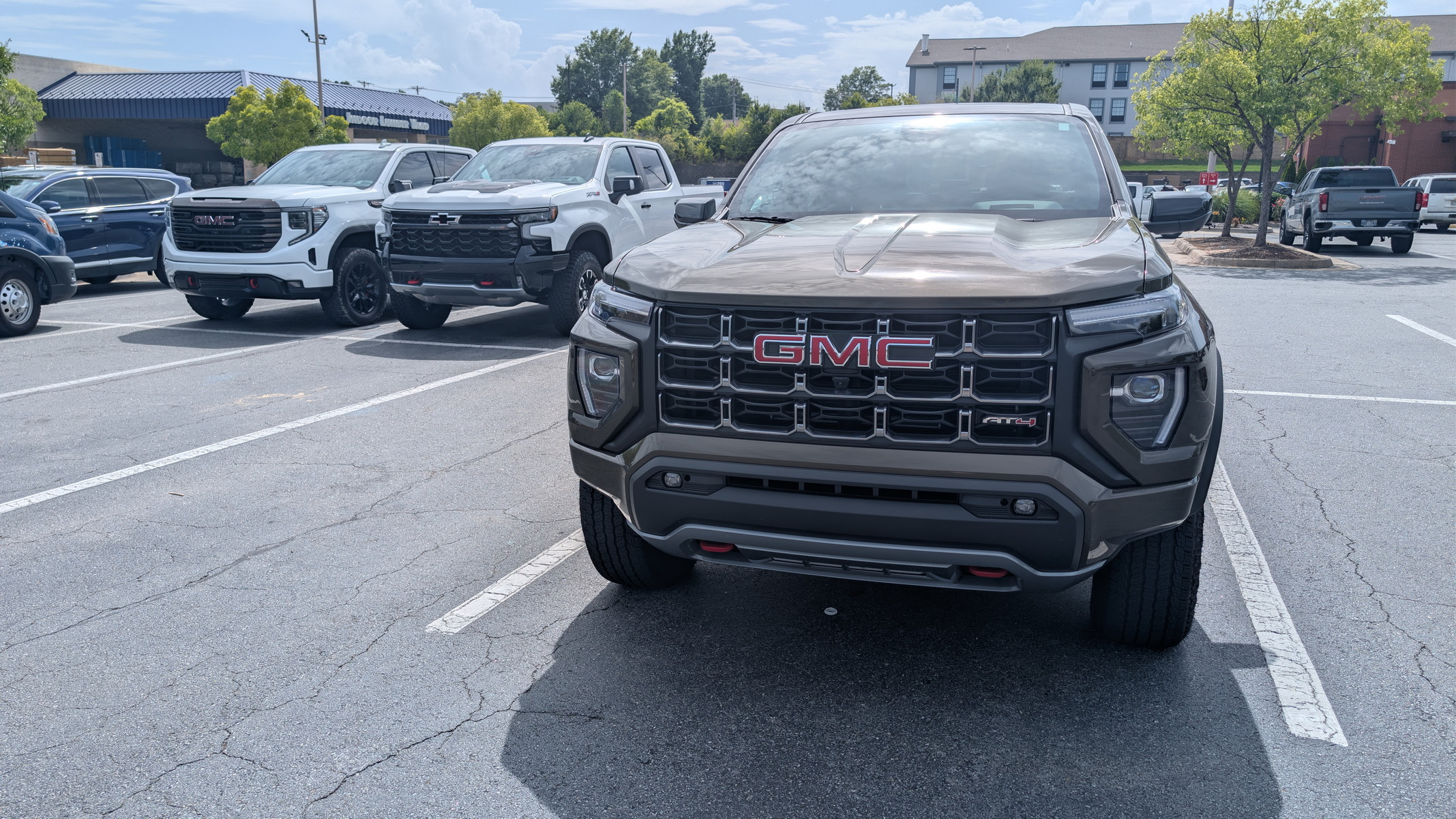
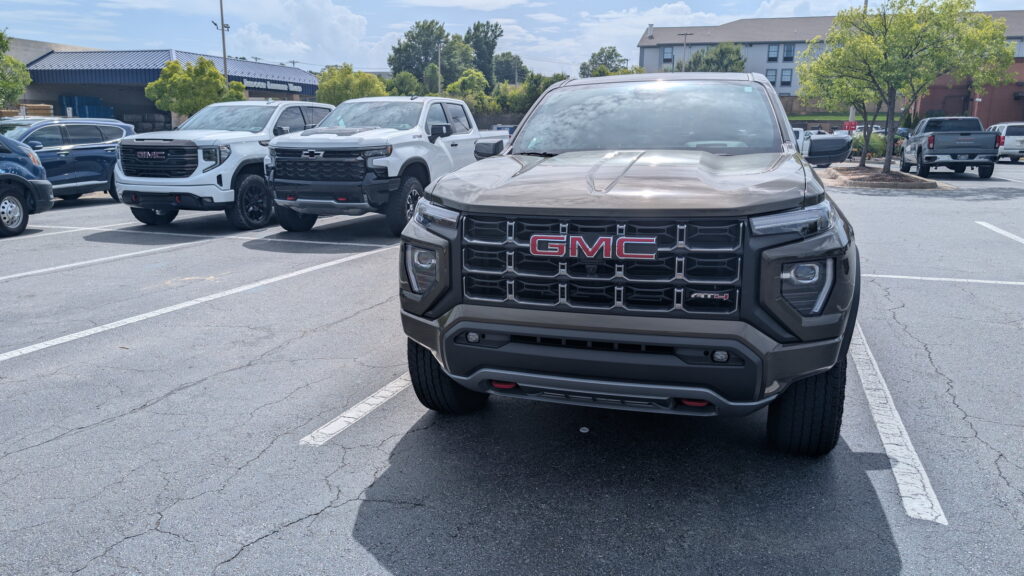
If I were a hardcore Chevrolet buyer in one of those situations, and I could afford the running costs without signing up for six to eight years of absurd debt, I would not hesitate to buy the ZR2 if the smaller, cheaper, and nearly as capable Colorado or GMC Canyon wasn’t available. The Silverado is comfortable, spacious, practical, and genuinely capable. For everybody else, the Silverado ZR2 asks an awful lot for capability they probably won’t use.
Photos: Stephen Rivers for Carscoops