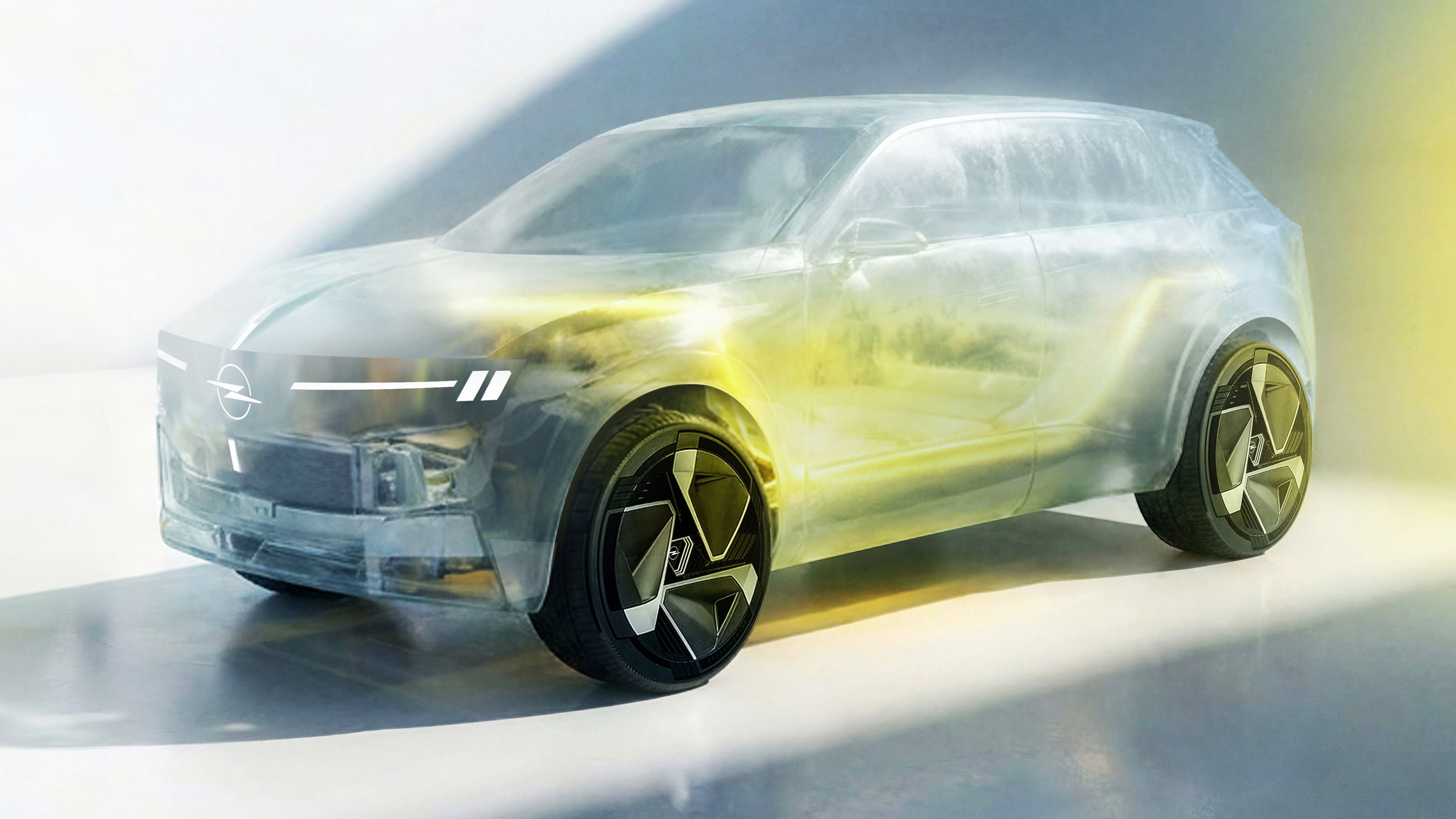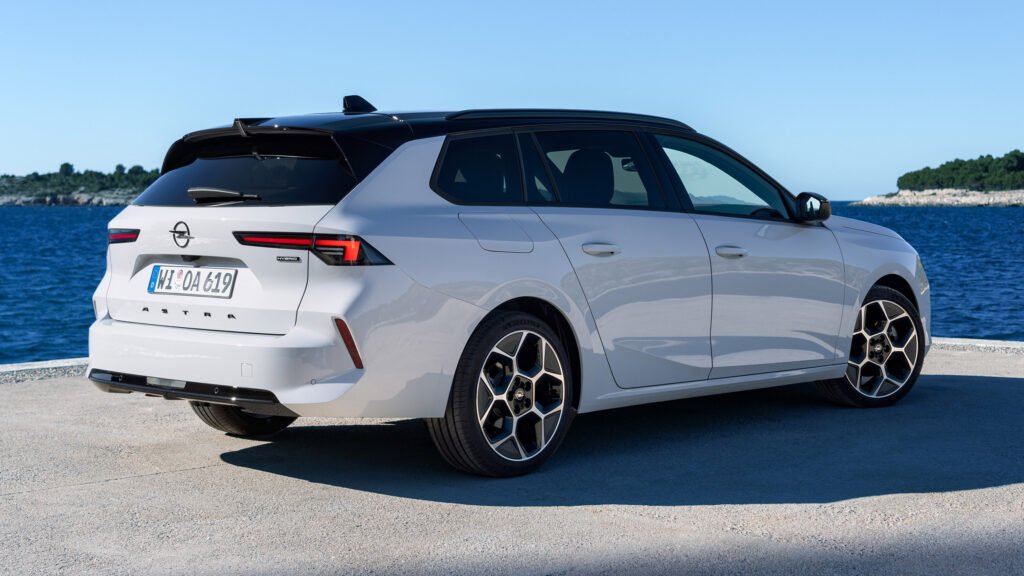
- The next Opel Astra may move away from the traditional hatchback shape.
- Opel CEO Florian Huettl says an estate version is already locked in.
- The new compact model will ride on Stellantis’ new STLA One platform.
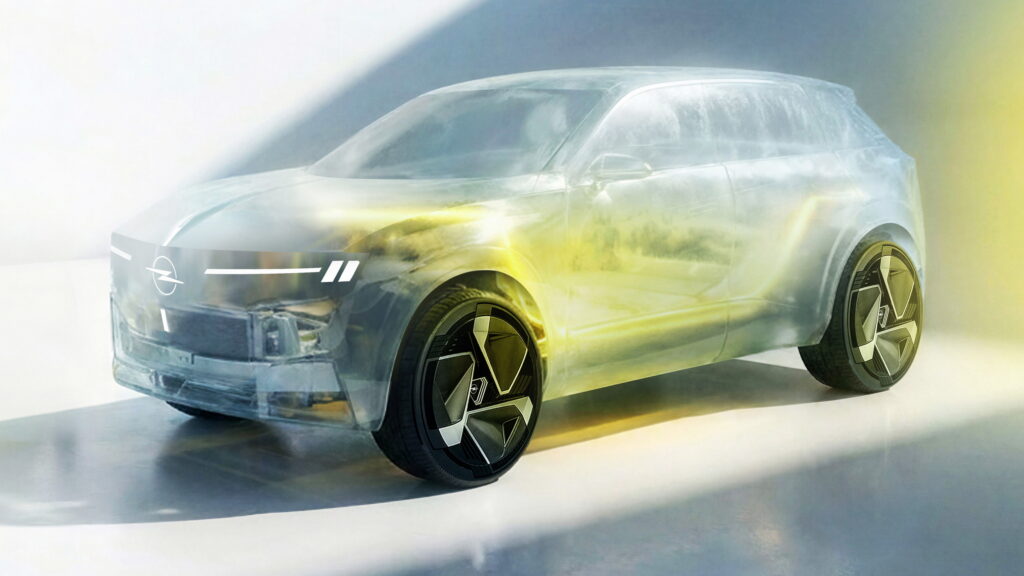
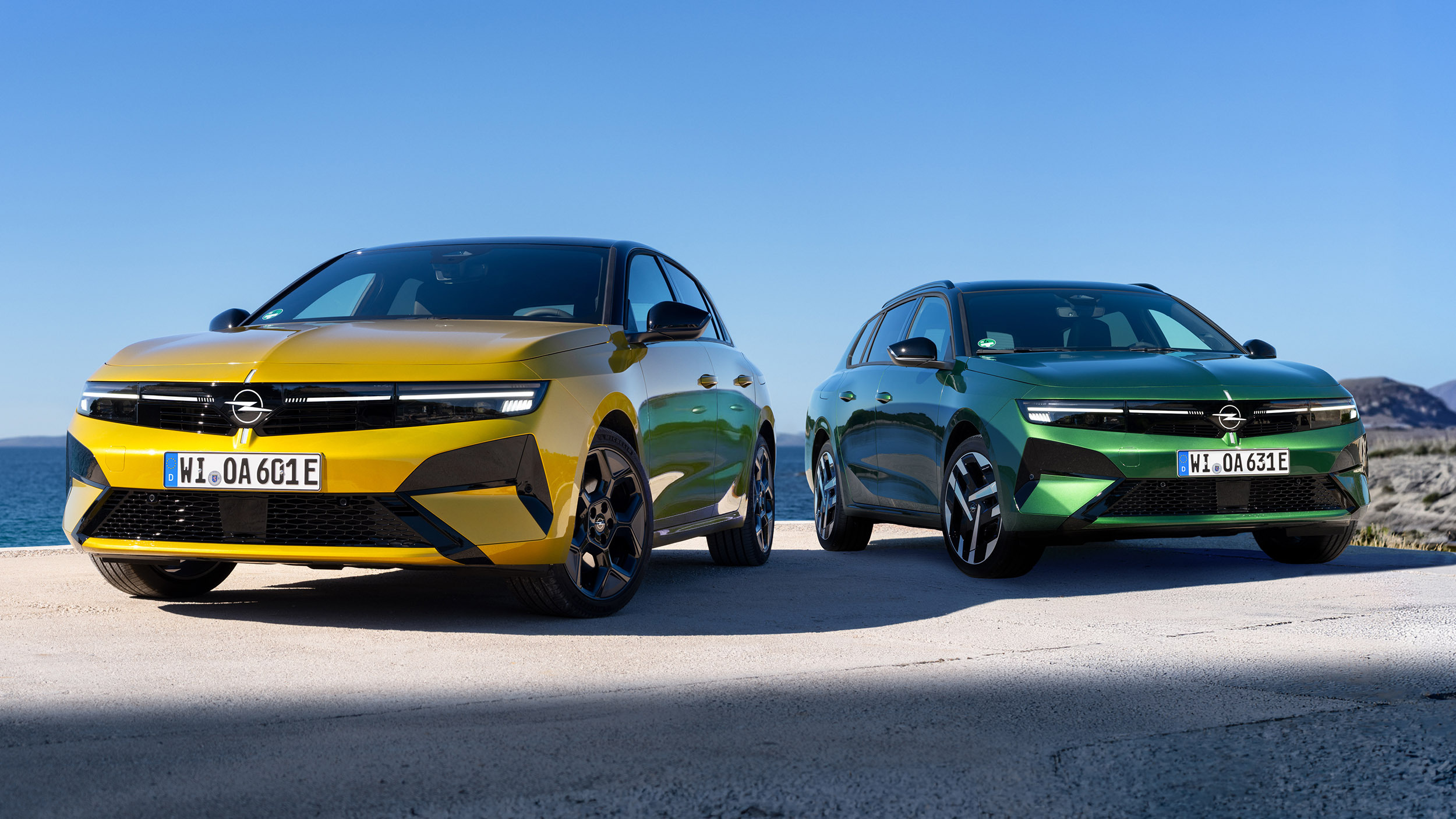
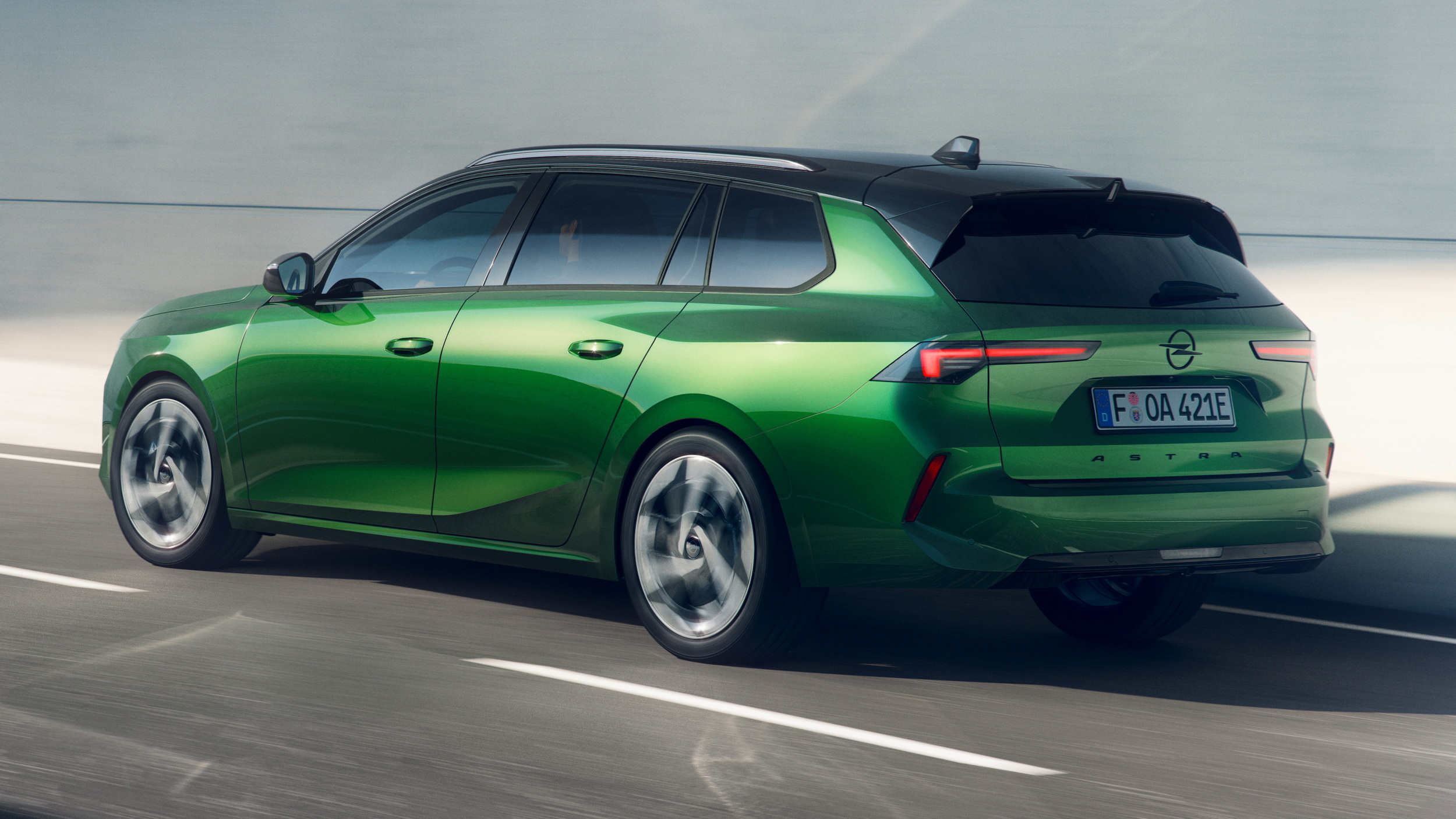
Wagons are quietly leaving the European market, but a few automakers see them as a way to stand apart from the endless run of hatchbacks and SUVs. Opel looks to be one of them. The Stellantis brand is reworking the recipe for the next-generation Astra, walking away from the familiar hatchback shape while making clear the estate isn’t going anywhere.
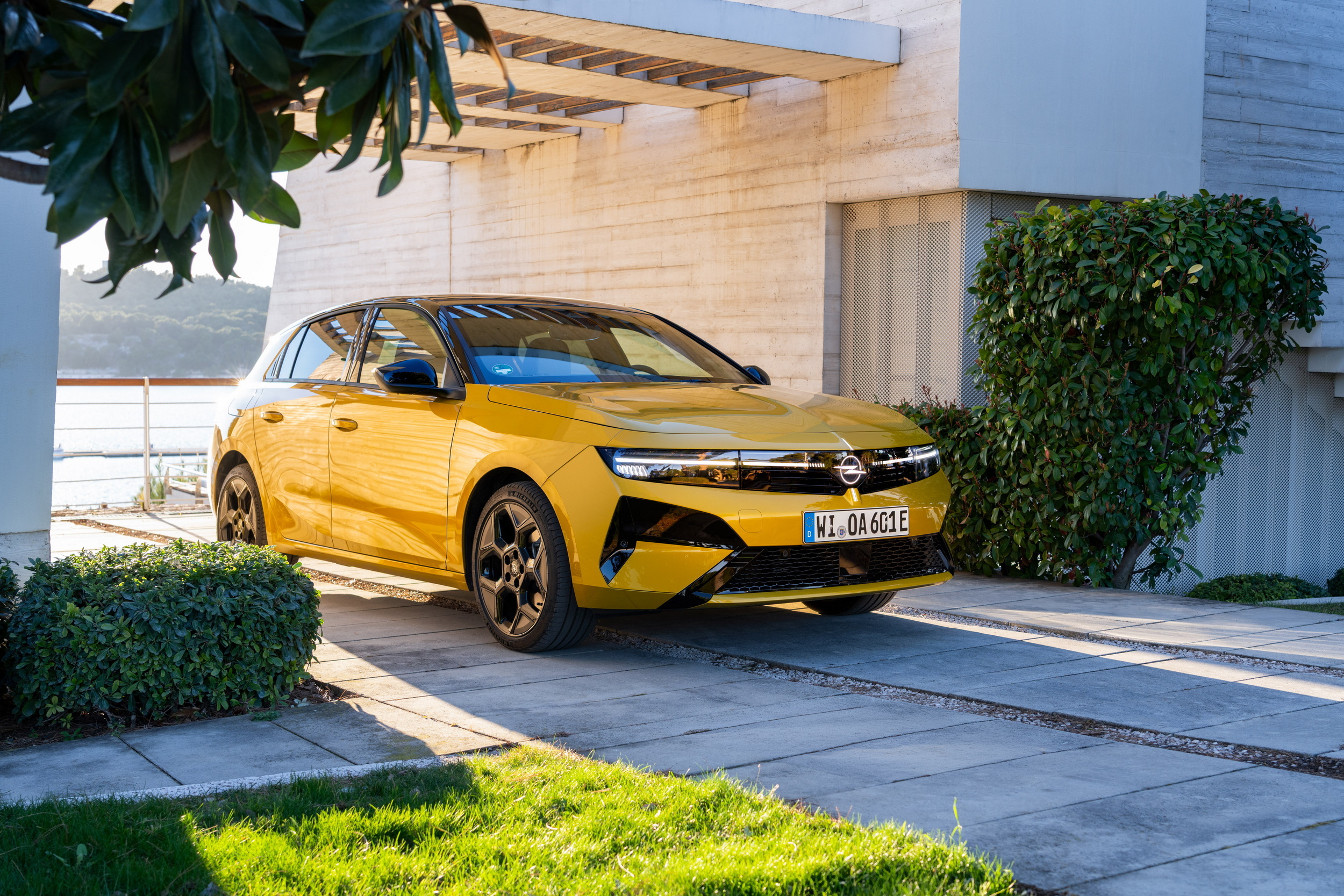
The current Astra landed in 2021 as a close relative of the Peugeot 308, and both cars picked up mid-lifecycle updates in late 2025 to keep pace with the VW Golf and Toyota Corolla. A successor is already locked in, though, with Opel confirming it will arrive before the decade is out.
More: Stellantis Confirms The Next Astra And Corsa Land Before 2030
The Astra has carried hatchback and estate bodies since the original showed up 35 years ago, long after sedans, coupes, and convertibles fell off the roster. The next one could be the car that finally breaks that pattern, and it starts with the shape buyers have always taken for granted.
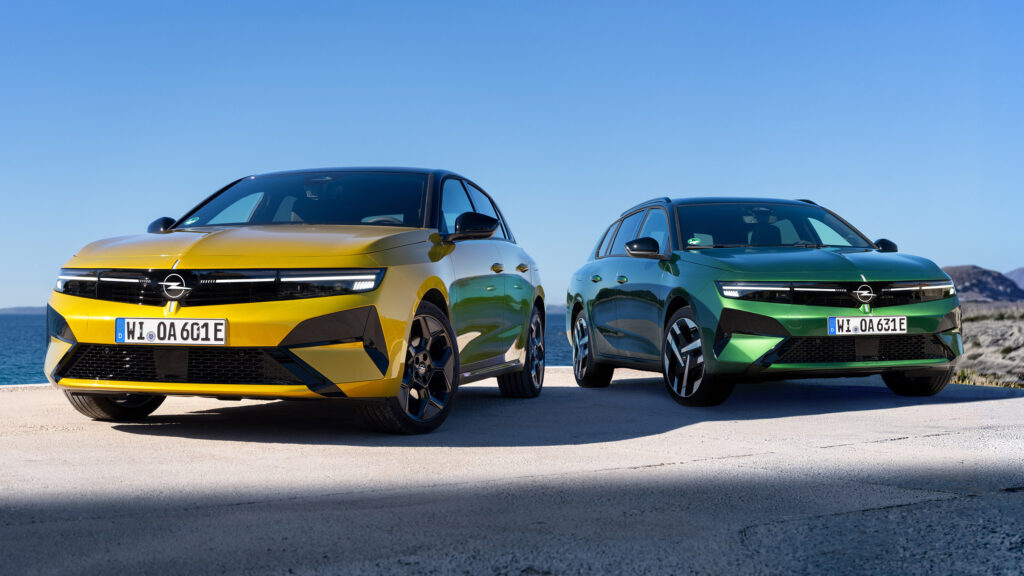
Our colleagues from Auto Express spoke with Opel CEO, Florian Huettl, asking him whether the compact hatchback needs to evolve. His answer left the door open. “It doesn’t mean necessarily that the new Astra is a traditional hatchback,” he said.
Surprisingly, the CEO added: “I can tell you that there will be a station wagon, because that’s what our home market in Germany requires, and this is what we will serve” revealing that interior space will be one of the focus points for the next generation.
The move cuts against the grain of what some mainstream rivals are doing right now. Just last week, the President and CEO of Hyundai Europe came close to confirming the death of the i30 Wagon, with the company steering its R&D money toward higher-margin SUVs instead.
New Platform, New Possibilities
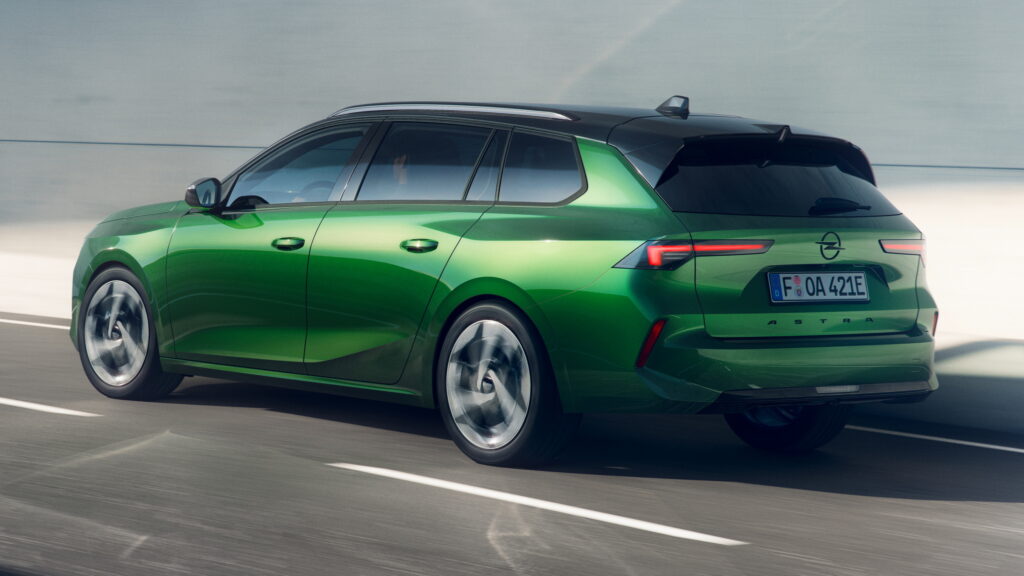
The next Astra will ride on the new STLA One architecture. Huettl said the car will “certainly be a BEV,” though the platform handles more than electric power, which is why Opel is “currently looking at the right calibration of the powertrain offer.”
More: Stellantis Puts Cheap Cars Under $30,000 Back On America’s Menu
The CEO revealed that while Opel sells plug-in hybrid variants of the Astra and the Grandland, their sales are “by no means at the same level of importance as the fully electric or the hybrid variants.”
He added that range extender setups are “quite interesting,” although early examples of the technology “may struggle to digest” driving on German highways at 130-140 kmh (81-87 mph). That could change down the line, potentially with help from Stellantis’ Chinese partner Leapmotor.
Production To Remain In Germany
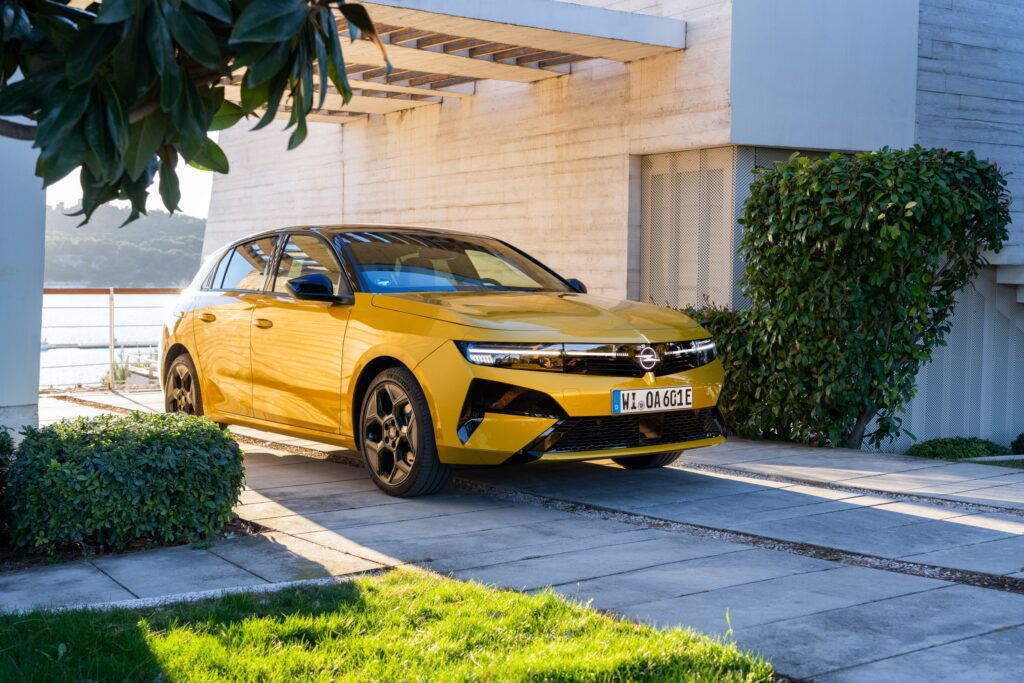
Despite the recent layoffs from its R&D facilities at the Russelsheim headquarters, the new Astra will be manufactured at the same plant, backed by fresh investment.
More: Stellantis Swears Its Rebadges Won’t Be Lazy, But Only Four Brands Get 70% Of The Cash
A major Astra makeover isn’t the next thing on the calendar, though. Opel has more new models coming first, starting with a new generation of the smaller Corsa expected in 2027, followed by a Leapmotor-based compact SUV and a fresh Mokka. And unlike Stellantis stablemates Citroen and Fiat, both busy with the 2CV and the next Pandina as budget EVs, Opel isn’t chasing that segment.