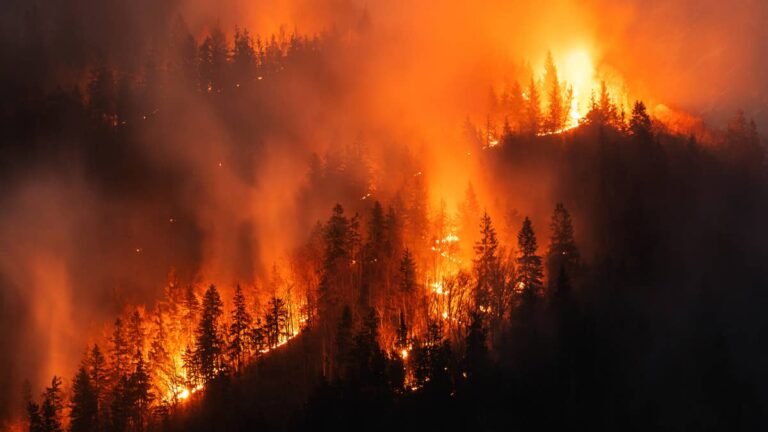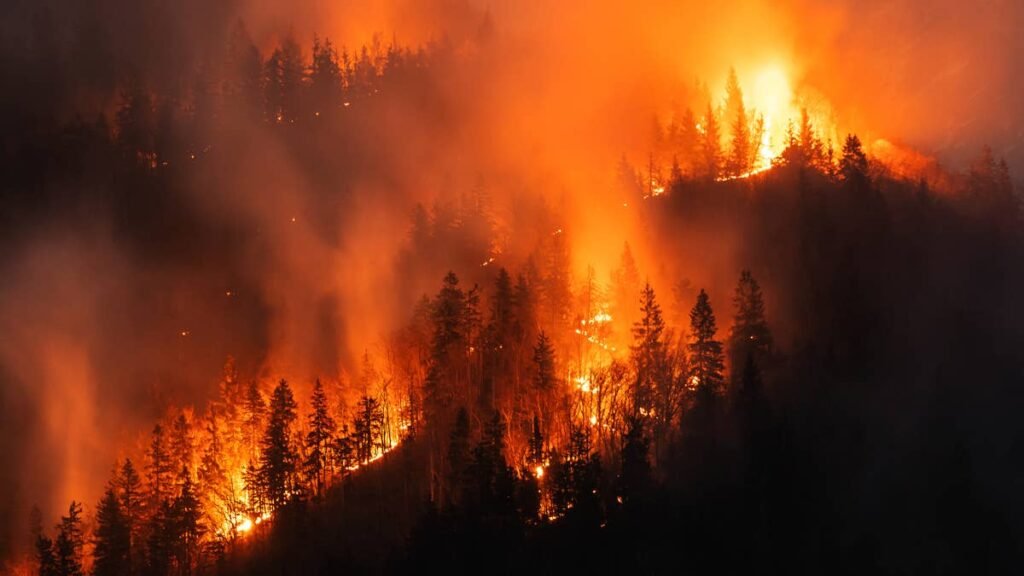
The American West is on fire again, and this round comes with a warning Utah forecasters have never had to issue before. The Cottonwood Fire in Beaver County has exploded to more than 71,000 acres and sat at 0% containment as of Thursday night, making it the largest active wildfire in the country right now.
About 70 miles to the north, the Iron Fire near Eureka has scorched more than 40,000 acres and is roughly 26% contained, with crews finally lifting the worst of the evacuation orders that emptied the small town earlier in the week.
The Iron Fire reportedly started the way an alarming number of Western wildfires do: with a vehicle. Officials say the blaze was sparked by a vehicle malfunction that spread from the machine into bone-dry wildland grass. It is a sobering reminder that a hot exhaust component, a dragging brake, or a stray spark from underneath your car can turn a roadside shoulder into a 40,000-acre disaster in a matter of days.
Catalytic converters run hot enough to ignite dry grass, and we have seen this exact scenario play out before. Back in 2021, a broken catalytic converter shedding red-hot fragments onto the roadside was blamed for Utah’s Parleys Canyon Fire, part of a pattern in which cars and trucks were tied to well over a hundred fires in a single state in one year. More recently, even an off-roader got in on the act when a stuck Jeep Wrangler sparked a 20-acre wildfire in Florida after its hot exhaust met dried grass.
Forecasters are calling for relative humidity as low as 3 to 10% and southwest wind gusts of 30 to 50 mph stretching from the lee of the southern Sierra into southern Nevada, northwestern Arizona, and Utah. In those conditions, established fires like Cottonwood can see explosive, wind-driven growth, and a single new spark can outrun crews almost instantly.
More than 150,000 acres have already burned in Utah this year, and roughly a third of all active wildland firefighters in the country are now deployed across the Great Basin.