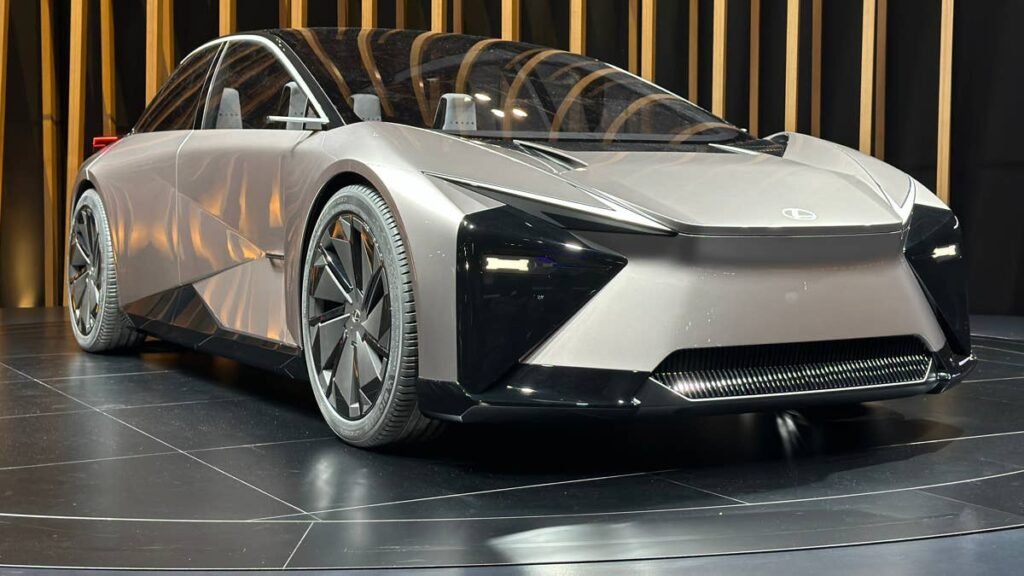
The Bold Lexus Concept That Almost Happened
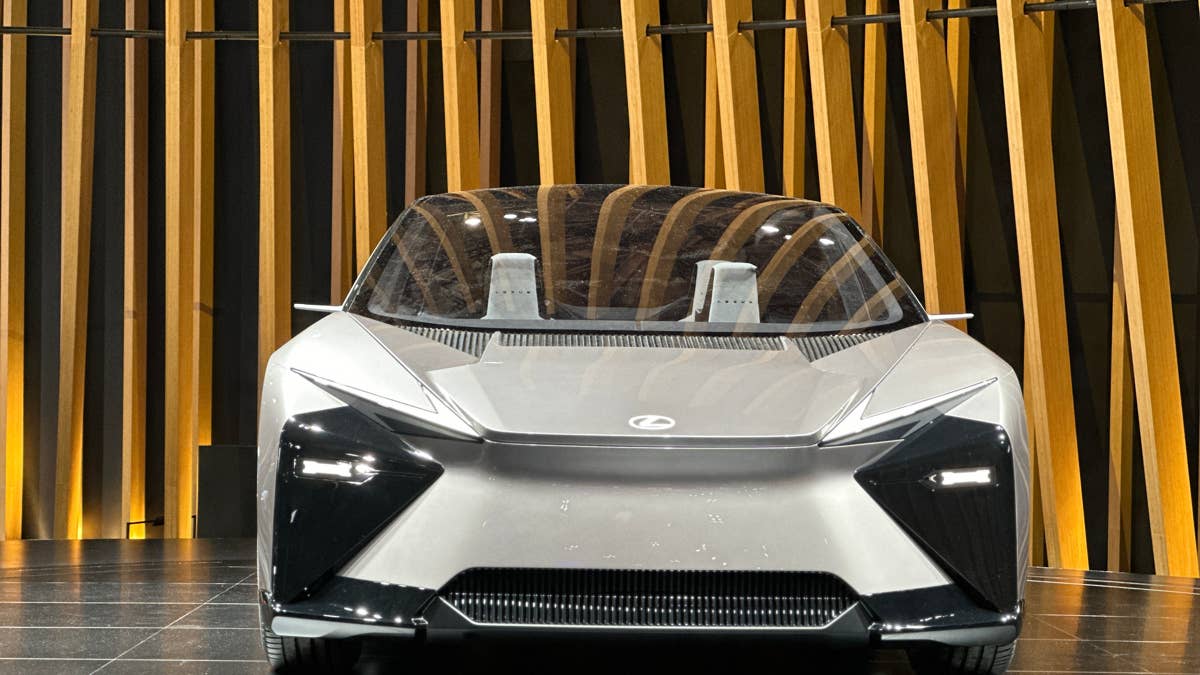
When Lexus showed the LF-ZC concept at the 2023 Japan Mobility Show, it felt like a peek into the future. It looks way different from the current Lexus RZ and Toyota bZ, and frankly, a little wilder than expected from the marque. However, unlike most concepts, the LF-ZC was intended for production, with early plans for a possible launch this year.
Then again, that supposed production timeline had already slipped, with reports stating that the launch this year had been moved to mid-2027. Now, new information points to Toyota halting work on the mass-production LF-ZC sedan.
Jacob Oliva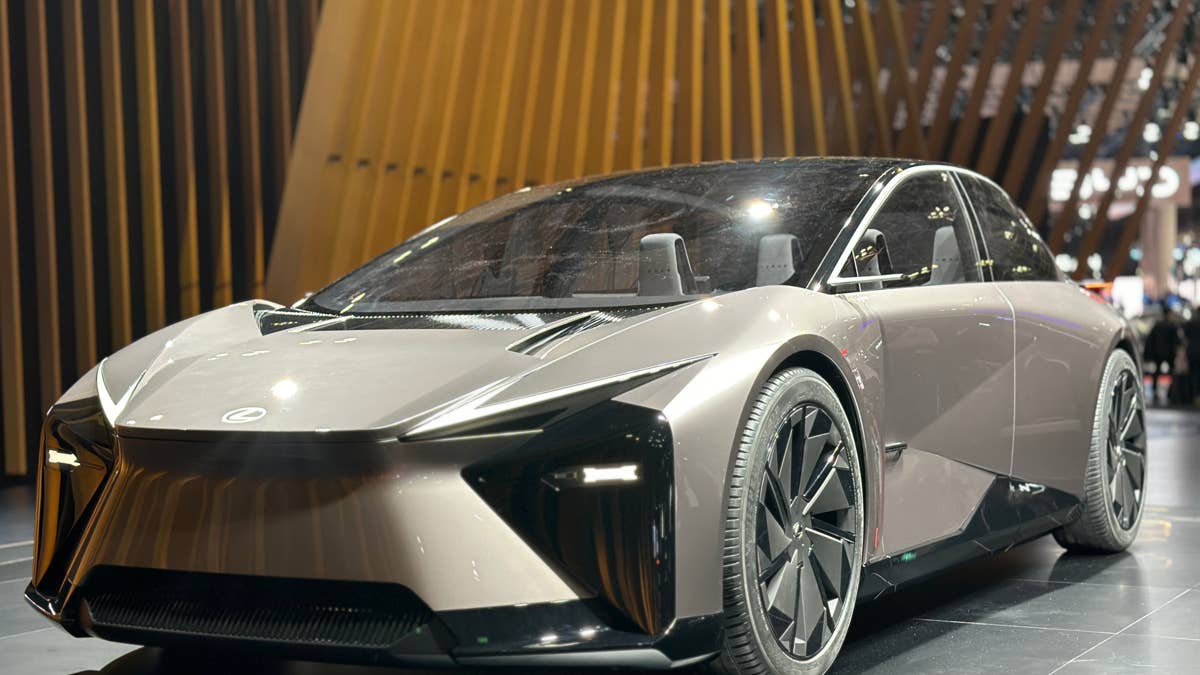
From Flagship Sedan to Canceled Program
According to Nikkei Asia, Toyota has decided to stop the development of the next-generation Lexus EV sedan. The company will, however, focus on SUVs and other models as global EV demand slows. The LF-ZC was originally planned for production in Aichi Prefecture and would have featured gigacasting, a process that Tesla popularized.
Toyota is not dropping the technology itself, though. Research into gigacasting and solid-state batteries will continue, with plans to apply these advances to more mainstream and profitable vehicles, especially SUVs.
The LF-ZC was set to offer significant improvements from current Lexus EVs, targeting about twice the range of current EVs and a 20-minute fast-charging goal. It was also planned to introduce the Arene operating system, which already debuted in the new-generation RAV4. The related LF-ZL SUV concept is still under consideration, but Lexus has not confirmed when it might reach production.
Jacob Oliva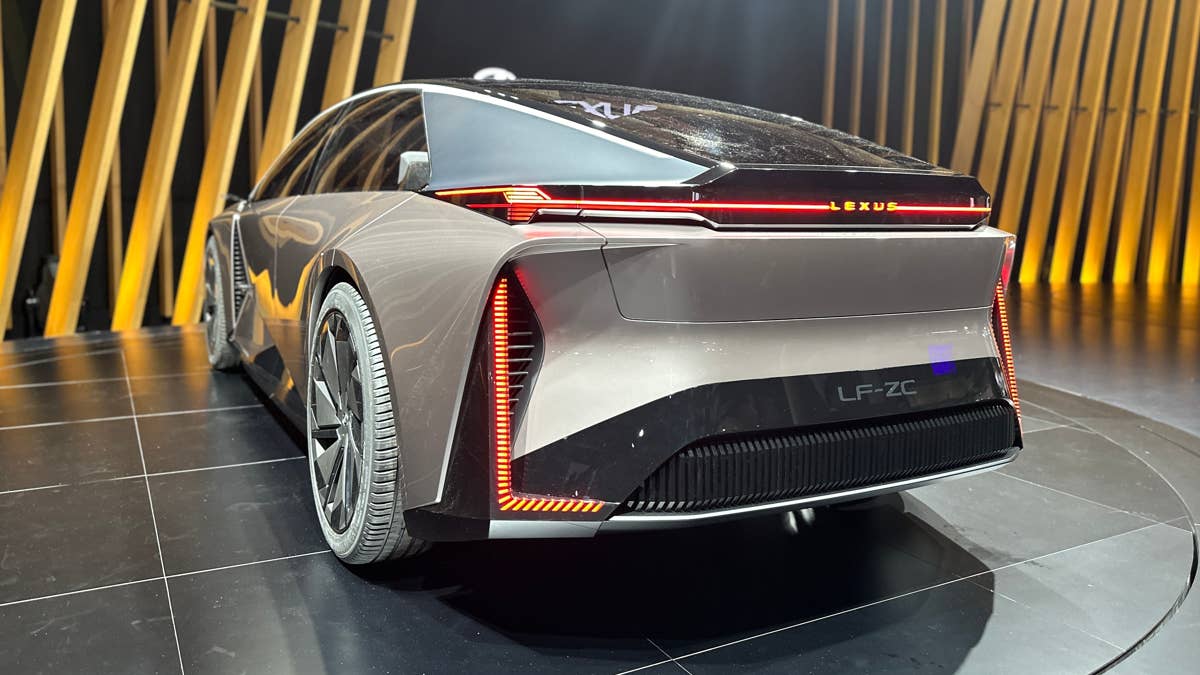
A Timing Problem, or a Reality Check?
If the report is accurate, Lexus is adjusting its plans rather than stepping back entirely. Luxury sedans are a shrinking segment, and premium electric sedans make up an even smaller part of the market. SUVs continue to lead global sales, so it makes sense for Toyota to focus on where demand is stronger.
Of note, EV growth has slowed in some areas, partly due to changing regulations (aka US tariffs) and fewer incentives. Europe has also decided to reverse its war on combustion engines. While Toyota’s EV sales increased in 2025, most of that growth came from SUVs and more affordable models for China, not high-end sedans.
This puts the LF-ZC in a difficult position. Lexus appeared ready to make a major move in EVs, but current market conditions suggest the timing is off. The technology could still reach buyers, likely in a future SUV with more space and a clearer business case.
Jacob Oliva