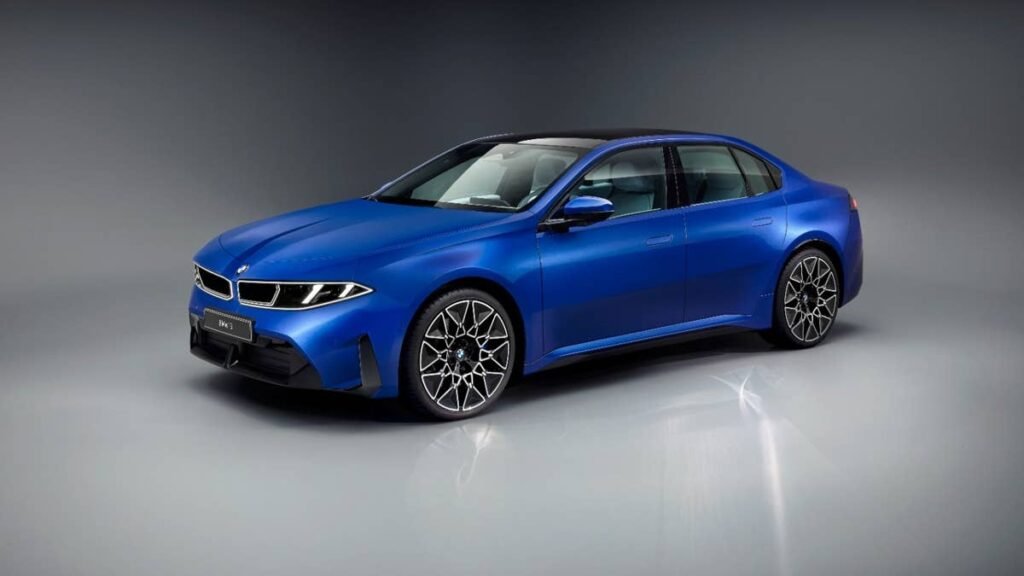
For fifty years, the 3 Series has been the car that defined BMW. Not the 7 Series. Not the M cars. The 3 Series. It is the volume seller, the brand ambassador, the sedan that taught two generations of drivers what “the ultimate driving machine” actually meant when you turned into a corner at speed. Every competitor in the compact luxury segment has been benchmarked against it since 1975. Now BMW has taken that nameplate, the most important four characters in its entire lineup, and built the first fully electric version on the Neue Klasse platform that represents the company’s biggest architectural bet since the original E30. Sixth-generation battery cells. 800-volt charging architecture. A chassis computer that thinks ten times faster than anything BMW has shipped before. And range numbers that, if they hold anywhere near their provisional claims, will make the Tesla Model 3‘s spec sheet look like it belongs to a previous era. BMW did not build an electric sedan that happens to wear a 3 Series badge. It built a 3 Series that happens to be electric. That distinction matters, and everything about this car suggests BMW understands exactly how much.
The numbers
Read them slowly because they deserve it. The BMW i3 50 xDrive produces 345 kW, which BMW converts to 469 hp, with 645 Nm of maximum torque (roughly 476 lb.ft) from electric motors on both axles. Range is provisionally rated at up to 900 kilometers on the WLTP cycle, which translates to approximately 559 miles. Even accounting for the typical 15-20% reduction when converting WLTP to EPA estimates, the i3 should land somewhere between 450 and 475 miles on the American test cycle. For context, the best Tesla Model 3 manages 363 miles EPA. BMW is not closing the gap. It is driving past it.
Charging is equally aggressive. The i3 uses 800-volt technology with DC fast charging up to 400 kW, allowing it to add up to 400 kilometers of range in just 10 minutes. That is roughly 249 miles in the time it takes to buy a coffee and argue with someone about whether the grille looks good. Speaking of which.
It looks like a 3 Series
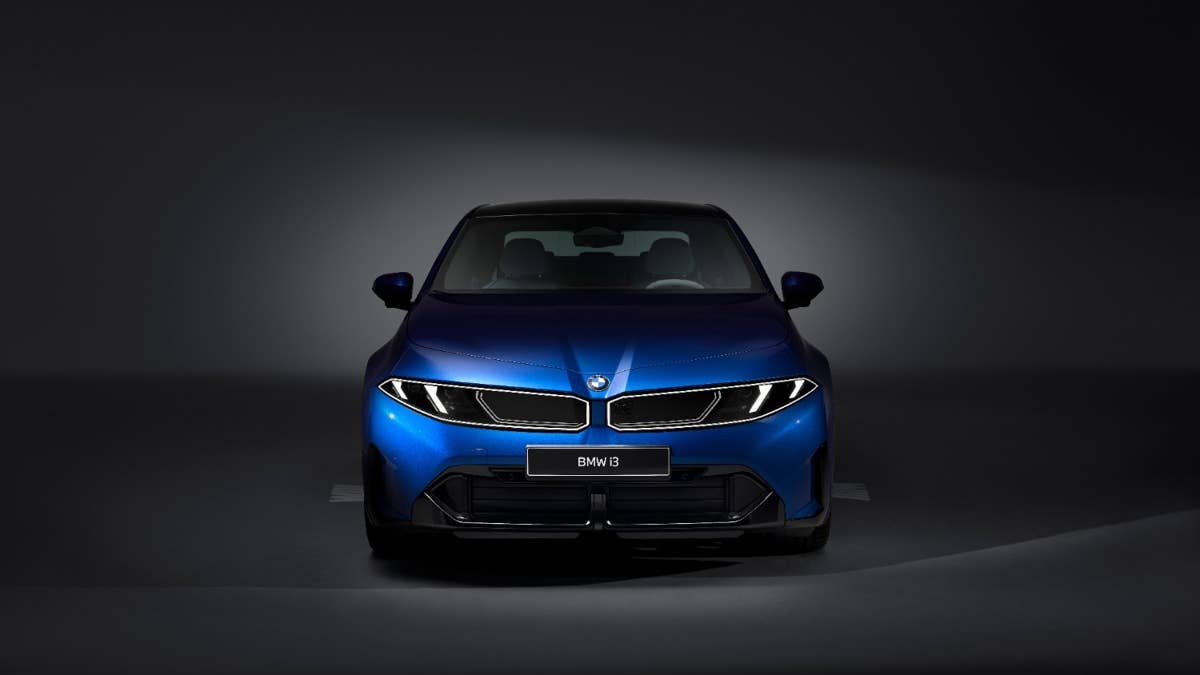
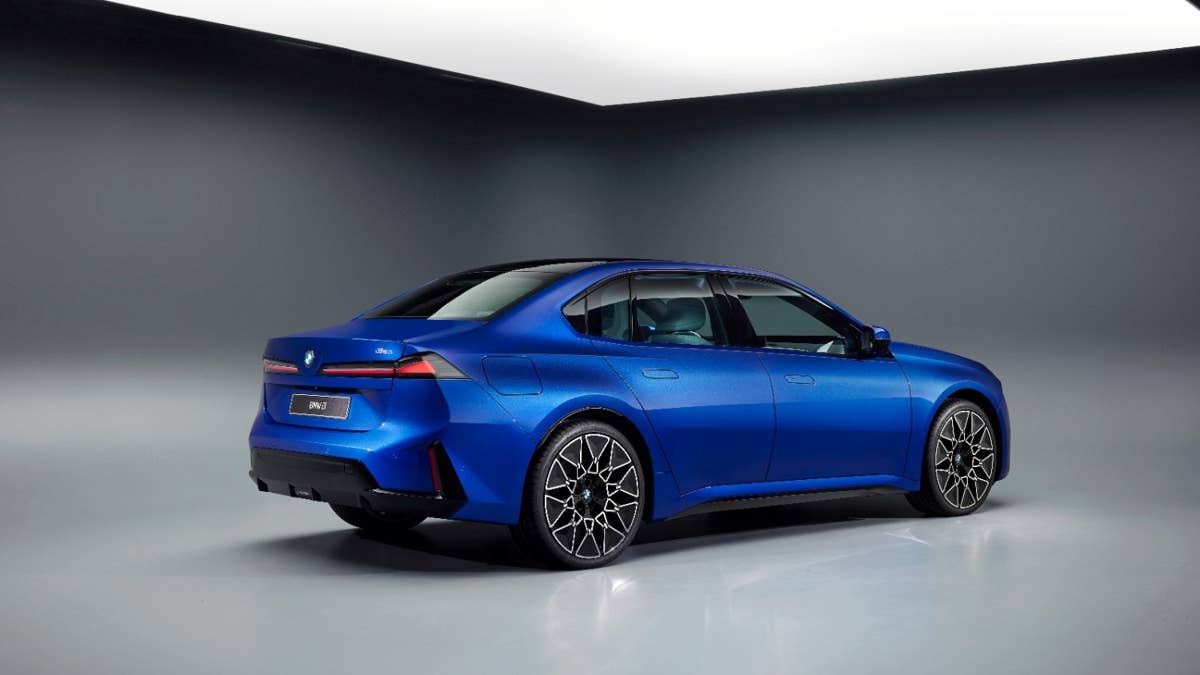
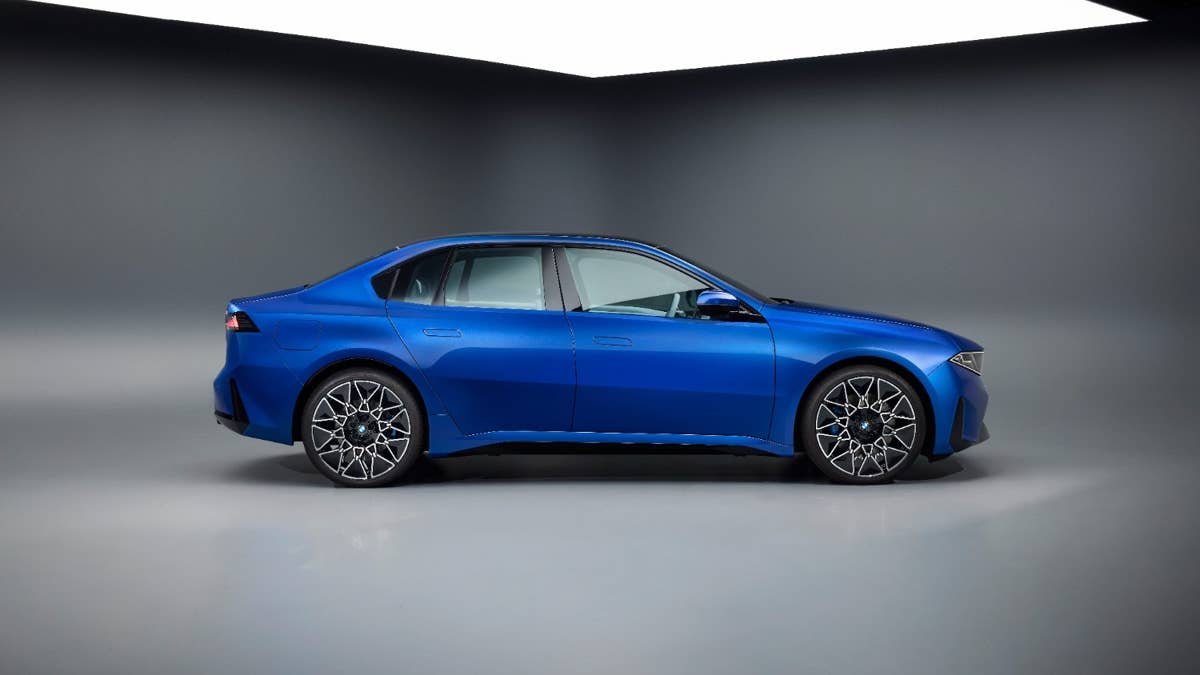
BMW designed the i3 to be immediately recognizable as a 3 Series, not a science experiment with a badge. A long wheelbase, short overhangs, a greenhouse that slopes toward the rear, and prominently flared wheel arches give it the sporty sedan proportions that five decades of 3 Series buyers have come to expect. Up front, the four-eyed face returns with twin headlights and the BMW kidney grille merged into a single illuminated unit that manages to look both familiar and new. BMW calls it a “2.5-box design,” which is corporate language for “it has a trunk and it is not a crossover.” After years of automakers insisting that every EV needs to be an egg-shaped hatchback, BMW built an electric sedan that looks like a sedan. Revolutionary.
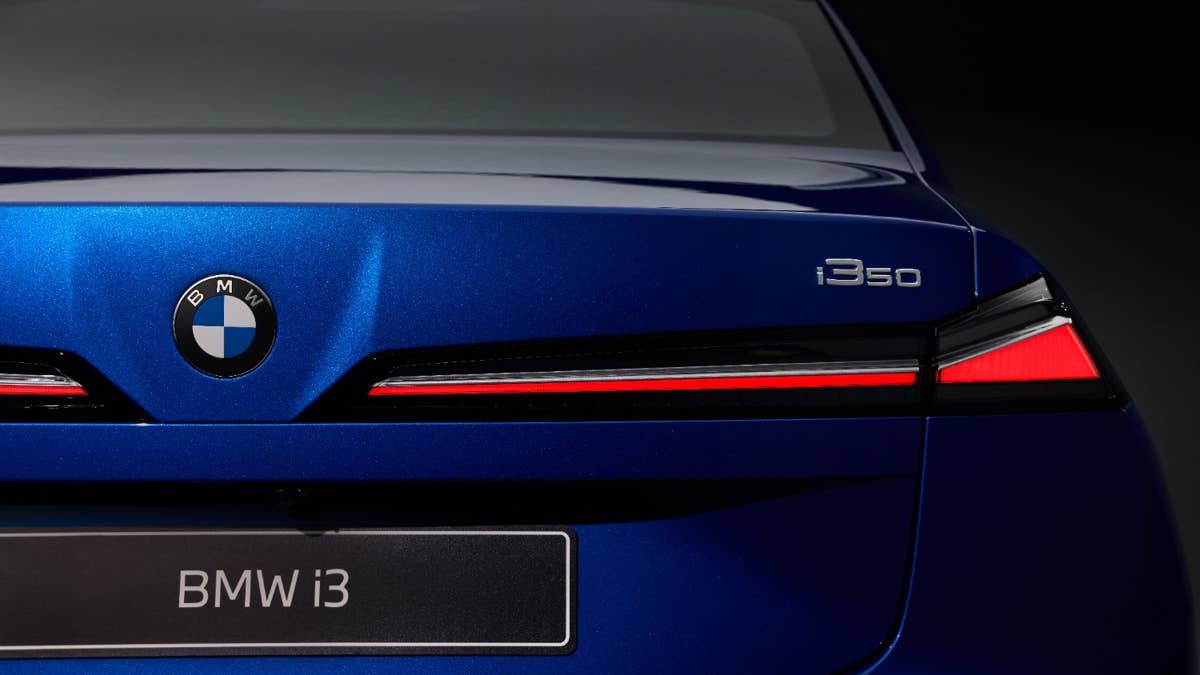
Horizontal rear lights emphasize width and precision. The overall effect is cleaner and less controversial than the current 3 Series, which will either please or disappoint you, depending on how you felt about BMW’s design decisions over the last few years.
The brain
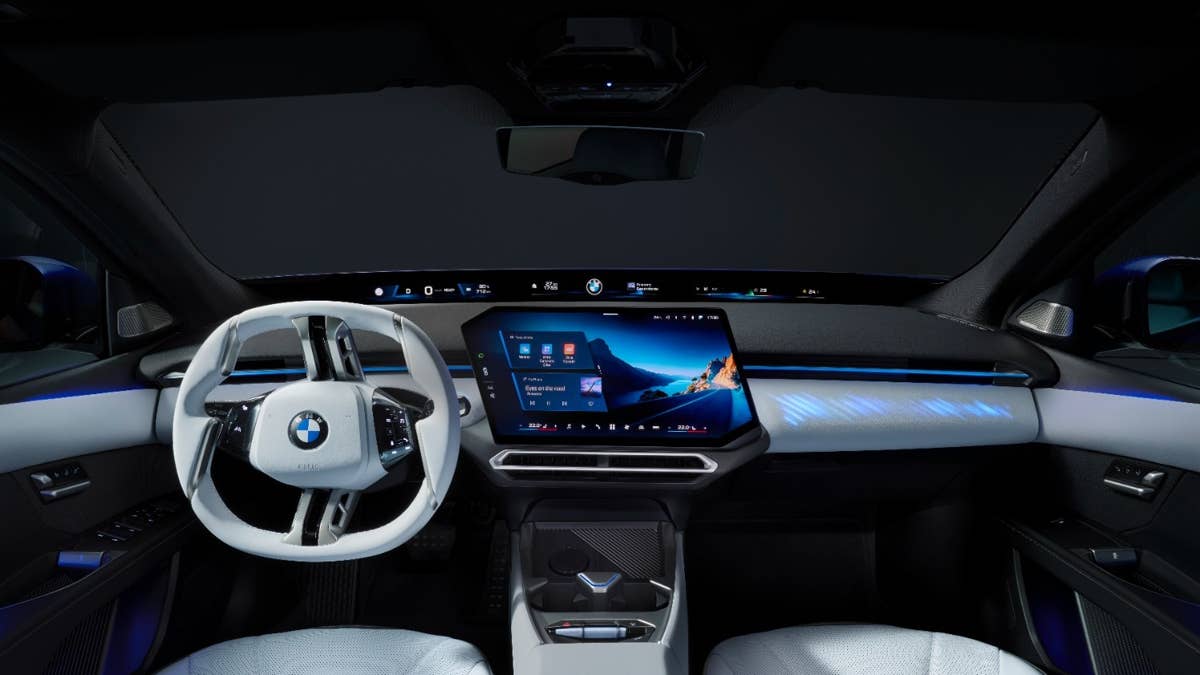
Four high-performance computers run the i3, and the one that matters most is called Heart of Joy. It processes driving inputs and chassis responses ten times faster than previous systems, continuously shaping how the car accelerates, brakes, steers, and distributes torque between axles. BMW is betting that the difference between a good electric sedan and a great one is not just about power or range, but about how quickly the car thinks. Heart of Joy is the answer.
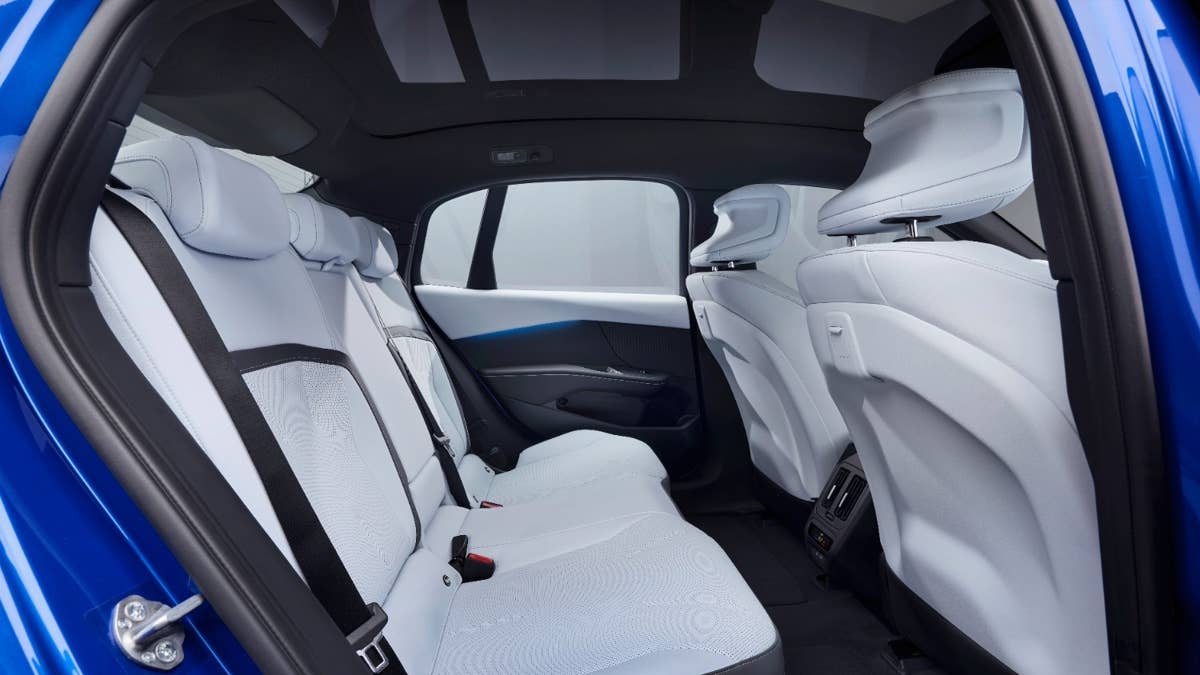
BMW Panoramic iDrive handles the interior experience with a wide-format display architecture that debuted on the iX3 and now carries into the sedan. BMW Symbiotic Drive brings AI-assisted driving that learns and adapts to the driver’s behavior over time. And the i3 supports Vehicle-to-Load, Vehicle-to-Home, and Vehicle-to-Grid bidirectional charging, meaning the car can power your house, feed energy back to the grid, or run your campsite. An electric 3 Series that can power your refrigerator during a blackout wasn’t on anyone’s bingo card, but here we are.
The battery
Everything starts with the sixth-generation BMW eDrive technology. New cylindrical cells replace the prismatic cells used in current BMW EVs, packed using a cell-to-pack design that eliminates modules entirely and allows for a flatter, denser, lighter battery. Higher energy density means more range per kilogram of cells. Flatter packaging means a lower center of gravity and more interior space. BMW designed the entire Neue Klasse platform around these cells, and the i3 is the first sedan to benefit. The combination of Gen6 cells, 800-volt architecture, and 400 kW charging is a generational leap that puts BMW’s EV hardware ahead of everything Tesla, Hyundai, and Mercedes currently sell in this segment.
When should you expect to buy one?
Built at BMW’s home plant in Munich, which has been producing vehicles for over a century, and just completed a four-year modernization, including a new body shop and cutting-edge assembly facility. Production starts in August 2026, with first deliveries in autumn. One year later, the Munich plant switches to exclusively Neue Klasse electric production. The i3 is not just a new model. It is the car that converts BMW’s oldest factory into an all-electric facility. No pressure. All figures are provisional. BMW has not published final EPA numbers, confirmed pricing, or released full specifications for additional variants. But what is confirmed is enough to know that the electric 3 Series is not a compliance car or a placeholder. It is the most important BMW sedan since the E46.