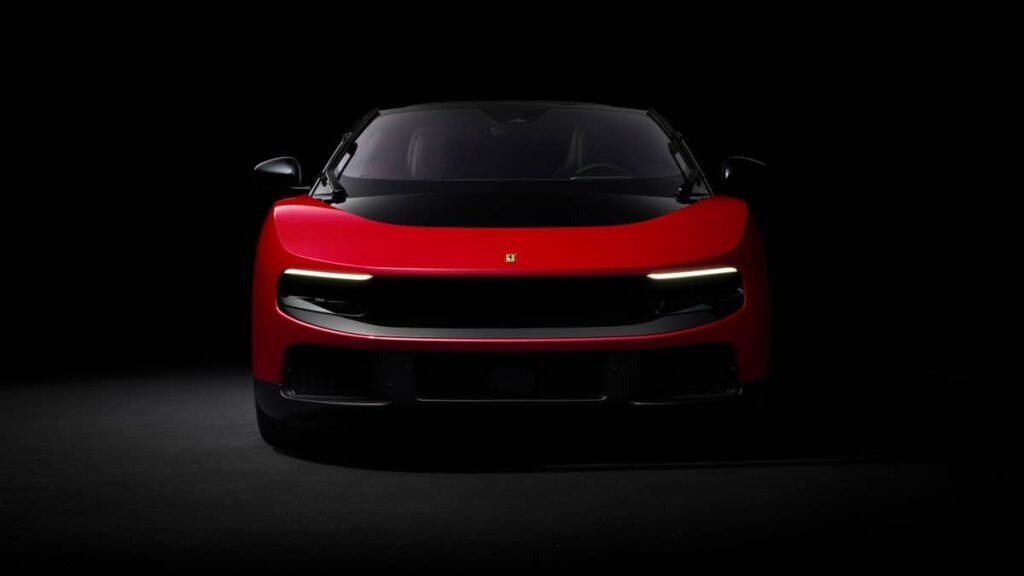
The Ferrari Luce Is Under Fire, And The Designers Know It
The debate around the Ferrari Luce started before anyone saw the car in person. As Ferrari’s first fully electric model, it drew criticism just for existing. Now that it’s out, most of the attention has turned to its design.
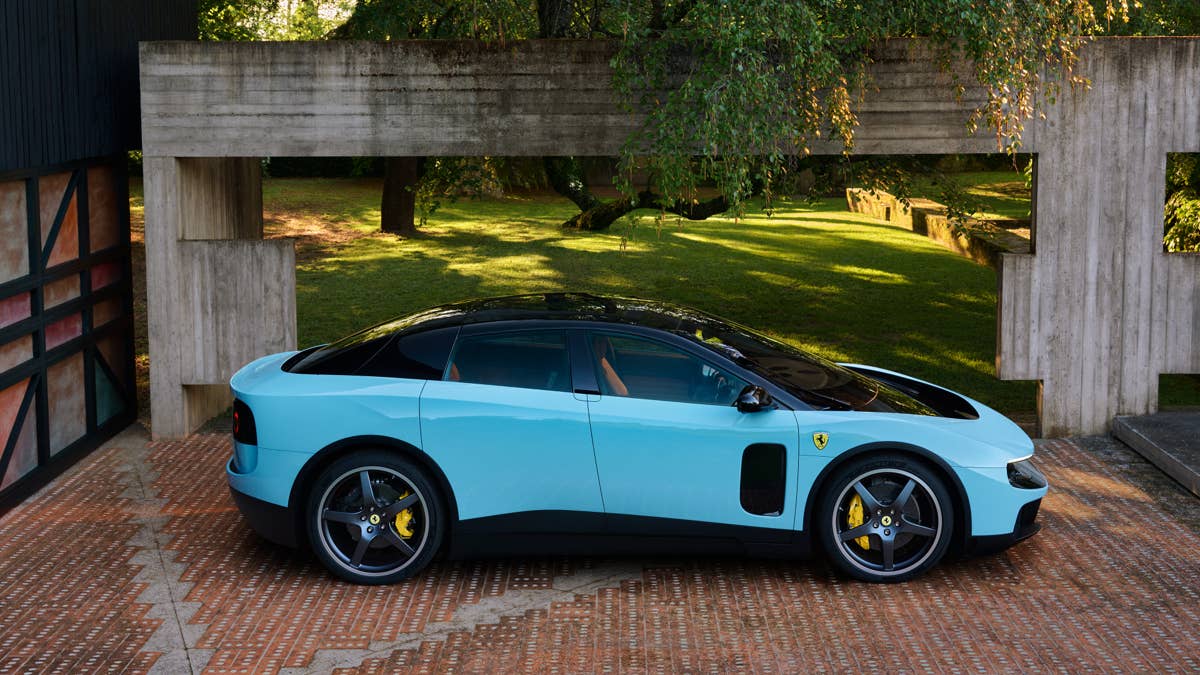
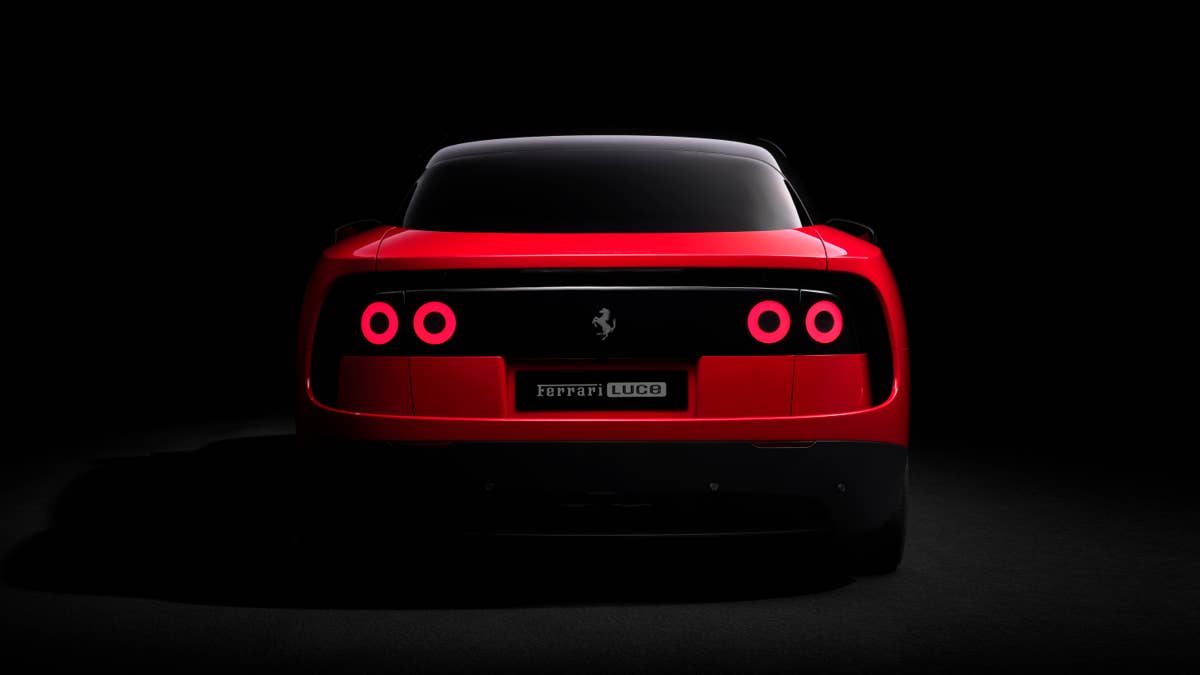
A five-seat Ferrari with a tall roof and proportions far from the 488, F8, or even the Purosangue has split opinions among journalists, fans, and investors. Social media has not held back, and even former Ferrari chairman Luca di Montezemolo questioned if the Luce should carry the Prancing Horse badge, saying he hoped Ferrari would remove it.
This has put Ferrari’s design team under close scrutiny. In a recent video interview with Cleo Abram, chief designer Flavio Manzoni, and Apple iPhone legend Jony Ive explained the thinking behind the Luce. Both pointed out that strong reactions are normal when a product breaks from tradition.
“For me, there is no design without innovation,” Manzoni said, arguing that nostalgia makes the job harder because many enthusiasts instinctively compare anything new to Ferrari’s past. Jony Ive framed the criticism differently, saying people often process new ideas by referencing familiar ones first.
Why Ferrari Made The Luce Anyway – And Why Manzoni Calls It Ferrari’s Future
The Luce also brings up old statements from Ferrari. Years ago, executives said an electric Ferrari would never happen. At the time, EVs were niche, and Ferrari had no reason to pursue battery power.
Manzoni said Ferrari’s approach changed as technology advanced. He compared the Luce to the Purosangue, which also faced criticism before launch because Ferrari had said it would never build an SUV. Today, the Purosangue is one of Ferrari’s strongest sellers. For Manzoni, the Luce is about building something genuinely different, not just copying combustion models.
“The question was how to make a clear statement,” he explained, saying Ferrari deliberately avoided conservative EV design.
When asked directly if people should see the Luce as Ferrari’s future, Manzoni gave a straightforward answer: “Yes, of course. It’s part of our idea of envisioning the future with real products.”
He also pushed back against the idea that Ferrari should have simply made an electric two-seat coupe shaped like an existing Ferrari. According to him, Ferrari’s identity comes from deeper principles than repeating styling cues. “We don’t like the déjà vu effect,” he said.
Why The Luce Interior Has More Buttons, Not More Screens
The exterior gets most of the attention, but the interior may be where the Luce is most radical. Jony Ive said Ferrari chose not to follow the trend of large touchscreens, even though he helped popularize them at Apple. His point is simple: cars are not phones.
“Multi-touch shouldn’t be in a car,” Ive said, explaining that drivers shouldn’t need to stare at screens to perform simple tasks. Instead, Ferrari leaned into tactile switches, rotary controls, palm rests, and physical interfaces designed to work by feel rather than sight.
Rather than fake the sensations of a V12 with synthetic drama, Ive said Ferrari wanted authenticity. “The easy, lazy thing to do would be to mimic what people are familiar with,” he said, arguing that users can tell when something feels artificial.

What Enzo Ferrari Might Have Thought
The interview also touched on Enzo Ferrari himself, which is always a difficult topic. After all, Enzo famously said customers bought the engine and got the rest of the car for free. That idea is harder to apply when there is no combustion engine.
When asked how Manzoni would present the Luce to Enzo Ferrari, he pointed to Ferrari’s history of disruption. He mentioned the F40 as proof that big changes have always been part of Ferrari’s DNA, and described Enzo’s philosophy as focused on vision and progress.
He summed up Ferrari’s approach with a quote repeated in the interview: “Tradition is not the worship of ashes. Tradition is the preservation of fire.” For Ferrari, the Luce is an attempt to keep that fire alive, just in a new way.