A new software deployment for Tesla’s camera-based “Vision” system has achieved a significant and innovative safety feat. Tesla is now utilizing camera-based neural networks to predict collisions before they physically occur, allowing the vehicle to deploy safety restraints like airbags and seatbelt pretensioners milliseconds earlier than traditional impact sensors.
Beyond Sensors
Historically, airbag deployment has relied on physical accelerometers and pressure sensors that trigger only after a collision has begun. While effective, this reactive approach loses critical milliseconds during the initial “crush” phase of an accident. By leveraging the external camera suite, Tesla’s latest OTA (Over-the-Air) update enables the vehicle to “see” an unavoidable collision and prepare the cabin environment before impact.
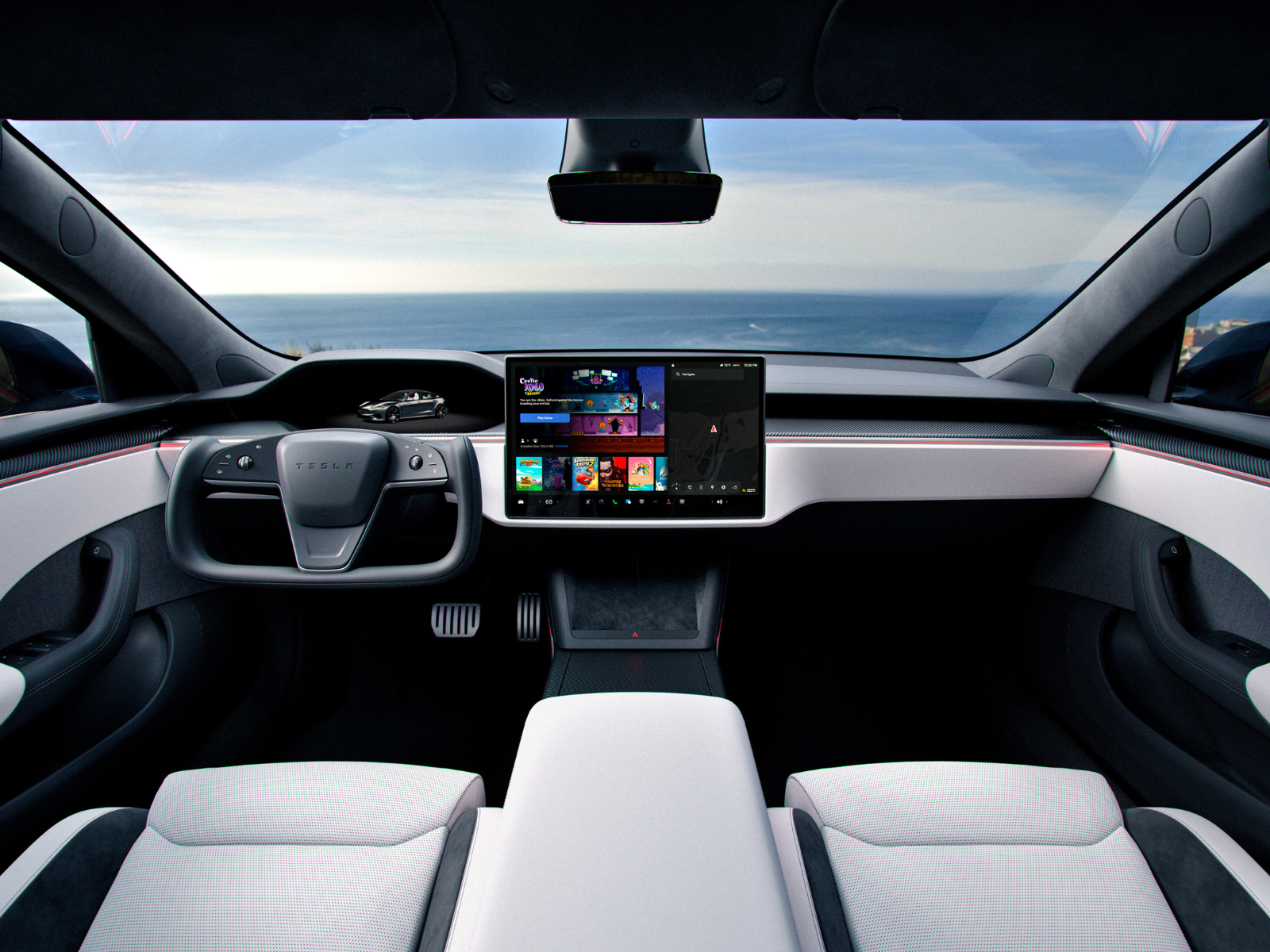
This predictive capability targets a reduction in occupant injury by ensuring that seatbelts are correctly tensioned and airbags are at optimal pressure exactly as the impact forces reach the passenger cell. It is a significant departure from the industry’s current obsession with “glass cabins” and edge-to-edge displays, which many consumers and safety experts have criticized as expensive distractions rather than real innovation.
Tesla AI Vision deploys airbags before impact, which greatly reduces risk of injury or death. This comes for free on all new cars. https://t.co/828FOgD2SI
— Elon Musk (@elonmusk) May 9, 2026
Between the Lines
The deployment comes at a critical juncture for Tesla, which is currently under federal scrutiny regarding its “camera-only” approach to safety. The NHTSA’s Office of Defects Investigation recently opened a formal probe into 2.4 million Teslas following reports of Full Self-Driving (FSD) failures in low-visibility conditions. By successfully utilizing the same camera hardware for proactive crash mitigation, Tesla is attempting to prove that its vision-based architecture can provide safety benefits that traditional radar-equipped rivals cannot easily replicate.
We are Impressed
For the American motorist, this is a rare instance where the software-defined vehicle delivers a tangible automotive advantage rather than just another subscription service or promises of gas-money savings. While massive dashboards and digital assistants garner the most marketing attention, the real value of the high-speed processing is in innovation like this, considering autonomous driving is facing significant pushback. If predictive safety tech becomes the new industry standard, it could prove to be one of the single largest reductions in automotive fatalities.