An Icon That Could’ve Been Replaced in the ’60s
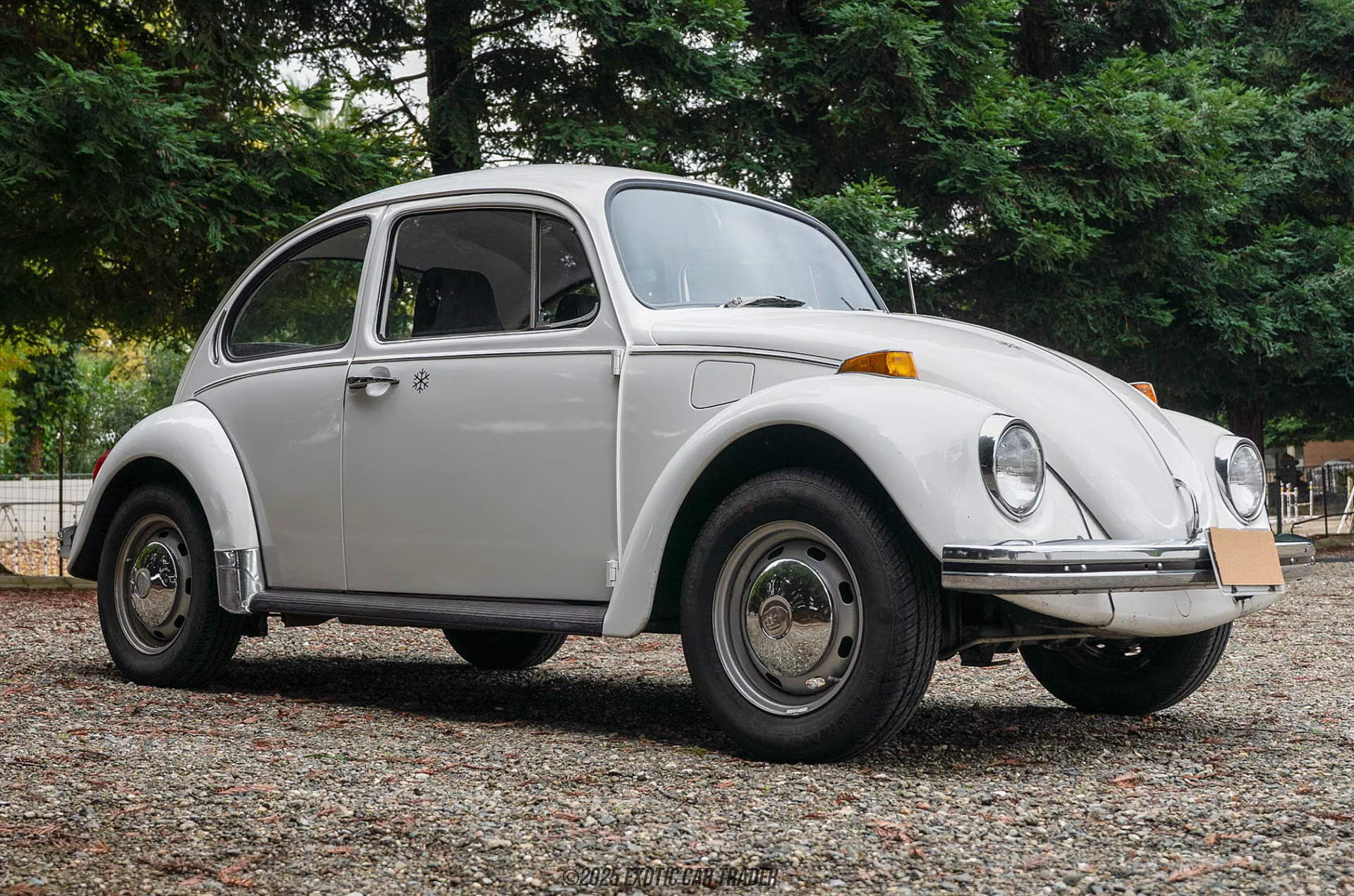
Much has been said about the Volkswagen Beetle and its long and illustrious history. Anyone somewhat knowledgeable about automotive history would know that the Beetle story dates back to the Second World War. If it weren’t for British Major Ivan, who spotted a Type 1 prototype amidst the rubble of the Volkswagen plant, the entire German automotive industry probably wouldn’t have become the powerhouse it eventually became.
The Type 1 would eventually be named Käfer, the German word for Beetle, and it became its official name by the late ’60s. However, there were already plans to build a successor long before that, and had any of those been approved, we probably wouldn’t be writing this story in the first place.
Exotic Car Trader
The First Attempts
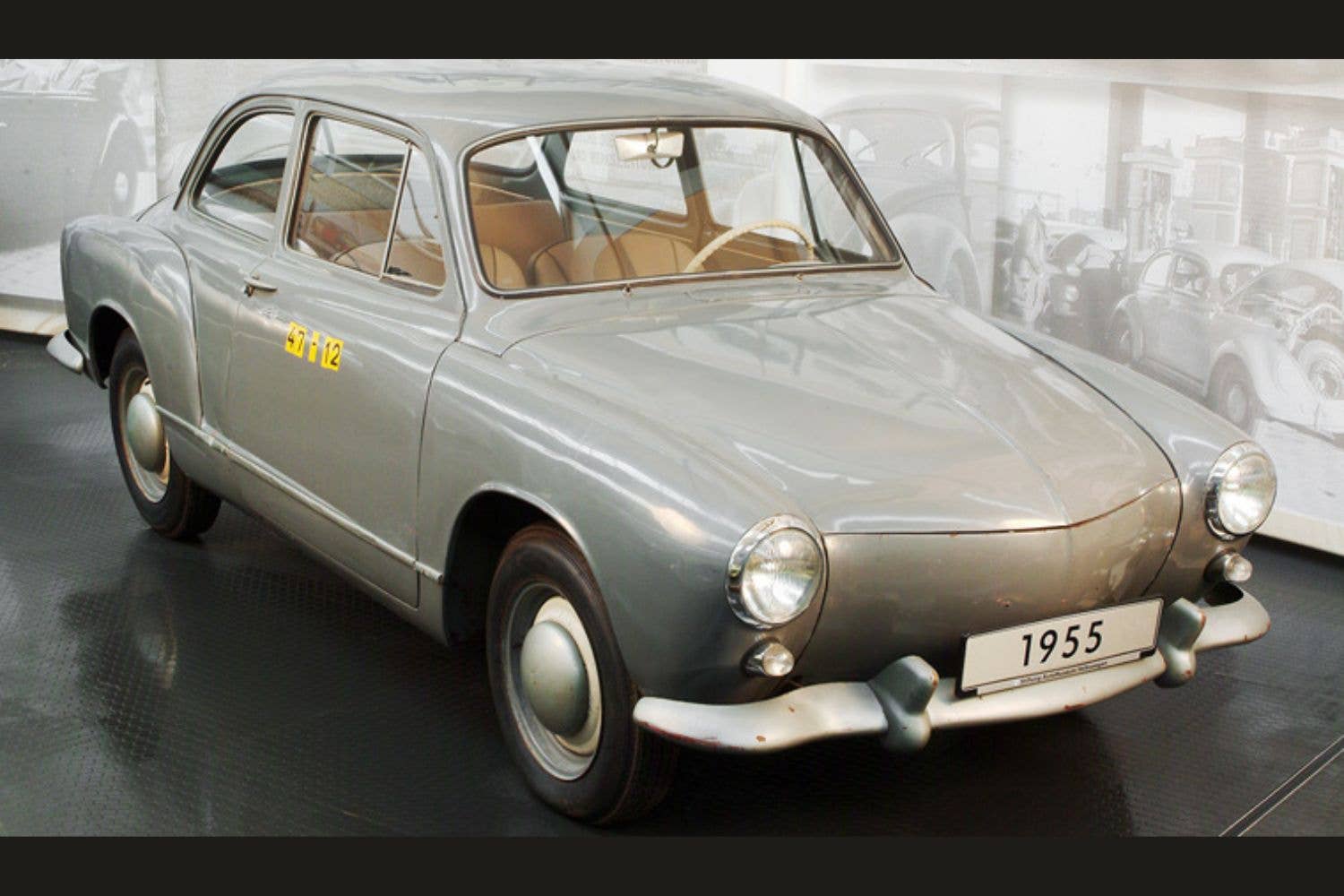
As early as the ’50s, Volkswagen had been building prototypes for the Type 1 replacement. One of the earliest examples was the EA 47-12 from 1955, transforming the insect-shaped car into a more formal sedan that looked contemporary. That same year, there was the EA 48, which looked rather like the love child of a Porsche 356 and a panel van.
Another interesting prototype was the EA 97, and if it looks familiar, that one ended up being the 1961 Type 3 and not as a direct replacement for the Beetle. Then there was the EA 142 that subsequently became the Type 4, again, not a Beetle replacement.
But around the mid-’60s, there were two proposals that would eventually change the brand’s trajectory. These were the EA 266 and EA 267, and both have amazing backstories, particularly the earlier model.
Volkswagen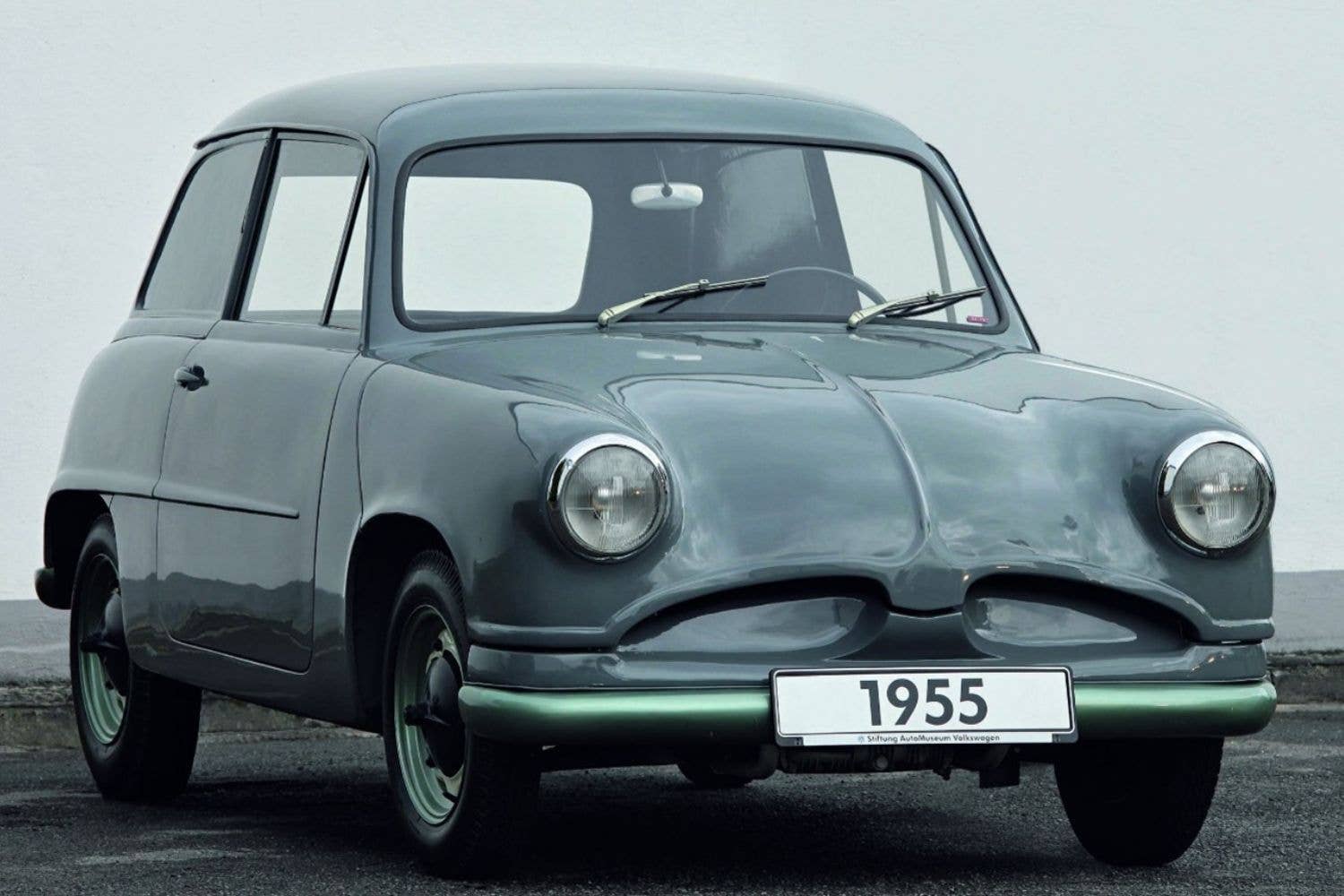
The EA 266
Quick fun fact: the reason why VW has EA in its product codes is that it stands for Entwicklungsauftrag, meaning development assignment. VW attaches that to engine codes these days, but back then, it was assigned to prototypes. So, in this case, EA 266 stands for development assignment 266.
EA 266 was awarded to Porsche by the then CEO, Dr. Kurt Lotz. The brief was simple, on paper at least. EA 266 had to be “sporty, comfortable, safe to drive, spacious, and compact.” With that in mind, Porsche opted to go for a mid-engined layout, likely for packaging reasons and, well, the ‘sporty’ part of the brief. The project was led by the then development chief, Ferdinand Piëch. Yes, that Ferdinand Piëch.
Volkswagen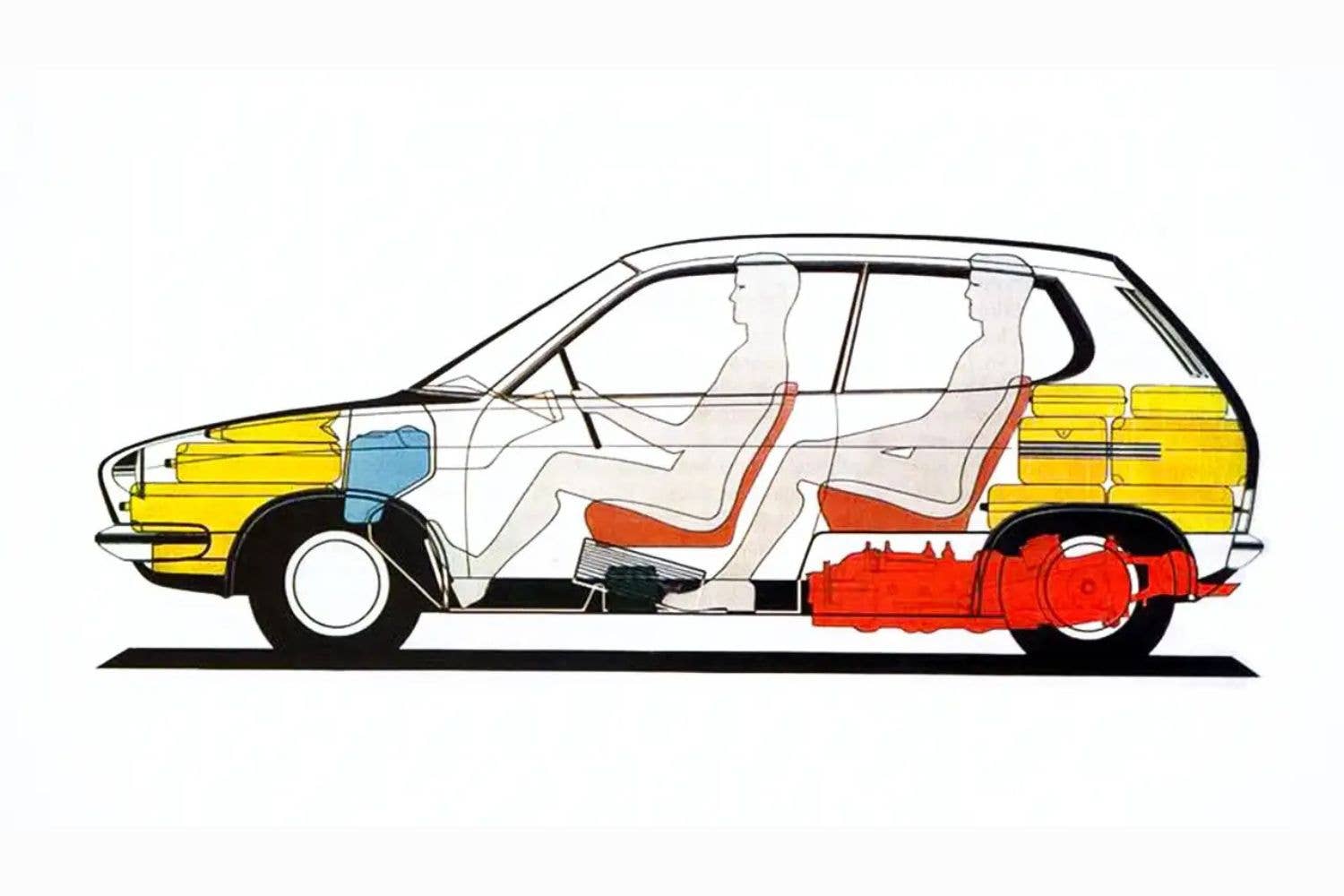
Clever for its Era
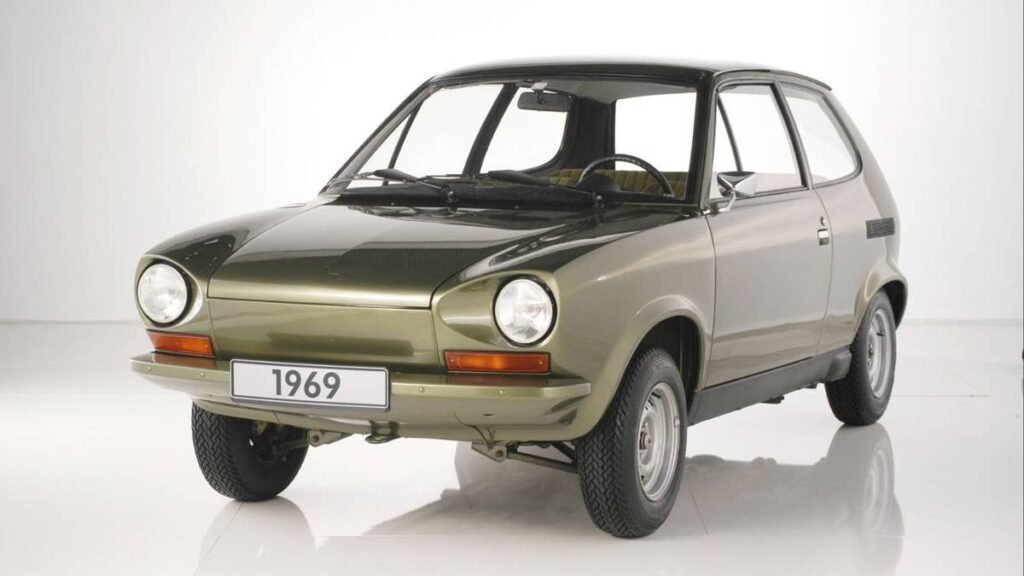
The resulting prototype, shown in 1969, featured a flat-4 engine under the rear seats, providing a sizable cargo area for a small vehicle. Interestingly, it was water-cooled, breaking away from the company’s usual air-cooled engines. The 1.6-liter engine made, give or take, about 100 hp, which was unheard of from such a small engine back in the day. For reference, the Beetle made about half as much as the EA 266.
As for the suspension, it was independent at the front and rear. It had struts up front and a semi-trailing arm arrangement at the back, which would’ve made for some pretty sporty handling back in the day. Indeed, according to Volkswagen, “its roadholding left most sports cars in the dust.” This flyweight subcompact weighed under 1,750 lbs and had a claimed speed of 116 mph. It’s safe to say that Porsche nailed the ‘it must be sporty’ part of Volkswagen’s instructions.
Volkswagen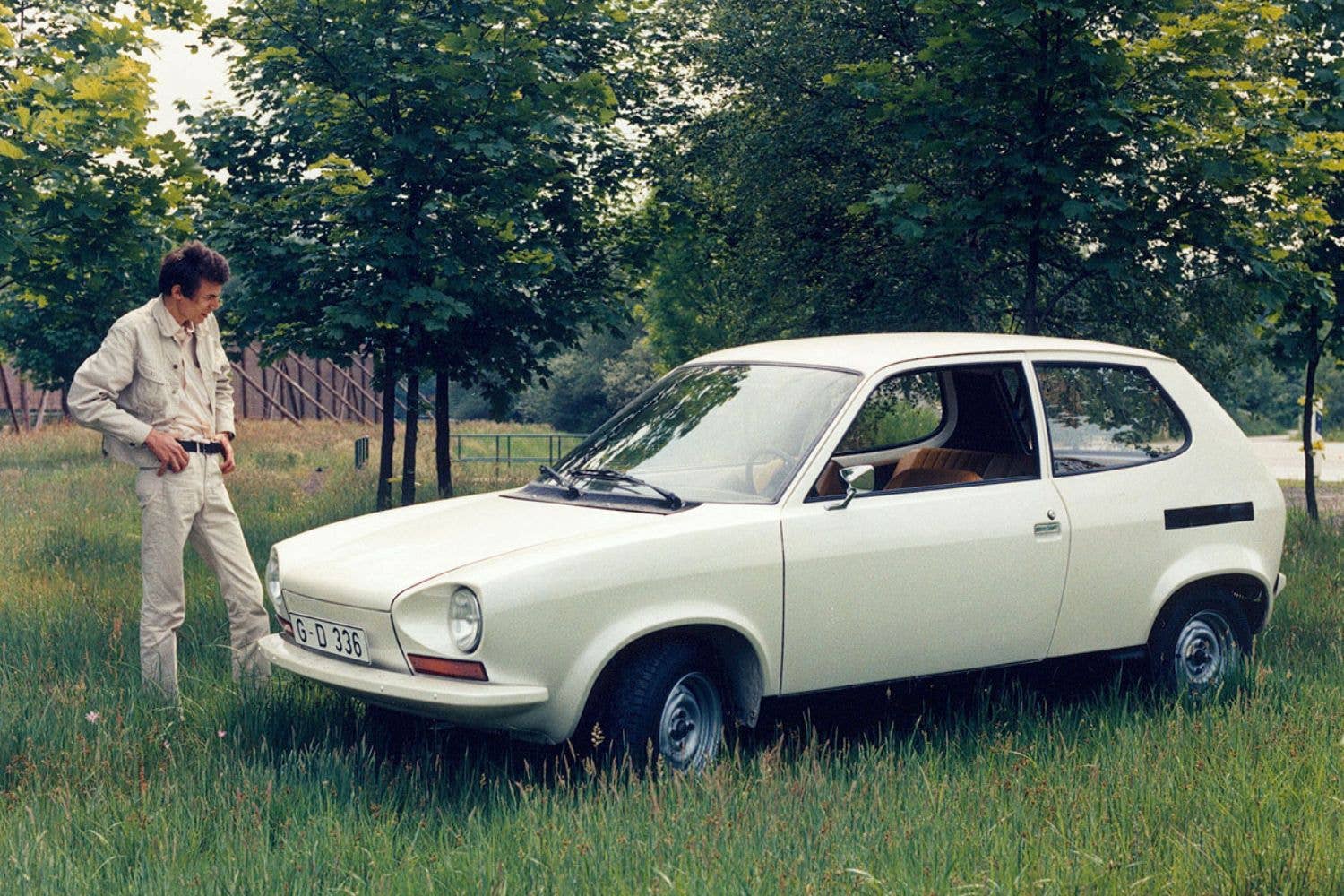
A Couple of Issues
Unfortunately, that mid-engined layout would cause some problems. The engine hung low, constantly putting it at risk of catastrophic damage if its belly scraped against anything. Placement of the intake manifold and radiator was compromised at best, and accessibility to the engine for maintenance work was, to put it lightly, difficult.
Then there was the matter of refinement. It inevitably got hot inside, particularly for rear occupants, and there was a fair amount of noise seeping into the cabin. As for handling, it was fine (and fun) for the more experienced helmsman, but it was potentially scary for the average person who just wants to use it to go to the shops.
Given more time, one could say that Porsche could’ve ironed out all those kinks, but it wasn’t meant to be. The development of the EA 266 had proved expensive, and there was a change of the guard at Volkswagen’s offices. A new CEO had stepped in, and Rudolf Leiding terminated the project on the grounds of cost and complexity.
Volkswagen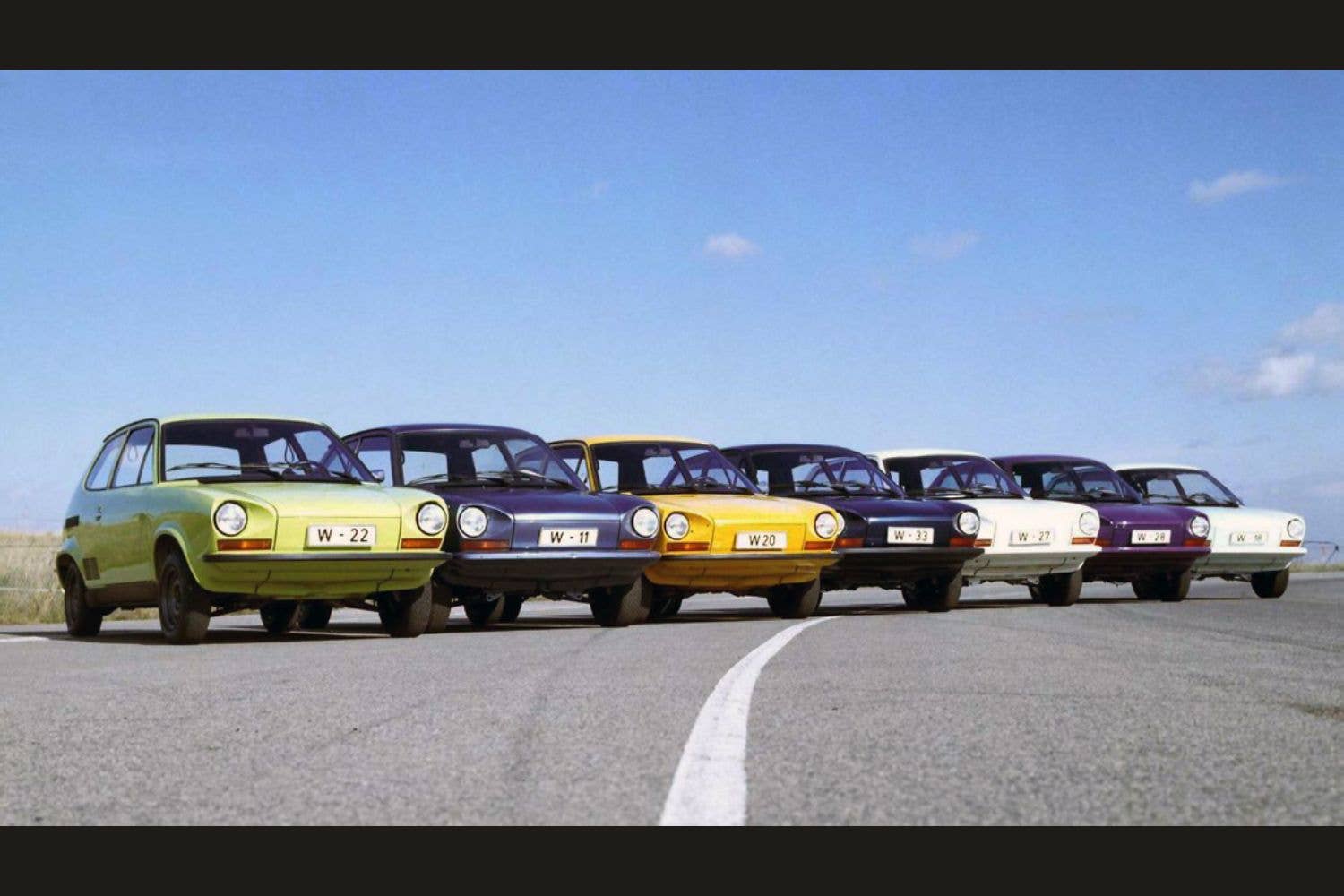
A Different Direction
With the EA 266 project axed, VW went with the direction set by the EA 276. It was, at the time, a massive departure from the brand’s usual models, as it was front-engined, front-wheel-drive, and came with a water-cooled inline-four engine. If that formula sounds familiar, it would form the basis of EA 337, the prototype of the car we all know as the Golf.
As for the EA 266, of the 50 prototypes that were made, only two remain. It’s certainly an interesting footnote in VW’s history, and had that been chosen over the Golf, the company would look very different today. After all, a full range of vehicles had been planned for it had been approved, one that included sedans, sports cars, and even a minivan. Perhaps in a parallel universe where the EA 266 became the Golf, VW would be the purveyor of mid-engined vehicles worldwide. Alas, it wasn’t meant to be.
Still, its chief developer, Ferdinand Piëch, would come back much, much stronger after that. We all know what kind of cars resulted under his stewardship of the brand. As they say, the rest is history.
Volkswagen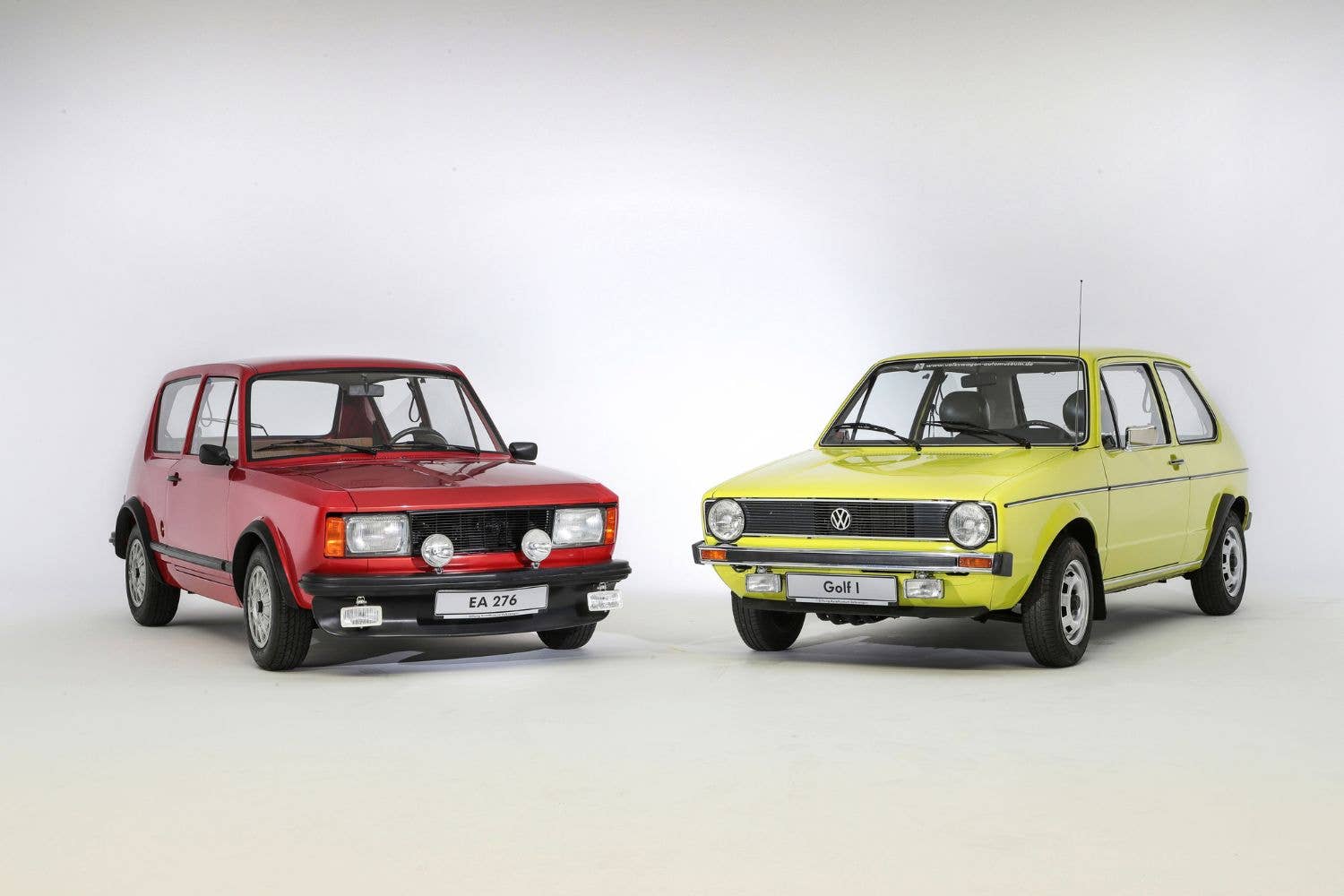
Volkswagen