Porsche Hits Reset
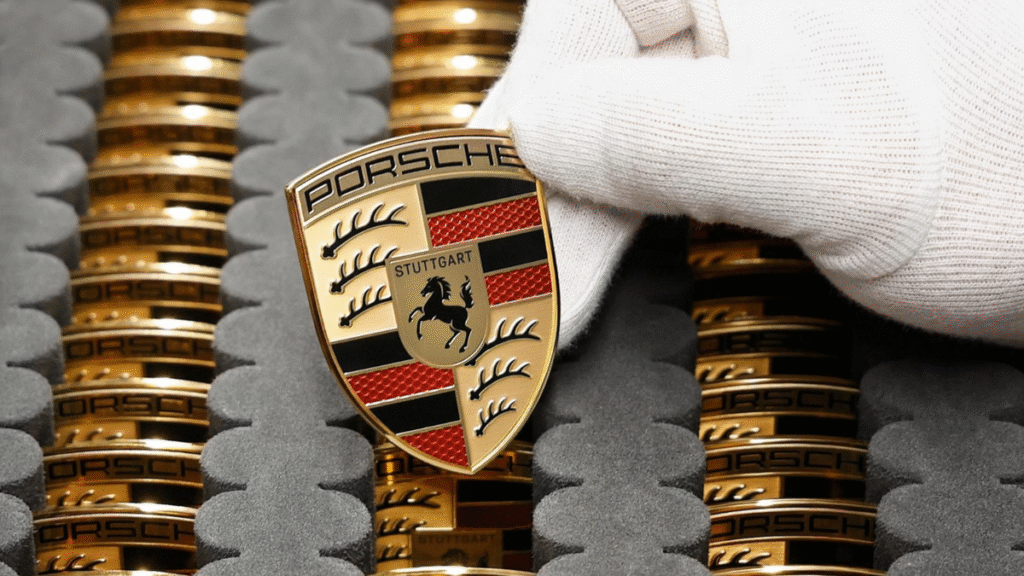
Give Porsche credit for trying to branch out into adjacent ventures. But with shifting market conditions, including U.S. tariffs and slowing sales in China, the German marque wants to refocus on its “core business.” That shift is so significant that the company is cutting several subsidiaries, affecting more than 500 employees.
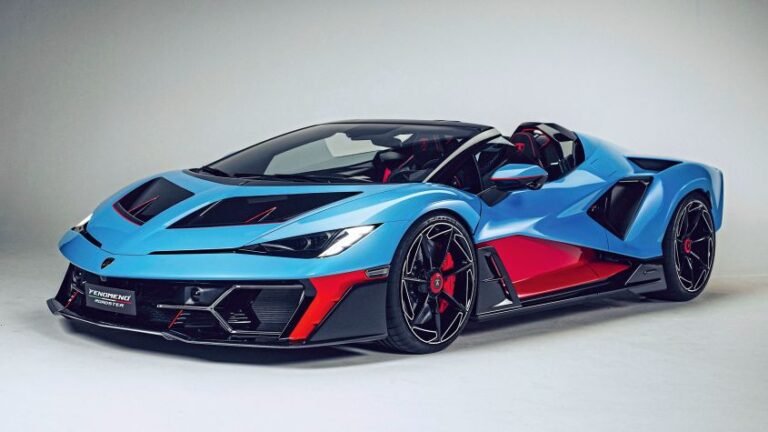
This strategic realignment became apparent after Porsche agreed to sell its stakes in the Bugatti Rimac and the Rimac Group. Now, the automaker is discontinuing three subsidiaries: Cellforce Group GmbH, Porsche eBike Performance GmbH, and Cetitec GmbH.
“We must refocus on our core business. This is the indispensable foundation for a successful strategic realignment. This forces us to make painful cuts – including our subsidiaries,” said Dr. Michael Leiters, chairman of the executive board of Porsche.
Pulling the Plug
Cellforce Group is a battery cell manufacturer that later shifted toward becoming an independent R&D unit for Porsche as EV demand slowed in markets such as the U.S. and China. However, the venture is no longer seen as having a viable long-term business case, leading to its discontinuation. Meanwhile, Porsche eBike Performance, as the name suggests, develops high-performance e-bike drive systems. But shifting conditions in the e-bike market have also brought that venture to an end.
As for Cetitec, it develops specialized data communication software not only for Porsche, but also for the broader Volkswagen Group, Porsche’s parent company, which owns brands such as Audi and Lamborghini. Much like the other two subsidiaries, Porsche said changing market conditions and shifting development priorities made the venture no longer sustainable.
The Heart of Porsche
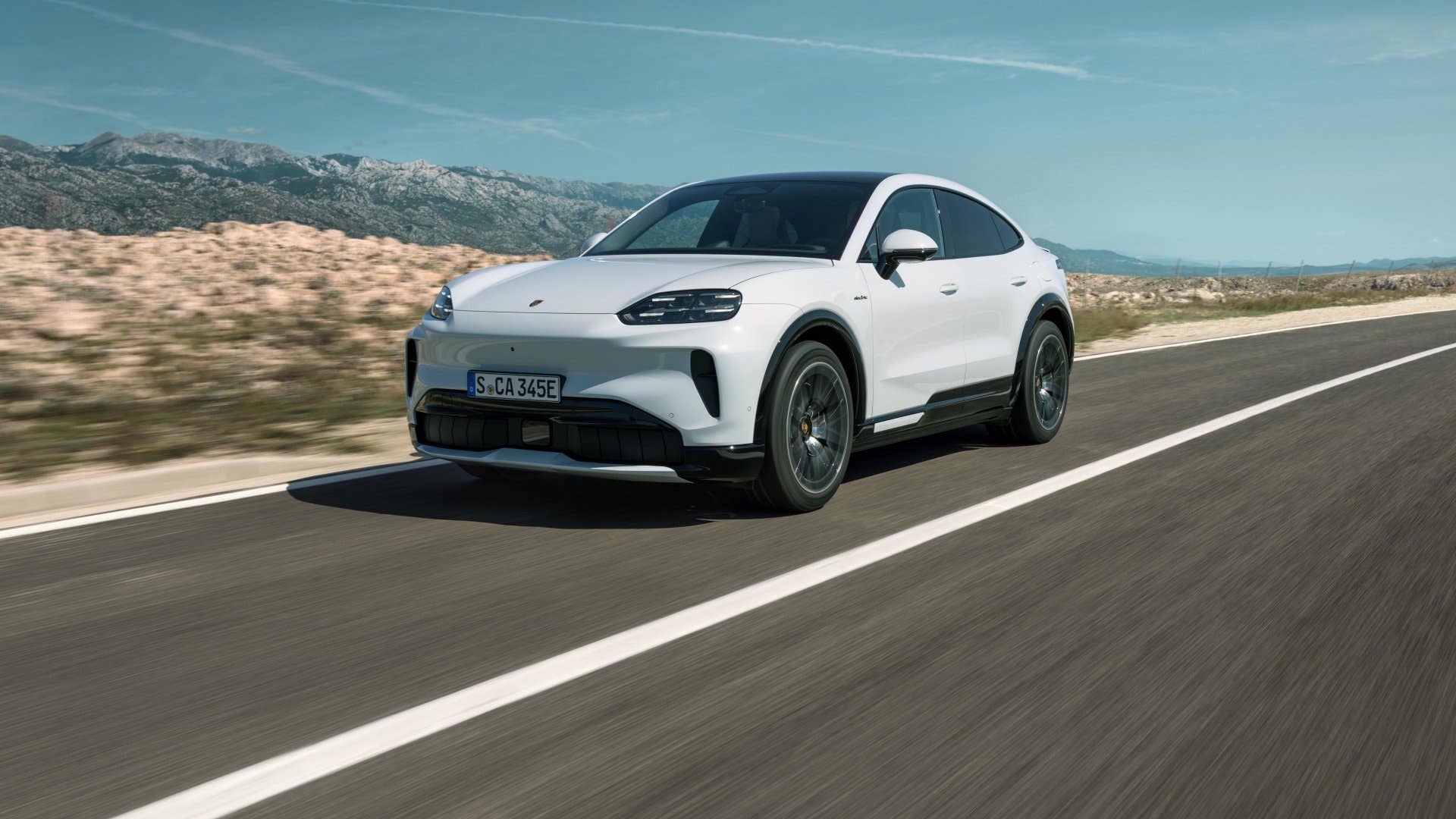
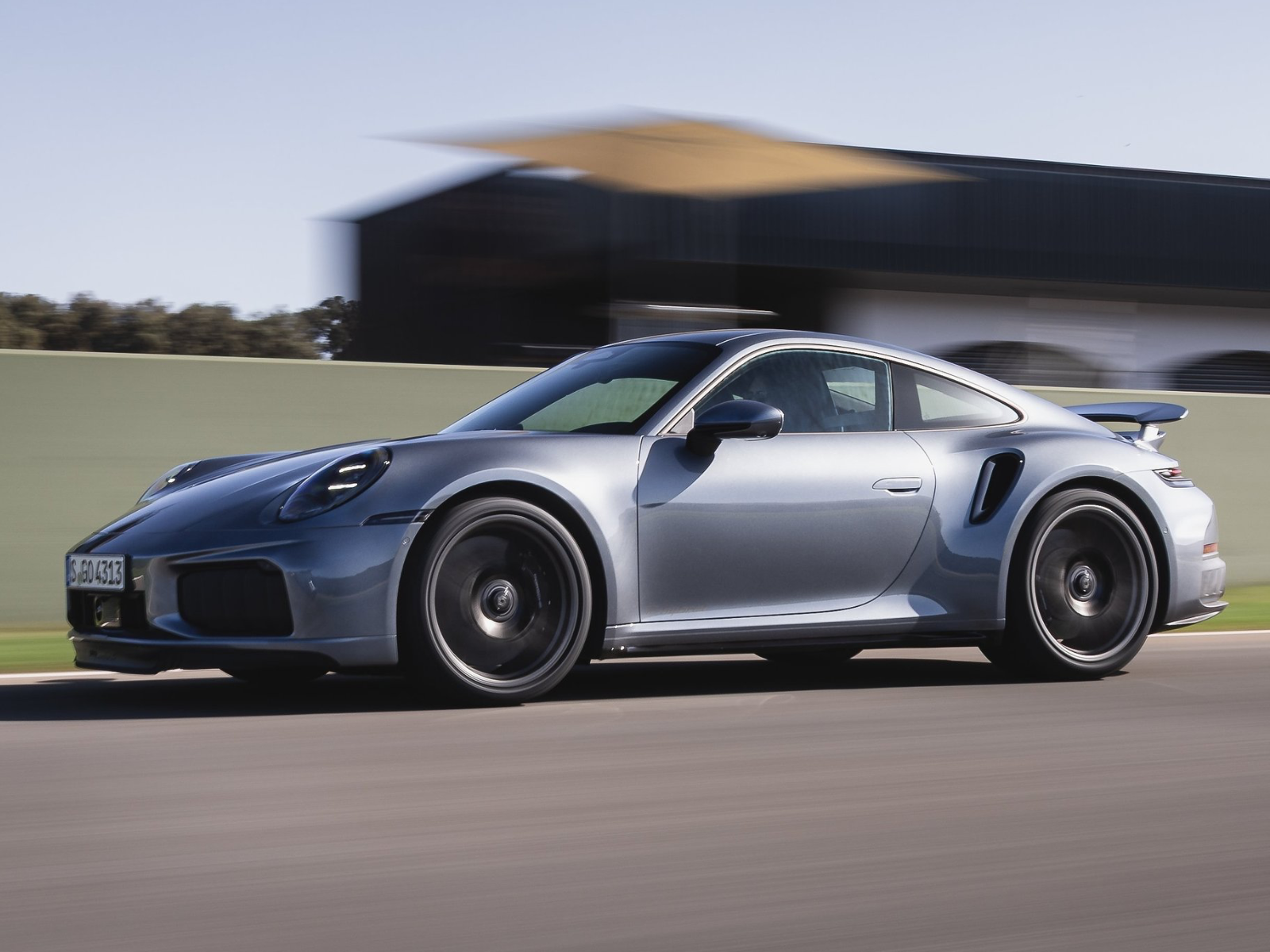
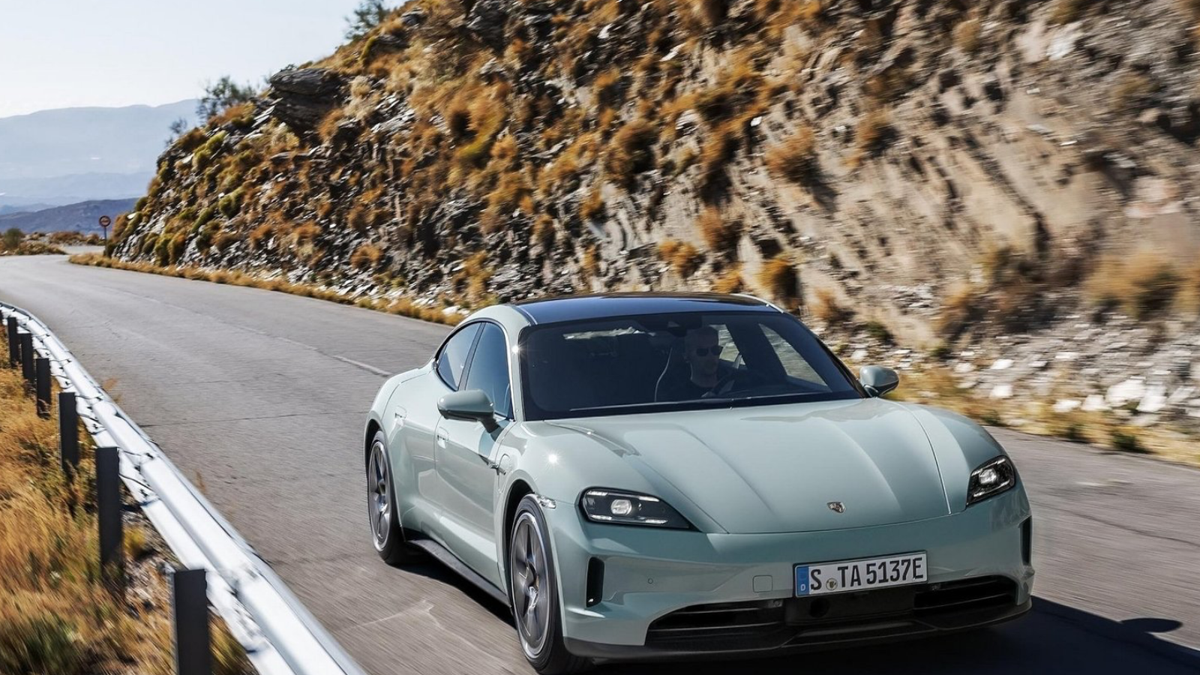
Porsche did not elaborate on what it means by “core business,” but it likely refers to its main carmaking operations. That could mean funneling more resources into vehicle development, including long-standing nameplates like the 911, which is now available with a hybrid system called the T-Hybrid. The automaker is also expanding its EV lineup, with the Cayenne Electric set to begin deliveries in the U.S. in late summer 2026.
Conditions could become even more challenging now that the Trump administration is threatening to raise tariffs on imported cars from Europe from 15% to 25%. Porsche does not have a manufacturing plant in the U.S.; most of its models are produced in Germany, while the Cayenne is assembled in Slovakia. Against that backdrop, the company’s decision to streamline parts of the business looks easier to understand.
Porsche