EV Fire is Brutal
There’s a longstanding concern around electric vehicles catching fire, and a recent incident at a BYD facility in China underscores those worries. According to CarNewsChina, BYD’s Pingshan facility in Shenzhen experienced a fire on Tuesday, with dense smoke seen rising from a multi-level parking structure.
Fortunately, no casualties were reported in the incident. BYD clarified that the parking area contained only “test and scrapped vehicles,” meaning no customer cars were affected, and that production continued without disruption. Despite the fire, authorities and the Chinese automaker sought to ease public concerns over EV safety, maintaining that the incident was isolated.
What Early Reports Say
Preliminary investigations, as reported by China Daily, indicate the fire was caused by improper external construction operations, suggesting that building work or welding may have sparked the blaze, rather than the EV batteries themselves.
Electric cars are known to experience a phenomenon called thermal runaway, in which high-voltage batteries can overheat to the point that individual cells catch fire. It can occur even when an EV is not in use, as seen with the Volkswagen ID.4, which was recalled in the U.S. earlier this year and owners were advised to park outside to reduce the risk of a fire spreading to a home or nearby structure.
If an EV catches fire, it can be more difficult to extinguish because it can trigger a chain reaction in neighboring cells. In a 2022 incident involving a Tesla Model S, the Sacramento Metro Fire District even submerged the vehicle in water to help contain the fire.
Jacob Oliva/Autoblog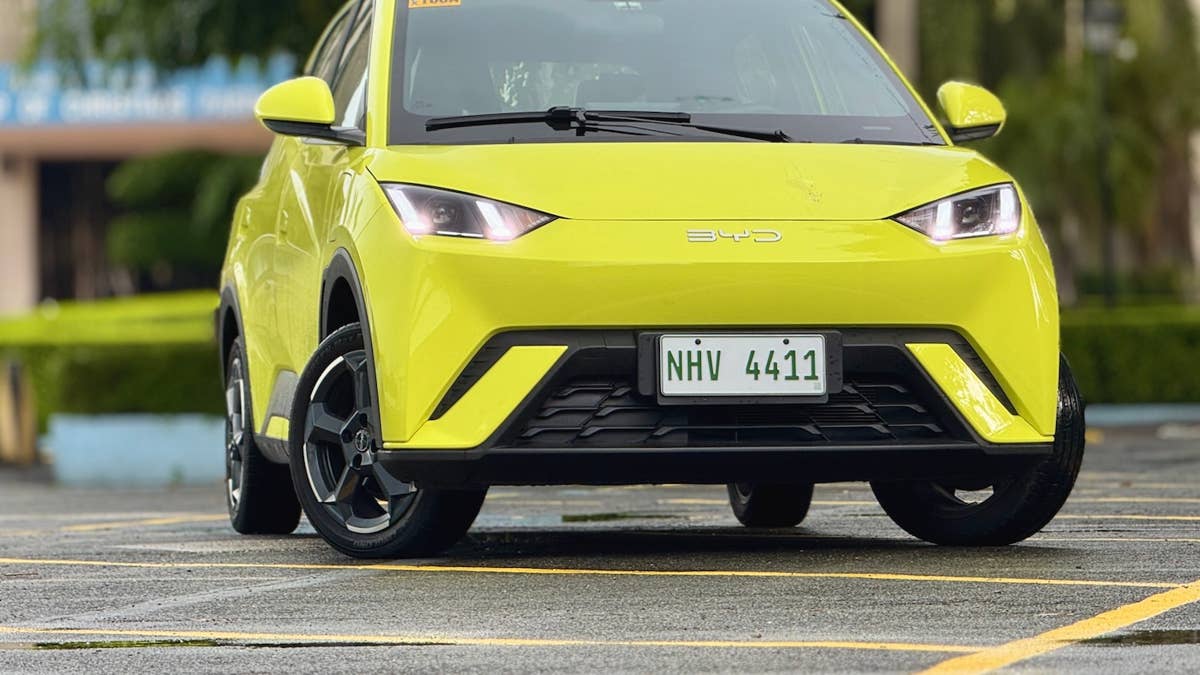
No Need to Panic
Given that improper external construction operations are believed to be the root cause, this incident should not raise significant concerns among BYD owners or prospective buyers. While Chinese automakers remain largely restricted in the U.S., North American neighbors Mexico and Canada have taken different approaches, with the latter allowing an initial quota of up to 49,000 Chinese EVs per year at a lower tariff under a new arrangement.
The incident comes as BYD continues to expand its ultra-fast charging infrastructure, known as Flash Charging. It supports charging rates of up to 1,500 kW, enough to take an EV from 10 to 97 percent in as little as nine minutes. The company aims to grow the network to 20,000 Flash Charging stations by year-end, up from around 5,000 currently.
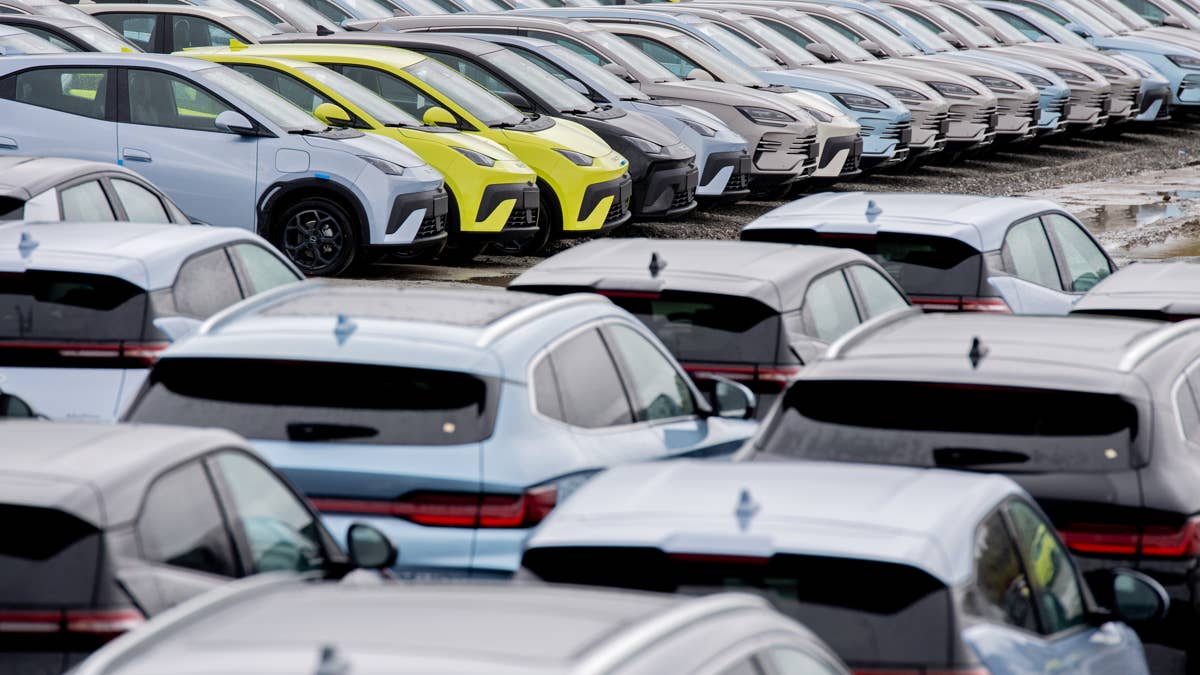
Hauke-Christian Dittrich/picture alliance via Getty Images