A Slow Start After a Difficult Year
Porsche entered 2026 still feeling the effects of a tough 2025. Even strong US sales couldn’t make up for shrinking profits and bigger industry challenges. Rising costs, changing EV demand, and a need to rethink strategy forced Porsche to work more closely with Audi just to keep things steady.
Anyone hoping for a fresh start in 2026 will be disappointed. The first quarter shows Porsche still wrestling with old problems – and picking up a few new ones. Model changes, shifting markets, and a slowdown in EV demand have kept the brand’s momentum off-balance.
Bottom line: Porsche hasn’t settled in yet. There are a few highlights, but they can’t hide the bigger slowdown.
Strong Start for the 911
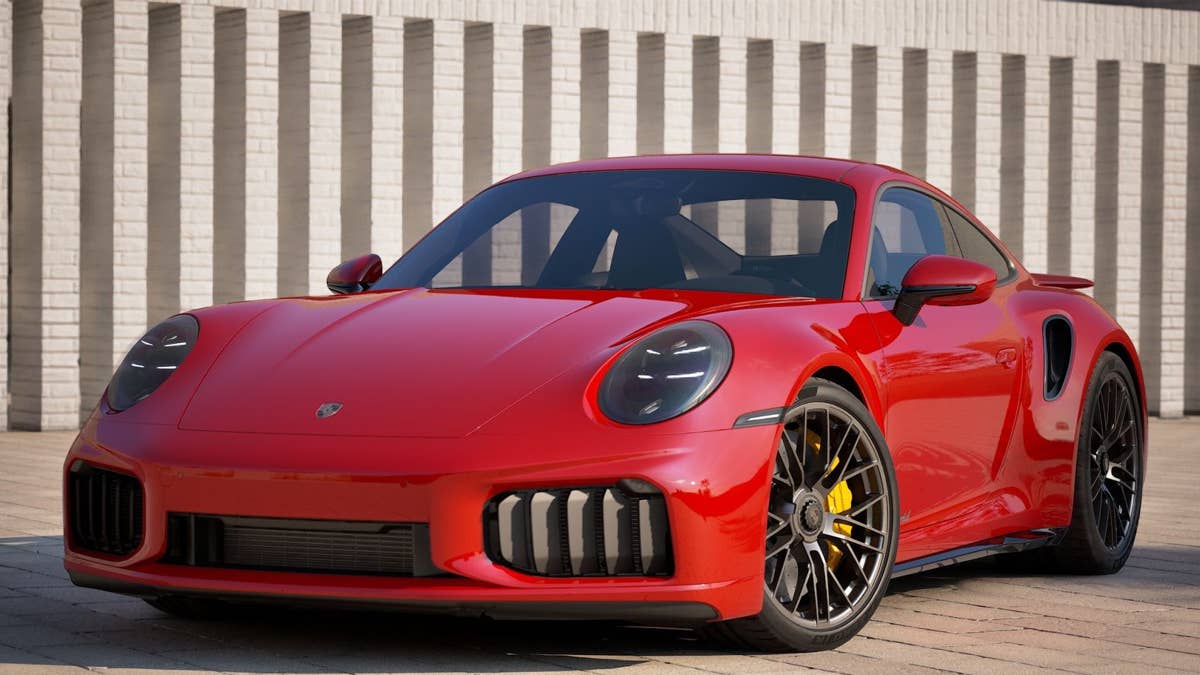
The Porsche 911 is doing what it always does: holding up the Stuttgart automaker’s performance image and quietly lifting the numbers. US deliveries of the 911 shot up 83% year-over-year, hitting 3,826 units in the first quarter. That jump owes a lot to new arrivals like the 911 Turbo S Coupe and Cabriolet.
That growth looks even bigger against the bigger picture. Total US deliveries were 16,517 units, down 12.5% from last year. The drop isn’t a shock. Porsche stopped building the 718, and electric model sales have slowed.
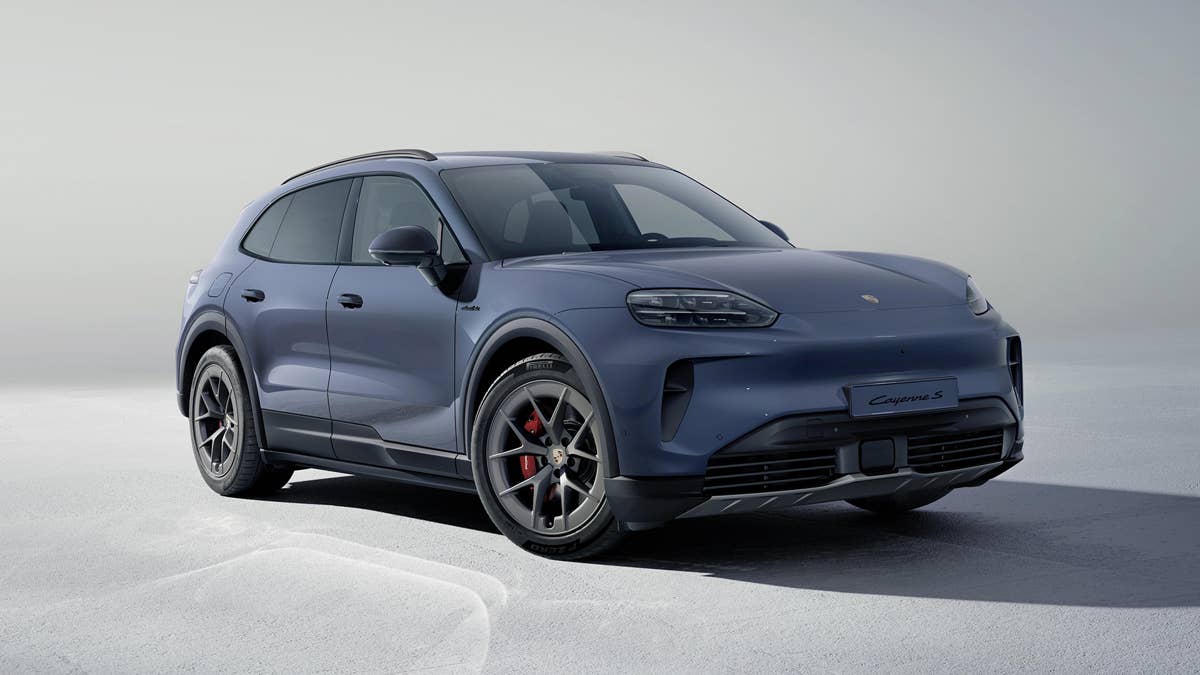
SUVs are still carrying most of the weight. The Macan led with 6,079 units sold, followed by the Cayenne at 4,816. Porsche is getting ready to add an electric Cayenne to the mix, joining the gas and plug-in hybrid versions already on sale.
Certified pre-owned sales were a small win, up 1.4% to 11,749 units. It’s not a game-changer, but it shows there’s still steady demand for Porsche, even as new car sales move around.
A Tougher Picture Globally
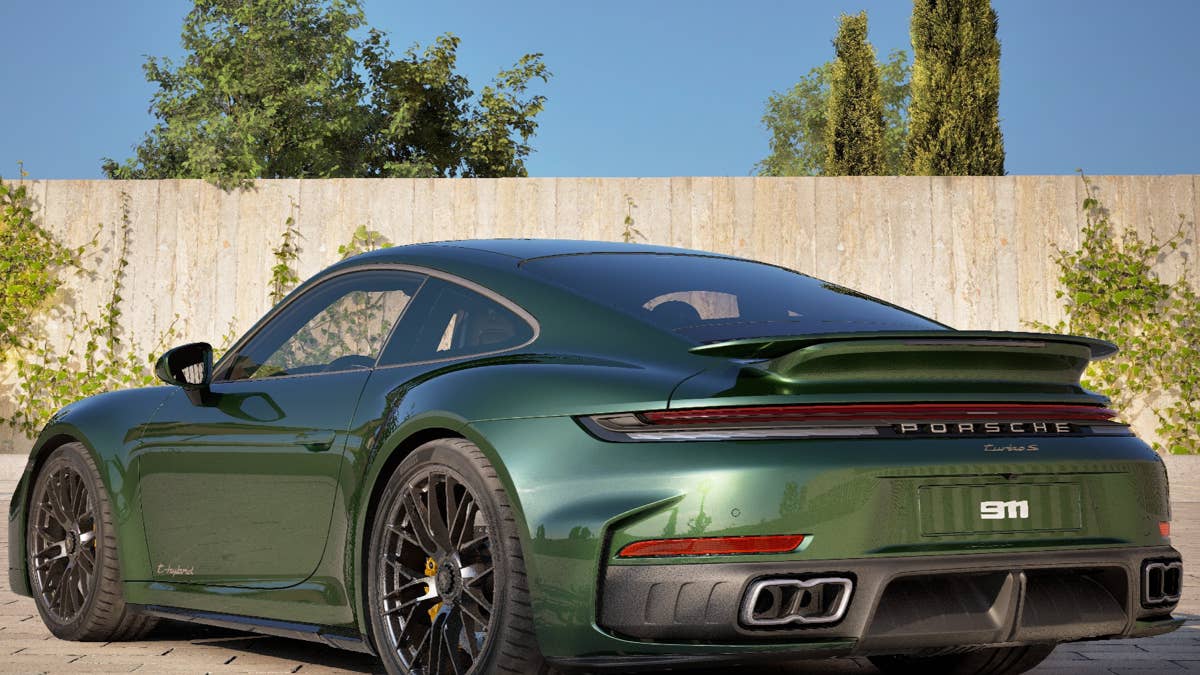
Globally, Porsche delivered 60,991 vehicles worldwide in the first quarter, down 15%. That’s a steeper drop than the US numbers show on their own.
China is still a concern, with deliveries there down 21%, while domestic brands are catching up on price and tech. Porsche doesn’t see the latter as a threat, but rather an opportunity to grow. Europe didn’t offer much relief either. While Germany posted a modest 4% increase, the rest of the region saw deliveries fall by 18%.
It all points to a brand in the middle of a reset. Porsche is shifting back toward combustion engines and putting some EV plans on hold, which hasn’t been cheap. New leadership is focused on restructuring and product strategy, but it’ll take time before those changes pay off.
Porsche