A New Factory, and a Bigger Challenge
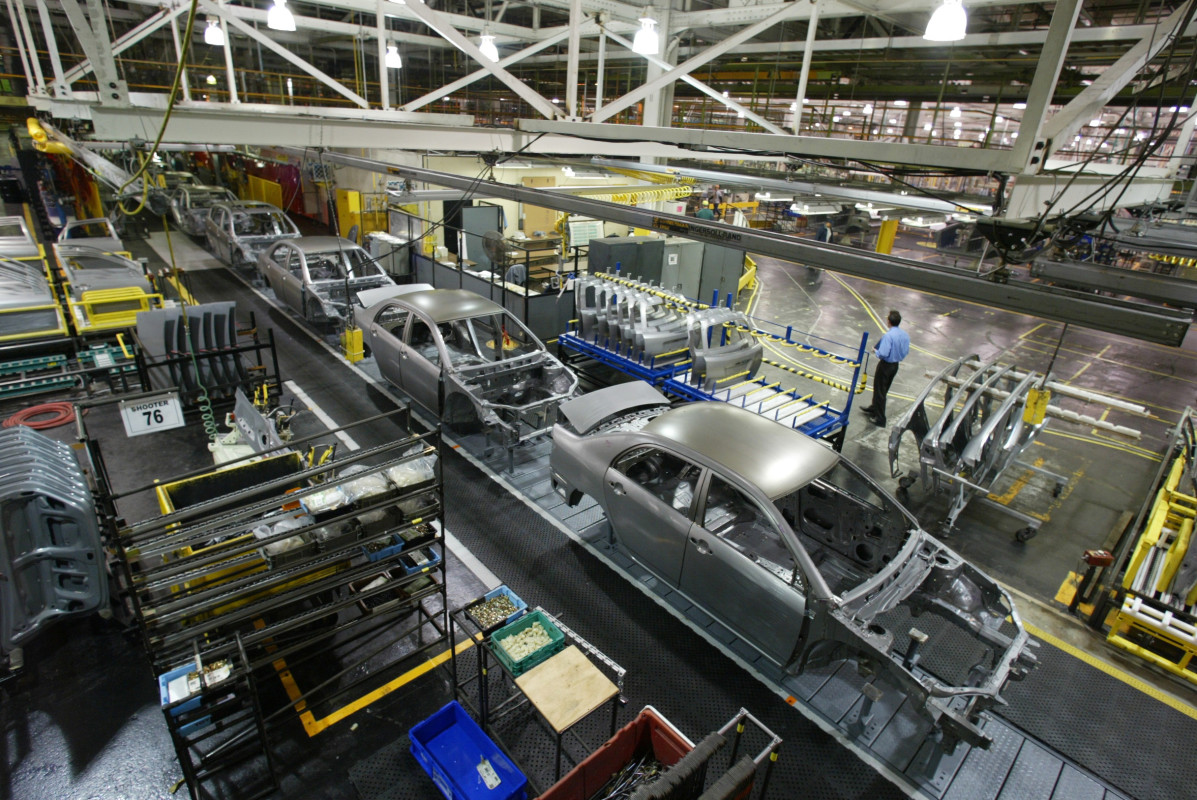
Last August, Toyota announced it would build a new car factory near its home turf in Aichi Prefecture. This isn’t just another plant – it’s the first one it has built in Japan since 2012. The goal: keep churning out about 3 million vehicles a year from Japanese soil.
The new plant is supposed to open in the early 2030s, and Toyota is calling it a ‘plant of the future’ – packed with new tech and built for a more diverse crew. That last bit isn’t just PR anymore; it’s quickly becoming a must-have.
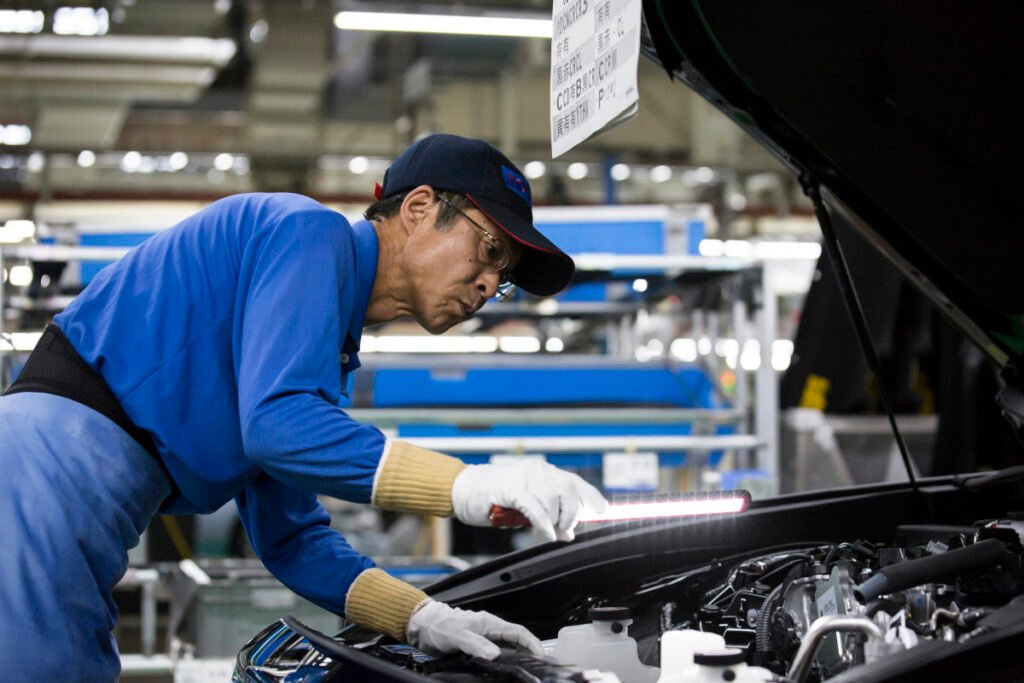
According to Nikkei Asia, Toyota simply won’t be able to keep this new factory running without a big boost from foreign workers. The problem is simple: there just aren’t enough people left in Japan to fill the jobs.
Getty Images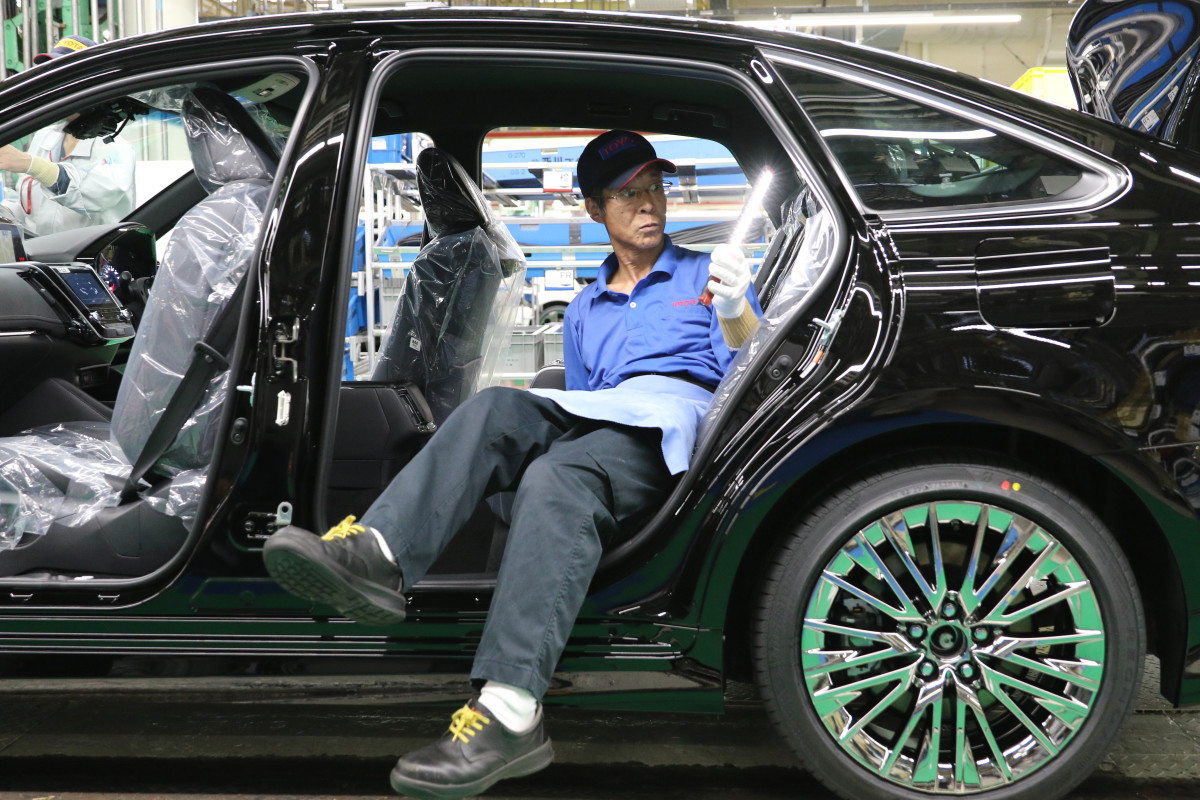
A Workforce that’s Rapidly Changing
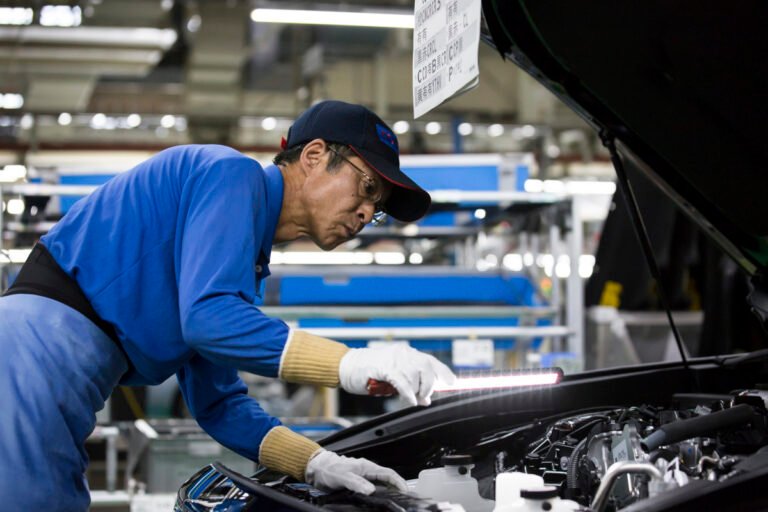
Right now, about a million people work in Japan’s auto industry, but only 9% are foreigners. That’s already double what it was in 2008, but it’s still nowhere near enough.
Experts say that by 2040, nearly three out of every ten auto workers in Japan will need to be from overseas just to keep building the same number of cars – about 8 million a year. If that doesn’t happen, Japan could lose the ability to make one in every four cars it builds today.
The shift is already visible in places like Homi Danchi, a housing complex near Toyota’s headquarters, where roughly 60% of residents are foreign nationals. Many of them are employed across the automaker’s vast supply chain, which includes around 60,000 suppliers.
Even Toyota’s closest partners are making changes. Toyota Industries, for example, is now bringing in foreign technical trainees to help on the factory floor. That says a lot about how tight the labor market has become.
The stakes go beyond just car factories, according to the report. If auto production drops by 10%, Japan’s GDP could take a nearly 1% hit. That’s one reason Akio Toyoda keeps pushing to keep manufacturing jobs in Japan, even as the workforce changes.
Luke Sharrett/Bloomberg via Getty Images
Rethinking the Toyota Way
Labor isn’t the only thing Toyota has to worry about. The company is also rethinking how it builds cars. CEO Koji Sato is telling suppliers to drop some of the old, nitpicky quality rules that drive up costs but don’t really matter to buyers. The new push, called Smart Standard Activity, is all about making production leaner and keeping Toyota in the game.
What’s driving this? Chinese brands like BYD are changing the game. They move fast, focus on what’s good enough, and pack their cars with features at prices that leave traditional automakers scrambling to keep up.
For years, everyone tried to copy Toyota’s playbook for precision and efficiency. Now, Toyota is the one making adjustments, borrowing a few pages from the new competition. It’s a quiet but important shift.
MICHAEL MACOR/The San Francisco Chronicle via Getty Images