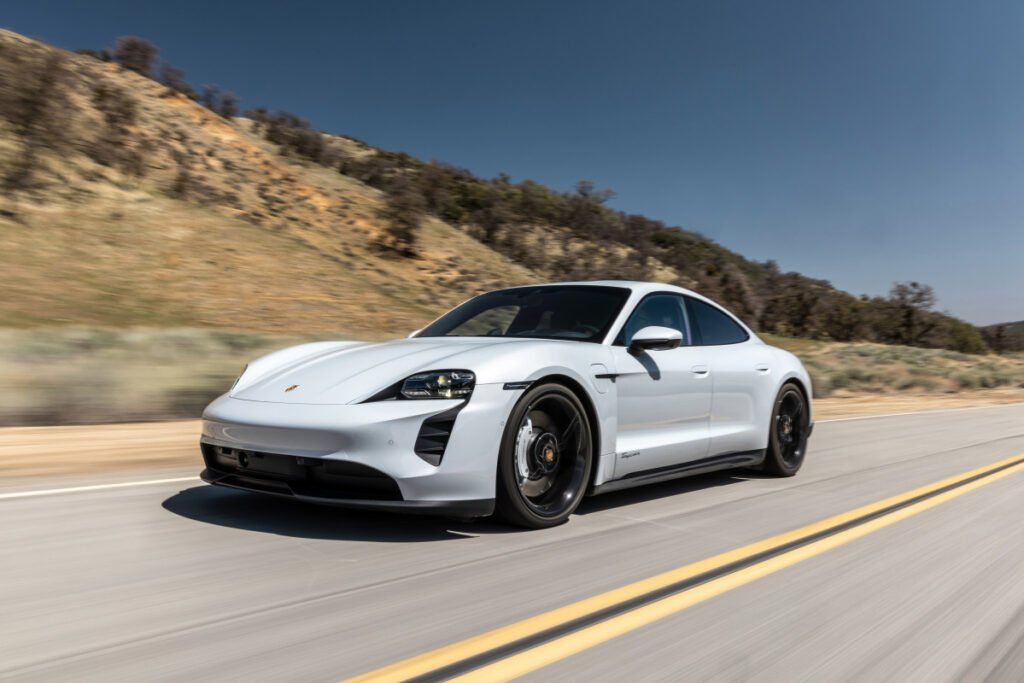
Porsche Hit With Charging Issue Lawsuit…Again
Two Porsche EV owners have launched a lawsuit against the German automaker. The suit alleges that the charging cables supplied to their respective vehicles are defective, stating that they overheat and stop charging. The cars weren’t the main source of the problem, though it’s worth noting that the owners’ cars were a Taycan Turbo and a Taycan 4S.
It was mentioned that the cable would also become “hot to the touch where it plugged into the vehicle’s charging port.” The owners added that they did not receive ample warning that the Mobile Charger Plus and Mobile Charger Connect chargers were defective. Prior to that, Porsche issued a recall of the chargers in December 2023, but the company said the cables were not faulty.
Do note that the wireless charger isn’t mentioned in the suit, and that it isn’t available to customers in the U.S yet.

The Company’s Actions so Far
So, what’s the root of the problem according to Porsche? The German automaker says it’s due to home outlets being unable to handle the current needed to charge the vehicle. It’s also reached a point where the company issued a bulletin to remind customers that outlets must be of ‘high quality.’
Porsche also notified owners to bring their chargers to their nearest service center. It wasn’t to replace the cables, but rather, to adjust the default setting to a lower output (50 percent). Warning stickers were also added for good measure. New cables were eventually offered, but Porsche also reimbursed up to $600 to those who purchased from a third-party supplier.
Dan Edmunds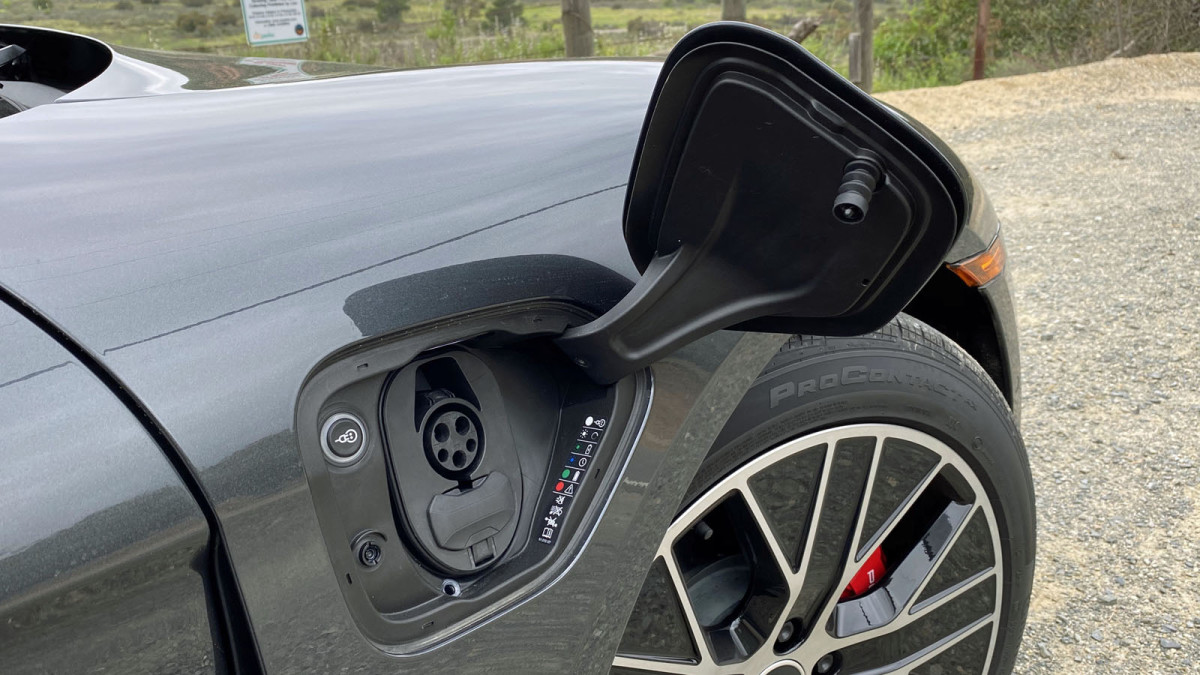
Motion to Dismiss
According to Porsche, this new lawsuit should be dropped as the issues mentioned were already resolved by the previous service bulletin. The plaintiffs claim that the chargers are stuck at 50 percent power, but Porsche argues that it is the default setting and can be increased to the owner’s preference.
Per Car Complaints, one of the plaintiffs did not avail himself of the recall’s remedies, leading Porsche to argue that “he cannot allege an injury fairly traceable to PCNA’s alleged wrongdoing, and his claim for economic damages should be dismissed.” The company added, “It strains credulity to suggest that a defendant with no knowledge of the alleged defect was acting unjustly. But plaintiffs’ allegations utterly fail to suggest PCNA had knowledge of the alleged defect when plaintiffs purchased.”