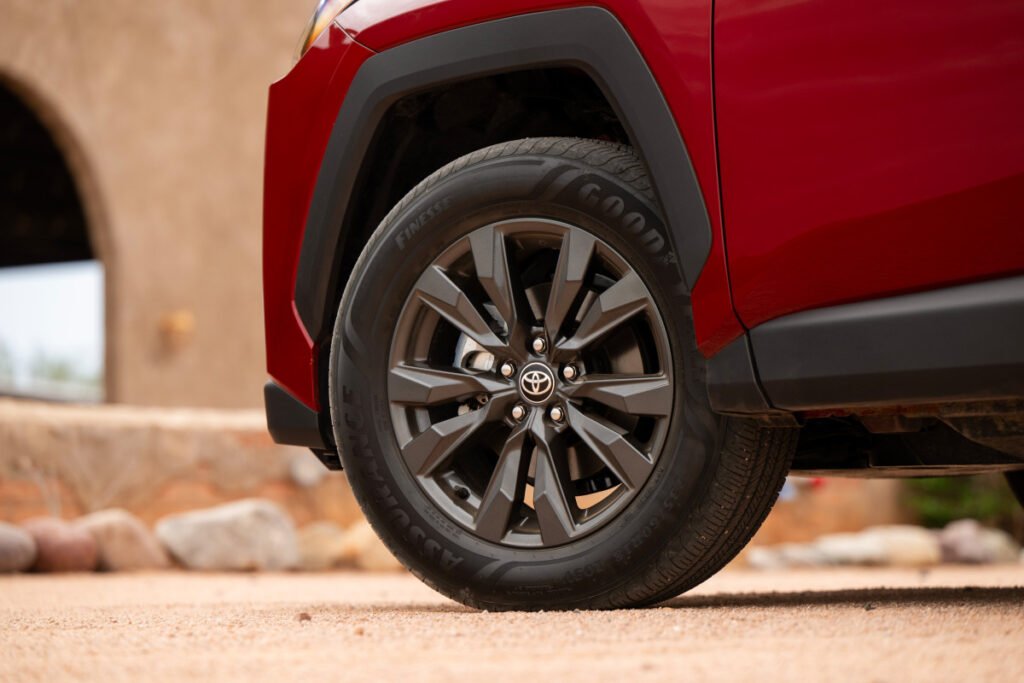
Toyota closed 2025 on a historic high. The Japanese automaker sold a record 11.3 million vehicles globally, securing its position as the world’s best-selling automaker for the sixth year in a row. That momentum, however, has run straight into 2026 with an asterisk attached. Toyota reported a 3.9 per cent decline in global production for February 2026, marking its fourth consecutive month of contraction, with worldwide output totaling 749,673 units for the month. Global sales followed suit, easing 3.3 per cent to 737,134 units, in line with the supply constraints caused by an ongoing model transition. The culprit is not a lack of demand; it’s a single vehicle changing generations: the RAV4.
Toyota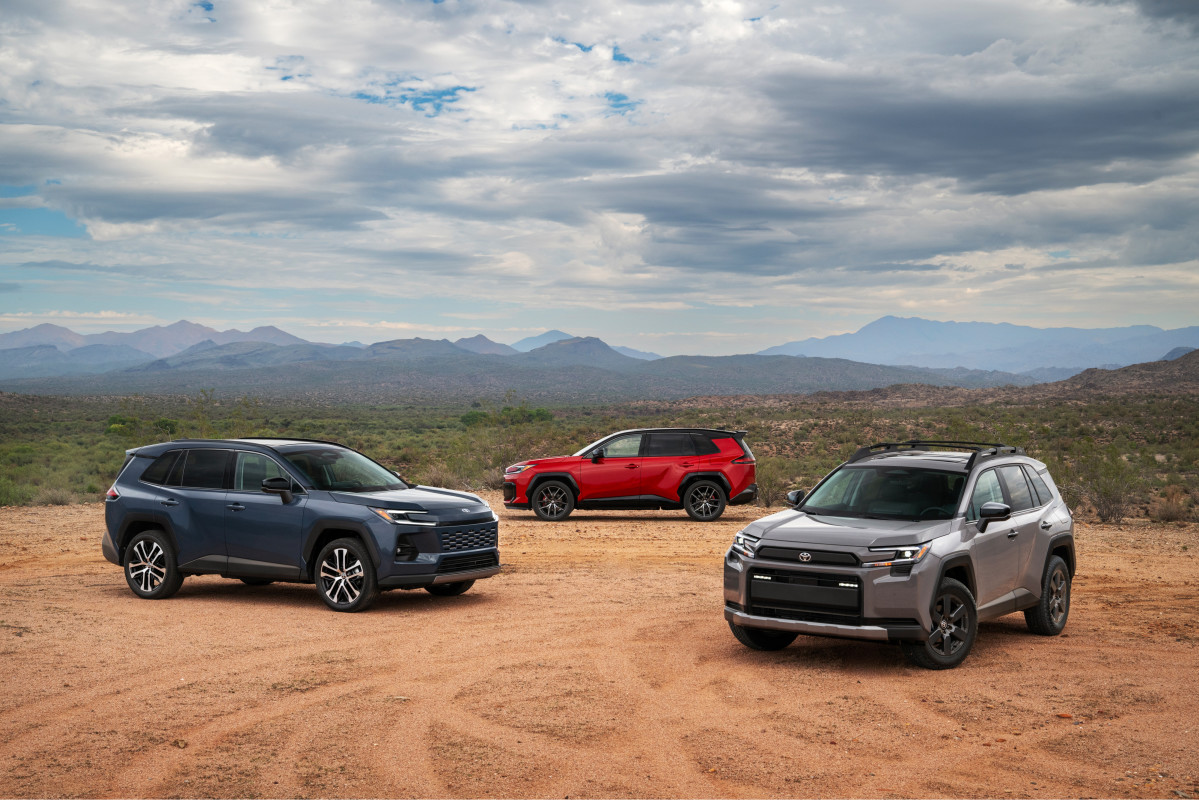
What Makes the New RAV4 Worth the Wait
The shortage of 2025 RAV4s at dealers is severe enough to move markets. So what is everyone lining up for, if the previous generation was so popular? The sixth-generation RAV4 drops the gas-only powertrain entirely, offering only hybrid and plug-in hybrid variants as part of Toyota’s broader electrification push. The standard hybrid produces 226 combined horsepower, while the plug-in hybrid steps up to 320 horsepower with 50 miles of electric-only range. Add in Toyota Safety Sense 4.0 and a redesigned interior, and you have a genuinely compelling upgrade. Toyota’s factories just need time to catch up. The brand is already up 5.1 per cent in US sales year to date despite the RAV4 shortfall.
Toyota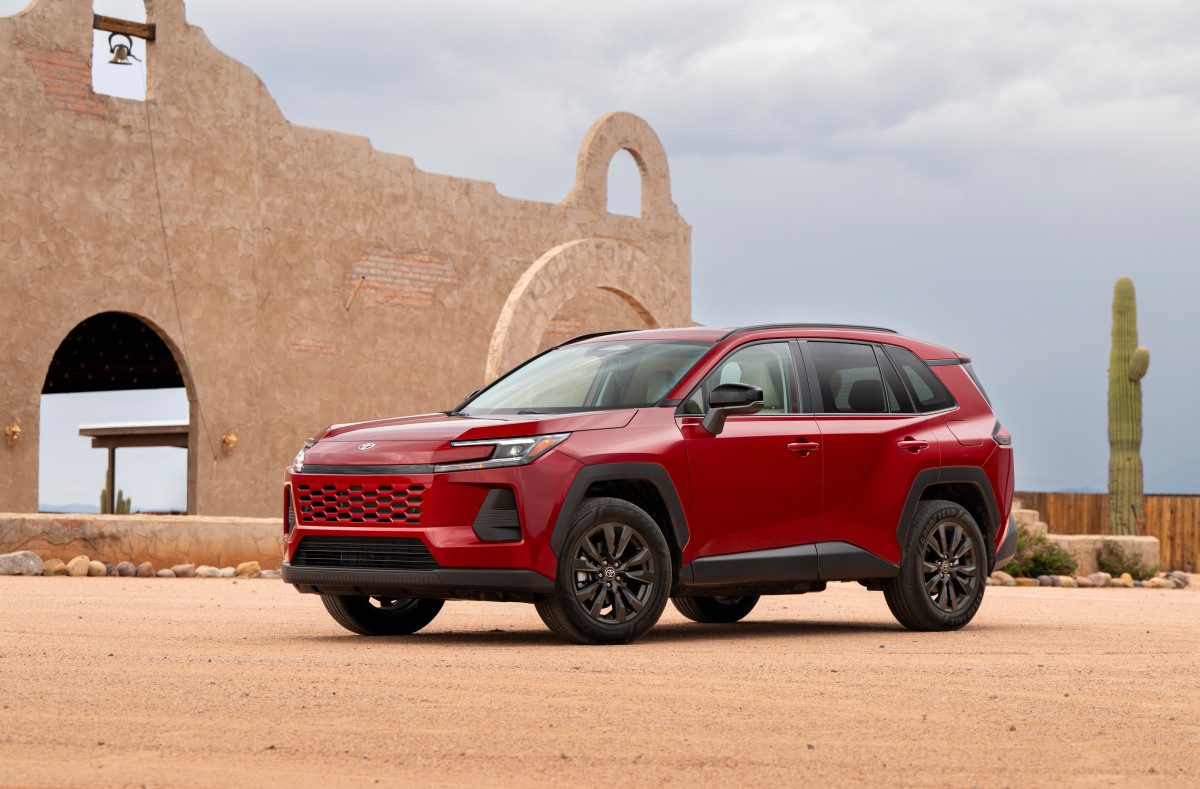
Canada Takes the Hit While the US Holds Steady
Canada bore the brunt of the regional decline, with output plummeting 46.2 per cent compared to the previous year, dragging North America’s overall production down by 9.1 per cent. This is not entirely surprising. Up to 80 per cent of RAV4 production destined for the US market flows through two Toyota assembly plants in Ontario, making Canada the nerve center of the entire RAV4 supply chain. The numbers make clear this is a localized disruption, not a structural one.