A Different Playbook That’s Actually Working
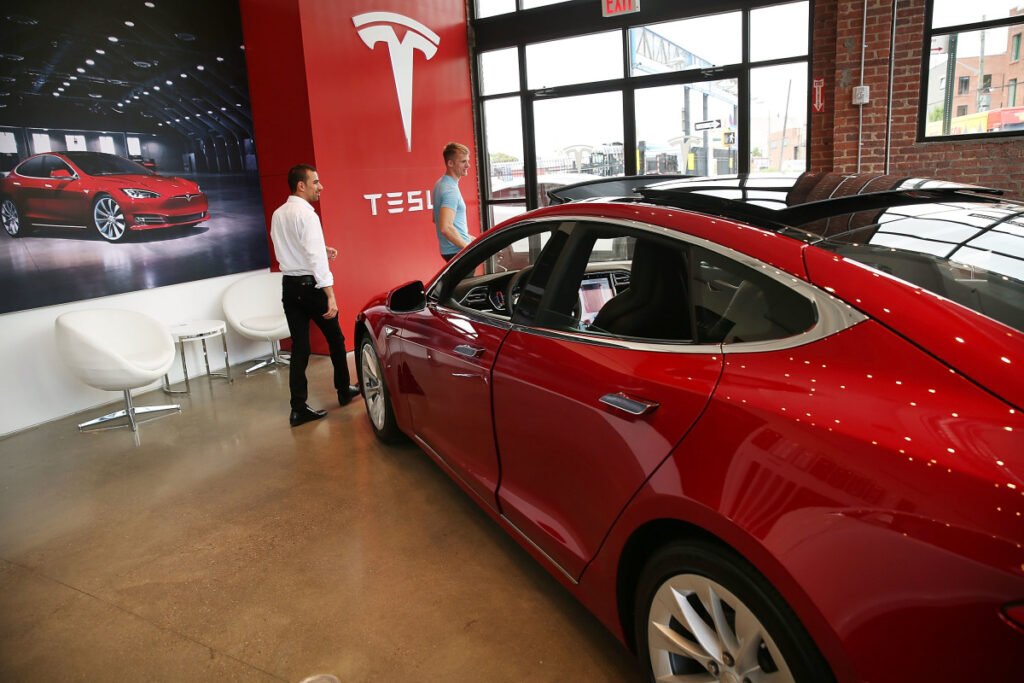
Tesla usually prefers to do things differently, but in Japan, it’s following a more traditional playbook. Rather than sticking to online sales and a bare-bones showroom approach, the company is putting real effort into dealerships and face-to-face interaction – exactly how most Japanese buyers want to shop for cars.
And that approach has been working, but it has also given rise to another problem the automaker needs to solve. Tesla is now set to double its own service network in Japan this year. Selling cars is one thing, but keeping owners happy after the fact is what really matters.
Expansion Plans in Place
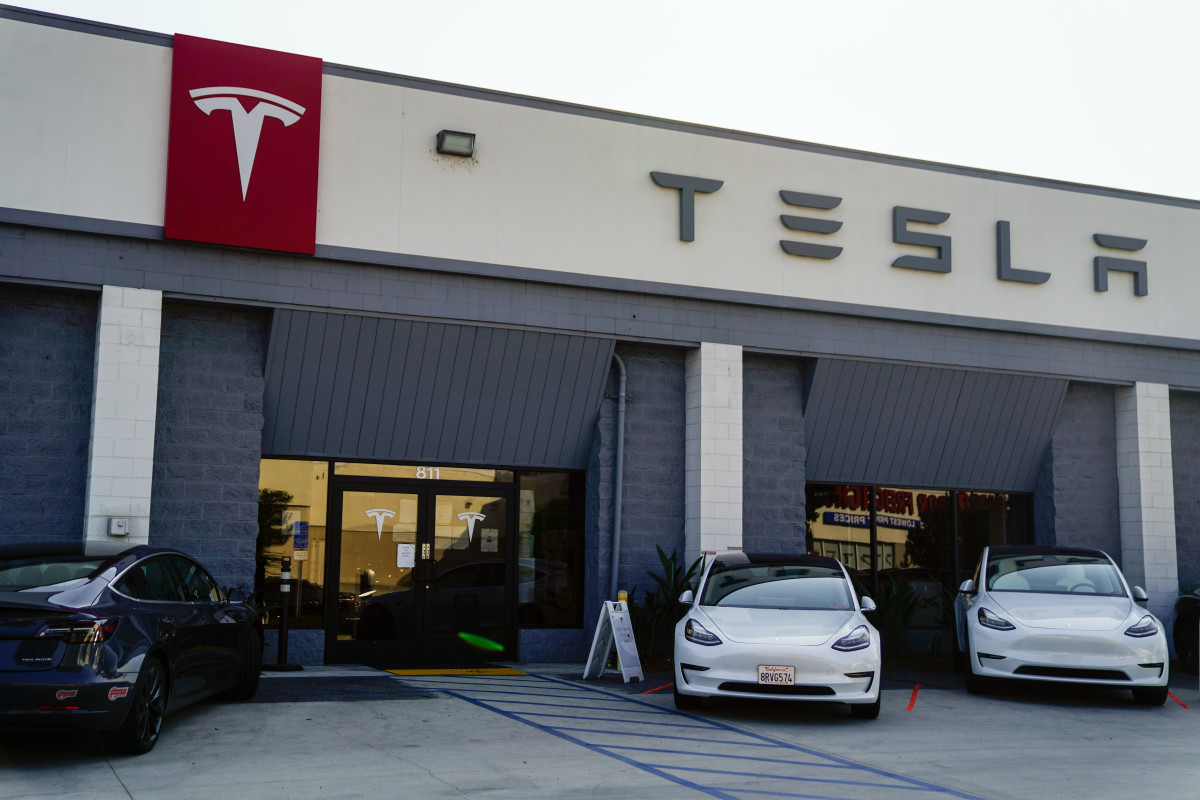
Right now, Tesla runs 14 service centers in Japan, mostly in big cities. According to Nikkei Asia, the goal is to have more than 30 by year’s end – doubling the footprint in less than twelve months.
These centers handle everything from inspections to routine maintenance and body repairs. Many of the new sites will be close to existing dealerships, making it easier for owners to get what they need in one stop.
To accelerate the rollout, Tesla is reportedly using readily built properties that previously served as maintenance facilities. This allows the company to expand quickly without the higher costs and longer timelines associated with building new sites from scratch.
Where it doesn’t make sense to run its own center, Tesla is teaming up with local auto shops. That network already gives owners access to over 50 service points across Japan, covering areas the company can’t reach directly.
Beyond growth, Japan requires a first inspection three years after a car is registered, and a wave of Teslas is about to hit that mark. The need for easy service is about to get real.
Tesla
Sales Are Climbing, But So Are Expectations
Tesla’s sales in Japan jumped by about 90% last year, hitting roughly 10,600 units and beating its previous record. More dealerships and some well-timed discounts helped push those numbers up.
The company increased its number of dealerships to roughly 30 by 2025, up from about 10 previously. That alone marks a significant shift in how Tesla engages with customers in the market.
But growing this fast has its downsides. About 60% of Tesla Japan’s staff have been on the job less than six months. That kind of churn makes it tough to keep service quality steady as more owners come on board.
That’s why the bigger service network matters. It’s not just about more locations – it’s about making ownership smoother as expectations for reliability and support continue to rise.