Engine Woes
You’d expect that when you are thinking of buying a brand-new car, everything will be well. After all, a new car is supposed to be fresh and well-built, ensuring reliable performance right out of the showroom. In some cases, though, the manufacturing process of certain parts isn’t as good as it should be, leading to recalls.
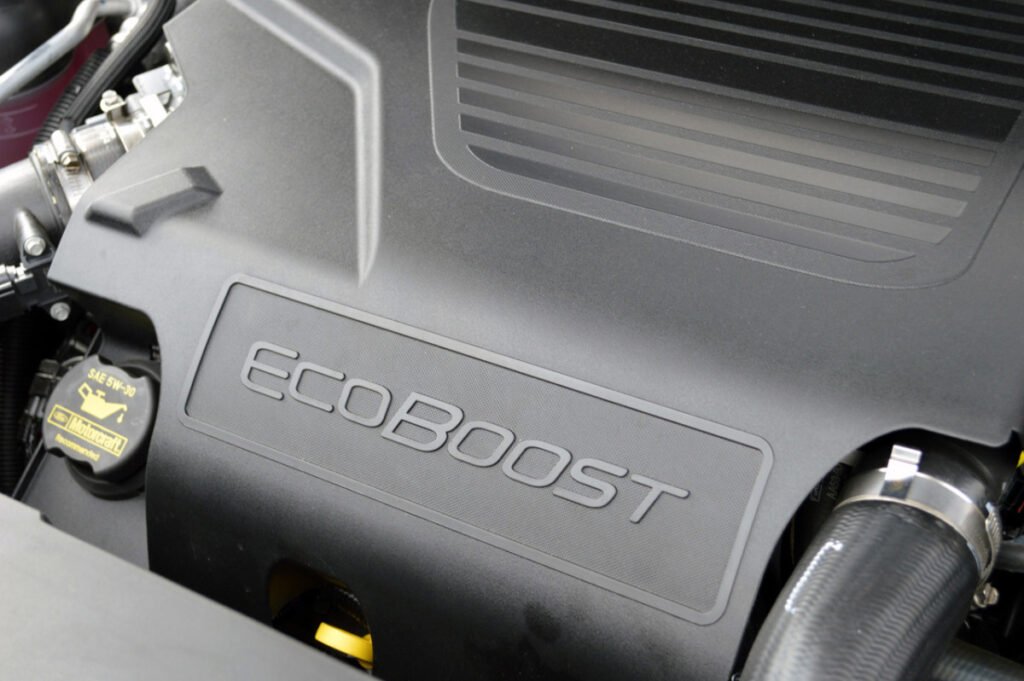
This is the case for a lawsuit filed against Ford for a defective Ecoboost engine, while there were actual defects found, a twist has been added to this rather simple issue. Other owners have come forward claiming their Ecoboost-powered cars weren’t included in the recall, and have filed their own suit against Ford.
James Riswick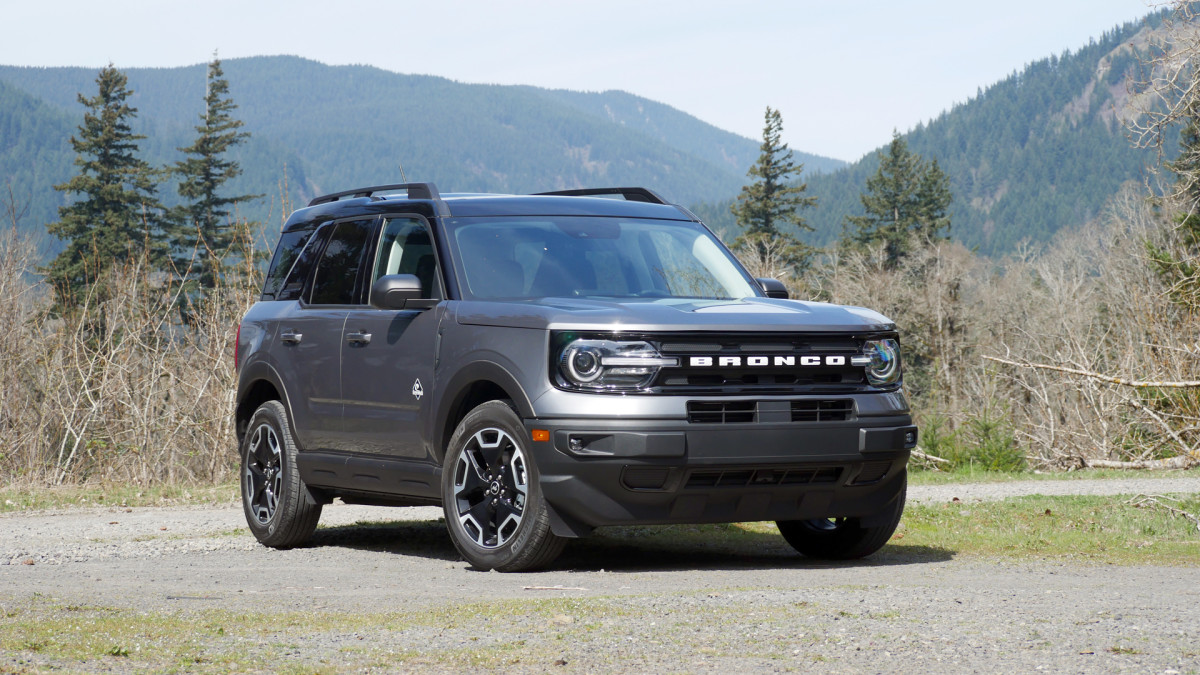
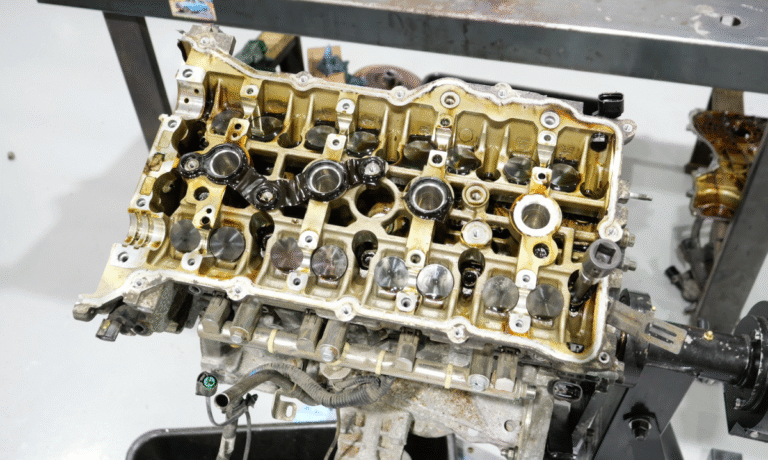
Ecoboost Intake Valves Issue
For context, as reported by Car Complaints, in 2022, three owners filed complaints that were received by the National Highway Traffic Safety Administration (NHTSA). In these three separate complaints, the owners asked for an investigation into the Ecoboost engine, specifically the intake valves. In the letter, they alleged that 35 other complaints have already been submitted regarding the Ecoboost engine. It was then that the Government opened the investigation in July of 2022, looking into the 2021 Ford Bronco equipped with the 2.7- or 3.0-liter Ecoboost engine.
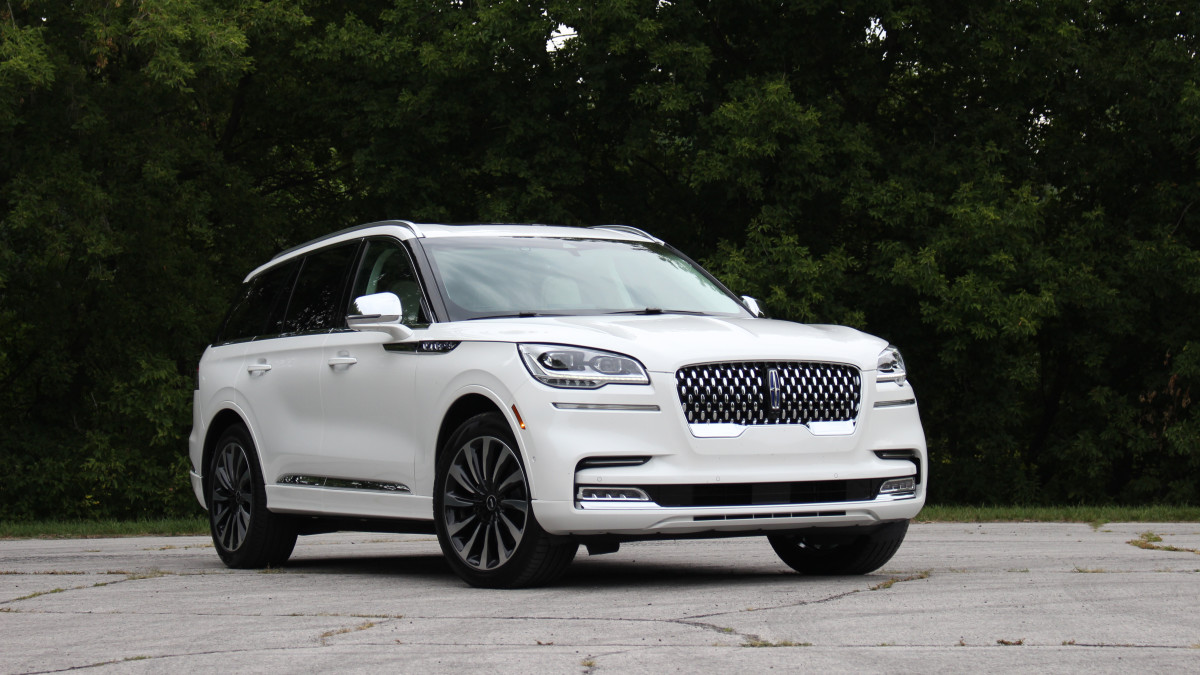
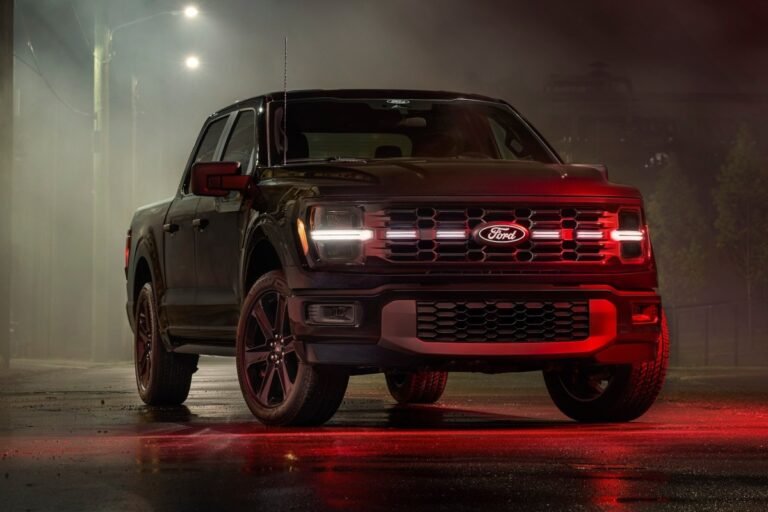
In 2023, the investigation was widened to include the 2021-2022 Ford Bronco, Ford Edge, Ford Explorer, Ford F-150, 2021-2022 Lincoln Aviator, and Lincoln Nautilus, all of which carry the above-mentioned Ecoboost motors.
Eventually, Ford concluded that the intake valves could break or crack. A 2024 recall was eventually issued by the brand, though only about 1% of the affected models were at risk of stalling. Dealerships were tasked with testing the engines and replacing those that failed.
Ford also announced that a new customer satisfaction program will now include an extended warranty covering vehicles for up to 10 years or 150,000 miles. The whole affair lasted 27 months, with the NHTSA eventually closing its investigation after Ford issued the recall and the new warranty program.
Ford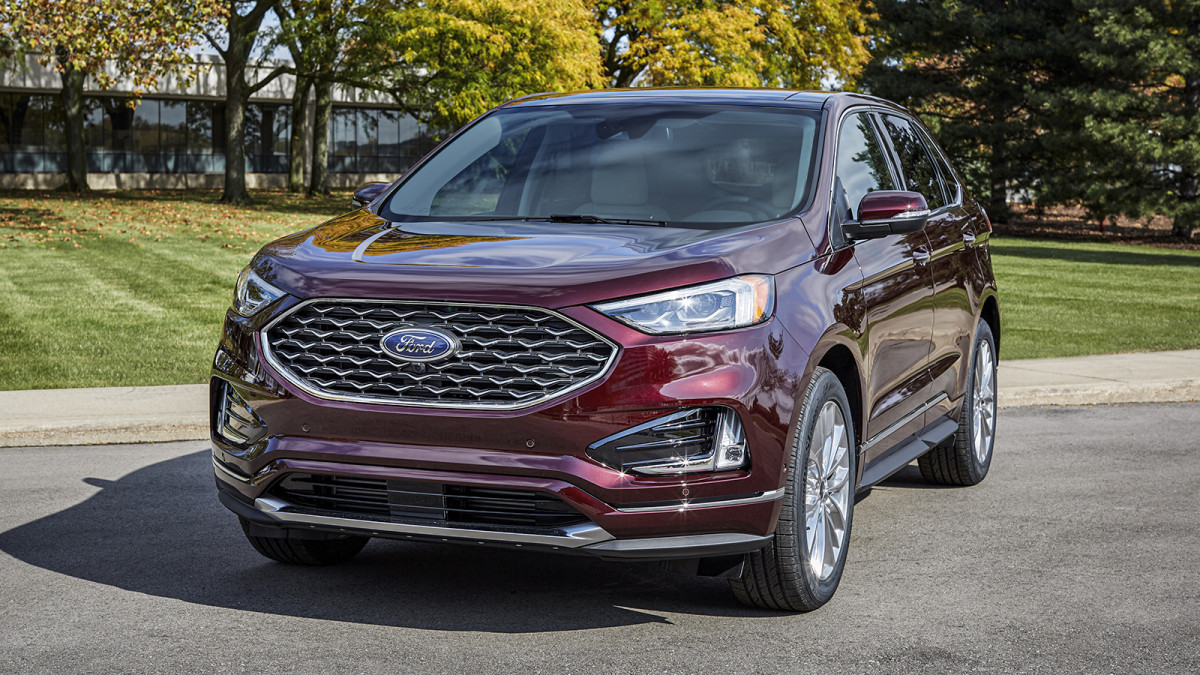
No Issue Detected
In a twist of events, three plaintiffs filed suits against Ford during this time, when their Ecoboost engines were not included in the recall, and they ended up overpaying for their cars. They go on to claim that this overpaying has caused them “personal injury.” Ford has gone on to say that the plaintiffs had no problems with their vehicles or EcoBoost engines.
The presiding judge did say that overpaying qualifies as “monetary harm” and can be classified as an injury. The plaintiffs must have a plausible argument or proof that the products are indeed defective. To clear the suit, however, Ford says that these plaintiffs’ Ecoboost engines were made and purchased prior to the May 1, 2021, to October 31, 2021, production period, during which the defective valves were present.
The judge ruled in favor of dismissing the class action suit after he said the plaintiffs lacked proof of a defect in the design or manufacturing of their specific Ecoboost engines.
Zac Palmer