The New Telluride, Familiar Foundations
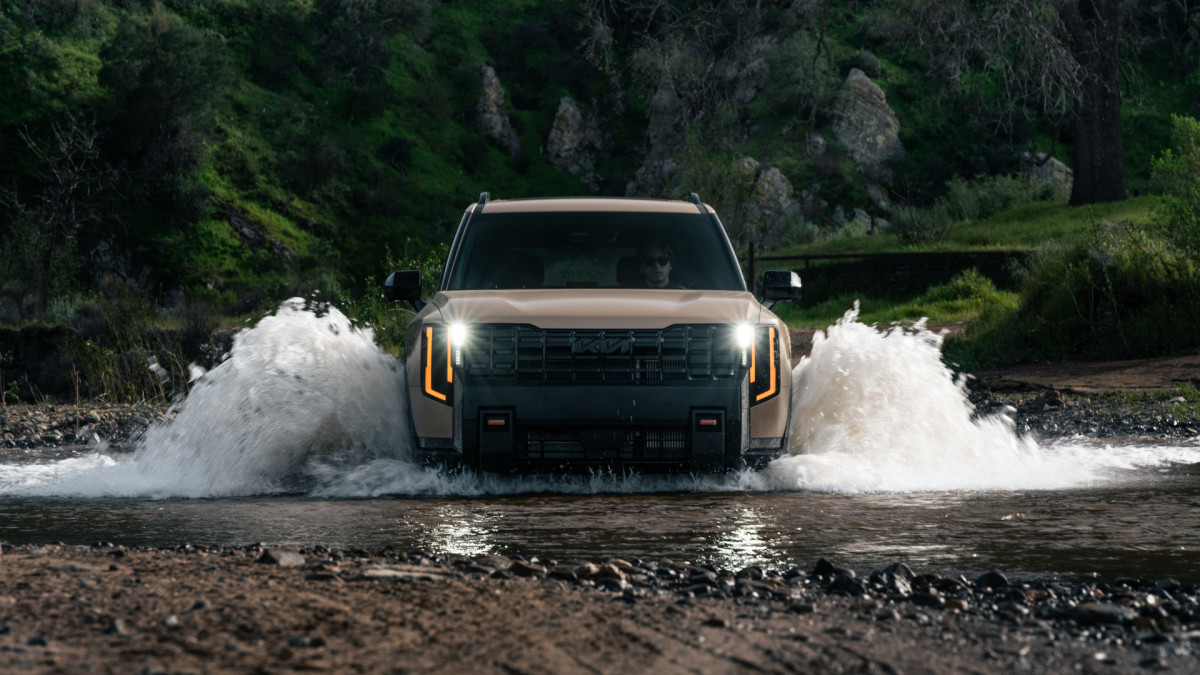
The new Kia Telluride gets the expected updates – sharper looks, a refreshed cabin, and a hybrid setup that pushes the SUV in a more modern direction. But underneath, it shares its bones with the Hyundai Palisade.
Sharing a platform has always meant both SUVs get the same strengths: roomy packaging, smooth ride, and family-friendly features. Now, it looks like they share the same weak spots, too.
Kia has already recalled some early 2027 Telluride models because of a serious defect first spotted in the Palisade. What started as a Hyundai problem is now a Kia problem too, and it raises a bigger question: just how far does this issue go in the group’s newest three-row SUVs?
Kia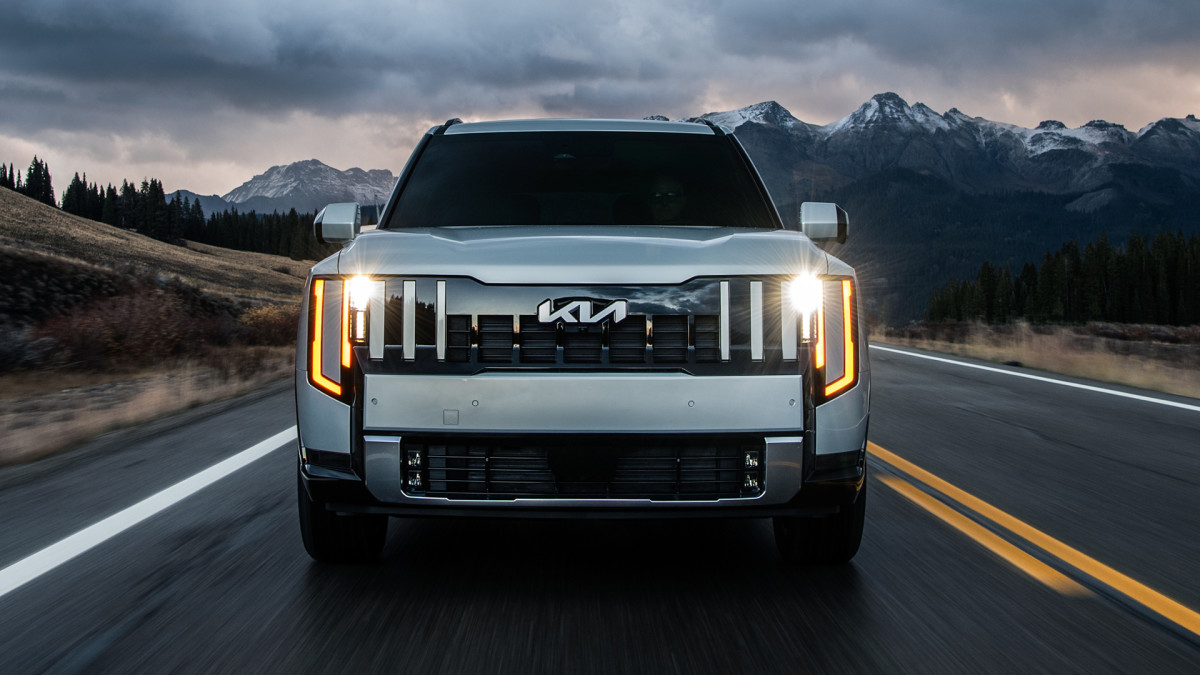
Small Numbers with Serious Concern
The recall covers 568 units of the 2027 Telluride Hybrid – specifically the SX Prestige and X-Line SX Prestige with the Executive Package – built from February 2 to March 13, 2026, according to NHTSA filings. All recalled units are affected by the defect.
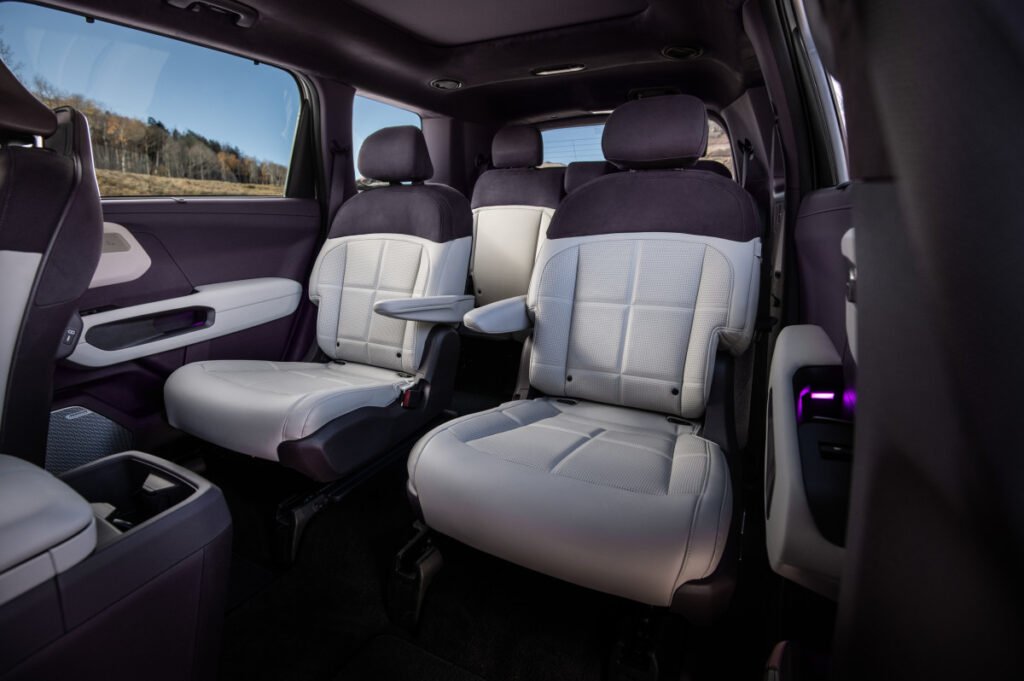
The problem is with the second-row power seats. They’re supposed to fold and slide automatically to make third-row access easier. But the system might not notice if something – or someone – is in the way. That means the seat could keep moving even if a person is sitting down or climbing in or out.
There’s no warning system to catch this, and the control units from the supplier are still being looked at. The risk is simple: if the seat moves without knowing someone’s there, someone could get hurt.
Just like Hyundai, Kia doesn’t have a fix yet. For now, owners are told not to use the power-folding seats when anyone’s in the back, and to be extra careful with the controls. A real solution is coming, but this isn’t something a quick software update will solve.
K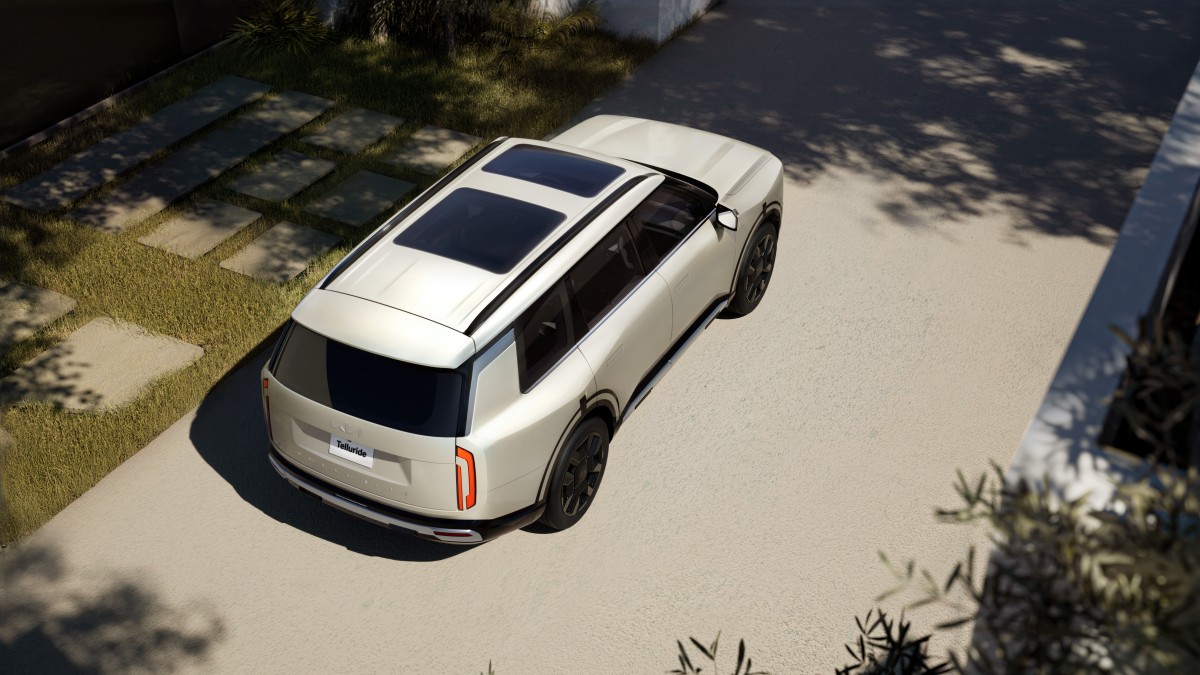
Rear Seat Defect Fallout Goes Global
The Telluride recall is small, but it started with something much more serious in the Hyundai Palisade. Hyundai already stopped sales and issued a recall after a fatal accident tied to the same rear-seat system.
That accident turned what could have been a routine recall into a top-level safety problem. Reports show the defect is with the same type of power-folding second-row seats that might not sense when someone’s there, making things dangerous fast.
The problem isn’t just in the US. Korean regulators have also initiated recalls, which means this is a global issue. It’s not just one batch or one country – it’s about shared parts and design.
This is the flip side of sharing platforms and suppliers. It saves money and time, but one problem can spread across several models and brands in a hurry.