China’s Knocking
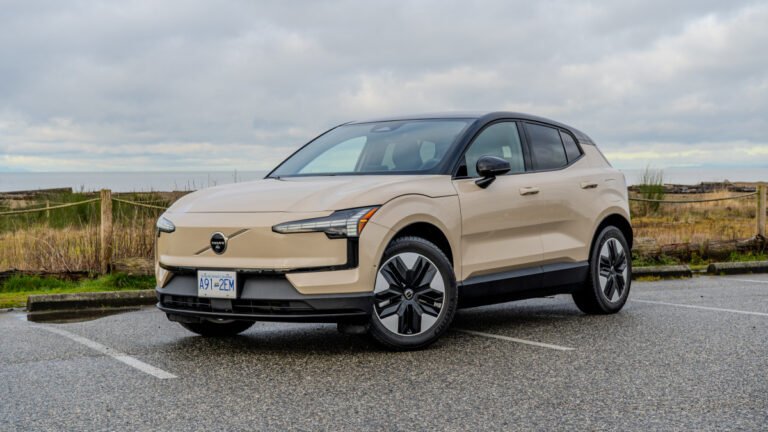
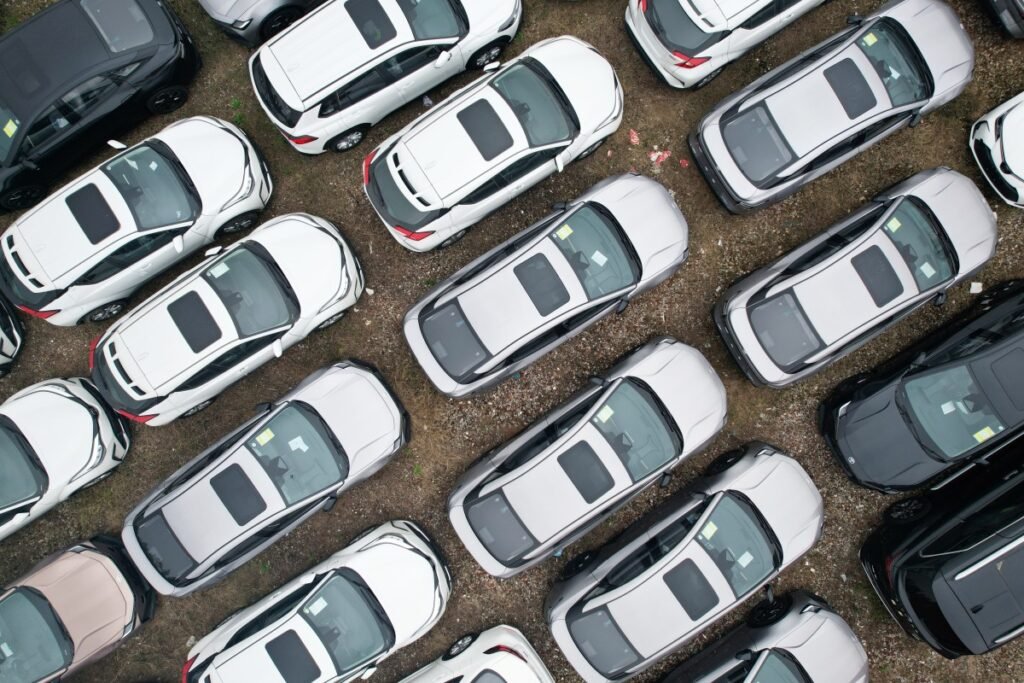
Chinese automakers have been making huge leaps in recent years. Whether we’re talking tech, manufacturing, or global sales (whether manufactured or not), the sheer number of models that come from the East on a near-daily basis.
The growth of the Chinese auto industry is a case study in itself. We’re currently living in a time when people are being pushed toward cost-effective and efficient vehicles due to several factors. Chinese-made vehicles come in at attractive price points, and consumers are taking notice around the world, except the U.S., where tariffs and laws are keeping them out of the country, at least for now.
Xie Guiming/VCG via Getty Images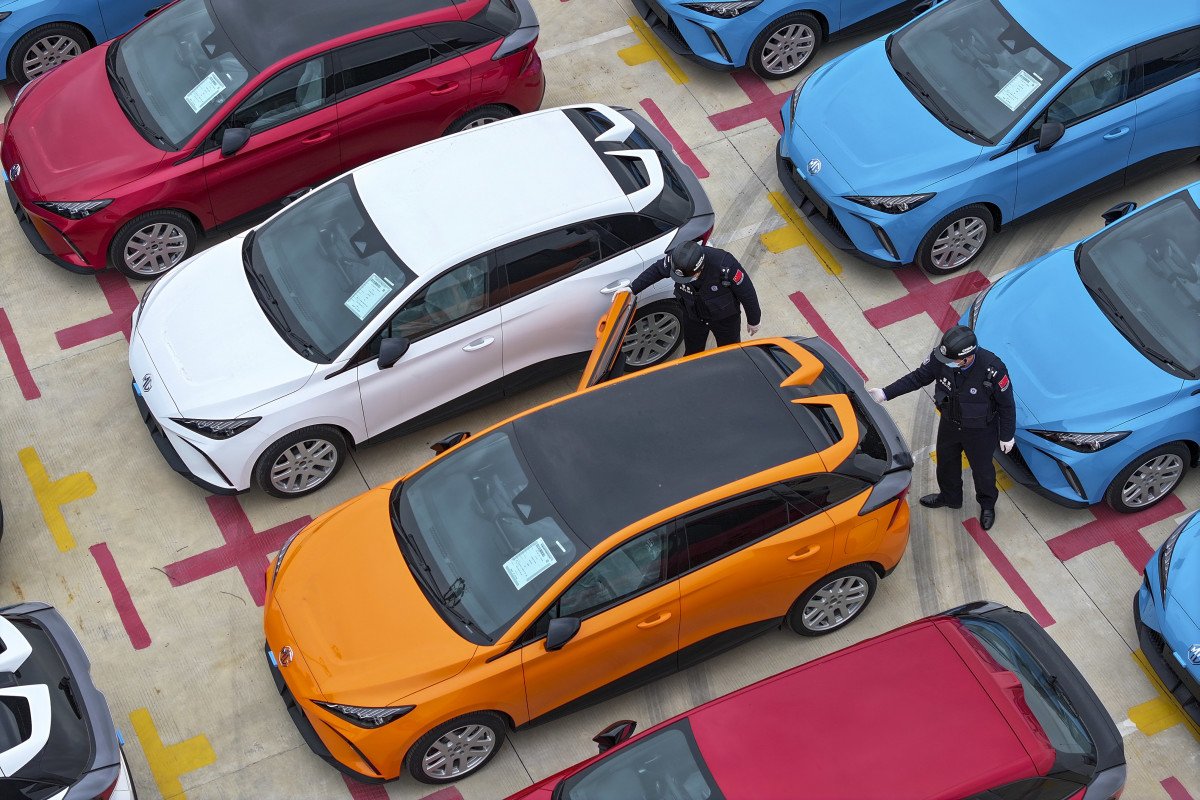
Letter Sent
The five auto groups that sent the letter, dated Thursday, March 12, 2026, came from the Alliance for Automotive Innovation, the National Automobile Dealers Association, Autos Drive America, the American Automotive Policy Council, and MEMA, the Vehicle Suppliers Association.
Reuters reports on the letter that was sent to the President of the United States. The five groups that represent automakers, car dealers, and parts manufacturers wrote: “serious concerns about China’s ongoing efforts to dominate global automotive manufacturing and gain access to the U.S. market. These actions pose a direct threat to America’s global competitiveness, national security, and automotive industrial base.”
The request is also timely since President Trump will be attending a planned summit with Chinese President Xi Jinping to discuss relations and maintain stability. President Trump is expected to visit China from March 31, 2026.
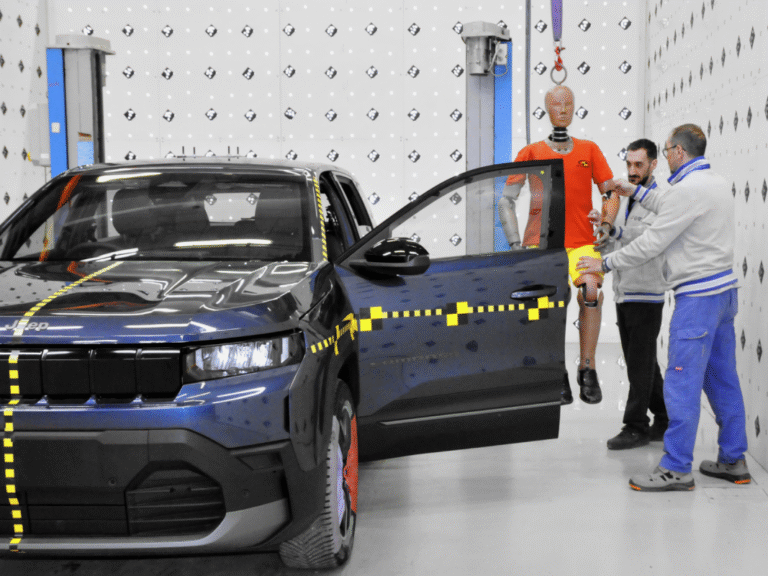
Stellantis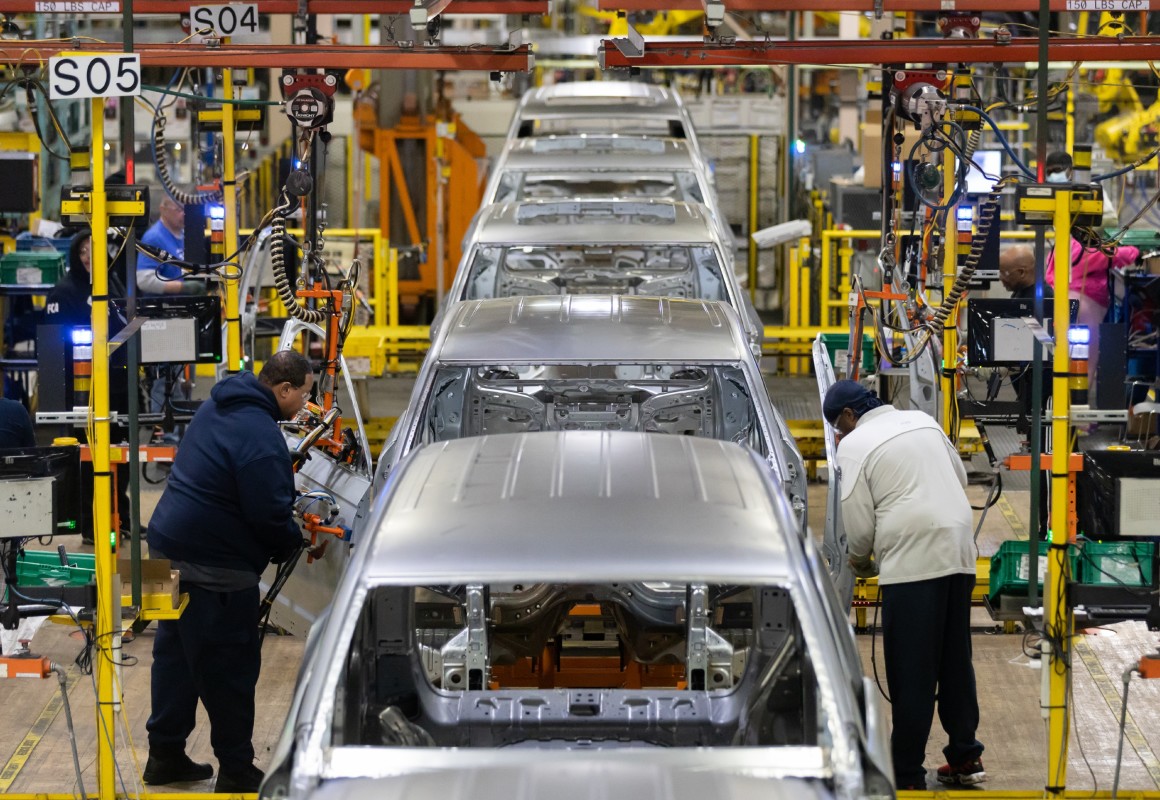
Protecting U.S. industry
A 2025 cybersecurity regulation from China’s Commerce Department is effectively keeping nearly all Chinese vehicles out of the U.S. auto market. The groups even criticized Canada’s announcement that it would allow some Chinese vehicles into its market, which was also detailed in the letter.
The groups want to protect U.S. auto manufacturing. Chinese manufacturers have been pushing for overseas plants. “We also strongly urge the Administration to reject any attempt by Chinese manufacturers to circumvent these existing restrictions by establishing production facilities in the U.S.”
“The market distortions and risks to the auto industry in the U.S. are fundamentally the same whether these vehicles are imported or produced domestically.”
However, President Trump also expressed in January 2026 that “if they want to come in and build a plant and hire you and hire your friends and your neighbors, that’s great, I love that,” to the Detroit Economic Club. On the flip side, the President also slammed Canada’s decision to allow Chinese brands into North America.
China’s Replies
It goes both ways between the U.S. and China. President Trump imposed steep tariffs on Chinese products, effectively blocking BYD from gaining access. It was enough for BYD to sue the U.S. Government, alleging that the tariffs exceeded the authority granted to the President under the International Emergency Economic Powers Act (IEEPA).
Reuters also reported that the U.S.-Chinese Embassy rejected the criticism, stating that Chinese-made cars are popular globally “not by using so-called ‘unfair practices’ but by emerging from the fierce market competition with technological innovation and superb quality.” Furthermore, “China’s door has been open to global auto companies, including U.S. auto companies, who have fully shared in the dividends of China’s big market.”
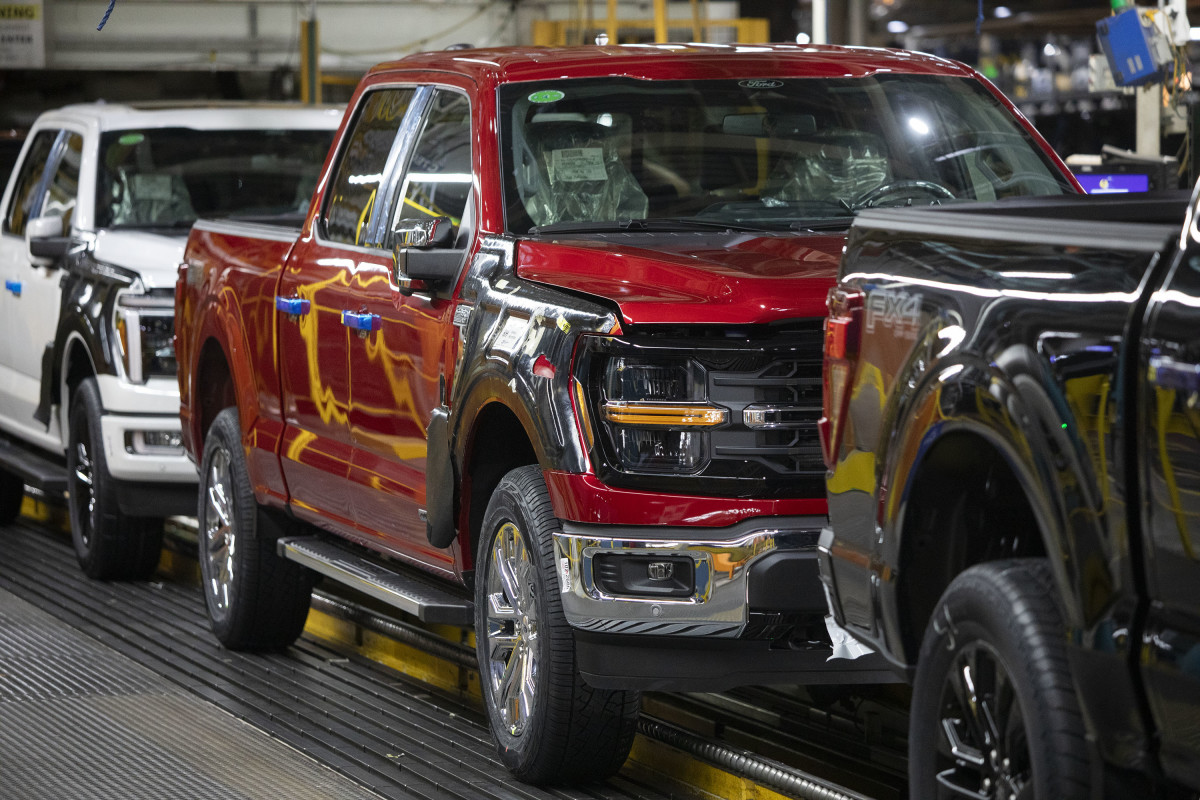
This also extends into vehicle development, as is the case with some U.S. automakers – such as Ford – collaborating with brands like BYD on future electrified products and establishing manufacturing facilities in the United States.
Whether or not the letter will affect the summit remains to be seen. We’re likely to see more developments in April this year. Some brands are taking the “if you can’t beat them, join them” approach, while others are still looking to protect their interests by lobbying to bar them altogether. Common ground may yet be found between the two largest economies in the world, and the U.S. remains an untapped market for Chinese automakers, at least for now.
VCG/VCG via Getty Images