A Short-Lived Comeback
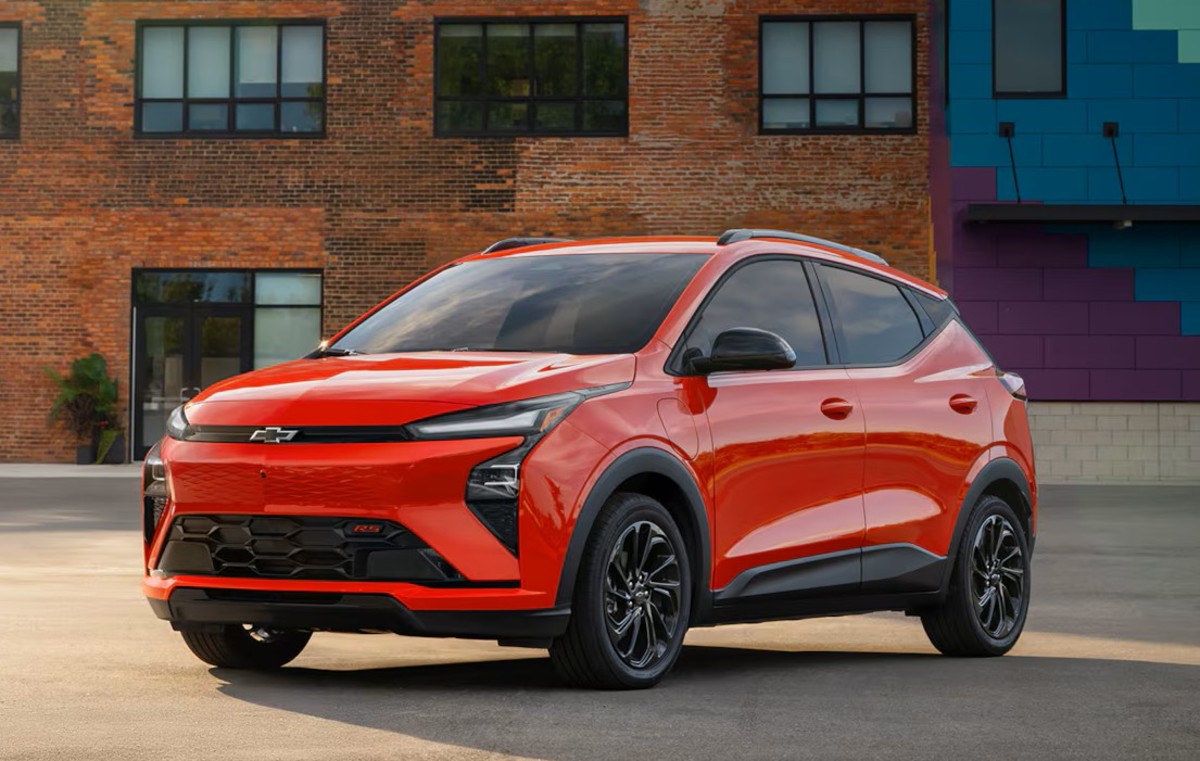
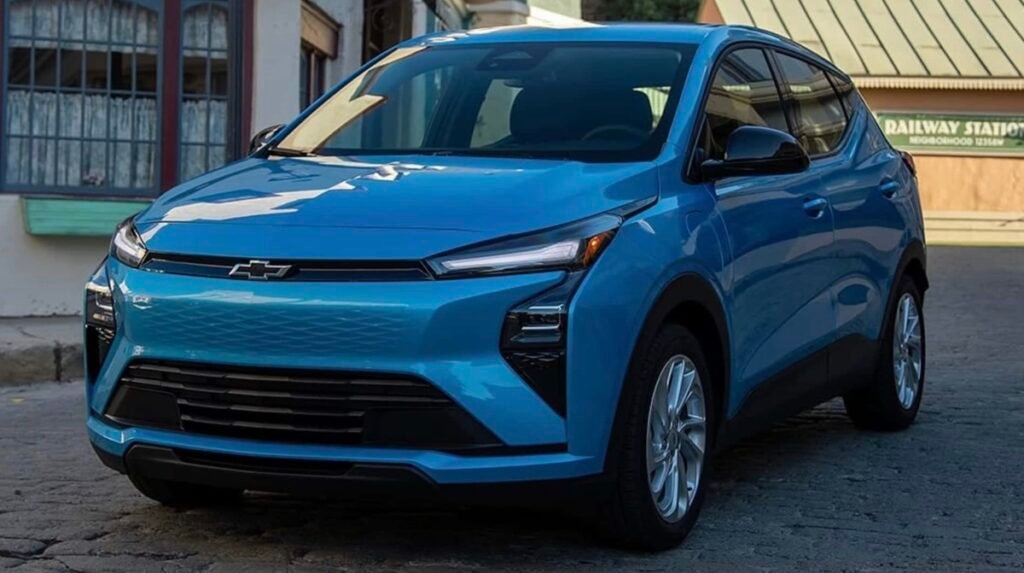
General Motors’ plan for an 18-month production run of the 2027 Chevrolet Bolt EV to 18 months seems disappointing, especially at a time when the market needs more affordable electric car options. With that in mind, The Drive asked Mandi Damman, the Bolt EV’s executive chief engineer, whether it would be possible to extend the model’s production timeline – only to receive a vague reply.
Damman told the publication, “In theory, yes.” However, she reiterated two key factors behind the Bolt EV’s return to the lineup: affordability and customer loyalty. The latter is even considered greater than that seen among Corvette owners. For context, the Corvette is one of Chevrolet’s longest-running nameplates, alongside the Suburban and Camaro, though the Camaro ended production after the 2024 model year.
The Bolt EV’s Biggest Advantage
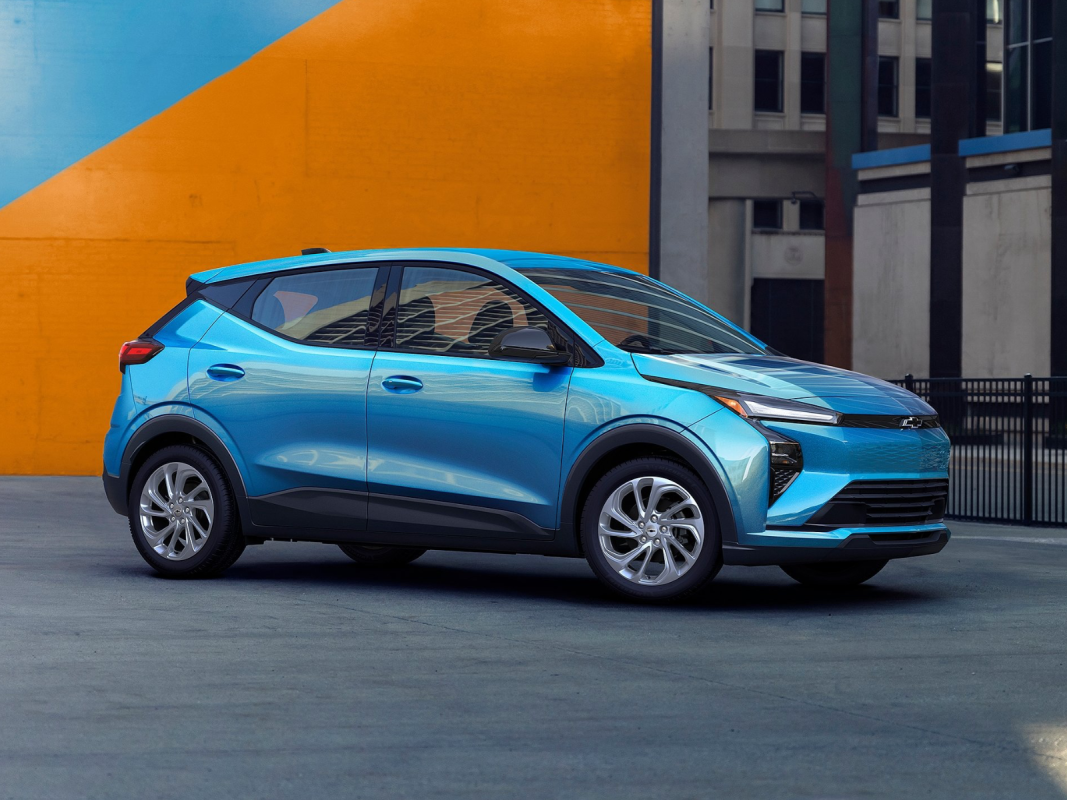
In terms of affordability, the returning Bolt EV starts at $27,600, excluding destination charges, undercutting the Nissan Leaf by about $2,000. That makes it the cheapest EV in the U.S., with other relatively affordable options, such as the Toyota C-HR, already priced above $35,000.
Despite its attainable price tag, Chevrolet explained that the Bolt EV isn’t a stripped-down offering, with the lower cost achieved by leveraging existing technologies across the broader General Motors portfolio.
Beyond the aforementioned factors, the Bolt EV’s limited production run is also intended to make room for the next-generation Buick Envision at GM’s Fairfax Assembly plant in Kansas City. The Envision – a compact crossover rivaling the BMW X3 – is currently built in China, exposing it to the import tax imposed by the current administration.
chargepozitive/Instagram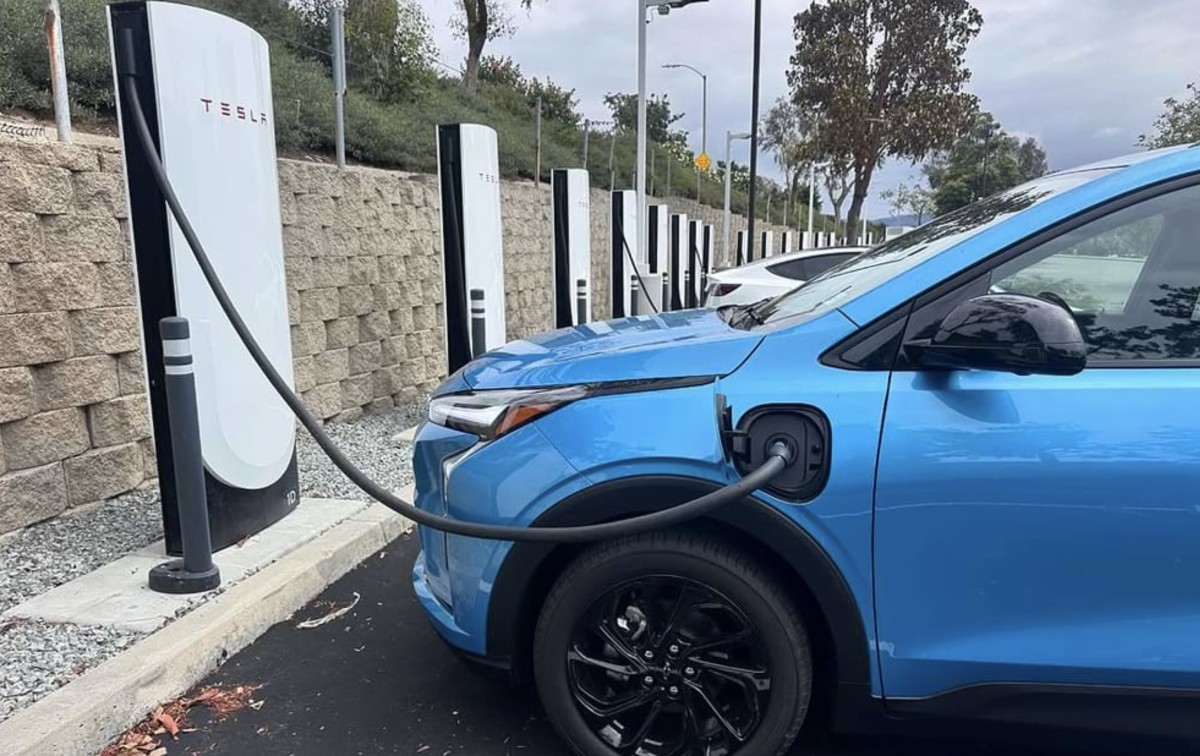
Production Plans Shift
Chevrolet may not be staying in the affordable EV segment, at least for now, but more automakers are beginning to tap into this space. One of them is Ford, which has vowed to offer an all-electric pickup truck priced around $30,000. EV startup Slate Auto is also considering introducing an electric truck in the mid-$20,000 range, which was originally promised to start below $20,000 before the $7,500 federal tax credit ended last year.
If the automaker sticks to its current plans for the Bolt EV, buyers looking for an affordable entry into EV ownership may want to take advantage while it lasts. The model began shipping to dealerships earlier this year, with production currently expected to end in mid-2027.
General Motors