As Fuel Prices Rise, EV Interest Rises Too
Fuel crises have often influenced car buyers to upsize or downsize their engines. When fuel prices are low and the economy is running smoothly, sure, a V8 sounds like a great idea. Economic downturns, recessions, or fuel price spikes are on the way? Well, I guess it’s time to get a small hatchback with a frugal gasoline engine.
Nowadays, Battery Electric Vehicles (BEVs), Plug-in Hybrid Electric Vehicles (PHEVs), and Hybrid Electric Vehicles (HEVs) are now part of the equation, not just small economy cars. Not citing anything here, but in general, even a run-of-the-mill hybrid compact sedan or crossover can eat less fuel than a small economy car with only a gasoline engine.
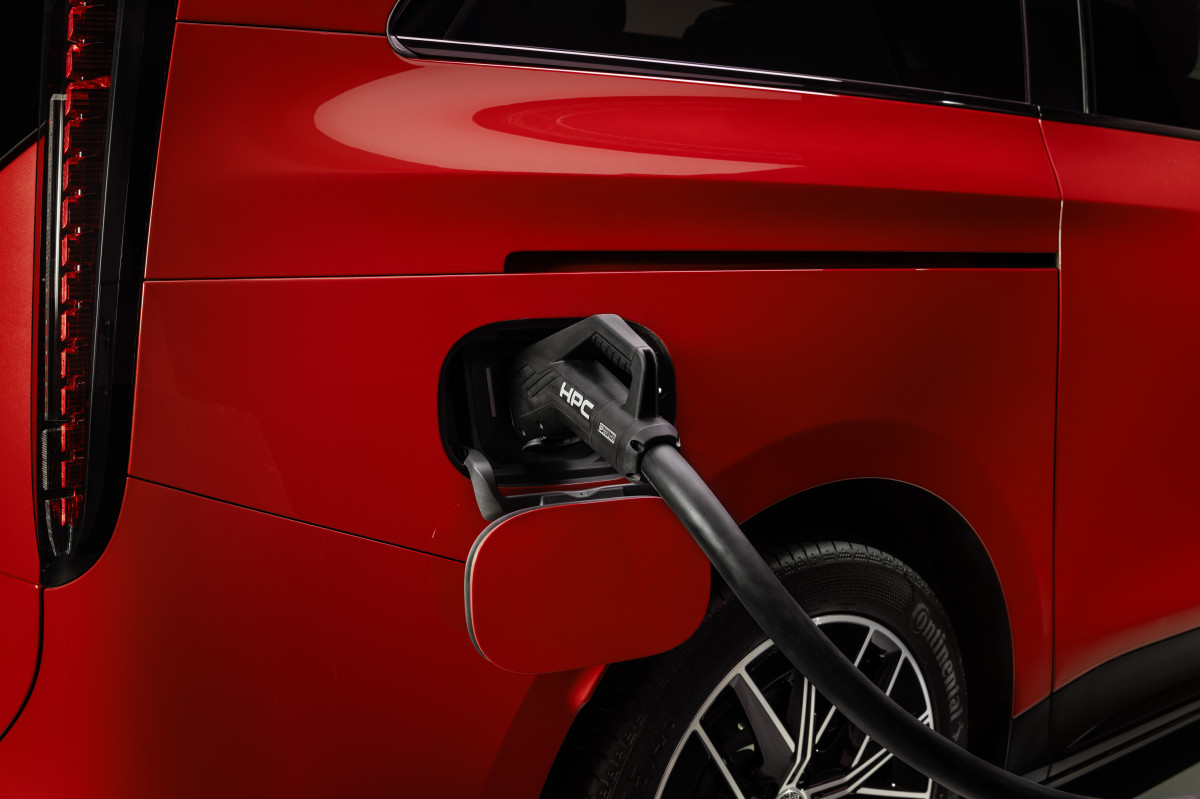
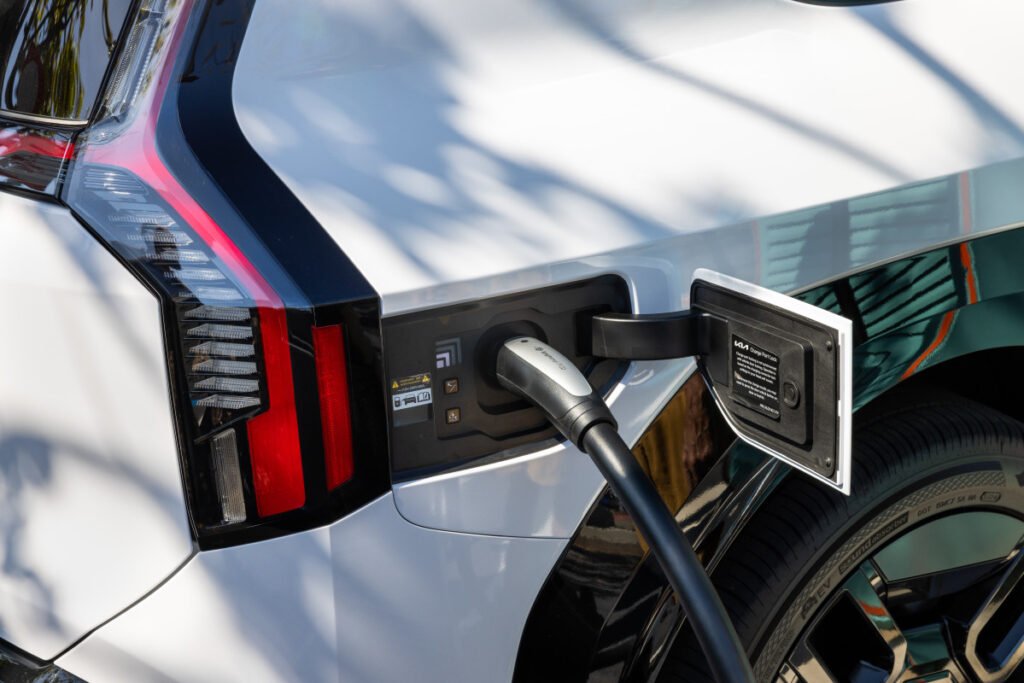
Following the escalating tensions in Iran, fuel prices are on the rise, and so too has interest in electric vehicles (EVs). Edmunds published data based on its website’s search traffic, supporting a current trend among car shoppers.
Patrick T. Fallon / AFP via Getty Images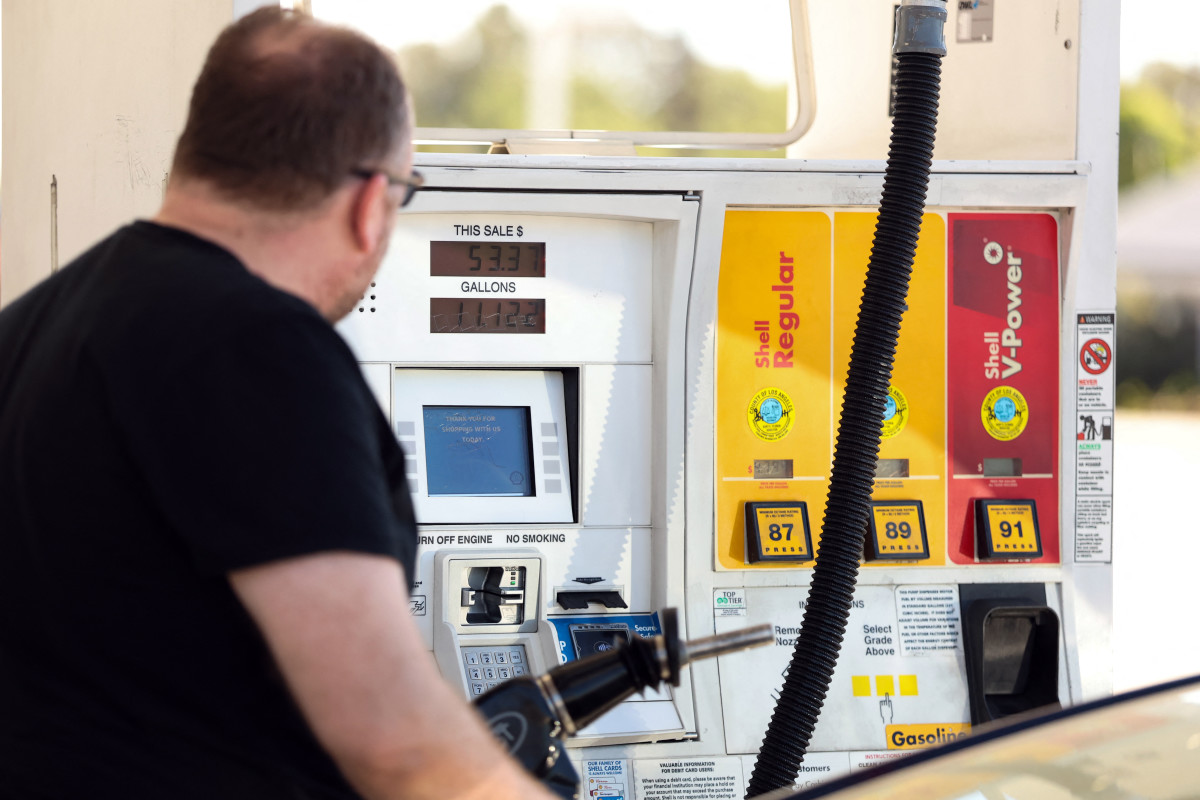
First Ukraine, Now Iran
Prior to this, the Russia-Ukraine conflict caused prices to spike back in 2022. Fuel-efficient vehicles (EVs and Hybrids included) gained more traction.
Now the conflict in Iran is causing yet another spike. According to data from the American Automobile Association (AAA), the national average price per gallon peaked at $3.63 on March 13, 2026. This figure is up 31 cents from the week prior, at $3.32. However, in states with higher prices, such as California, the average price of a gallon of fuel is up to $5.416 (as of March 13, 2026).
Prices surged by 11 cents on March 3, but that was just a sign of things to come. Based on the current trend, the fluctuations don’t seem to be petering out anytime soon.
Mostafa Bassim/Anadolu via Getty Images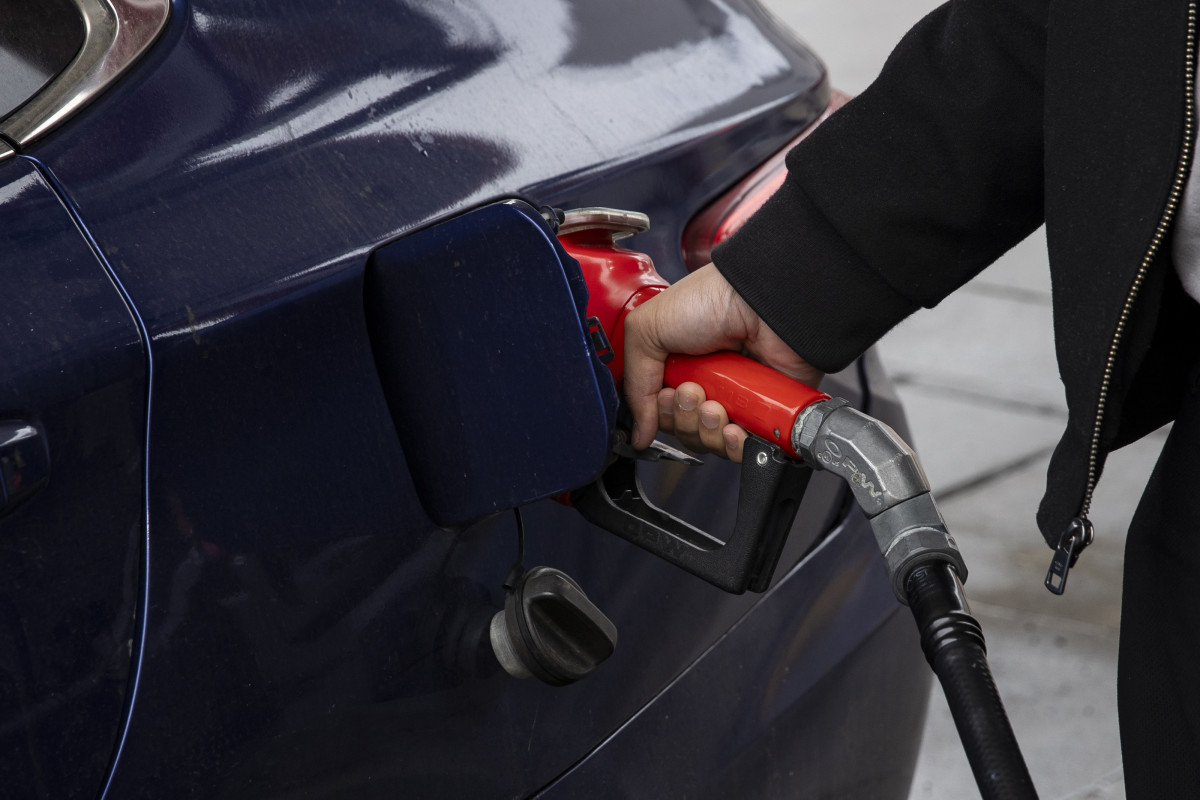
Buy Less Gas For More? Or Buy a New Car?
Edmunds shared its data in its article, which showed “a slight uptick in shoppers exploring alternatives to traditional gasoline-powered vehicles.” Over a fifth (22.4%) of traffic on Edmunds was for electrified vehicles (BEV, PHEV, and HEV).
Prior to the fuel price fluctuations, Edmunds reported that electrified-vehicle research metrics accounted for 20.7% of all vehicle research traffic.
It may be too early to tell whether this is a definitive shift in consumer behavior, as the Edmunds article suggests, and we’re inclined to agree. Based on the shared data set, 22.4% is a break in resistance, which was also observed in 2022, at the height of the fuel spike due to the Russia-Ukraine conflict, when Total Electrified Vehicle Consideration Share reached 25.1% in March, when fuel prices surged.
While “consideration” isn’t a sale, data show that it can lead to something: global electric car sales exceeded 17 million units in 2024, with more than 20% of all new cars sold worldwide being electric vehicles.
Getty Images
Stay ICE, or Go EV?
Will history repeat itself? Perhaps the market won’t be as reactive as before. Edmunds also cited in its article that average vehicle financing costs have gone up since 2022. It’s now 2026, and consumer dollars are worth considerably less than before.
According to the site’s New-Car Financing Costs: February 2026 vs. February 2022 (Averages), the average monthly payment on a new car back then was $656. Now, the average since February of this year is $775, and the average interest paid has increased from $5,395 (February 2022) to $9,784 (February 2026).
Related: 300,000 EVs Are About to Hit the Used Car Market
New car drivers who want to downsize also find themselves in an awkward spot: Does a fuel spike really necessitate a totally new car? Perhaps the more logical choice for car owners right now is to absorb the fuel costs and wait for them to stabilize. In layman’s terms, tough it out.
However, if you are reaching the end of your lease agreement or have an aging model nearing the end of its lifecycle, then an efficient vehicle would be the play. Perhaps it is also time to consider a second-hand EV as protection against rising fuel prices? Just a thought.
Mercedes-Benz