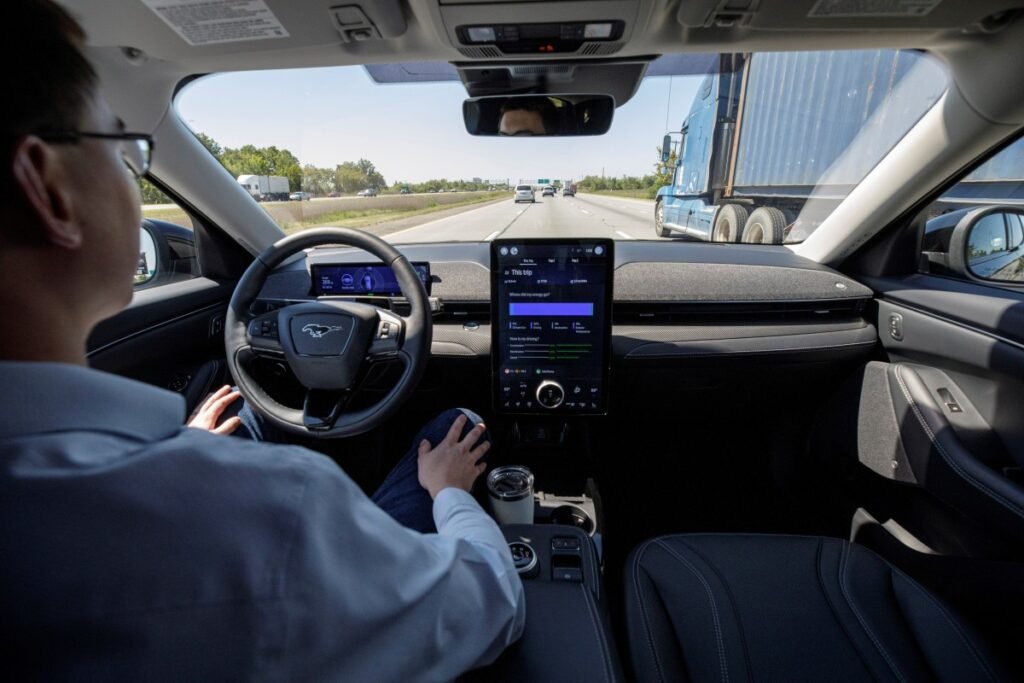
BlueCruise Is Growing Fast, But Its Past Is Still Under Review
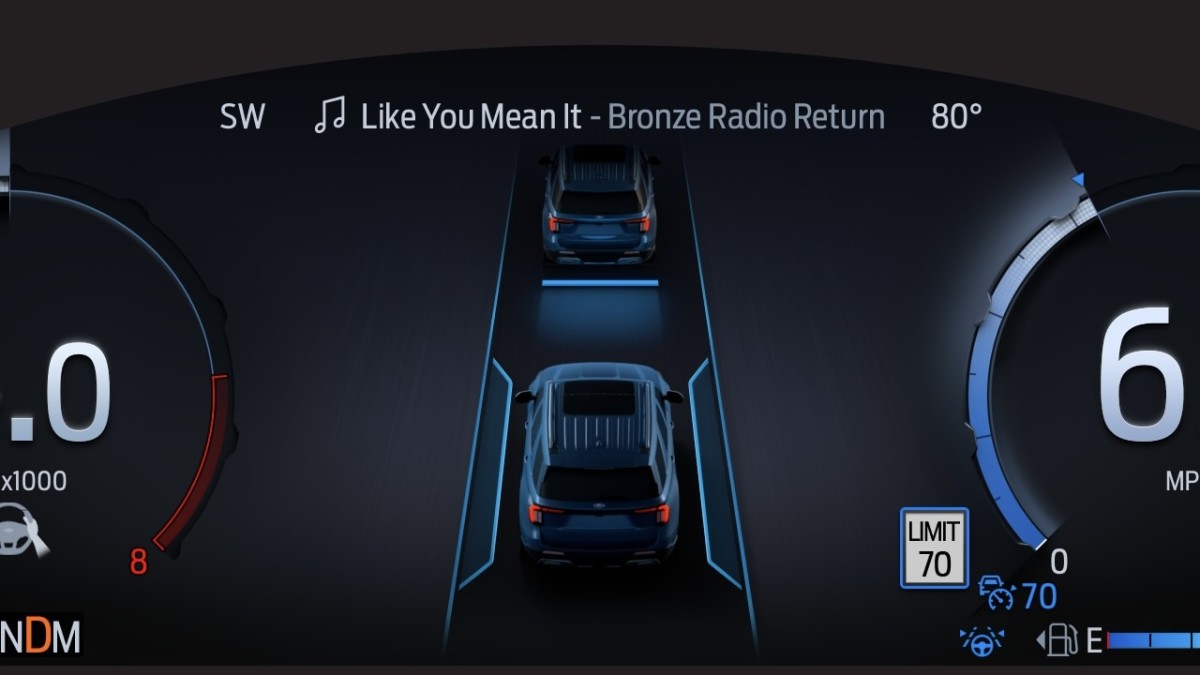
Ford’s BlueCruise might not get as much attention as some rivals, but it’s quietly become one of the most common semi-autonomous systems on the road. Drivers have already covered hundreds of millions of miles with it switched on, and Ford says you can now use it on most major highways in the US and Canada.
But BlueCruise’s growth hasn’t come without problems. In 2024, two fatal crashes involving 2022 Ford Mustang Mach-E EVs happened while BlueCruise was running in partial automation mode.
The first crash happened on Interstate 10 in San Antonio, when a Mach-E hit a stopped 1999 Honda CR-V, killing the Honda’s driver. The second was on Interstate 95 in Philadelphia, where another Mach-E ran into two stopped vehicles. That set off a chain reaction that pushed cars into traffic and led to two more deaths.
Investigators found that just before both crashes, there was no sign of driver input or any automated braking or steering. Now, federal agencies are taking another look at what happened.
Ford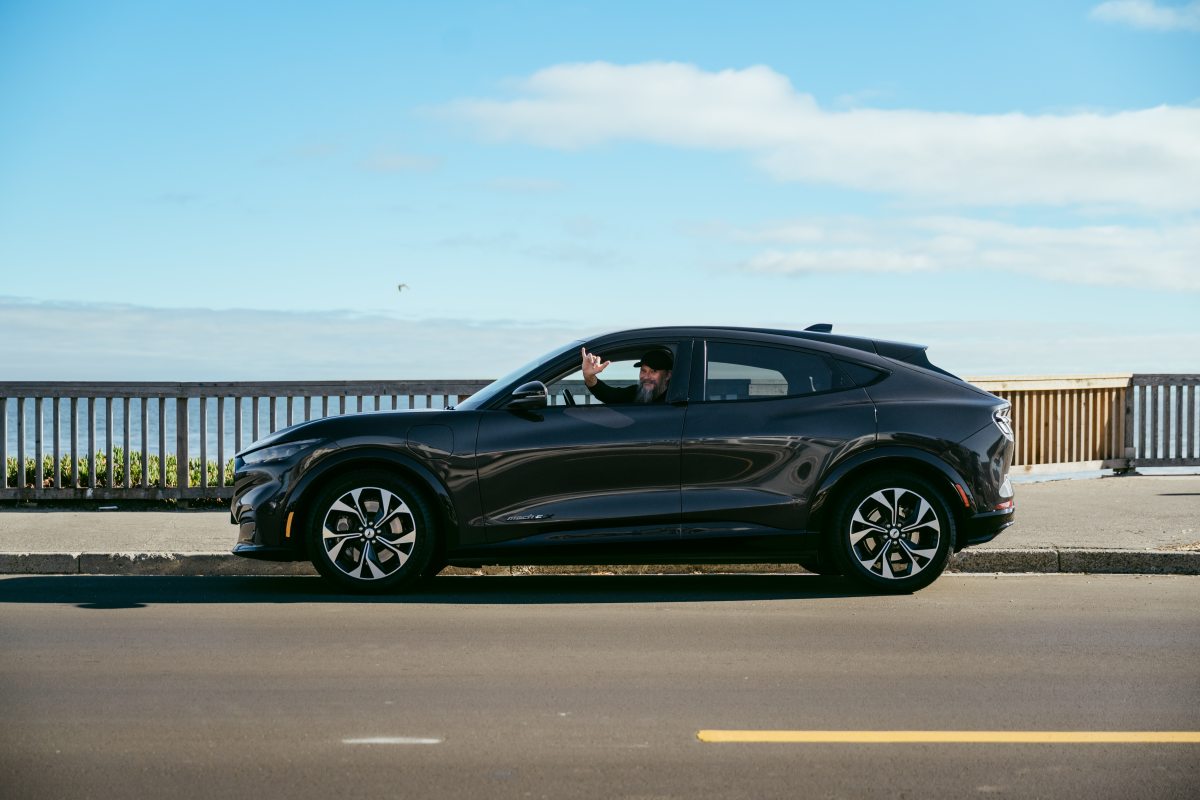
A Federal Hearing Could Shape the System’s Future
According to Reuters, the National Transportation Safety Board (NTSB) has set a hearing for March 31 to dig into what caused the two fatal BlueCruise crashes. The board will also look at bigger questions about how advanced driver assistance systems should work, and what both drivers and automakers are responsible for.
At the hearing, the NTSB will go over technical data, crash reports, and how the system performed before each incident. They may also vote on new safety recommendations to help prevent this kind of crash from happening again.
Those recommendations could mean changes to how the system monitors drivers, new rules for when hands-free features are allowed, or stricter requirements for keeping drivers engaged.
BlueCruise is a Level 2 driver-assist system, so the driver is still on the hook even when the tech is running. It only allows hands-free driving on certain highways – no intersections or traffic lights.
The National Highway Traffic Safety Administration (NHTSA) is also investigating BlueCruise. In January 2025, they stepped up their probe to a full engineering analysis.
Ford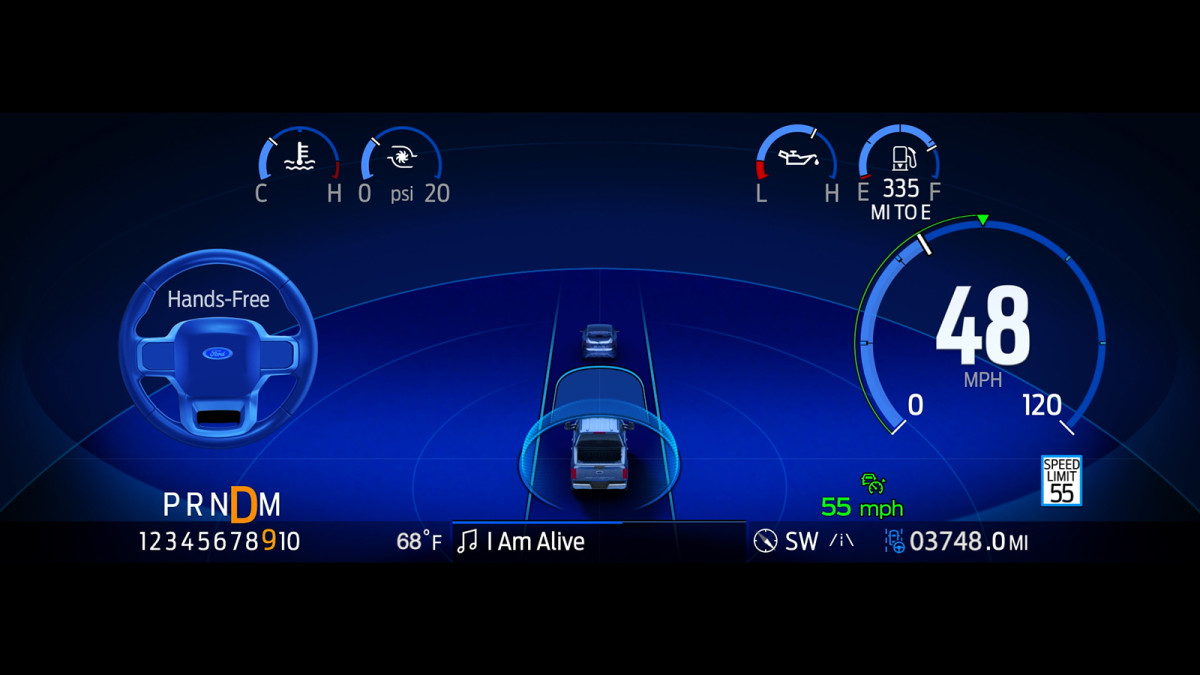
Hands-Free Driving Still Faces Scrutiny Across the Industry
Ford’s situation is part of a bigger debate about hands-free and semi-autonomous driving. Automakers keep pitching these features as ways to make long highway drives easier and less tiring.
But safety regulators aren’t convinced drivers really get where the limits are. The big worry is complacency. When the car handles steering, speed, and braking for long stretches, it’s easy for drivers to zone out – even though they’re still supposed to be paying attention.
Of note, Ford isn’t the only brand under scrutiny for semi-autonomous driving. Tesla has famously spent years dealing with investigations and recalls tied to its controversial Autopilot system. The company has also faced multiple lawsuits over fatal crashes, including a $243 million verdict it tried and failed to overturn.
The NTSB’s hearing could direct the conversation on hands-free driving, not just for Ford but for the entire industry.
Ford