We Ain’t Seen Nothing Yet
Automakers could soon begin raising vehicle prices as mounting tariff costs continue to strain profitability, according to aCNBCreport citing comments from dealership giant Sonic Automotive during a recent earnings call. Company president Jeff Dyke warned investors that manufacturers absorbing billions in added costs may no longer be able to shield consumers from the financial impact.
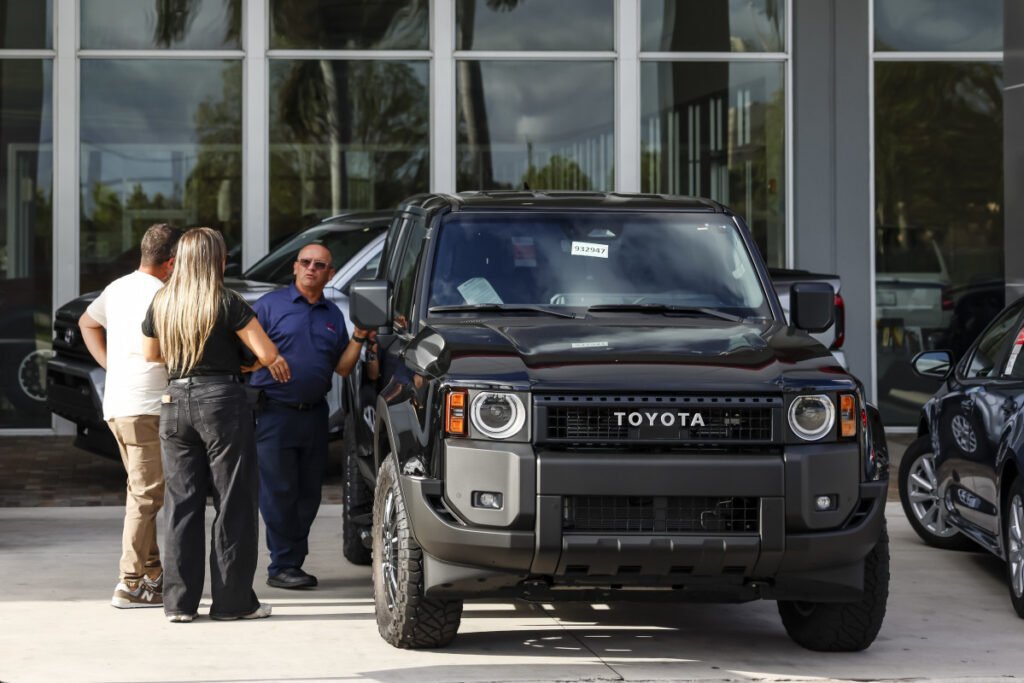
Tariffs imposed on imported vehicles and auto parts have so far had only a modest effect on showroom pricing. Analysts estimate vehicle prices have risen roughly 1% since implementation. However, those limited increases hide significant financial pressure behind the scenes. Major automakers, including General Motors and Toyota Motor Corporation, absorbed billions of dollars in tariff-related expenses throughout 2025. Similar costs are expected to continue into 2026.
Industry analysts say automakers initially relied on internal cost controls, production adjustments, and selective pricing strategies to avoid widespread sticker shocks. Higher-end models appear to have received targeted price increases while incentives and entry-level pricing remained competitive. Executives now suggest sustained losses are no longer viable. Broader pricing adjustments could begin appearing by mid-2026 as affordability pressures grow across the market.

Tariff Relief Unlikely
Although the U.S. Supreme Court recently struck down portions of President Donald Trump’s reciprocal tariffs, relief for car buyers appears unlikely in the near term. Sector-specific automotive tariffs remain in place. Manufacturers continue to face elevated import costs tied to global supply chains and North American production networks.
Market behavior already reflects consumer concern about potential price increases. Even before widespread adjustments took place, shoppers began changing their purchasing strategies. Many buyers shifted toward base trims, delayed purchases, or moved into the used-vehicle market. Analysts observed a surge in interest in used cars shortly after tariffs were announced, as consumers anticipated major price hikes.
Automakers also face structural limitations that prevent quick production shifts. Many U.S. assembly plants already operate near maximum capacity. This limits the ability to relocate overseas production to the domestic market. Trade negotiations connected to the United States-Mexico-Canada Agreement are expected later this year. Those decisions may determine whether manufacturers expand U.S. production or continue managing tariff exposure through pricing changes and cost reductions.
Getty Images
Prices Could Rise Soon
“The tariffs are too high on some of these brands, and they’re going to pass pricing on,” Sonic Automotive president Jeff Dyke said on the company’s fourth-quarter earnings call. “It’s already happening.” His comments reflect a growing industry consensus that automakers cannot indefinitely absorb multi-billion-dollar tariff expenses.
The expected outcome is gradual rather than sudden. Automakers may introduce higher MSRPs, reduce incentives, or remove certain features to stabilize margins. Combined with already elevated transaction prices, even modest increases could further push buyers toward entry-level models or out of the new-car market entirely. If tariff conditions remain unchanged through 2026, consumers may soon begin feeling costs that automakers have so far absorbed internally.