That Time Mitsubishi Made a Flagship Sedan
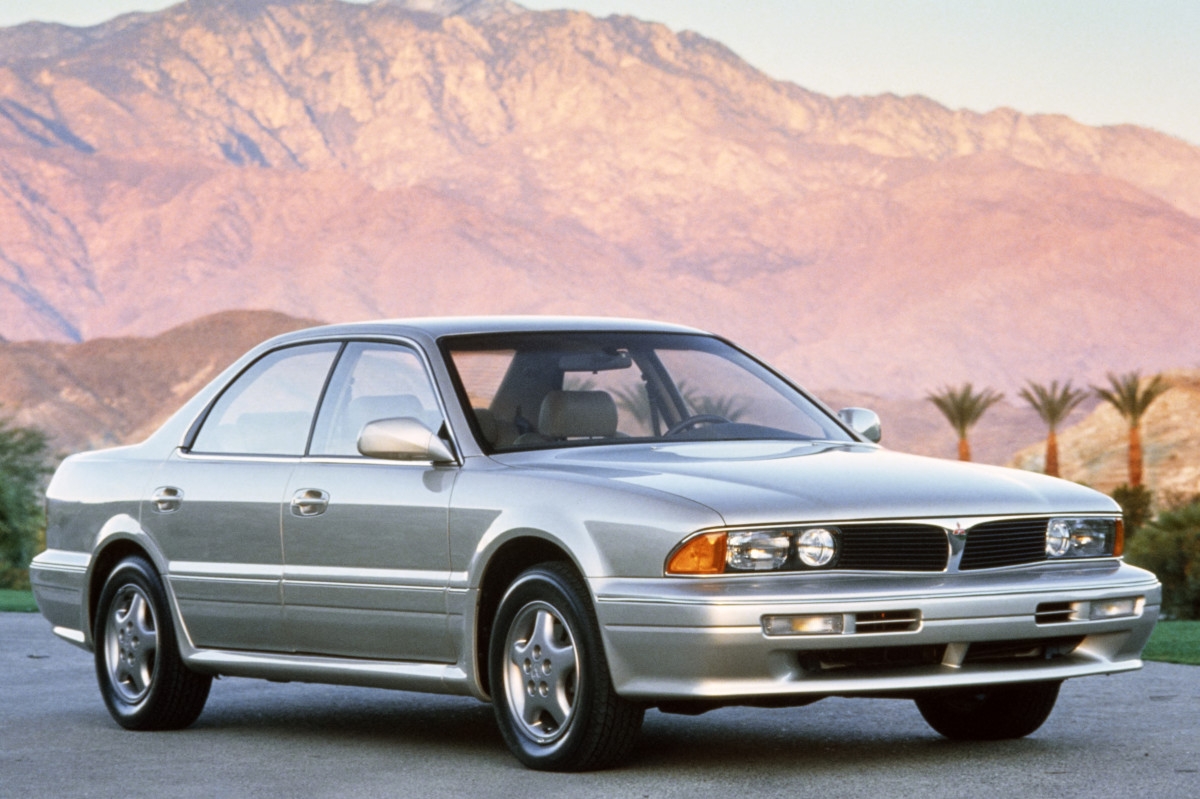
It’s a distant memory now, but Mitsubishi one had a very robust lineup of sedans and many other interesting cars. The Mirage and later Lancer models took care of the budget spectrum, while the Galant battled with the Camry and Accord. But even higher up was the Diamante which was meant to go up against the likes of the Acura Legend and Lexus ES300. It was a luxury car without the luxury badge.
Ultimately though, it wasn’t a huge seller. Perhaps its the said lack of a premium badge that worked against it in the end. Sales never went over 30,000 per year and typically saw figures below 20,000 annually. Towards the end of its life, sales trickled in the thousands. For a lauded and esteemed model that won Japan Car of the Year in 1990, it sure went out with a whimper in 2005.
Mitsubishi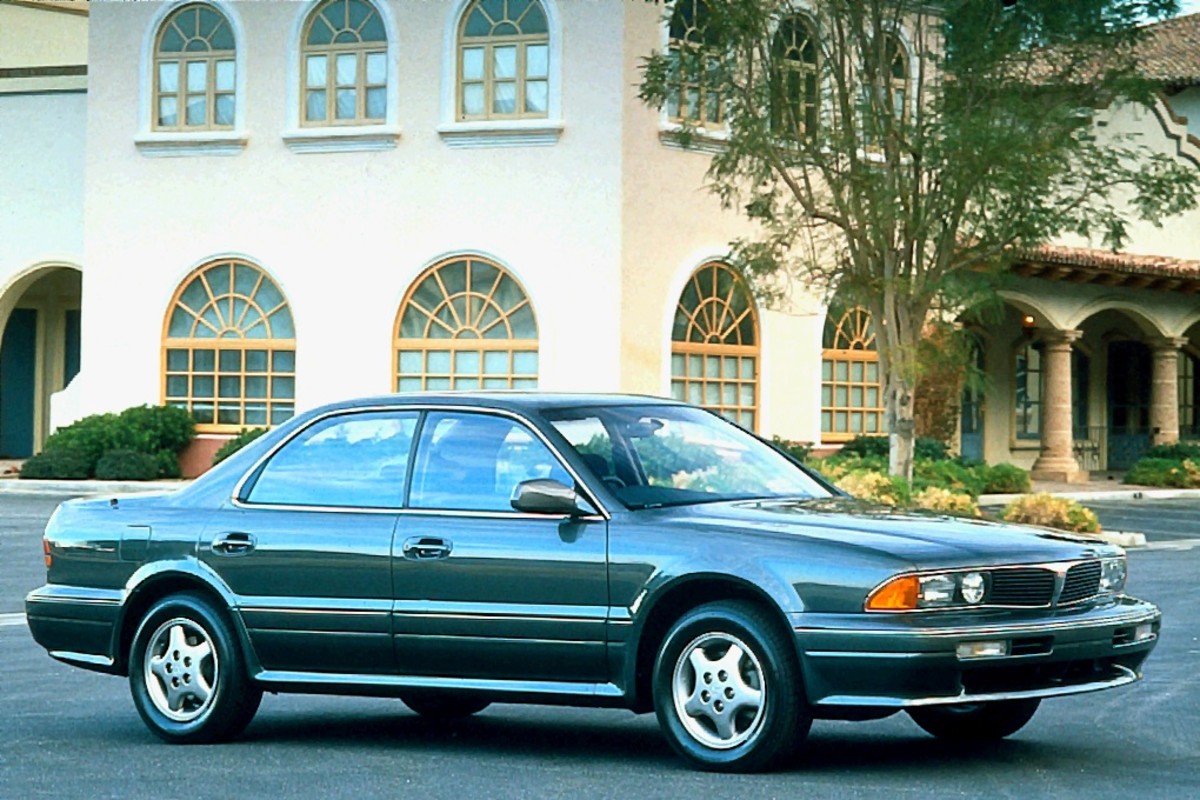
Much More Loved in Australia and New Zealand
Meanwhile, in Australia and New Zealand, the Diamante saw much more success although the Australian version had a different name. Over there, it was dubbed the Magna, and it started out as a stretched Galant in the ’80s. Come the ’90s, it was unified with the global Diamante, but the Magna had far more trims and engine choices than European and North American models. New Zealand, on the other hand, used the Diamante name all throughout the vehicle’s production run.
Of course, it also helped that the Magna and Diamante was built in Australia. In fact, by the second generation model (1996), export-market Diamantes would come from there, making it one of the few Australian-built cars to ever make it stateside. Oh, and if you owned a first-generation Diamante wagon, that also came from Down Under.
The Magna and Diamante were built to compete against the Ford Falcon and Holden Commodore. While it never threatened the dominance of those Australian icons, it was far more popular in Oceania than the rest of the world.
Mitsubishi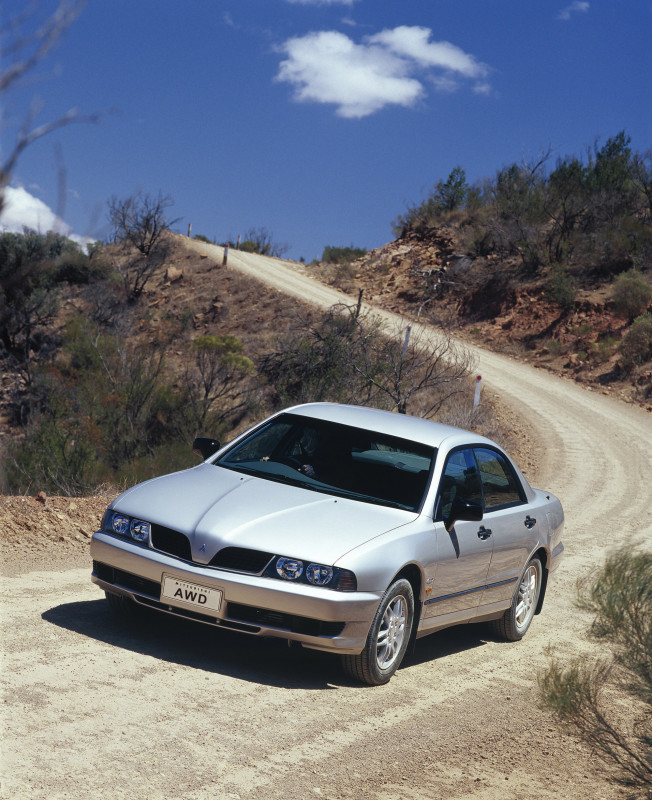
Building a Spicier Image
One look at the Diamante and Magna, and sporty is probably the last thing anyone would describe it. While a lovable and competent long drive cruiser, it wasn’t exactly a thrill-a-minute car. And whereas the Falcon and Commodore had hot versions, the Mitsubishi didn’t.
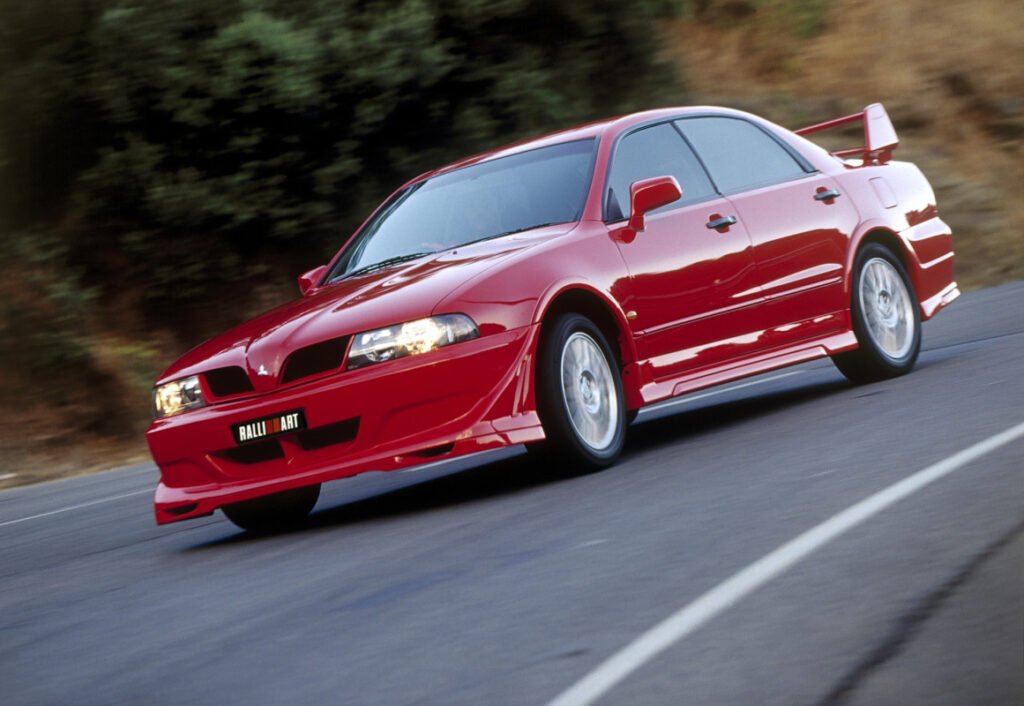
That all changed in 2001 when Mitsubishi rolled out the Magna Ralliart Concept. It was made to celebrate the brand’s success in the World Rally Championship and complemented the Lancer Evolution at the time. Think of this then as a gentleman’s Evo.
However, the looks were far from, we, gentlemanly. It featured a ground-hugging body kit and a rear wing that also doubles as a picnic table. While specs of the concept were never revealed, it was said to have used a supercharged 3.5-liter V6 and all-wheel drive.
Mitsubishi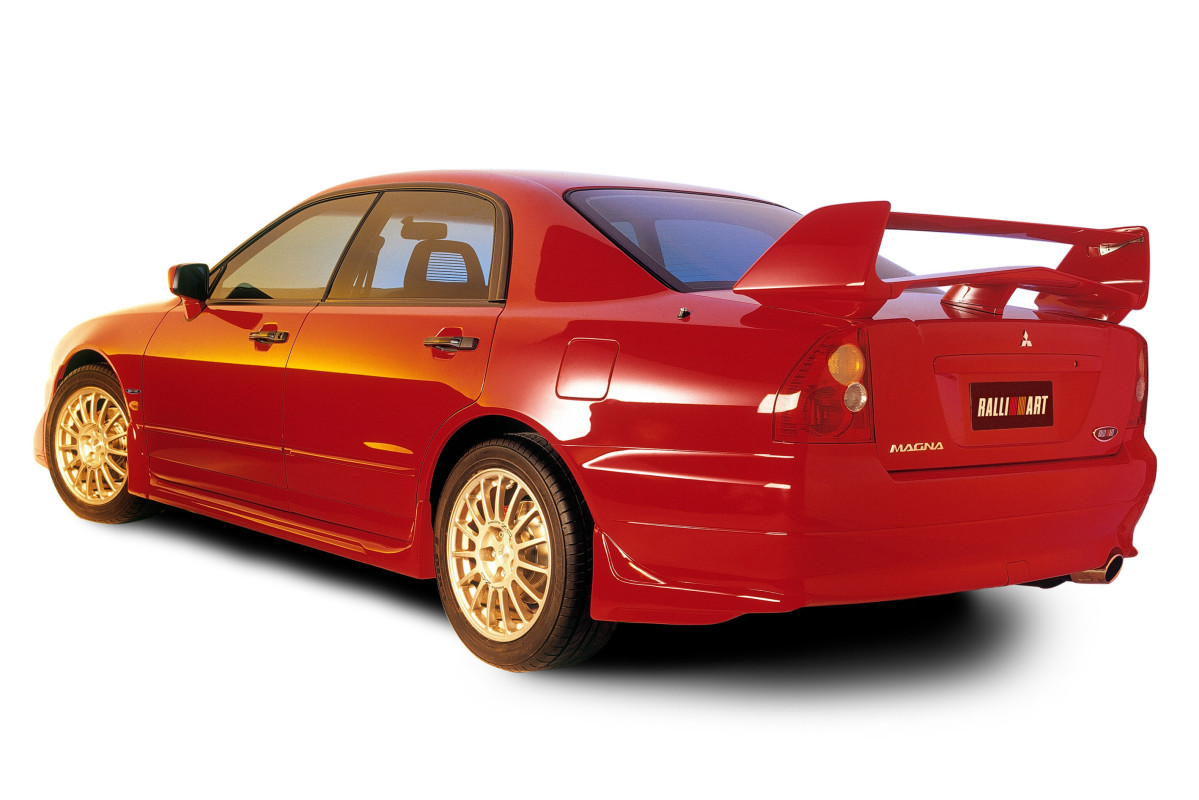
They Actually Built the Thing
Buoyed by the positive reception from the concept, Mitsubishi Motors Australia went ahead and made the production version of the Magna Ralliart. At the time, the company said it will be a limited-run model and was sold from 2002 to 2003. Over in New Zealand, the same car was called the Diamante Ralliart.
Sadly, some of the concept’s highlights didn’t make it to showroom models. Its 3.5-liter V6 was naturally-aspirated, and the car was front-wheel drive only. The latter is a bit of a shame as the senior-manager-spec Magna was available with all-wheel drive in the first place. At least there were actual tweaks to the powertrain, drivetrain, and chassis to give it a much sportier edge.
The V6 originally made 210 hp and 231 lb-ft of torque. The Ralliart bumped those figures up to 241 hp and 245 lb-ft which was respectable figures for its time. It also benefitted from a couple of handling upgrades that included lowered suspension with firmer dampers from Koni, larger brakes, a new power steering pump, and lighter wheels shod in Pirelli P6000 tires. Five-speed automatic versions came with trace control that simulated a limited-slip differential, but the manuals (also a five-speed) came with a proper mechanical LSD.
Mitsubishi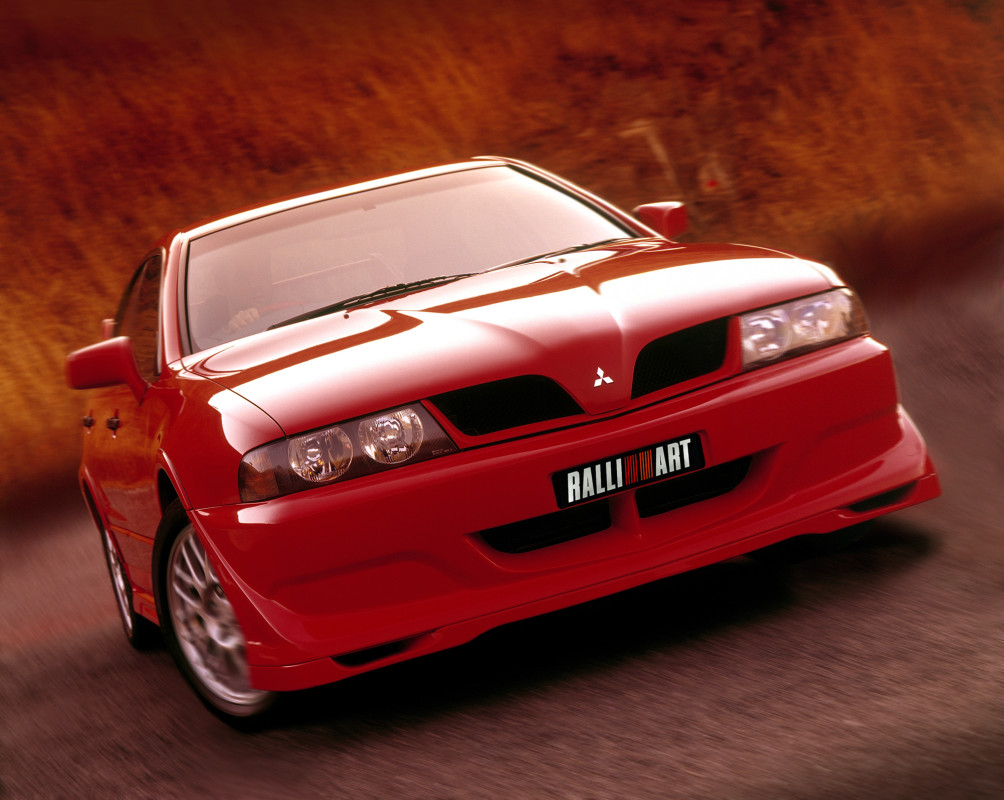
An Oddball Collector’s Item
The Magna Ralliart was an extremely rare car with just 500 built throughout its short life. Even fewer of those were badged as Diamantes, which is said to be around just 100 out of the total made. Most were sold with an automatic transmission with about 370 sold, while the manual saw just 130 customers. In this case, the manual is the one to go for…obviously.
Its looks aren’t to everyone’s tastes, and with 241 hp going to the front wheels, torque steer is guaranteed. Still, it’s an interesting piece of automotive history and has all the potential for being a conversation piece in a Cars and Coffee or Radwood meet. For anyone interested in bringing them to America, the Magna and Diamante Ralliart will be eligible to import next year.
Mitsubishi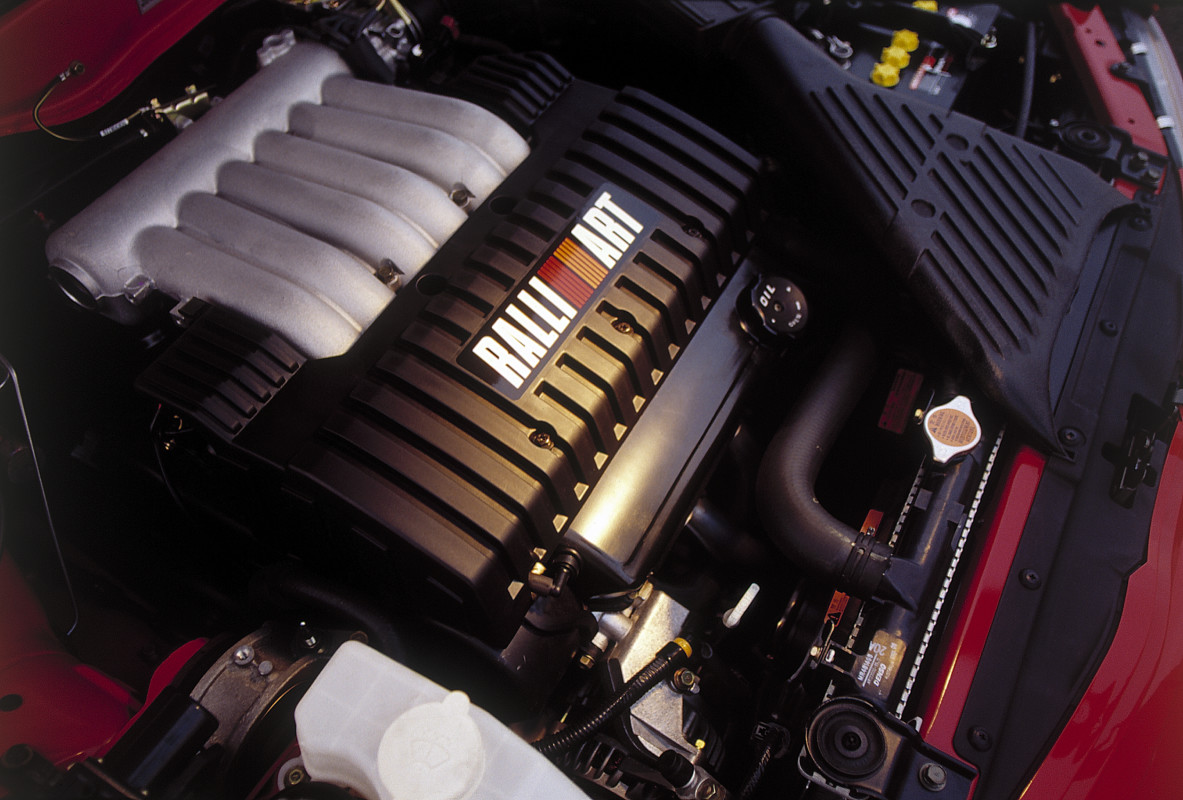
Mitsubishi