What Happens When an EV Motor Breaks
In most modern EVs, a major motor or inverter problem leads to one of two outcomes. Either the car stops completely, or, if you’re in an all-wheel-drive (dual-motor) setup, it just switches off the failed motor and keeps moving with the other. Tesla drivers have seen this firsthand: a Model 3 or Model Y can lose a front or rear motor to a fault, but as long as one motor is still working, the car keeps going – just with less power.
This setup gets the job done, but it depends on having backup hardware. If your EV only has one drive motor, or if the other motor can’t handle the extra work, you’re out of luck. The broken part is shut down entirely, and your only option is to get it fixed – there’s no smart trick to keep you moving.
Toyota’s new patent takes a different approach. Instead of asking what happens if you add another motor, it asks: what if a single motor didn’t have to give up completely when something inside it fails?
Toyota’s Latest Idea
Submitted to the United States Patent and Trademark Office (USPTO) in March 2025 (you can check it out yourself using patent no. 20260034888) and published February 5, 2026, Toyota’s filing outlines a fault-tolerant motor drive system for electric vehicles.
Put simply, the patent describes a motor controller that can spot certain internal problems, like a short or open circuit in part of the inverter, and then change how it sends power to the motor. Instead of shutting everything down, it cuts off the damaged part and keeps the rest running.
The motor might run with fewer working phases, less power, and lower efficiency, but it keeps spinning. The point isn’t to keep full performance – it’s to give you enough control to pull over safely, get to the side of the road, or limp home, rather than being stuck.
This is more like a true hardware-level limp mode, not just software that limits speed or power.
Not Headed to Showrooms… Yet
The main difference with Toyota’s idea is where the backup actually sits. In Teslas, redundancy means having more than one motor. If one fails, it’s turned off, and the car relies on the other to keep moving.
Toyota’s patent is about building a backup into a single motor. Even if part of the inverter fails, the motor isn’t dead weight. The system adjusts how it powers the motor windings and keeps going, just with less capability.
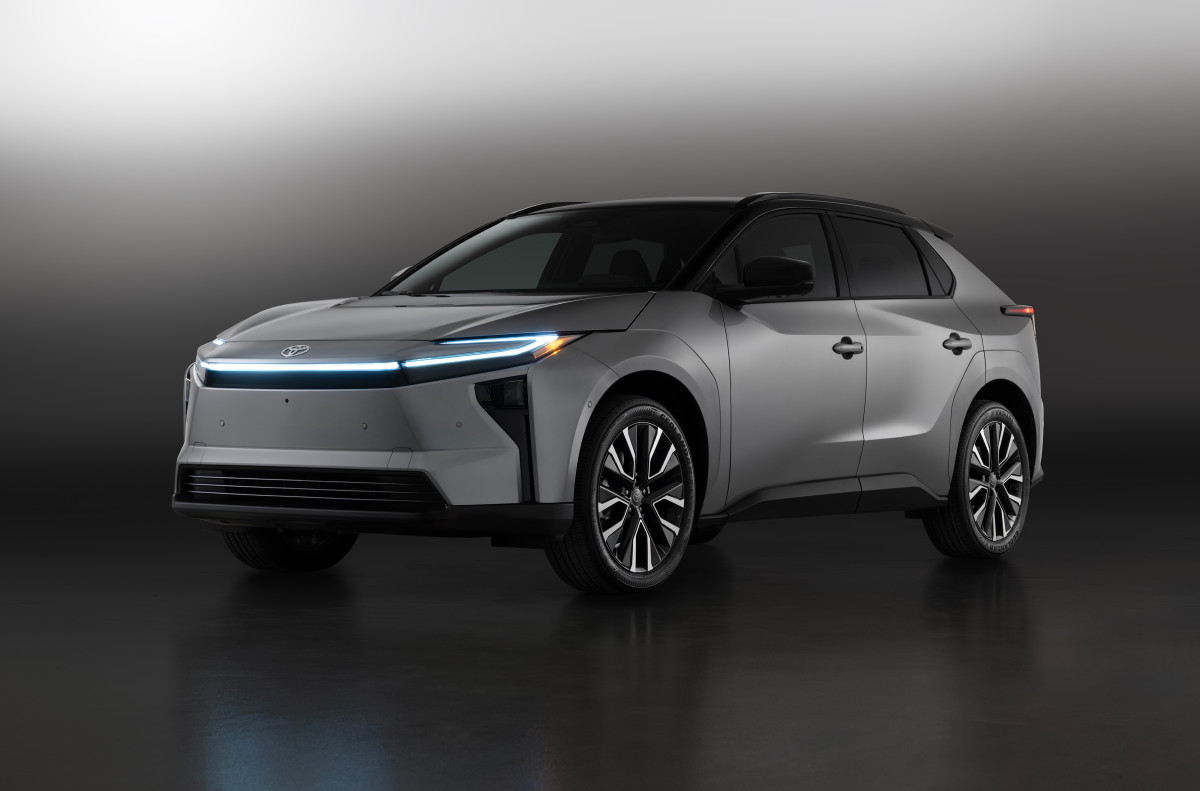
Of note, this doesn’t guarantee longer-lasting motors or cheaper repairs, and it doesn’t mean Toyota EVs like the bZ already have this feature. Patents are often just ideas, and plenty never make it to production. But it does show Toyota is thinking about ways to avoid total breakdowns and make failures less painful for drivers.
If this ever shows up in a production car, it could change how EVs deal with problems. Instead of ignoring a fault or shutting down, the car would keep fighting to get you home.