The GM L87 engine recall that has affected almost 600,000 full-size trucks and SUVs in the U.S. and has led to multiple lawsuits that recently merged into a class action suit has reached a new chapter.
The automaker has reportedly instructed its dealers to use Mobil 1 FS 0W-40 engine oil on the naturally aspirated 6.2-liter V8 (L87) gas engines that were inspected as part of the recall but not replaced. GM Authority reports that a series of new GM service bulletins (25-NA-339, N252494000-10 and N252494003-02) instruct dealers to use the updated oil spec.
The original oil specification recommended by the manufacturer for the 6.2-liter V8 engine was the low-viscosity 0W-20, but as part of the recall, GM initially instructed dealers to use thicker Mobil 1 Supercar 0W-40 engine oil for the engines that passed the inspection and did not require complete replacement.
Differences Between Mobil 1’s Supercar And FS 0W-40 Oil Spec
M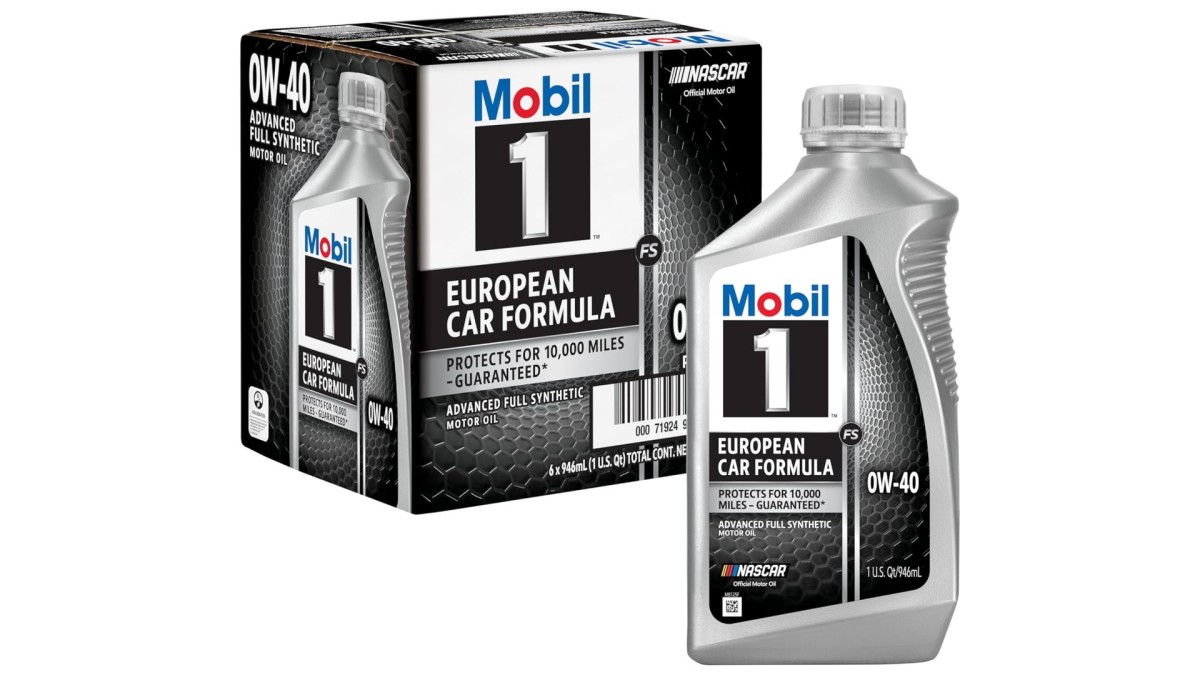
As per the new guidance, dealers should use the Mobil 1 FS 0W-40 specification once the existing Supercar oil inventory runs out. While these two specs have the same high viscosity, they differ primarily in their intended applications and certification.
Mobil 1’s Supercar 0W-40 (formerly ESP Formula) is designed for severe-duty, high-load and high-heat driving, offering better film strength for high-performance engines. This oil spec is often preferred for engines prone to oil consumption or tracking.
FS 0W-40 has broader applications, providing all-around performance for a wide range of high-performance gasoline and diesel engines, often meeting specifications for European manufacturers like Mercedes-Benz, BMW and Porsche. As a result, it’s considered a standard high-performance option, particularly for European luxury cars. Both engine oil specs meet the GM dexosR specification, meaning they are designed specifically for high-load vehicles like the Corvette, particularly for track use.
It’s worth noting that for the brand-new replacement engines, GM continues to recommend the original low-viscosity 0W-20 formula.
Engine Recall A Major Headache For Owners And GM
I Do Cars/YouTube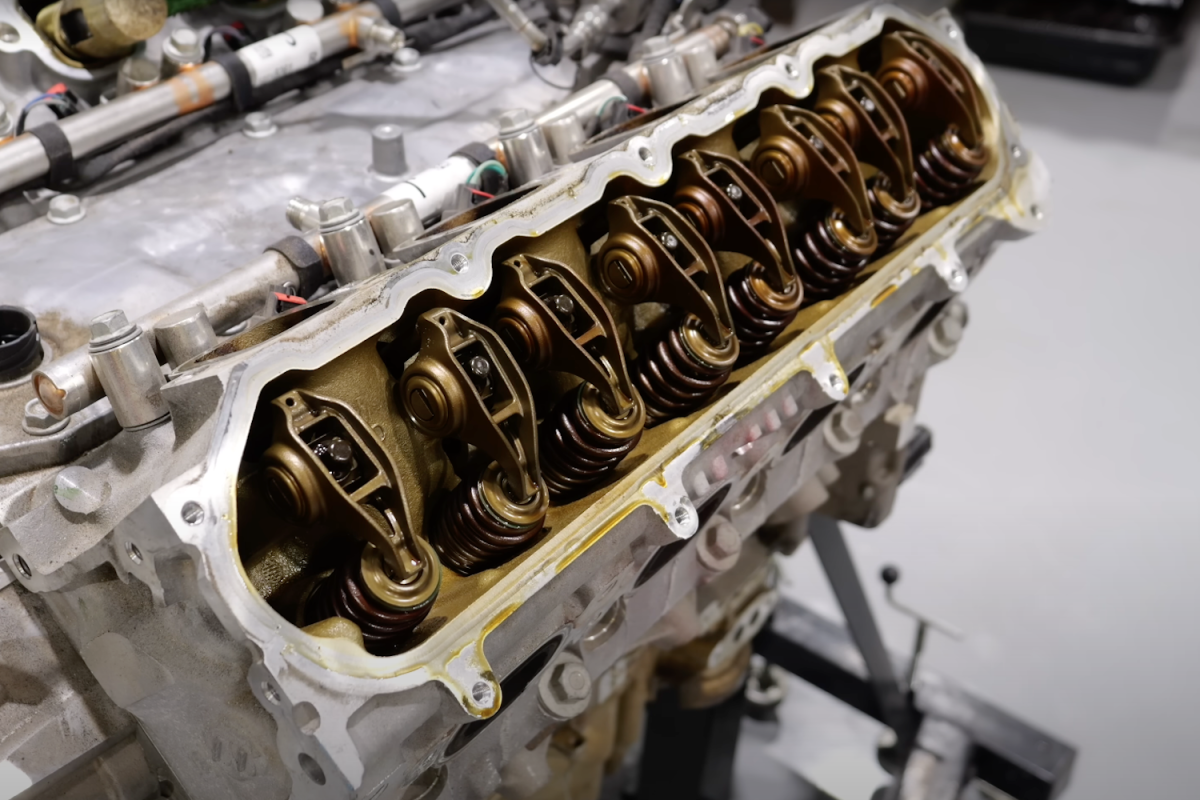
Many of the lawsuits brought against GM by disgruntled owners argue that changing the oil viscosity for the L87 engine does not address the underlying mechanical issues some of these motors have, which can lead to engine failure if not fixed.
As a reminder, when GM issued the recall in April 2025, it said the affected engines may have a supplier-related issue tied to rod bearing contamination and crankshafts that may fell out of spec. As a result, they may fail without warning and even blow up with very low miles.
There have been several cases where GM has replaced L87 engines as part of the recall and the new units have failed too, with some presenting failed lifters and damaged connecting rods. This raises serious questions about the effectiveness of the remedy.
The reports of continued engine failure, even from replacement engines, included in over 1,000 complaints, have prompted the NHTSA to open a probe into GM’s recall remedies last month.
Which Models Are Affected?
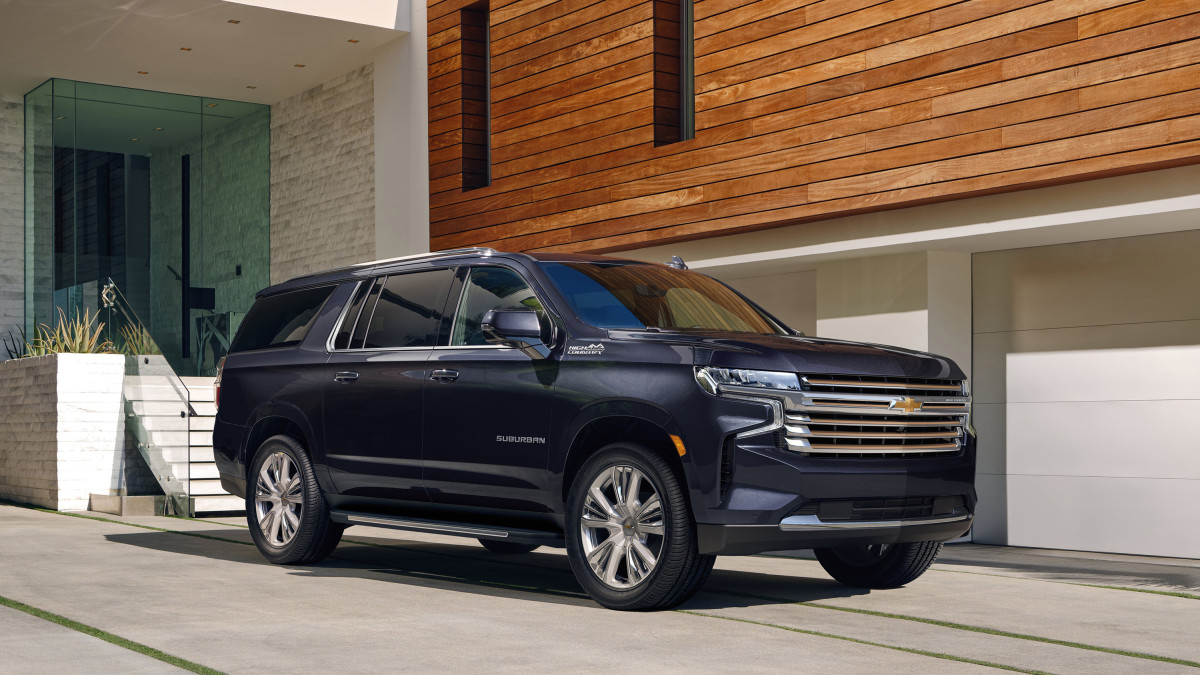
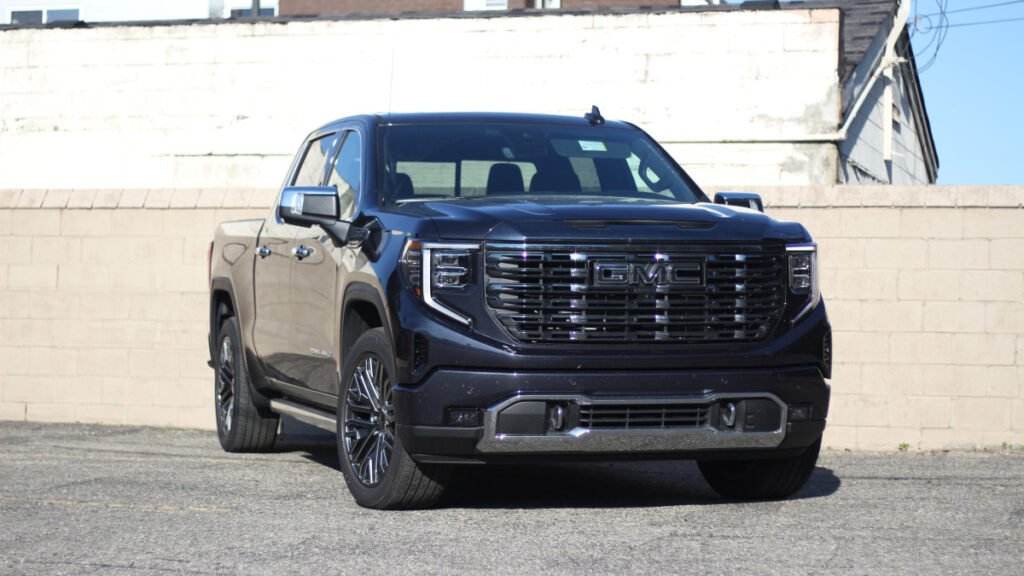
The recall covers a wide range of full-size SUVs and trucks from the Cadillac, Chevrolet and GMC brands from 2021 through 2024 model years for the Chevrolet Silverado 1500 and GMC Sierra 1500 pickups, and for the Cadillac Escalade/Escalade ESV, Chevrolet Tahoe/Suburban, and GMC Yukon/Yukon XL SUVs.
All these vehicles feature the naturally aspirated 6.2-liter EcoTec3 small-block V8 (L87) gas engine, which was optional on most models and standard on a few higher trims.
The engine produces 420 hp at 5,600 rpm and 460 lb-ft of torque at 4,100 rpm, and has a redline of 6,000 rpm. It features cast aluminum block and cylinder heads, direct injection and Dynamic Fuel Management (DFM) cylinder shut-off technology.