All-In on EVs
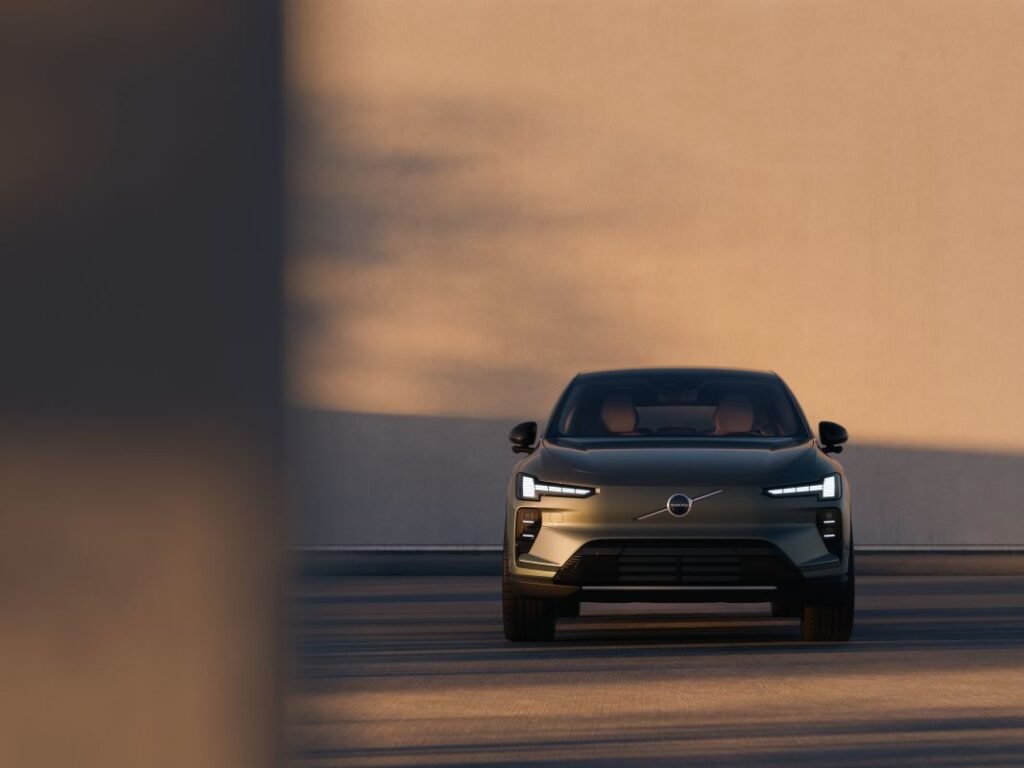
Volvo CEO Håkan Samuelsson believes the EV price gap is closing faster than many expect. Speaking to reporters in Stockholm, he said that “if you look five years ahead,” an electric car will “most probably be lower in cost than a combustion car,” The Drive reports. It is a bold prediction in a market where EVs still carry higher upfront prices than comparable gas models.
Recent industry data shows electric vehicles remain more expensive to buy than ICE vehicles in most segments, even if fuel and maintenance savings narrow the long-term ownership gap. Samuelsson’s argument is that this upfront premium is temporary. According to him, manufacturing efficiencies and battery cost reductions will soon erase it.
Betty Laura Zapata/Bloomberg via Getty Images
Profitable EVs and a Revised Roadmap
Unlike some rivals that continue to post heavy EV-related losses, Samuelsson says Volvo’s electric portfolio is already profitable. Margins are thinner than combustion models, but they are positive. “We are not paying to get them,” he said, emphasizing that Volvo is not selling EVs at a loss to chase market share. Without EVs, he added, Volvo would have lower volume and lower overall profits.
This pragmatism reflects a broader strategic shift. Volvo once declared it would become an all-electric brand by 2030, but that target has since been softened in favor of a more flexible transition. Market realities, infrastructure rollout, and regional demand have forced many automakers to recalibrate timelines. Volvo’s approach now centers on economic viability rather than fixed deadlines.
Volvo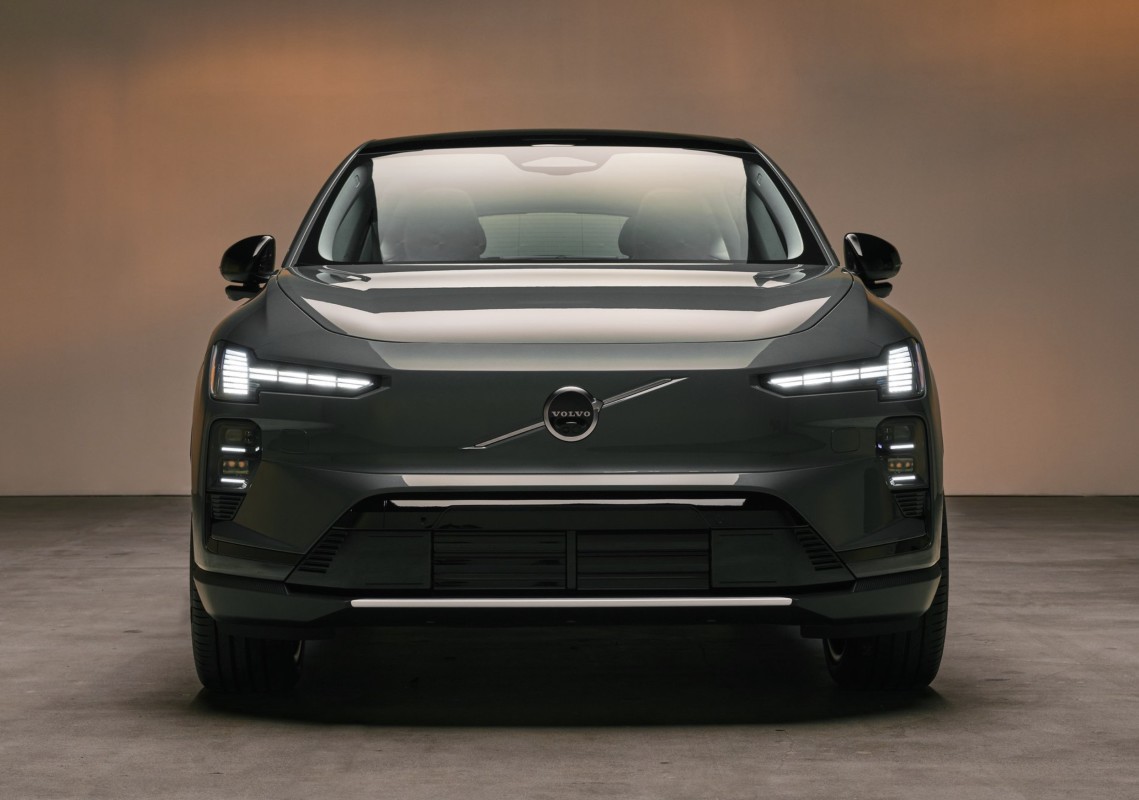
Lower Battery Costs, U.S. Opportunity
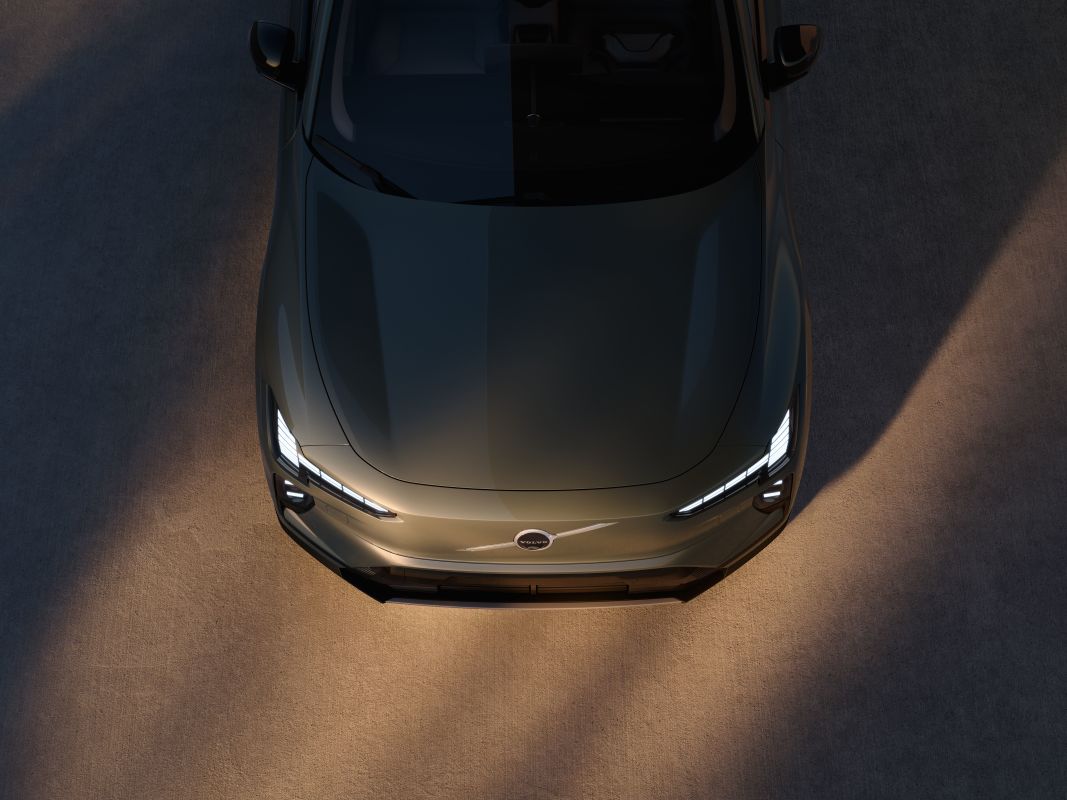
The 2027 EX60 previews how Volvo plans to hit cost parity. It introduces cell-to-body battery integration, mega castings, and in-house-developed motors. Eliminating redundant battery housings reduces material usage and assembly complexity. The goal is to bring EV margins closer to combustion vehicles like today’s XC60, even if larger models such as the EX90 still trail their ICE counterparts in profitability.
Battery chemistry will play a decisive role. Samuelsson points to broader adoption of LFP cells, which use less expensive raw materials than NMC packs. While solid-state batteries are often described as the breakthrough technology, he cautions against waiting. Cost improvements in today’s lithium-ion tech, combined with scale, are enough to shift the equation.
Samuelsson has also argued that the United States remains an ideal market for EVs and plug-in hybrids, citing driving patterns and consumer appetite for technology. If battery prices continue to fall and manufacturing becomes more efficient, his five-year forecast may not be ambitious. It may simply be market math catching up.
Volvo