The Lawsuit Nobody Saw Coming
Dealers are suing Scout Motors in numerous states, arguing the company is violating traditional franchising laws by selling directly to customers. Many U.S. states have carved out exceptions in their traditional auto franchise laws that let manufacturers with no existing dealer network — typically EV-only brands — sell vehicles directly to consumers without independent dealerships, a model pioneered by Tesla and increasingly sought by newcomers like Rivian and Lucid.
Dealers contend that none of the upcoming Scout models would be exempt from the traditional franchise agreement based on what they claim are “technical” loopholes for electric vehicles; loopholes that are becoming increasingly relevant as reservation data rolls in. Buyer preference for the range-extended versions began to reveal a pattern that undermines Scout’s claims of being a purely electric brand, at least as far as dealers are concerned.
When Customers Choose Against the Company Line
Scout initially positioned itself as an electric vehicle manufacturer, with its SUV and truck models pitched primarily as battery-electric vehicles. A range extender option with a gas engine to charge its onboard battery was also available. However, as dealers note, Scout has had a very high percentage of reservation holders (more than 85%) choose the range extender version versus the all-battery version, which puts Scout in an increasingly uncomfortable legal position.
With such a large share of vehicles relying on gasoline engines, whether they directly drive the vehicle or just charge the battery, it makes it increasingly difficult to call those models “electric” only. The range-extender technology is based on a series hybrid system. The gasoline engine only provides power to an onboard generator that provides electricity to the battery pack, which drives the motors. There is no mechanical connection between the combustion engine and the wheels. This type of engineering design allows Scout to technically classify the vehicles as electric.
Scout Motors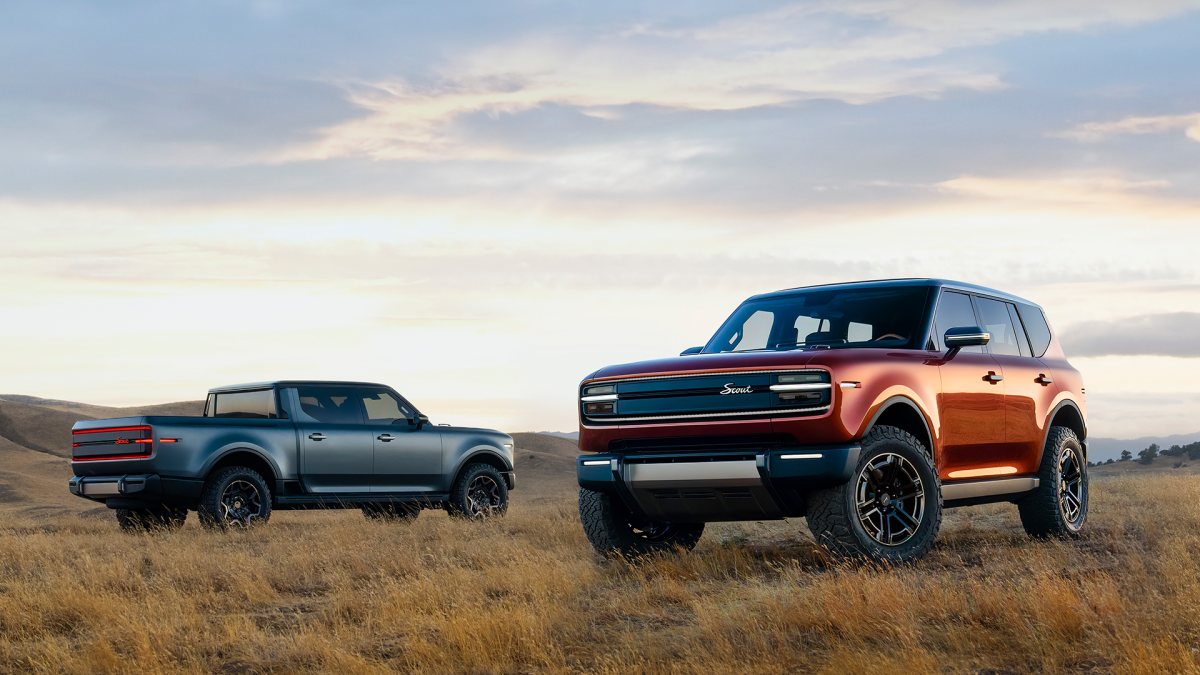
The Irony Dealers Couldn’t Have Scripted Better
Volkswagen‘s franchise partners likely didn’t anticipate consumer preferences would strengthen their case so dramatically. They’re essentially arguing that Scout shouldn’t receive special treatment for selling vehicles that rely on gasoline infrastructure. Customer reservation data suggests they might be right about how buyers view these trucks.
The lawsuit may ultimately decide whether technical classification or practical reliance on gasoline matters more in determining which manufacturers can qualify under current exemptions. Scout argues its vehicles are electric vehicles with ICE-powered range-extenders, while dealerships argue that any vehicle that requires gas does not meet the definition of “battery only”. Meanwhile, reservation holders seem perfectly content with their choice, blissfully unaware that their preferences might reshape automotive retail precedent before their trucks even arrive.