A Growing Hit-And-Run Problem
A report from the American Automobile Association (AAA) reveals that the share of police-reported crashes involving drivers who fled the scene has reached its highest level in recent years at 15 percent. That’s roughly one in seven crashes.
The reasons drivers flee the scene are largely predictable. About 40 percent of those involved did not have a valid driver’s license, while more than half were driving vehicles that were not registered in their name. Fatal hit-and-run crashes tend to occur late at night or in the early morning, when visibility is typically limited. This is also when pedestrians and cyclists are most often struck, with about one in four pedestrian fatalities involving a driver who fled the scene.
Toa55/Getty Images Pro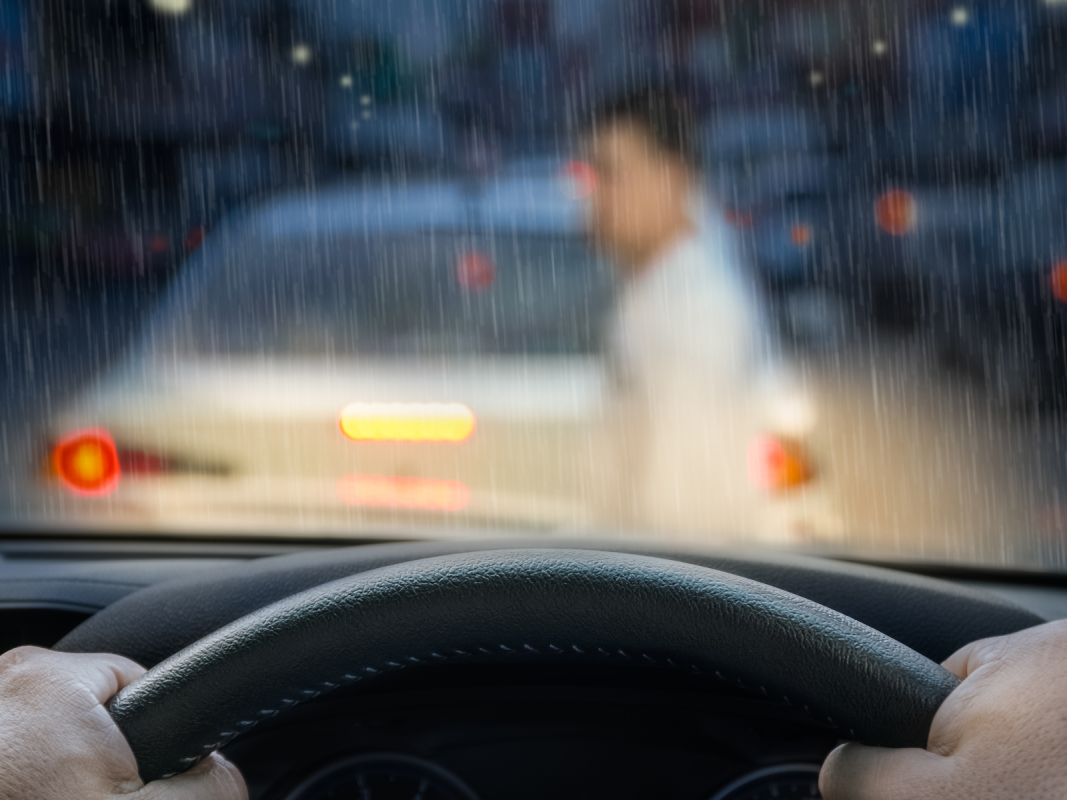
Holding Drivers Accountable
AAA — a non-profit organization advocating for road safety — highlighted several practical ways to reduce drivers fleeing their responsibility, stating in a press release: “Stronger enforcement, smarter use of technology, and public education can work together to change behavior.”
Letting drivers know that legal consequences and consistent enforcement are in place could help deter hit-and-run behavior. In Japan, for example, even minor collisions can lead to severe penalties if a driver leaves the scene. The report also notes that drivers are less likely to flee when they believe they will be caught, particularly in areas known to have traffic cameras.
In terms of technology, AAA believes that automatic crash notification systems can help save more lives. For context, this feature is already available in many vehicles, including Toyota models equipped with the brand’s Connected Services. However, such connectivity could raise data privacy concerns, as seen in lawsuits alleging that certain automakers have shared or sold vehicle data to third-party entities.
The Safety Tech Revolution
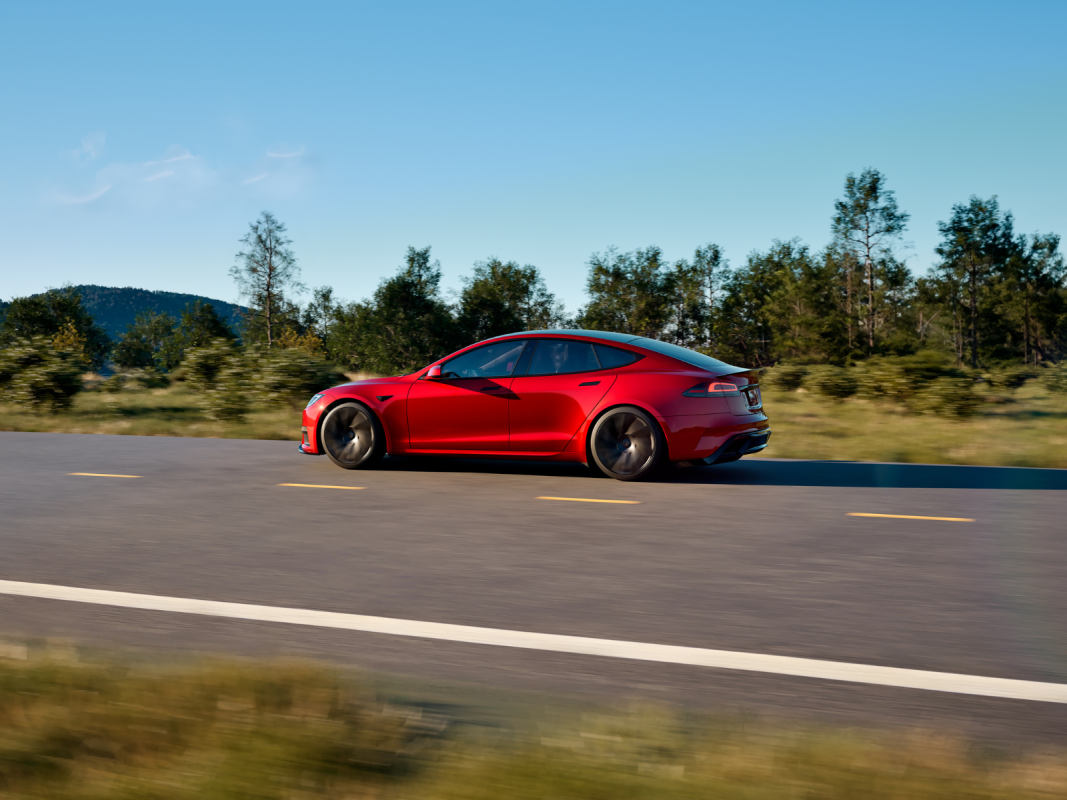
Advanced driver assistance systems (ADAS) could also help prevent crashes in the first place. In a 2023 study, AAA estimated that these technologies could prevent about 37 million crashes and nearly 250,000 deaths in the next 30 years. Most ADAS features available today fall under SAE Level 2, meaning drivers must remain attentive and ready to take control while the system assists with functions such as adaptive cruise control. Examples include Ford’s BlueCruise and Tesla’s Full Self-Driving, which – despite the name – still require constant driver supervision.
Dr. David Yang, president and executive director of the AAA Foundation for Traffic Safety, warned drivers who may consider fleeing the scene. He said drivers must understand that taking off only compounds the harm, and that they should instead stay, call for help, and take responsibility.